Have you ever wondered if you can feed your bird fruits and vegetables every day? You want to give your feathered friend the best care, and diet plays a big part in that.
But is it safe to offer fresh produce daily? Could it really help keep your bird healthy and happy? You’ll discover the truth about feeding your bird fruits and veggies every day—and learn simple tips to make sure your pet gets the right balance.
Keep reading to find out what’s best for your bird’s diet and well-being.
Daily Fruit And Veggie Benefits
Feeding your bird fruits and vegetables every day is healthy. These foods give important nutrients that birds need.
Birds enjoy fresh produce, which helps them stay active and strong. Including fruits and veggies can improve their well-being.
Nutritional Value For Birds
Fruits and vegetables have vitamins and minerals that birds need. These nutrients help their body grow and work well.
For example, carrots have vitamin A, and berries have antioxidants. These help keep birds healthy and alert.
- Vitamin A supports good vision and skin health
- Vitamin C helps repair body tissues
- Calcium strengthens bones and feathers
- Fiber aids digestion
Boosting Immunity And Energy
Daily fruits and vegetables help birds fight sickness. Strong immunity means birds get sick less often.
The natural sugars in fruits give birds energy. This energy helps them fly, play, and stay active all day.
- Vitamin C strengthens the immune system
- Natural sugars provide quick energy
- Antioxidants protect cells from damage
- Water content in fruits keeps birds hydrated
Credit: flatperch.com
Safe Fruits And Vegetables
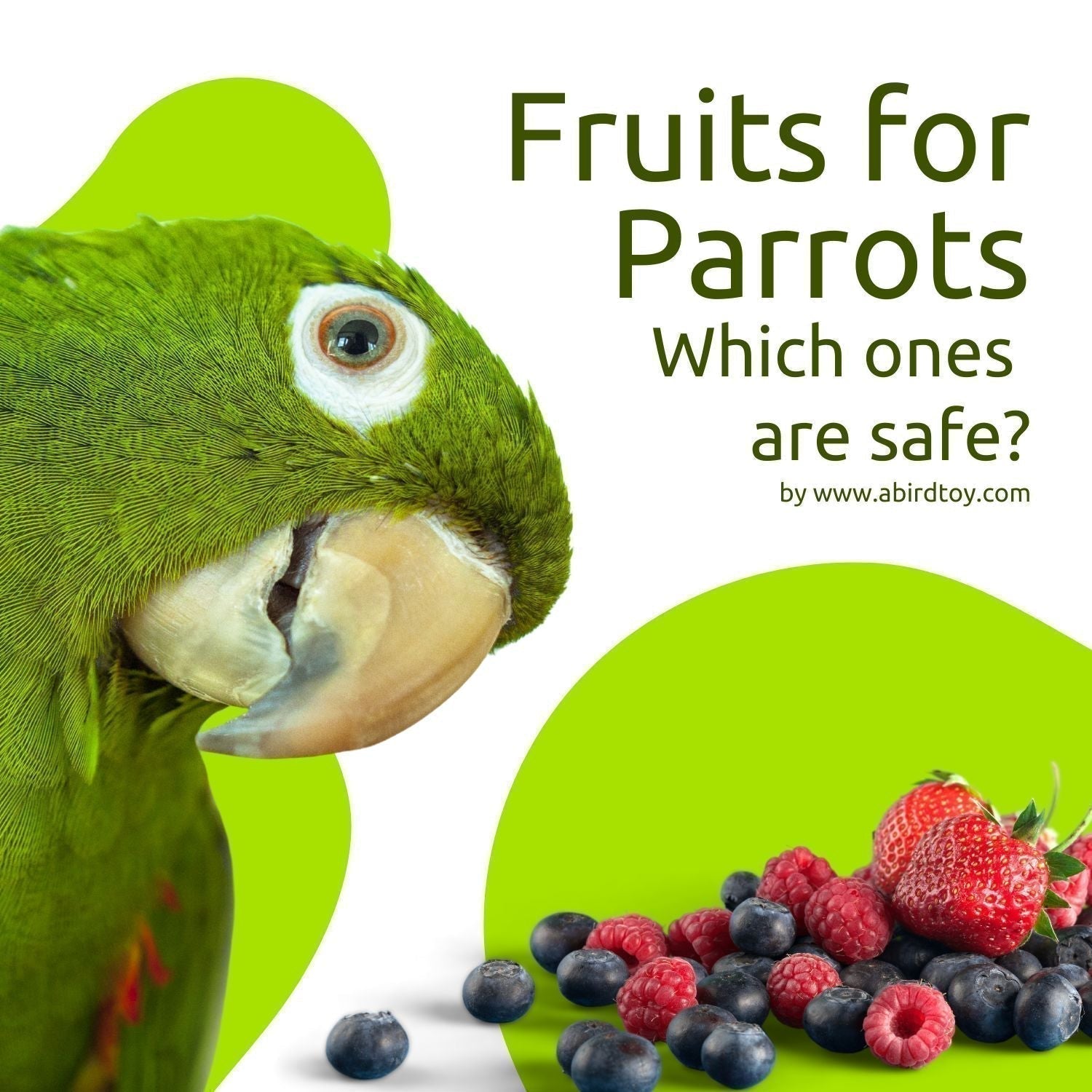
Feeding your bird fresh fruits and vegetables every day can keep it healthy and happy. Birds need vitamins and nutrients that fresh produce provides.
Not all fruits and vegetables are safe for birds. You must know which ones are good and which to avoid.
Bird-friendly Choices
Many fruits and vegetables are safe and healthy for birds. These foods give birds energy and help their feathers stay bright.
- Apples (without seeds)
- Carrots
- Blueberries
- Broccoli
- Bananas
- Peas
- Spinach (in small amounts)
- Sweet potatoes (cooked)
- Mango
- Zucchini
Wash all fruits and vegetables well. Cut them into small pieces to avoid choking.
Avoiding Toxic Produce
Some fruits and vegetables can harm birds. They may cause sickness or worse. Never feed these to your bird.
- Avocado
- Onion
- Garlic
- Rhubarb
- Cherry pits and seeds
- Tomato leaves and stems
- Potato leaves and green potatoes
- Fruit seeds (apple, peach, plum)
Always remove seeds and pits before offering fruit. Watch your bird closely when trying new foods.
Proper Preparation Tips
Feeding your bird fruits and vegetables daily is healthy. Proper preparation keeps food safe and tasty for your pet.
Learn how to wash, cut, and serve fruits and vegetables to help your bird enjoy them safely.
Washing And Cutting
Always wash fruits and vegetables well to remove dirt and chemicals. Use cold water and avoid soap or bleach.
- Rinse each item under running water
- Use a brush for firm-skinned vegetables
- Dry with a clean towel or air dry
- Remove seeds, pits, and stems before serving
- Cut into small, bite-sized pieces for easy eating
Serving Sizes And Frequency
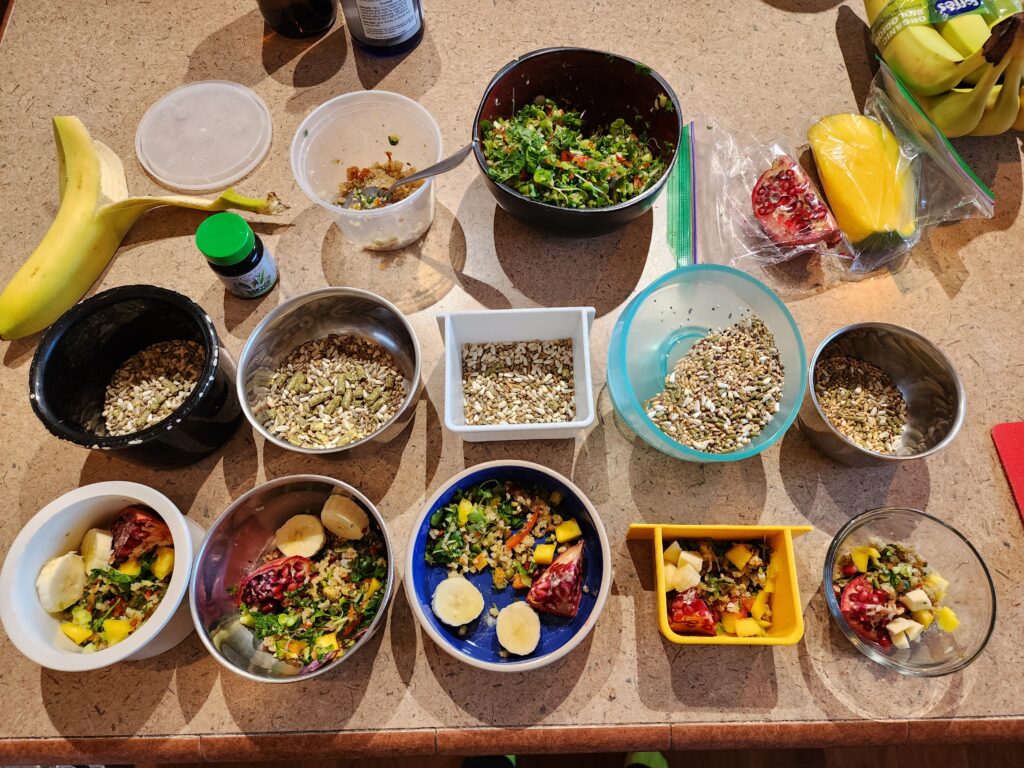
Feed fruits and vegetables in small amounts to avoid stomach upset. Offer a mix of types for balanced nutrition.
| Bird Size | Daily Serving Size | Suggested Frequency |
|---|---|---|
| Small Birds (e.g., Budgies) | 1–2 teaspoons | Once or twice a day |
| Medium Birds (e.g., Cockatiels) | 1–2 tablespoons | Once or twice a day |
| Large Birds (e.g., African Greys) | 2–4 tablespoons | Two to three times a day |
Potential Risks To Watch
Giving your bird vegetables and fruits every day can seem healthy. But there are risks you should know about.
Some fruits and vegetables can cause problems if not given carefully. Watch out for these issues to keep your bird safe.
Overfeeding Concerns
Feeding too many fruits and vegetables can cause your bird to gain too much weight. Birds need a balanced diet to stay healthy.
Overfeeding can also reduce your bird’s appetite for other important foods like pellets or seeds.
- Too many fruits cause excess sugar intake
- Vegetables in large amounts may upset diet balance
- Weight gain can lead to health issues
- Loss of interest in regular food
Digestive Issues
Some fruits and vegetables can be hard for birds to digest every day. This may cause stomach upset or diarrhea.
Foods high in acid or fiber might irritate your bird’s digestive system if given too often.
- Acidic fruits like citrus can cause stomach pain
- High-fiber veggies may cause gas or bloating
- Sudden diet changes upset digestion
- Watch for signs like loose droppings or discomfort
Balancing Diet With Other Foods
Feeding your bird fruits and vegetables daily is healthy. They provide vitamins and minerals. Yet, fruits and vegetables alone do not meet all nutritional needs.
A balanced bird diet includes seeds, pellets, protein, and calcium. These foods support overall health and energy.
Seeds And Pellets Integration
Seeds and pellets form the main part of many bird diets. Pellets offer balanced nutrition in every bite. Seeds add variety and taste.
- Pellets contain essential vitamins and minerals.
- Seeds provide healthy fats and energy.
- Mix pellets and seeds to avoid diet boredom.
- Monitor seed intake to prevent obesity.
- Ensure pellets are high quality and species-appropriate.
Protein And Calcium Sources
Protein and calcium are vital for birds’ growth and bone strength. Fruits and vegetables usually lack enough of these nutrients.
| Protein Source | Examples | Benefits |
| Cooked Eggs | Boiled or scrambled (no salt) | Rich in protein and easy to digest |
| Legumes | Cooked beans, lentils | Good plant-based protein |
| Calcium Source | Examples | Benefits |
| Cuttlefish Bone | Placed in cage | Natural calcium supplement |
| Leafy Greens | Kale, spinach | Calcium and vitamins |
Signs Of Nutritional Deficiency
Birds need a balanced diet to stay healthy. Fruits and vegetables can help meet their nutritional needs.
When birds do not get enough nutrients, they show clear signs. Watch for changes in behavior and skin health.
Behavioral Changes
Birds with poor nutrition may act differently. They can become less active or more aggressive than usual.
- Reduced energy and less playfulness
- Increased irritability or biting
- Loss of appetite or changes in eating habits
- More sleeping or hiding in corners
Feather And Skin Health
Good nutrition keeps feathers bright and skin smooth. Deficiency causes dull feathers and flaky skin.
| Symptom | Description |
| Dull Feathers | Loss of shine and softness |
| Feather Loss | More feathers falling out than usual |
| Dry Skin | Flaky or scaly patches on the skin |
| Slow Feather Growth | New feathers take longer to grow |
Tips From Avian Experts
Feeding birds fresh vegetables and fruits every day can be healthy. Birds need variety to get all nutrients. Experts share advice on safe feeding.
Not all fruits and vegetables are good for every bird species. Learn how to feed your bird properly from veterinarians and diet plans.
Consulting Veterinarians
Veterinarians help identify what fruits and vegetables suit your bird. Some foods can cause harm or allergies. Always check with a vet first.
- Discuss your bird’s species and health history.
- Ask about safe fruits and vegetables.
- Learn about portion sizes and feeding frequency.
- Report any signs of food intolerance or illness.
Customizing Diet Plans
Each bird has unique dietary needs. A diet plan should balance fruits, vegetables, seeds, and pellets. Adjust feeding based on age and activity.
| Food Type | Recommended Serving | Notes |
| Leafy Greens | Daily | Rich in vitamins |
| Fruits | 2-3 times a week | Limit sugary fruits |
| Vegetables | Daily | Include carrots, peas |
| Seeds | Small amount | High fat content |
| Pellets | Based on weight | Essential for balance |

Credit: abirdtoy.com

Credit: pdsparrotshop.com
Frequently Asked Questions
Can Birds Eat Fruits And Vegetables Daily?
Yes, birds can eat fruits and vegetables daily. They provide essential vitamins and minerals. However, balance is key to avoid digestive issues.
Which Fruits Are Safe For Pet Birds?
Safe fruits include apples, bananas, berries, and melons. Avoid avocado and fruit seeds, as they can be toxic to birds.
How Much Fruit And Vegetable Should Birds Eat?
Fruits and vegetables should make up about 20-30% of a bird’s diet. Portion sizes depend on bird species and size.
Can Feeding Fruits Daily Harm My Bird?
Feeding fruits daily is safe if given in moderation. Too much fruit can cause sugar-related health problems in birds.
Conclusion
Feeding your bird fruits and vegetables daily is beneficial. They provide essential nutrients. Balance is crucial, though. Too much can cause digestive issues. Always offer a variety of foods. This ensures a balanced diet. Monitor your bird's reaction to new foods.
Some birds have preferences. Fresh produce is best. Wash thoroughly to remove pesticides. Consult your vet for specific dietary needs. Your bird's health depends on a nutritious diet. Keep it simple and varied. A happy bird enjoys mealtime. Healthy birds live longer.
So, make informed choices. Your feathered friend will thank you!