Have you ever wondered if the bird seed you scatter in your garden could turn into beautiful flowers? Imagine planting something simple and watching it bloom into vibrant colors right before your eyes.
You might be surprised to learn that many types of bird seed can actually grow into stunning flowers with just a little care. If you’re curious about transforming your bird seed into a colorful garden, keep reading. This guide will show you how to make the most of your bird seed and bring more life to your outdoor space.

Credit: www.birdsandblooms.com
Types Of Bird Seed
Bird seed comes in many types and mixes. Each seed type attracts different birds.
Some seeds in bird mixes can also grow into flowers. Let’s look at common seeds and which ones grow well.
Common Seeds In Mixes
Bird seed mixes usually contain a variety of seeds. These include sunflower, millet, and safflower.
- Black oil sunflower seeds – popular and nutritious
- White proso millet – small and light-colored
- Safflower seeds – white and hard-shelled
- Nyjer (thistle) seeds – tiny and black
- Cracked corn – a cheap filler seed
Seeds That Actually Grow
Not all bird seeds will grow when planted. Some seeds are treated or too old to sprout.
| Seed Type | Grows into Plant | Plant Type |
| Black oil sunflower | Yes | Sunflower flowers |
| White proso millet | Yes | Millet grass |
| Safflower | Rarely | Usually no |
| Nyjer (thistle) | No | Often no |
| Cracked corn | No | Not viable |
Germination Potential
Growing flowers from bird seed is possible but depends on seed quality. Germination potential means the chance a seed will sprout and grow into a plant.
Understanding what affects seed viability helps you get better results when planting bird seed flowers.
Factors Affecting Seed Viability
Seed viability depends on many factors that affect how well seeds can sprout. These include seed age, storage conditions, and seed type.
- Seed Age:Older seeds lose their ability to germinate over time.
- Storage Conditions:Seeds kept in dry, cool places last longer.
- Seed Type:Some seeds are designed to grow quickly, others need special care.
- Bird Seed Mix:Some bird seed mixes contain seeds that are not for planting.
- Moisture Levels:Too much or too little moisture can stop seeds from sprouting.
How To Test Seed Germination
You can test if your bird seed will grow flowers by checking the germination rate. This shows how many seeds sprout in a test.
- Place 10 seeds on a wet paper towel.
- Fold the towel and keep it moist.
- Put the towel in a warm place for 7 to 10 days.
- Count how many seeds sprout after this time.
- Calculate the percentage of sprouted seeds.
| Sprouted Seeds | Germination Rate | Seed Quality |
| 8 | 80% | Good |
| 5 | 50% | Fair |
| 2 | 20% | Poor |
Best Flowers From Bird Seed
Bird seed can be a surprising source for growing flowers. Many wildflowers start from seeds found in bird mixes.
You can plant bird seed in your garden to grow a variety of beautiful flowers. Some flowers grow better from bird seed than others.
Wildflowers That Thrive
Wildflowers often grow well from bird seed. They are hardy and can survive in many conditions.
Some common wildflowers from bird seed include:
- Black-eyed Susan
- Cosmos
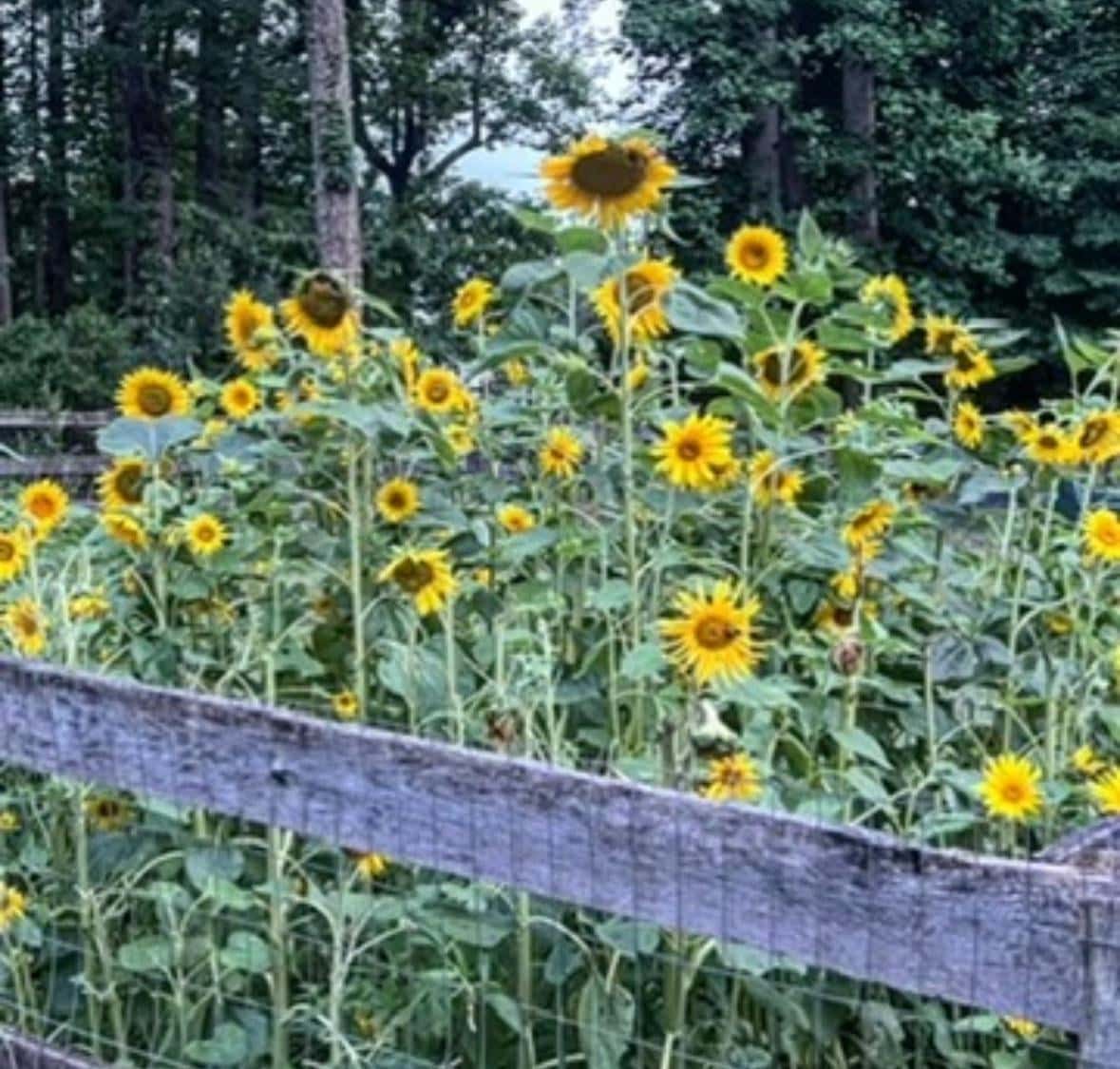
- Sunflowers
- Coreopsis
- Mexican Hat
Popular Garden Flowers
Some popular garden flowers also grow from bird seed. They add color and life to home gardens.
These flowers often come from seeds mixed in bird food:
- Zinnias
- Marigolds
- Petunias
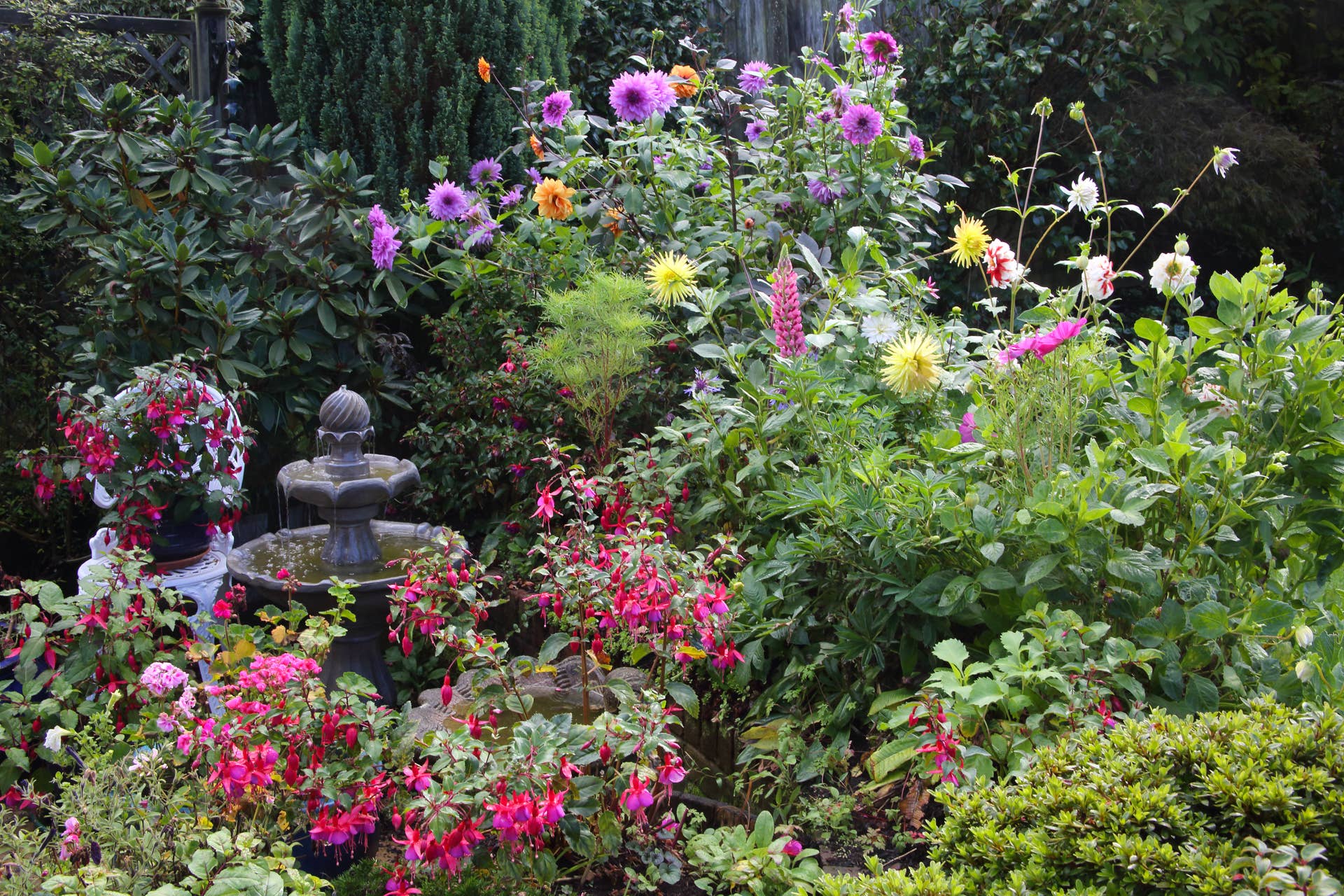
- Dahlias
- Snapdragons
Credit: dengarden.com
Preparing Bird Seed For Planting
Growing flowers from bird seed can be a fun project. It needs some preparation before planting.
Preparing the seeds helps improve germination and plant growth. Clean seeds and proper soaking are important steps.
Cleaning And Sorting Seeds
Bird seed mixes often contain debris like husks, shells, and broken seeds. Removing these helps healthy seeds grow better.
Sort through the seed mix carefully. Pick out any dirt, small stones, or damaged seeds before planting.
- Spread seeds on a flat surface
- Remove non-seed materials by hand
- Separate larger seeds from tiny pieces
- Discard any black, shriveled, or broken seeds
Soaking And Prepping Tips
Soaking seeds softens their outer shell. This helps the seeds sprout faster in soil.
Use clean water to soak the seeds for 12 to 24 hours. Drain the water before planting the seeds in soil.
- Use a bowl or jar for soaking
- Rinse seeds gently to remove dust
- Keep seeds in a warm place during soaking
- Do not soak for more than 24 hours to avoid rotting
- Plant seeds immediately after soaking
Planting Techniques
Growing flowers from bird seed can be fun and rewarding. It requires some care and the right planting methods. This guide explains the basics.
Using proper soil, containers, watering, and light will help your flowers grow strong and healthy.
Ideal Soil And Containers
Choose loose, well-draining soil for the best growth. Avoid heavy or clay soils that hold too much water.
- Use potting soil mixed with sand or perlite for drainage.
- Select containers with drainage holes to prevent water buildup.
- Containers can be small pots or garden beds depending on space.
- Fill containers about three-quarters full with soil before planting.
Watering And Light Needs
Flowers from bird seed need regular water but not too much. They also need enough sunlight to grow well.
| Requirement | Description |
|---|---|
| Watering | Keep soil moist but not soaked; water when top inch feels dry. |
| Light | Provide 4 to 6 hours of sunlight daily, preferably morning sun. |
| Temperature | Plant in warm conditions, above 60°F (15°C) for best results. |
Common Challenges
Growing flowers from bird seed can be fun but brings some challenges. These issues can affect your plant growth and success.
Understanding these common problems helps you prepare and care better for your flowers.
Pests And Diseases
Pests like insects and birds can eat seeds or damage sprouts. Diseases from fungi or bacteria may also harm your plants.
- Avoid overwatering to prevent fungal growth.
- Use natural pest repellents like neem oil.
- Cover seeds with light netting to keep birds away.
- Remove infected plants quickly to stop disease spread.
- Keep soil clean and well-drained for healthy roots.
Dealing With Low Germination Rates
Low germination means few seeds sprout. This can happen from old seeds or poor planting conditions.
| Cause | Effect | Solution |
| Old bird seed | Low sprout rate | Use fresh seed or soak before planting |
| Poor soil quality | Weak seedlings | Use nutrient-rich, loose soil |
| Incorrect planting depth | Seeds fail to emerge | Plant seeds shallowly, about 1/4 inch deep |
| Inconsistent watering | Drying out or rotting seeds | Keep soil moist but not wet |
Enhancing Growth Success
Growing flowers from bird seed can be fun and rewarding. To help your flowers grow well, you need good care and attention.
Using the right tools and techniques improves the chance your flowers will bloom strong and healthy.
Using Fertilizers
Fertilizers give plants the nutrients they need to grow. Use a balanced fertilizer to help flowers from bird seed develop well.
Apply fertilizer after the seedlings have grown a few leaves. Avoid using too much to prevent damage.
- Choose a fertilizer with equal parts nitrogen, phosphorus, and potassium
- Follow package instructions for the right amount
- Water plants after fertilizing to help nutrients reach roots
Companion Planting Ideas
Planting certain flowers or herbs nearby can help your bird seed flowers grow better. Some plants protect against pests or improve soil.
Choose companions that grow well together and do not compete for space or nutrients.
- Marigolds can keep bugs away
- Basil helps protect plants from insects
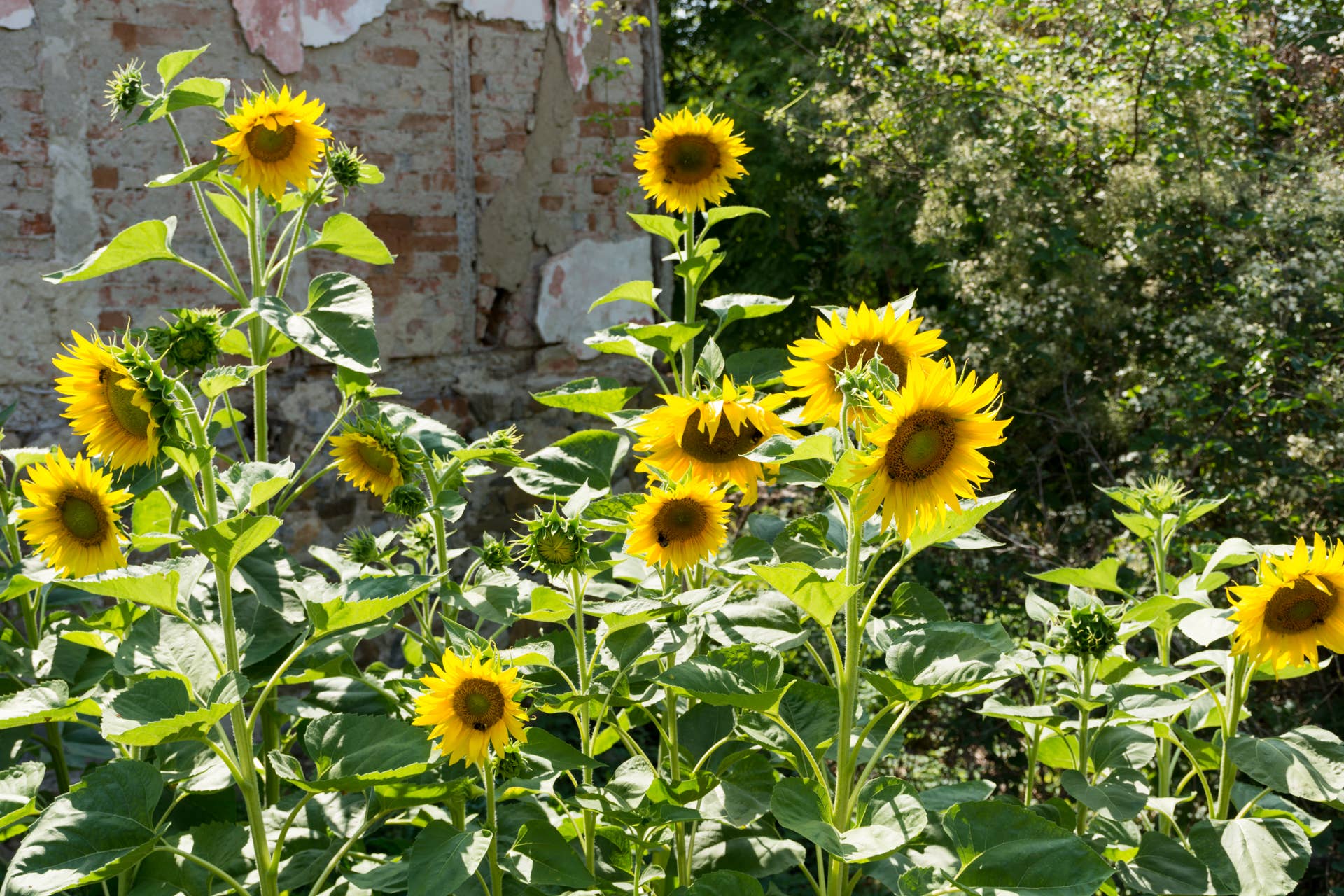
- Sunflowers offer shade to smaller flowers
- Lavender attracts helpful pollinators
Credit: dengarden.com
Creative Uses For Bird Seed Flowers
Growing flowers from bird seed is a unique way to add color to your garden. It also helps recycle leftover seeds creatively.
These flowers attract wildlife and make your outdoor space more lively and inviting.
Attracting Pollinators
Flowers grown from bird seed attract many pollinators. Bees, butterflies, and hummingbirds visit these plants often.
- Provide nectar and pollen for bees
- Offer landing spots for butterflies
- Draw hummingbirds with bright colors
- Support local ecosystem health
- Increase pollination of nearby plants
Decorative Garden Ideas
You can use bird seed flowers to create beautiful garden designs. They blend well with other plants and add texture.
| Design Idea | Description |
| Wildflower Mix | Plant seeds in clusters for a natural look |
| Border Lines | Use flowers to edge pathways or garden beds |
| Container Gardens | Grow flowers in pots for patios or balconies |
| Vertical Gardens | Plant in hanging baskets or wall planters |
Frequently Asked Questions
Can Bird Seed Grow Into Flowers Naturally?
Yes, some bird seeds can sprout flowers if they contain viable flower seeds mixed in. However, many bird seeds are for feeding birds and may not grow.
What Types Of Flowers Grow From Bird Seed Mixes?
Wildflowers like sunflowers, cosmos, and poppies often grow from wild bird seed mixes. These contain a variety of flower seeds suitable for planting.
How To Plant Bird Seed For Flower Growth?
Plant bird seed on loose soil, cover lightly, and water regularly. Ensure the seeds get enough sunlight for successful germination and growth.
Is Bird Seed A Cost-effective Way To Grow Flowers?
Using bird seed can be economical if it contains flower seeds. However, specialized flower seeds may yield better growth and variety.
Conclusion
Growing flowers from bird seed is an exciting experiment. It brings surprises. Not all bird seeds will sprout flowers. But some might. Try it with sunflowers or millet. They often grow well. Enjoy watching nature’s wonder. A simple bird seed mix might surprise you.
Keep the soil moist and in sunlight. Patience is key. Flowers can brighten any space. They add color and life. Experimenting is fun. It connects you with nature. Give it a try today. You’ll learn and enjoy the process. Nature has many wonders to explore.
Happy gardening!