Can You Grow Millet from Bird Seed? A Simple Guide
Have you ever looked at bird seed and thought about growing it? You can actually turn that seed into a real crop. It sounds strange, but Can You Grow Millet from Bird Seed? You certainly can. If you want to turn tiny seeds into big green plants, read this. I will tell you the truth about growing millet this way. I will show you what to expect. Keep reading. You might love how easy this garden project feels.

Credit: www.thestar.com
Choosing The Right Bird Seed
Can You Grow Millet from Bird Seed, but you need the right kind. Not every seed in the bag will sprout. You must pick the best seeds for strong plants.
This guide explains which seeds work. I will help you find the living seeds in your mix.
Types Of Millet Seeds In Bird Food
Bird food mixes hold different millet types. Some grow better than others. Look for these specific seeds in your mix:
-
White proso millet
-
Red millet
-
Foxtail millet
-
Japanese millet
-
Finger millet
White proso and red millet appear most often in mixes. They sprout easily at home.
Agronomists explain the challenge of "Variety Stability":
"Most bird seed mixes contain Proso millet (Panicum miliaceum), which is highly successful for home gardeners. However, be aware that many commercial seeds are hybrids. While they will grow, the second-generation plants may not look exactly like the parent plant or may produce fewer seeds. For a consistent harvest, look for bird seed labeled 'Non-GMO' or 'Organic,' as these are more likely to be stable heirloom varieties."
Identifying Viable Seeds For Planting
Dead seeds will not grow. Companies treat some seeds, or they are too old. You need fresh, clean seeds.
| Seed Condition | Planting Result |
| Fresh and raw | High chance of sprouting |
| Heated or coated | Low chance of sprouting |
| Old or broken | No growth |
Test your seeds easily. Soak a few in water for 24 hours. If they swell or sprout, plant them.

Credit: www.reddit.com
Preparing Seeds for Planting
Prepare your seeds before planting them. This step helps you get a big harvest. Preparation means cleaning, sorting, and soaking the seeds.
These steps help you grow a healthy millet crop.
Cleaning And Sorting Seeds
Bird mixes often have dust and dirt. Clean this mess away. Dirt stops millet seeds from growing.
Sort the seeds to find the best ones. Use whole, hard seeds only. Throw away cracked or dry ones.
-
Spread seeds on a table.
-
Pick out dirt and dust by hand.
-
Throw away broken seeds.
-
Keep only clean, healthy seeds.
Soaking And Germination Techniques
Soak seeds to make them sprout faster. Water softens the hard shell. This helps the plant start growing.
Put seeds in warm water for 8 to 12 hours. Drain the water and plant them right away.
-
Use clean, warm water.
-
Stop soaking after 12 hours.
-
Plant immediately for the best results.
-
Keep soil wet to help sprouts grow.
Planting Millet From Bird Seed
Millet is a common grain in bird mixes. You can plant these seeds in your garden. It is a fun, simple project.
You need to prepare the soil well. Give plants water and light. Follow this guide for healthy millet plants.
Best Soil Conditions
Millet grows best in well-drained soil. Keep soil loose, not heavy. Sandy soil works great.
Soil pH should be near 6.0 or 7.0. Good soil makes strong plants.
"Millet is one of the easiest grains to grow... It tolerates poor soil and drought better than most crops." — Mother Earth News
-
Pick well-drained soil.
-
Use loose, sandy dirt.
-
Aim for pH 6.0-7.0.
-
Ensure moderate nutrients.
Optimal Planting Depth And Spacing
Plant millet seeds about 1/4 to 1/2 inch deep. This depth helps the seeds sprout well without drying out.
Space the seeds 6 to 10 inches apart. This gives each plant room to grow and get enough nutrients.
- Plant depth: 1/4 to 1/2 inch
- Seed spacing: 6 to 10 inches apart
- Rows spaced 12 to 18 inches apart
Watering And Light Requirements
Millet needs regular watering but does not like soggy soil. Water the plants when the top inch of soil feels dry.
These plants need full sun to grow well. Make sure they get at least six hours of direct sunlight daily.
- Water when top 1 inch of soil is dry
- Avoid waterlogging
- Full sun exposure (6+ hours daily)
Caring For Millet Plants
Care for your plants, and they will grow tall. Millet needs sun, water, and food.
Healthy plants make more seeds. Watch for bugs and feed the soil.
Fertilizing And Nutrient Needs
Feed the soil with good nutrients. Plants need nitrogen to stay green.
Use a balanced fertilizer mix. Too much nitrogen makes stems weak.
-
Add food before planting.
-
Water plants after feeding them.
-
Check soil pH often.
Pest And Disease Management
Bugs like aphids can hurt your plants. These insects eat leaves.
Diseases like rust can also hurt millet. Keep plants clean to stop sickness.
-
Look for bugs often.
-
Use insecticidal soap or neem oil.
-
Pull weeds to stop diseases.
-
Change planting spots yearly.
Harvesting And Using Millet
Harvesting is the best part. Harvest the millet once it is mature. You can eat it or feed birds.
Pick it at the right time. Store it well to keep it fresh.
Signs Of Maturity
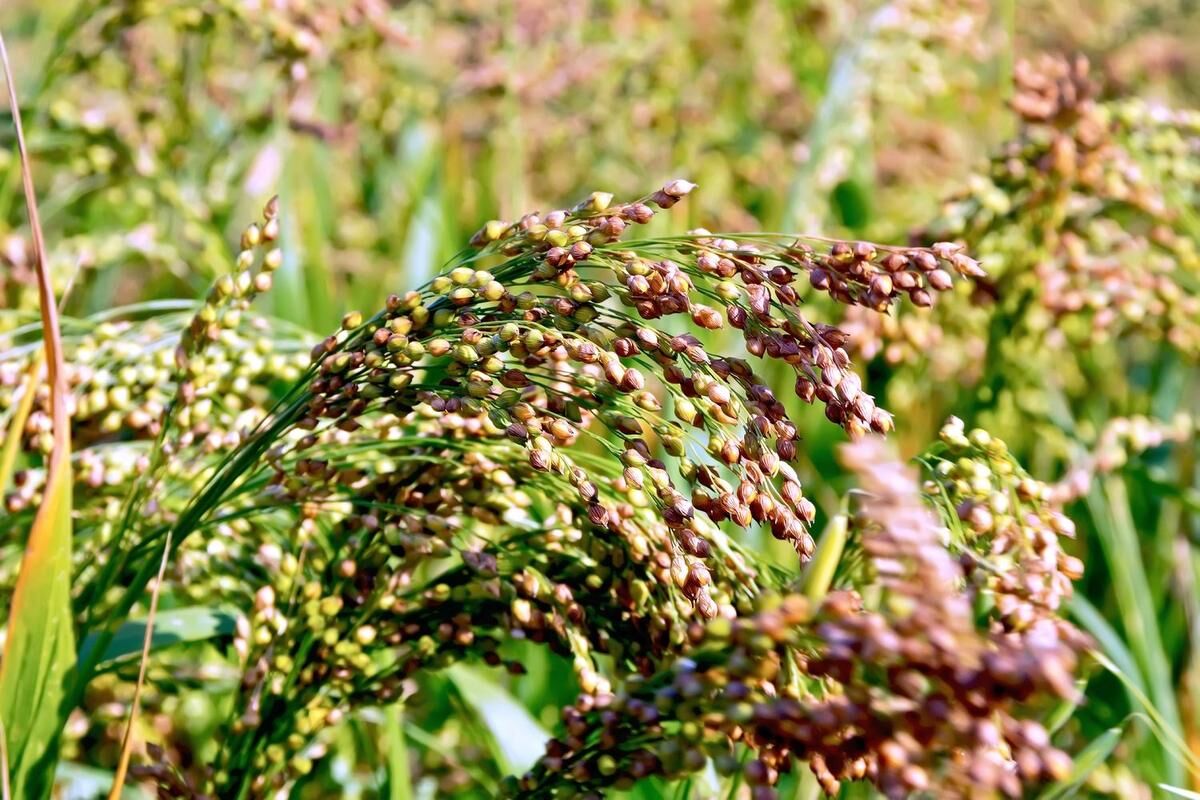
Harvest when seed heads turn gold. Seeds should feel hard.
Leaves will turn brown and dry. Shake the plant gently. If seeds fall, they are ready.
Harvesting Methods
Cut the heads with sharp scissors. Do this on a dry day.
Put heads in a paper bag. Let them dry in a warm spot.
-
Cut carefully to save seeds.
-
Dry heads for a few days.
-
Rub heads to free the seeds.
Storage And Usage Tips
Put dry seeds in sealed jars. Keep jars in a cool, dark place.
Cook with millet or make flour. Wash seeds before you cook them.
-
Use airtight jars.
-
Keep away from heat.
-
Wash seeds before cooking.
-
Make porridge or bread.
Agricultural Safety Experts provide a vital warning regarding human consumption: "While millet grown from bird seed is technically edible, Trust is paramount when it comes to your health. Many commercial bird seed brands treat their mixes with fungicides or preservatives (like ethoxyquin) to prevent spoilage in the bag. These chemicals are not intended for human ingestion. If you plan to eat your harvest, ensure the original bird seed used was certified 'Organic' or 'Food Grade' to avoid chemical residues in your soil and grain."

Credit: www.youtube.com
Troubleshooting Common Issues
Sometimes plants struggle to grow. Fix these issues fast. Here is why seeds fail.
Poor Germination Causes
Seeds might not sprout for a few reasons. Bad seeds or bad soil stop growth.
-
Old seeds: Old seeds will not grow.
-
Wrong depth: Deep seeds die.
-
Dry soil: Seeds need water to start.
-
Cold soil: Millet likes warmth.
Growth Problems And Solutions
Plants might look sick after sprouting. Fix these problems to help them.
| Problem | Cause | Solution |
| Small plants | Poor food | Add fertilizer. |
| Yellow leaves | Too much water | Water less often. |
| Weak stems | No sun | Move to a sunny spot. |
| Bugs | Aphids | Use neem oil. |
Frequently Asked Questions
Can You Grow Millet from Bird Seed?
Yes. Use fresh, clean seeds. Put them in good soil with lots of sun. Water them often. It saves money.
What Bird Seed Is Best?
Plain, raw millet is best. Avoid chemicals. White proso millet works well. Pick pure seeds for the best luck.
How Long Does It Take?
It takes 60 to 90 days. Seeds sprout in about a week. Warmth helps them grow faster.
Can You Eat It?
Yes, if seeds have no chemicals. Wash them well. Cook the grains after you dry them. It is healthy food.
Conclusion
Can You Grow Millet from Bird Seed? As we have explored, it is possible and quite rewarding. It requires care and patience. Start by choosing quality bird seed. Ensure the seeds are fresh and viable. Plant them in a suitable area with good soil. Water regularly and protect from pests.
Watch them sprout and grow, offering a sustainable crop. Millet can be used in various dishes. It's nutritious and versatile. Knowing the answer to Can You Grow Millet from Bird Seed can save you money and reduce waste. Plus, it's an eco-friendly option. Try it and enjoy the benefits of homegrown grains.