Ever found yourself staring at a bag of bird seed and wondering if those tiny sunflower seeds could grow into beautiful, towering plants? You’re not alone.
The idea of transforming something as simple as bird seed into a vibrant garden is both intriguing and exciting. Imagine having a patch of sunflowers in your yard, starting from seeds that were originally meant for your feathered friends. It sounds almost too good to be true, doesn't it?
But it’s not just a whimsical thought—it’s a fascinating project you can embark on right in your own backyard. You’ll discover the possibilities of planting bird seed sunflowers, uncover the secrets to successfully growing them, and learn the surprising benefits that come with it. Stick around to find out how you can turn your garden into a sunflower sanctuary with just a handful of seeds.
Choosing Bird Seed Sunflower Varieties
Bird seed sunflowers are popular for both feeding birds and growing in gardens. Picking the right variety helps you grow healthy sunflowers.
This guide covers common types of sunflower seeds in bird seed mixes and the best varieties to plant.
Types Of Sunflower Seeds In Bird Seed Mixes
Bird seed mixes usually contain two main types of sunflower seeds. Each type has unique features that affect planting and growth.
- Black Oil Sunflower Seeds:Small, thin shells and high oil content. Birds love them. They sprout easily and grow well in many soils.
- Striped Sunflower Seeds:Larger seeds with thicker shells. They take longer to sprout but produce bigger flowers and seeds.
Best Varieties For Planting
Choosing the right sunflower variety depends on your climate and garden space. Some types grow taller or bloom earlier than others.
| Variety | Height | Seed Type | Bloom Time |
| Black Oil | 5-6 feet | Black Oil | Mid to Late Summer |
| Giant Grey Stripe | 6-10 feet | Striped | Late Summer |
| Sunspot | 3-4 feet | Black Oil | Early Summer |
| Japanese Mammoth | 8-12 feet | Striped | Late Summer to Fall |

Credit: www.reddit.com
Preparing The Soil
Planting bird seed sunflowers starts with good soil preparation. Healthy soil helps sunflowers grow strong and tall.
Taking time to prepare the soil improves seed germination and plant health. Let’s look at what makes soil ideal and how to get it ready.
Ideal Soil Conditions
Sunflowers grow best in loose, well-drained soil. The soil should hold moisture but not stay wet for long.
They prefer soil with a pH between 6.0 and 7.5. Soil rich in nutrients helps the plants get the food they need.
- Loamy soil is best for sunflowers
- Good drainage prevents root rot
- Neutral to slightly acidic pH works well
- Soil rich in organic matter supports growth
Soil Preparation Techniques
Start by clearing the area of weeds and debris. This helps young sunflowers get enough light and space.
Next, loosen the soil to a depth of about 12 inches. This lets roots grow deeply and absorb water easily.
- Remove rocks, sticks, and weeds from the planting area
- Use a garden fork or tiller to loosen soil deeply
- Add compost or aged manure to improve soil nutrients
- Mix soil amendments well into the top 12 inches
- Rake soil smooth before planting seeds
Planting Bird Seed Sunflowers
Bird seed sunflowers are easy to grow and attract many birds. You can plant them in your garden or pots.
Planting these sunflowers requires some simple steps. Knowing when and how to plant helps them grow well.
When To Plant
Plant bird seed sunflowers after the last frost date. The soil should be warm, around 55°F (13°C) or higher.
- Late spring is the best time to start planting.
- Sunflowers need full sun to grow strong.
- Planting too early can cause seeds to rot.
- Check your local frost dates to plan correctly.
Planting Depth And Spacing
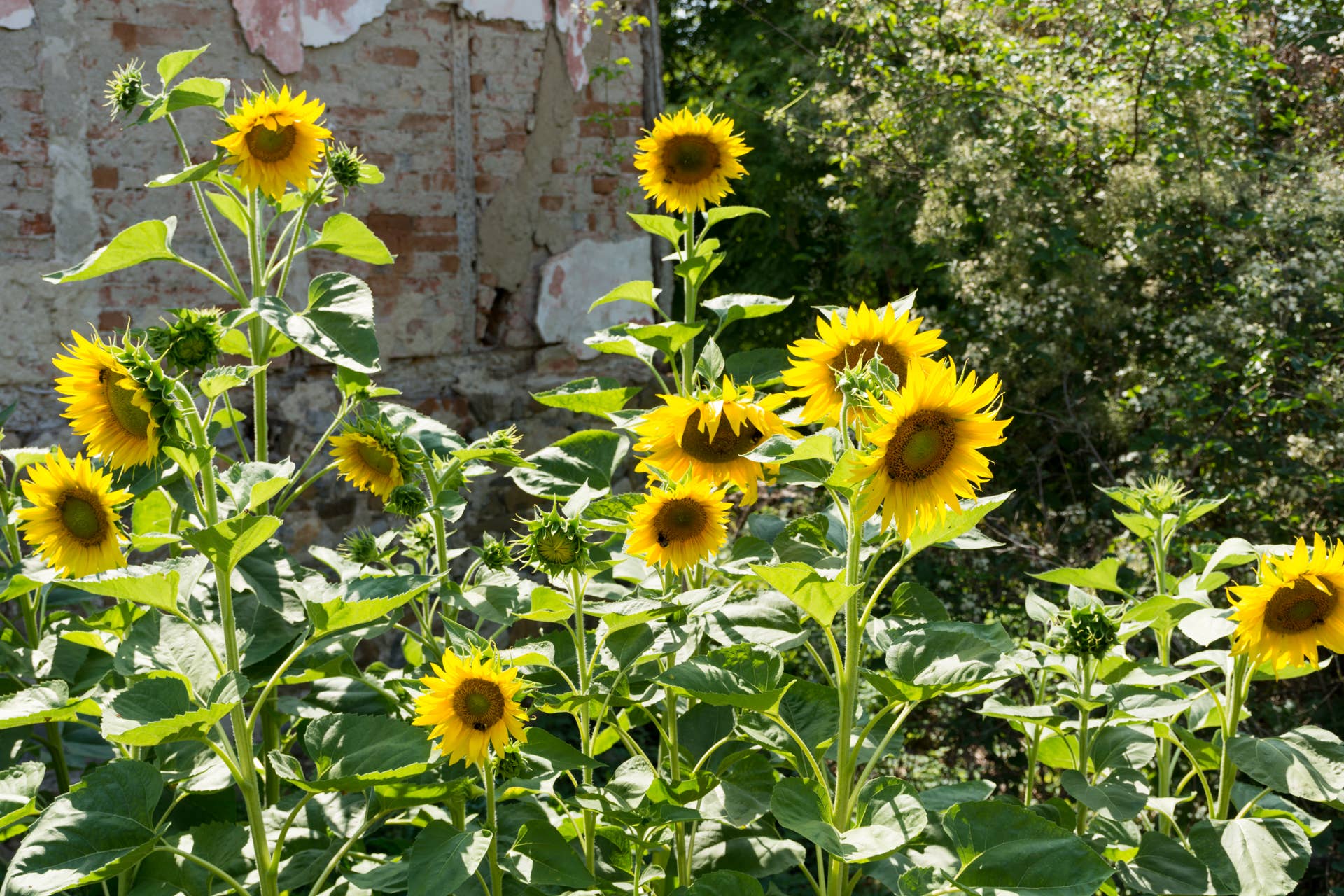
Plant sunflower seeds about 1 to 2 inches deep in the soil. Give each seed enough space to grow tall.
| Planting Depth | 1 to 2 inches |
| Spacing Between Seeds | 6 inches apart |
| Spacing Between Rows | 24 to 36 inches apart |
Credit: dengarden.com
Watering And Care
Bird seed sunflowers grow well if you give them the right care. Watering and feeding them helps the plants stay healthy.
These sunflowers need regular attention to grow tall and strong. Proper watering and fertilizing are key parts of their care.
Watering Frequency
Sunflowers need water often, especially when young. Keep the soil moist but not soaked. Too much water can hurt the roots.
Check the soil every few days. Water if the top inch feels dry. During hot weather, water more to prevent wilting.
- Water deeply once or twice a week
- Increase watering during dry spells
- Avoid watering leaves to stop disease
Fertilizing Tips
Sunflowers benefit from fertilizer to grow strong stems and big flowers. Use a balanced fertilizer to feed them well.
Apply fertilizer when plants start to grow leaves. Follow the package instructions to avoid overfeeding, which can harm plants.
- Choose a fertilizer with equal nitrogen, phosphorus, and potassium
- Feed plants every 3-4 weeks during growing season
- Water plants after fertilizing to help absorb nutrients
Pest And Disease Management
Growing sunflowers from bird seed can be rewarding. Protecting these plants from pests and diseases helps them grow strong.
Knowing common pests and how to prevent problems keeps your sunflowers healthy and vibrant.
Common Pests Affecting Sunflowers
Sunflowers attract several pests that can damage leaves, stems, and seeds. Some common pests include aphids, sunflower beetles, and cutworms.
- Aphids:Small insects that suck plant sap and cause leaf curling.
- Sunflower Beetles:Feed on leaves and can weaken the plant.
- Cutworms:Larvae that cut young plants at the base during the night.
- Sunflower Moths:Larvae feed on flower heads, damaging seeds.
Preventative Measures
Taking early action helps stop pests and diseases from harming your sunflowers. Good garden habits make a big difference.
| Measure | Description |
| Regular Inspection | Check plants often for signs of pests or damage. |
| Remove Weeds | Weeds host pests and compete for nutrients. |
| Proper Spacing | Space plants to improve air flow and reduce disease. |
| Natural Predators | Encourage ladybugs and lacewings to control aphids. |
| Use Neem Oil | Apply neem oil spray to control many pests safely. |

Credit: www.reddit.com
Harvesting And Using Sunflower Seeds
Sunflower seeds grow on large flower heads and are easy to harvest. Knowing when and how to collect seeds ensures the best quality.
After harvesting, storing seeds correctly helps keep them fresh. You can use sunflower seeds for snacks, bird feed, and planting.
When To Harvest
Wait until the back of the sunflower head turns brown and the seeds look plump. This shows they are ripe and ready to pick.
- Look for dry and brown petals around the flower head.
- Check if seeds are black and white striped or solid black, depending on the type.
- Tap the flower head; if seeds fall out easily, it is time to harvest.
- Cut the head with a few inches of stem attached.
Seed Storage And Uses
Dry seeds fully before storing to avoid mold. Keep them in a cool, dry place in an airtight container.
| Storage Method | Details |
| Drying | Air dry seeds for 2-3 weeks in a warm spot |
| Container | Use airtight jars or sealed bags |
| Location | Store in a cool, dark place |
| Use Time | Best within 6 months for freshness |
Sunflower seeds can be eaten raw or roasted. They also make great bird feed or can be saved for planting next season.
Frequently Asked Questions
Can You Grow Sunflowers From Bird Seed?
Yes, you can grow sunflowers from bird seed if the seeds are untreated and viable. Avoid seeds with chemical coatings. Plant them in well-drained soil with full sun. Water regularly and expect growth in 7-10 days.
Are Bird Seed Sunflowers Good For Gardening?
Bird seed sunflowers can be great for gardening. They attract birds and pollinators. They grow easily in most soils. However, quality varies, so choose untreated seeds for better results.
How Long Do Bird Seed Sunflowers Take To Grow?
Bird seed sunflowers typically take 70-90 days to mature. Growth speed depends on seed quality, sunlight, and watering. Regular care ensures healthy, blooming plants within this period.
Can You Eat Sunflowers Grown From Bird Seed?
Yes, sunflowers grown from bird seed are edible if untreated. Seeds can be harvested, roasted, and eaten. Ensure seeds are pesticide-free before consumption for safety.
Conclusion
Planting bird seed sunflowers can be a fun and rewarding choice. These seeds grow well in many gardens. They attract birds and add beauty outdoors. Just prepare the soil and water regularly. Watch as the flowers bloom tall and bright.
Enjoy feeding birds and seeing nature close. Sunflower planting brings life and color easily. Give it a try this season. Your garden and feathered friends will thank you. Simple steps lead to great results.