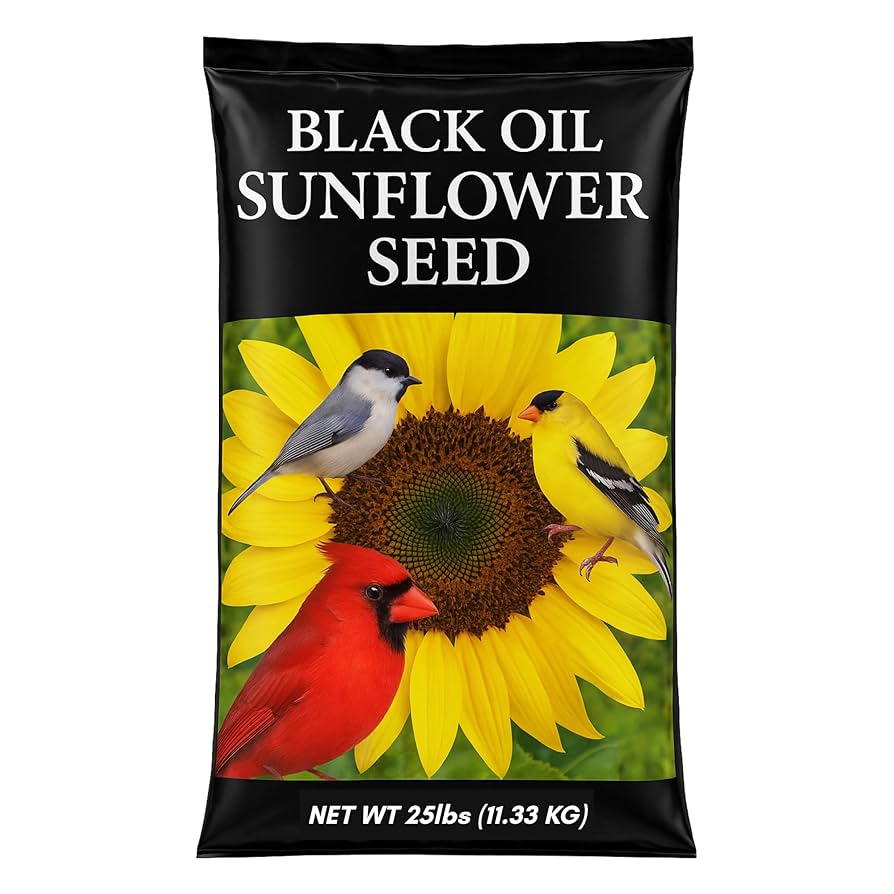
Have you ever wondered if the black oil sunflower bird seed you buy for your feathered friends can also grow into beautiful sunflowers in your garden? If you’re curious about turning that bird seed into a vibrant splash of color and life, you’re in the right place.
Imagine watching those tiny seeds you scatter for birds sprout into tall, radiant sunflowers right outside your window. You’ll discover the truth about planting black oil sunflower seeds, how to do it successfully, and the surprises you might encounter along the way.
Keep reading to unlock the secrets that could transform your garden and delight both you and your local wildlife.
Black Oil Sunflower Seeds Basics
Black oil sunflower seeds are popular among bird watchers and gardeners. These seeds have a thin shell and high oil content.
People often wonder if they can plant these seeds and grow sunflowers. Learning their characteristics and uses helps answer that question.
Seed Characteristics
Black oil sunflower seeds are smaller than striped types. They have a black shell that is thin and easy for birds to crack.
- High oil content helps birds gain energy
- Thin shells allow for quick germination if planted
- Seeds are flat and oval-shaped
- They are mostly used as bird food
Common Uses
These seeds are mostly grown to feed wild and pet birds. People scatter them in feeders or on the ground.
| Use | Description |
| Bird Feeding | Attracts many songbirds and wildlife |
| Planting | Can grow sunflowers in gardens or farms |
| Oil Production | Pressed for sunflower oil in some cases |
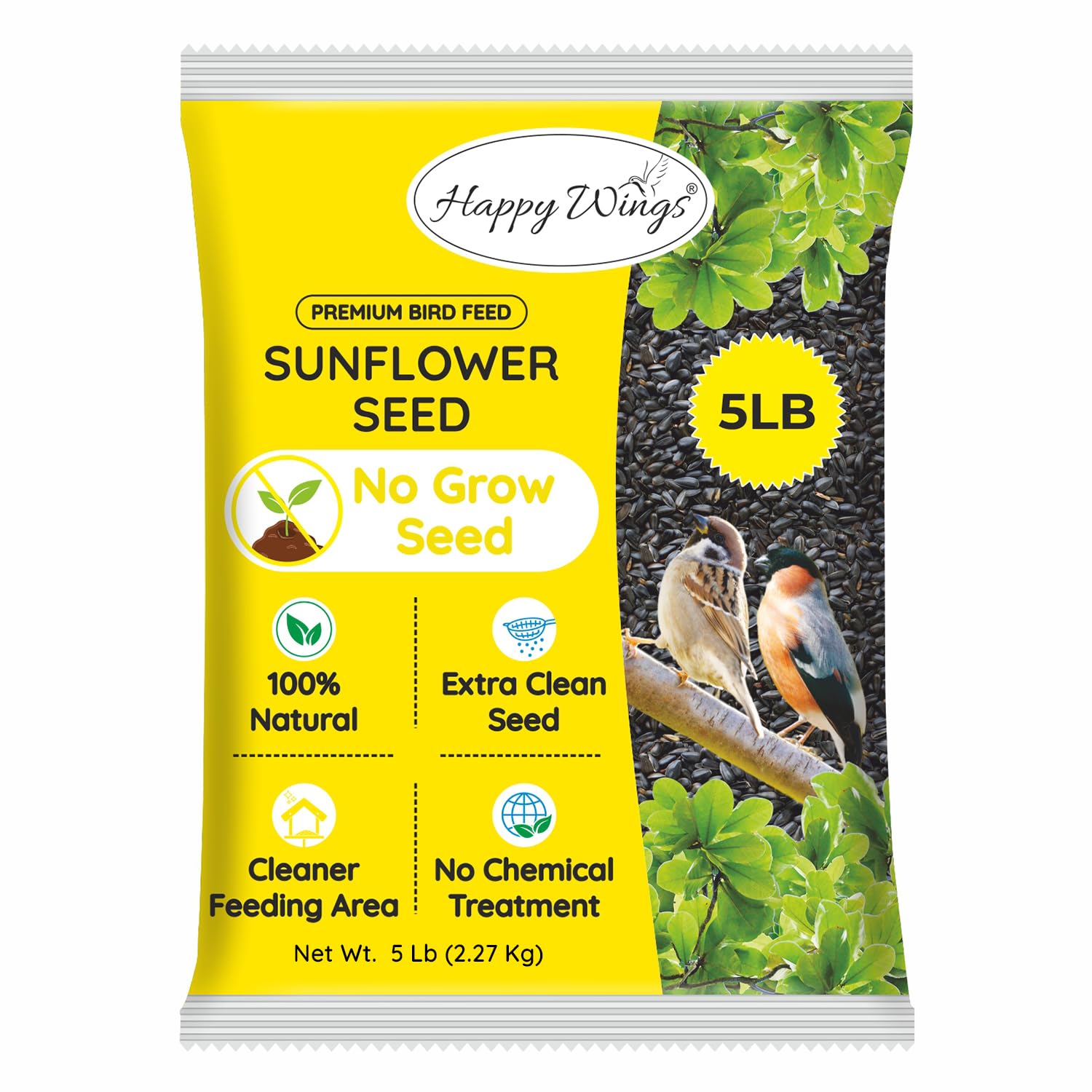
Credit: www.amazon.com
Planting Black Oil Sunflower Seeds
Black oil sunflower seeds are popular for bird feeding and growing beautiful sunflowers. Planting these seeds is simple if you follow the right steps. Good care helps your plants grow strong and healthy.
Use the right soil, plant at the right time, and space the seeds well. This guide covers soil preparation, best planting time, and how deep and far apart to plant the seeds.
Soil Preparation
Sunflowers grow best in loose, well-drained soil. Prepare your garden bed by removing weeds and rocks. Loosen the soil to a depth of about 12 inches to allow roots to grow easily.
- Clear the area of debris and weeds
- Loosen soil with a garden fork or tiller
- Add compost or organic matter to improve soil quality
- Check soil pH; sunflowers prefer a pH between 6.0 and 7.5
Best Planting Time
Plant black oil sunflower seeds after the last frost date in your area. Sunflowers need warm soil to sprout, ideally above 50°F (10°C). Early spring or late spring works well in most regions.
| Region | Ideal Planting Time |
| North | Late May to early June |
| South | March to April |
| West | April to May |
| East | Late April to May |
Planting Depth And Spacing
Plant the seeds about 1 to 1.5 inches deep. Space seeds 6 inches apart in rows that are 24 to 36 inches apart. This spacing helps the plants get enough sunlight and air.
Quick planting tips:
- Use a stick or finger to make holes 1 to 1.5 inches deep
- Place one seed per hole
- Cover seeds gently with soil
- Water the area lightly after planting
Growing Conditions
Black oil sunflower bird seed can grow well if given the right conditions. Understanding how to care for these seeds helps you get strong plants.
This guide covers sunlight, watering, and temperature needs for planting black oil sunflower seeds.
Sunlight Requirements
Black oil sunflower seeds need full sunlight to grow best. They should get at least six hours of direct sun each day. More sun helps the plants produce bigger flowers and seeds.
Watering Needs
These sunflowers need regular watering, but the soil should not stay soggy. Too much water can cause root problems. It is best to keep the soil moist but well-drained.
- Water the plants deeply once or twice a week.
- Increase watering during hot, dry periods.
- Avoid watering the leaves to reduce disease risk.
- Use mulch to keep soil moist longer.
Temperature Range
Black oil sunflower seeds grow well in warm temperatures. They do best between 70°F and 78°F (21°C to 26°C). Cooler temperatures can slow growth. Very high heat above 90°F (32°C) may stress the plants.
| Temperature | Effect on Growth |
| Below 50°F (10°C) | Seeds may not germinate well |
| 70°F to 78°F (21°C to 26°C) | Optimal growth and flowering |
| Above 90°F (32°C) | Plant stress and slower growth |

Credit: kaitsgarden.com
Germination And Growth
Black oil sunflower bird seed is more than just bird food. You can plant it to grow sunflowers in your garden. These seeds grow well if you give them the right care.
Understanding how black oil sunflower seeds germinate and grow helps you get better results. This guide covers the main points to watch for.
Expected Germination Time
Black oil sunflower seeds usually start to germinate quickly. You can expect sprouts to appear within a week. The soil should be warm and moist for best results.
If the soil is too cold or dry, germination may take longer. Keep the soil temperature around 70°F (21°C) for faster sprouting.
Early Seedling Care
After the seeds sprout, seedlings need gentle care. Water them regularly but do not overwater. The soil should stay moist but not soggy.
Make sure the seedlings get enough sunlight. They need at least 6 hours of sun daily. Thin the seedlings if they grow too close together.
- Water once a day or when soil feels dry
- Provide 6+ hours of sunlight
- Thin seedlings to 6-12 inches apart
Common Growth Stages
The sunflower plant grows in clear stages. After sprouting, leaves develop quickly. Then, the plant grows taller and forms flower buds.
Once flowers bloom, they attract birds and pollinators. The seed heads mature and produce seeds for the next planting cycle.
- Germination: 3-7 days
- Seedling: 2-3 weeks
- Vegetative growth: 4-6 weeks
- Flowering: 2-3 weeks
- Seed maturation: 3-4 weeks
Pests And Diseases
Planting black oil sunflower bird seed can grow healthy plants. Like all plants, sunflowers face pests and diseases. Knowing these problems helps you protect your crop.
Taking care of your sunflowers means spotting threats early. This guide covers common pests, prevention tips, and natural ways to keep plants safe.
Common Threats
Sunflowers often attract pests like aphids, caterpillars, and beetles. These bugs can eat leaves and seeds. Diseases like powdery mildew and rust also affect sunflowers.
- Aphids suck plant juices and weaken growth
- Caterpillars chew leaves and flower heads
- Beetles damage stems and flowers
- Powdery mildew causes white spots on leaves
- Rust creates orange or brown pustules on leaves
Prevention Tips
Good care helps keep pests and diseases away. Keep soil healthy and water plants properly. Remove weeds that host pests.
Plant sunflowers in a sunny spot with good airflow. Rotate crops yearly to stop disease build-up. Check plants often for early signs of trouble.
- Use well-drained soil and avoid overwatering
- Plant in full sun and space plants well
- Remove weeds and plant debris around sunflowers
- Rotate sunflower planting areas every year
- Inspect plants regularly for pests or spots
Natural Remedies
Use natural solutions to control pests and diseases. Insecticidal soap can reduce aphids. Neem oil works well against many bugs and fungi.
Encourage beneficial insects like ladybugs and lacewings. They eat harmful pests. Remove infected leaves to slow disease spread.
- Spray insecticidal soap on affected plants
- Apply neem oil to control insects and fungi
- Attract ladybugs and lacewings for natural pest control
- Prune and discard diseased leaves promptly
- Use companion plants like marigolds to repel pests

Credit: www.amazon.com
Harvesting And Uses
Black oil sunflower seeds are popular for bird feeding. You can also plant them to grow your own sunflowers. Knowing how and when to harvest helps you get the best seeds.
Growing your own sunflowers is rewarding. You can use the seeds for food, crafts, and feeding birds. Let’s explore the best times to harvest and how to use the seeds.
When To Harvest
Harvest sunflowers when the petals dry and fall off. The back of the flower head will turn brown. Seeds should be fully formed and black with white stripes.
Wait until the seeds are dry but before birds eat them. If weather is wet, harvest early to avoid mold. Cut the flower heads and hang them to dry if needed.
Seed Collection Tips
Wear gloves to protect your hands from prickly parts. Rub the seeds off the flower heads into a container. Remove any plant debris or damaged seeds.
- Use a mesh screen to separate seeds from debris
- Store seeds in a cool, dry place in an airtight container
- Label containers with the harvest date
Uses Of Homegrown Sunflowers
Homegrown sunflower seeds have many uses beyond planting. They provide fresh food for birds and wildlife. You can also use seeds for snacks or cooking oil.
- Feed birds during winter with fresh seeds
- Roast seeds for a healthy snack
- Use seeds to make homemade sunflower oil
- Decorate crafts with dried flower heads and seeds
Expert Tips And Tricks
Black oil sunflower bird seed is not only great for feeding birds. You can also plant it to grow sunflowers. This guide gives you easy tips for planting and caring for these seeds.
Follow these expert tips to get healthy plants and a good harvest. Learn how to avoid mistakes and grow sunflowers in a way that helps the environment.
Maximizing Yield
Plant black oil sunflower seeds in a sunny spot. Sunflowers need at least 6 hours of direct sunlight daily. Use well-drained soil for best results.
Space seeds about 6 inches apart. This gives each plant room to grow strong. Water the seeds regularly but avoid overwatering.
- Prepare soil by loosening it before planting
- Plant seeds 1 inch deep in soil
- Thin seedlings to 12-18 inches apart after sprouting
- Use mulch to keep soil moist and reduce weeds
Avoiding Common Mistakes
Do not plant black oil sunflower seeds too early in spring. Cold soil can stop seeds from growing. Wait until the soil warms to at least 50°F (10°C).
Avoid planting seeds too close together. Crowded plants compete for water and nutrients. Also, watch for pests and remove them early.
- Do not overwater; it can cause seed rot
- Avoid planting in heavy clay soil without improving drainage
- Check plants for insects like aphids and caterpillars
- Remove weeds that steal nutrients from seedlings
Sustainable Practices
Use natural compost to feed your sunflowers. Compost improves soil health without chemicals. This helps plants grow better and supports local wildlife.
Save seeds from mature sunflowers for next season. This reduces waste and lowers the need to buy new seeds. Plant flowers that attract pollinators near your sunflowers.
- Use organic mulch to keep soil moist
- Plant native flowers to support bees and butterflies
- Rotate planting spots each year to keep soil healthy
- Collect and store seeds in a dry, cool place
Frequently Asked Questions
Can Black Oil Sunflower Bird Seed Grow Into Plants?
Yes, black oil sunflower bird seed can grow into plants. The seeds are viable and germinate well in suitable soil and conditions. Plant them in well-drained soil with good sunlight for best results.
How To Plant Black Oil Sunflower Seeds?
Plant black oil sunflower seeds 1 to 2 inches deep in loose soil. Space seeds 6 to 12 inches apart. Water regularly and ensure they get full sun for healthy growth.
Are Black Oil Sunflower Seeds Good For Gardening?
Black oil sunflower seeds are excellent for gardening. They produce tall, vibrant sunflowers that attract pollinators and birds. They also improve soil health and add natural beauty to your garden.
Can You Grow Sunflowers From Bird Seed Indoors?
Yes, you can grow sunflowers indoors from bird seed. Use a pot with good drainage, plant seeds 1 inch deep, and place in a sunny spot. Keep soil moist until seedlings emerge.
Conclusion
Planting black oil sunflower bird seeds is possible and rewarding. These seeds can sprout into beautiful sunflowers, attracting more birds. It’s a simple way to enjoy nature’s beauty in your garden. Just ensure you have good soil and sunlight. Patience is key as you wait for them to grow.
Watching these sunflowers bloom can bring joy and life to any space. Plus, they’re a great source of food for birds. So, grab some seeds and start planting today. Enjoy the process and the vibrant results. Your garden will thank you.