Can You Plant Flowers in a Bird Bath? Simple & Smart Guide
Have you ever wondered if you can plant flowers in your bird bath? It’s a simple idea that could turn your garden into a beautiful, unique space.
Imagine bright blooms adding color where birds usually splash, creating a charming focal point. But is it practical? Will the plants thrive, or will it harm the bird bath’s purpose? Keep reading to discover how you can transform your bird bath into a stunning flower display without losing its charm.
You might be surprised by how easy and rewarding it can be!
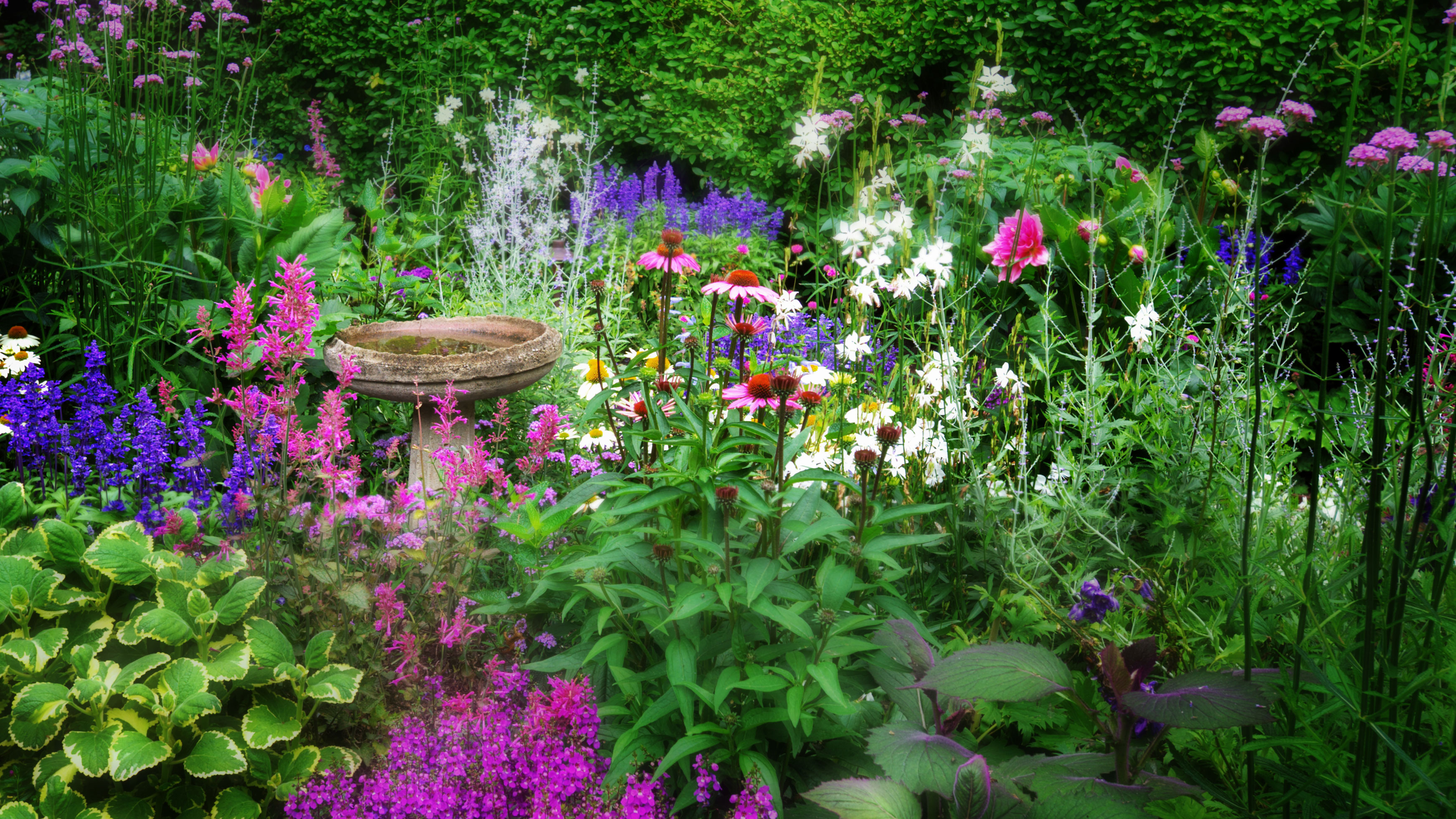
Credit: www.homesandgardens.com
Choosing The Right Bird Bath
You can plant flowers in a bird bath to create a unique garden feature. Picking the right bird bath is important for healthy plants and happy birds.
Think about the material, size, and where you place the bird bath. These factors help your flowers grow well and attract birds safely.
Materials That Work Best
Choose materials that hold water well and do not break easily. Some materials are better for planting flowers in a bird bath.
- Concrete: Strong and holds water for a long time.
- Ceramic: Attractive and good for small plants.
- Stone: Natural look and keeps soil moist.
- Metal: Durable but may heat up in the sun.
- Plastic: Lightweight but less natural and can fade.
Size And Depth Considerations
Pick a bird bath that is wide and not too deep. Flowers need space for roots and enough soil to grow.
Shallow bird baths can dry out quickly. A depth of 2 to 4 inches works well for many plants.
- Wide basin gives room for more flowers.
- Shallow depth prevents water from pooling too much.
- Good drainage holes help avoid water buildup.
Placement In Your Garden
Place the bird bath where it gets some sun and some shade. Flowers need sunlight but not too much heat.
Keep it near other plants to attract birds. Avoid windy spots to protect delicate flowers.
- Sunny morning light and afternoon shade is ideal.
- Near shrubs or trees for bird shelter.
- Easy to see and enjoy from your home.
Selecting Flowers For Bird Baths
Planting flowers in a bird bath adds charm and helps attract birds. Choosing the right flowers is important for their health and beauty.
Some flowers grow well in shallow water, while others need different care. Picking flowers that fit your bird bath environment makes them thrive.
Plants That Thrive In Shallow Water
Some plants grow naturally in wet or shallow water areas. These flowers do well in bird baths because they like moist soil or standing water.
- Water lilies
- Marsh marigold
- Pickerel weed
- Water forget-me-not
- Creeping Jenny
These plants help keep the bird bath cool and provide shelter for small birds and insects.
Colorful And Fragrant Options
Bright and fragrant flowers attract more birds and add beauty. Birds enjoy colorful petals and sweet smells.
- Lavender: purple and fragrant
- Marigold: bright orange and yellow
- Pansies: many colors and gentle scent
- Sweet alyssum: small white flowers and smell
- Snapdragons: colorful spikes
Choose flowers that bloom in your season for lasting color and scent.
Native Vs. Exotic Species
Native flowers grow naturally in your area and support local wildlife. Exotic flowers come from other places and may not suit local birds.
- Native plants attract native birds and insects better
- Native flowers need less care and water
- Exotic plants can add unique colors and shapes
- Some exotic plants may need more attention
- Check if exotic plants are safe and not invasive
Using mostly native flowers helps keep your garden healthy and lively.
Preparing The Bird Bath For Planting
Planting flowers in a bird bath can add beauty to your garden. You need to prepare the bird bath properly first. This will help your plants grow healthy and strong.
Start by cleaning and draining the bird bath. Then add soil and drainage layers. Finally, choose the right potting mix for your flowers.
Cleaning And Draining
Remove any old water and dirt from the bird bath. Use a scrub brush and mild soap to clean the surface well. Rinse thoroughly to avoid harming plants. Make sure the bird bath is dry before adding soil.
Adding Soil And Drainage Layers
Good drainage is key to healthy plants. Without it, roots can rot from sitting in water. Add a layer of small stones or gravel at the bottom of the bird bath. This helps water drain away from the roots.
- Clean the bird bath completely
- Add a 1-2 inch layer of small stones or gravel
- Place a layer of coarse sand over the stones
- Fill the rest with potting soil
Choosing The Right Potting Mix
| Potting Mix Type | Best For | Key Features |
|---|---|---|
| General Purpose | Most flowers | Good water retention, well-draining |
| Cactus Mix | Drought-tolerant plants | Fast draining, low moisture retention |
| Seed Starting Mix | Young seedlings | Fine texture, lightweight |
Choose a potting mix that fits your flower type. Most flowers do well in general-purpose soil. Make sure the mix drains well but holds some moisture. Avoid garden soil because it can be too dense.
Planting Techniques And Tips
Planting flowers in a bird bath can add charm to your garden. It creates a small, unique planter that attracts attention.
Using the right planting techniques helps flowers grow well and stay healthy in this unusual container.
Arranging Flowers Creatively
Choose flowers with different heights and colors for an eye-catching look. Place taller flowers in the center or back. Put shorter ones near the edges.
- Mix bright and soft colors for contrast
- Use round shapes to fit the bird bath’s form
- Add small decorative stones or moss around flowers
- Consider seasonal blooms to keep it fresh year-round
Combining Plants For Visual Appeal
Pair flowers with plants that have different leaf shapes and textures. This makes your bird bath garden more interesting to see.
| Plant Type | Example | Reason to Combine |
| Flowering | Petunias | Adds bright colors |
| Foliage | Ferns | Provides texture and green contrast |
| Trailing | Sweet Alyssum | Softens edges and spills over |
Watering And Maintenance
Water plants gently to avoid soil loss. Bird baths have little drainage, so avoid overwatering. Check soil moisture often.
Maintenance tips:
- Remove dead flowers to encourage new growth
- Clean the bird bath basin regularly to prevent mold
- Use light fertilizer monthly for healthy plants
- Move the bird bath to shade during hot afternoons
Attracting Wildlife With Flowered Bird Baths
Planting flowers in a bird bath can create a lively spot for wildlife. It adds color and attracts many animals.
Flowered bird baths offer food, water, and shelter. Birds and pollinators find these spots very inviting.
Encouraging Birds To Visit
Birds come to bird baths for water and safety. Flowers near or inside the bath make it more attractive.
Choose plants that provide cover and food. Birds like places where they can drink and hide easily.
- Use shallow flowers that don’t block water
- Add low-growing plants for hiding spots
- Keep water clean for bird health
Supporting Pollinators
Flowered bird baths help pollinators like bees and butterflies. These insects need water and flowers to thrive.
Select flowers with nectar and pollen. Pollinators will visit for food and water in the bird bath.
- Plant native flowers that attract local pollinators
- Choose a variety of colors and shapes
- Keep water shallow for safe drinking
Balancing Plant And Wildlife Needs
It is important to balance plants and wildlife in bird baths. Too many plants can block water access.
Select plants that do not crowd the bath. Keep water clean and refill often for animals to drink.
- Use small or floating plants to save space
- Remove dead leaves to prevent water dirtiness
- Check plants regularly to keep water clear

Credit: www.aol.com
Creative Design Ideas
Planting flowers in a bird bath can add charm to your garden. It turns a simple bird bath into a colorful centerpiece.
Use different flower arrangements to create unique looks. This makes your outdoor space feel fresh and lively.
Floating Flower Arrangements
Place small flowers or petals that float on the water. This adds a delicate and natural touch to your bird bath.
Use flowers like daisies, marigolds, or pansies. They float well and look bright on the water surface.
- Fill the bird bath with clean water.
- Gently place flowers or petals on top.
- Change water and flowers every few days.
Layered Plant Displays
Use the bird bath basin to plant small flowers or succulents in layers. This creates a textured and full look.
Start with soil at the base. Add plants with different heights and colors for interest.
- Choose shallow-rooted flowers like violets or moss.
- Place taller plants in the center or back.
- Add trailing plants at the edges to soften the look.
Seasonal Flower Rotations
Change the flowers in your bird bath according to the seasons. This keeps your garden colorful all year.
Pick flowers that bloom well in each season. This makes sure your display stays fresh and healthy.
- Spring: Tulips, daffodils, and hyacinths.
- Summer: Petunias, zinnias, and marigolds.
- Fall: Chrysanthemums and asters.
- Winter: Pansies and ornamental kale.
Common Challenges and Solutions
Planting flowers in a bird bath can brighten your garden. It also creates a small water feature for birds. Yet, growing plants there comes with some challenges. Understanding these issues helps you keep your plants healthy and the bird bath clean.
This guide covers common problems such as algae, pests, and plant care. It offers simple solutions to make your bird bath garden thrive.
Preventing Algae Growth
Algae grows quickly in standing water and can harm your plants. It makes the water green and slippery. To stop algae, keep the water fresh and limit sunlight on the bird bath.
- Change the water every few days
- Place the bird bath in a shaded spot
- Use natural algae preventers like barley straw
- Clean the bird bath regularly with a brush
Dealing With Pests
Insects and bugs can damage your flowers. Some pests may breed in water. Watch for signs of pests like holes in leaves or sticky residue.
| Pest | Problem | Solution |
| Aphids | Eat leaves and stems | Spray water or insecticidal soap |
| Mosquitoes | Lay eggs in water | Change water often and add mosquito dunks |
| Snails | Chew on flowers | Handpick or use snail traps |
Keeping Plants Healthy
Plants in bird baths need good care. The water level should not drown roots. Choose flowers that like moist soil but not too wet.
- Use well-draining soil or gravel at the base
- Remove dead leaves and flowers often
- Water carefully to keep soil moist but not soaked
- Choose native or water-tolerant plants
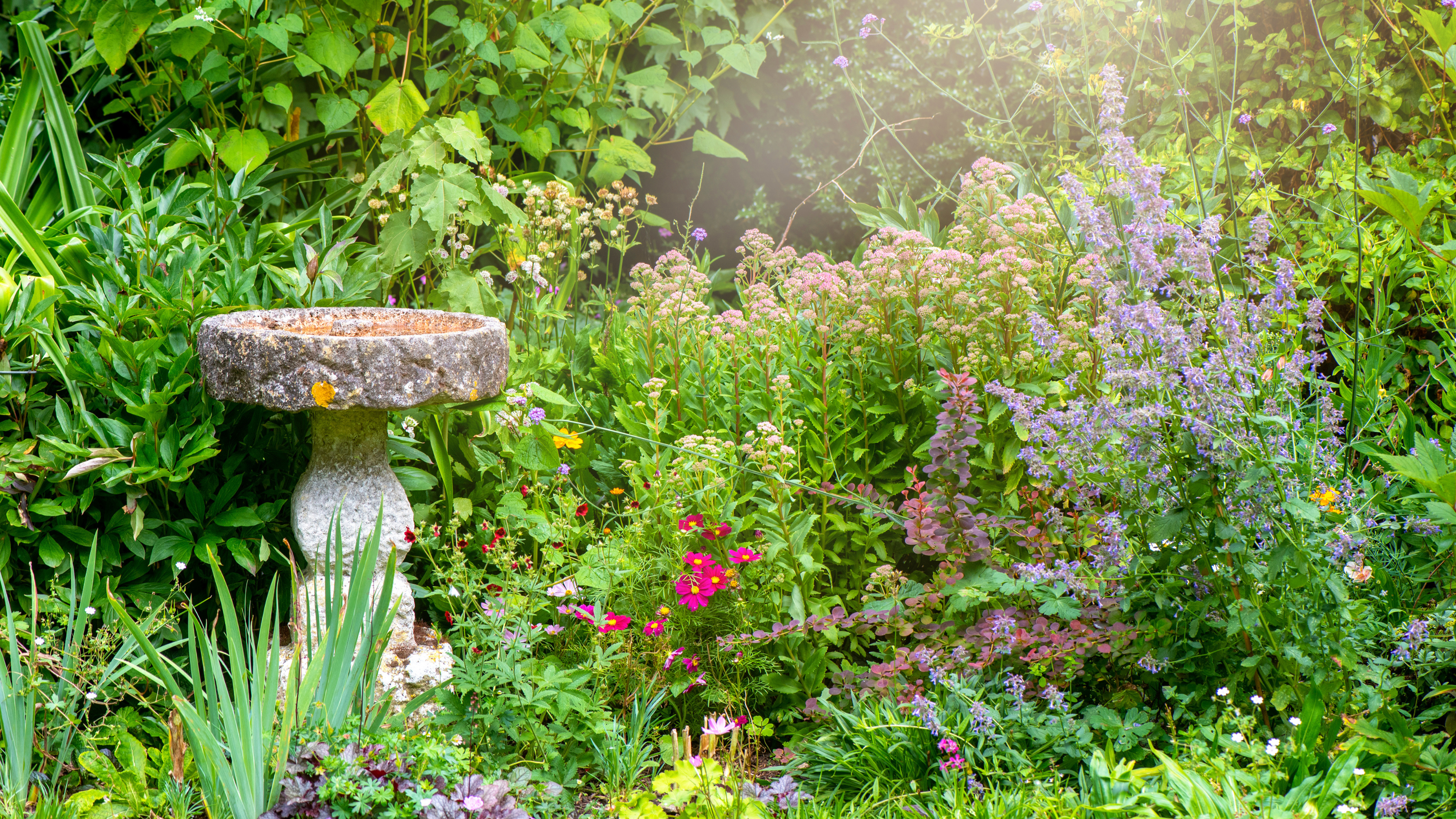
Credit: www.idealhome.co.uk
Frequently Asked Questions
Can You Grow Flowers Directly In A Bird Bath?
Yes, you can grow flowers in a bird bath. Use lightweight soil and select small, shallow-rooted plants. Ensure proper drainage to avoid waterlogging and promote healthy growth.
What Flowers Thrive Best In A Bird Bath Garden?
Succulents, small annuals, and some herbs thrive well in bird baths. Choose drought-tolerant plants that require minimal soil and water for best results.
How To Prepare A Bird Bath For Planting Flowers?
Clean the bird bath thoroughly and add drainage holes if needed. Use a layer of gravel or small stones before adding soil to prevent root rot.
Will Planting Flowers In A Bird Bath Harm Birds?
No, planting flowers in a bird bath does not harm birds. It can provide additional habitat and attract pollinators, enhancing your garden’s ecosystem.
Conclusion
Transforming a bird bath into a flower pot is simple and creative. It beautifies your garden and attracts birds. Choose flowers that thrive in shallow soil. Add good quality soil and provide proper drainage. Water regularly to keep flowers healthy.
This unique idea combines beauty and function. Enjoy the vibrant colors and delightful bird visits. Creating a flower-filled bird bath is a rewarding garden project. It’s an easy way to enhance your outdoor space. A perfect blend of nature and creativity.
Go ahead, try planting flowers in your bird bath today!