Have you ever wondered if the sunflower seeds you buy as bird food can grow into beautiful sunflowers in your garden? It’s a question many gardeners and bird lovers ask.
You might be surprised to learn that not all bird food seeds are meant to be planted. But what if some of those seeds could brighten your yard with tall, golden blooms? Keep reading to discover the truth about planting sunflower seeds from bird food, and find out how you can turn those simple seeds into a stunning garden display.
Your next gardening success might be just a seed away!

Credit: www.reddit.com
Types Of Bird Food Sunflower Seeds
Sunflower seeds are popular bird food. You can also plant some of these seeds. There are different types of sunflower seeds used for feeding birds.
Knowing the types helps you pick the right seeds for planting or feeding. Some seeds grow well, while others do not.
Black Oil Sunflower Seeds
Black oil sunflower seeds have thin shells and high oil content. Birds like them because they are easy to crack open. These seeds also germinate well if you plant them.
They come from a plant bred for bird feeding and oil production. These seeds are best for growing sunflowers in your garden.
Striped Sunflower Seeds
Striped sunflower seeds have a thicker shell than black oil seeds. They are often found in mixed bird seed blends. These seeds are harder for birds to open but store well.
Striped seeds come from sunflower varieties grown mainly for human snacks and oil. They usually do not sprout well if you plant them.
Seed Quality And Viability
| Seed Type | Shell Thickness | Planting Success | Common Use |
|---|---|---|---|
| Black Oil | Thin | High | Bird food and planting |
| Striped | Thick | Low | Bird food blends, snacks |
Seed quality affects if the seeds will grow. Fresh seeds with no damage have better chances. Seeds treated with chemicals or roasted will not sprout.
- Check seed freshness before planting
- Avoid seeds with cracks or holes
- Do not plant roasted or treated seeds
- Store seeds in a cool, dry place
Germination Potential Of Bird Food Seeds
Many people wonder if they can plant sunflower seeds from bird food. These seeds often look like regular sunflower seeds. But their ability to sprout and grow varies.
Bird food seeds may not always germinate well. This depends on how the seeds were treated, stored, and tested before planting.
Seed Treatment And Coatings
Some bird food seeds have coatings or treatments to keep birds safe. These coatings can stop seeds from sprouting. Chemicals may also be added to prevent mold or pests.
Coated seeds need special care if you want to plant them. Removing coatings or using untreated seeds improves germination chances.
- Seed coatings protect seeds but may block sprouting.
- Treated seeds might contain chemicals harmful to seedlings.
- Untreated seeds have better chances to germinate.
Impact Of Storage Conditions
Storage conditions affect seed life and sprouting power. Seeds kept in a dry, cool place stay alive longer. Heat, moisture, and sunlight reduce seed viability.
Bird food seeds may sit on shelves for months or years. This lowers their ability to sprout when planted.
- Keep seeds dry to avoid mold and rot.
- Cool temperatures slow seed aging.
- Sunlight and heat damage seed cells.
Viability Testing Methods
Testing seed viability helps know if seeds will grow. A simple test is to place seeds on a wet paper towel. Keep it warm and check for sprouts after a few days.
Counting how many seeds sprout shows their germination rate. This helps decide if bird food seeds are worth planting.
- Place seeds on a moist paper towel.
- Keep in a warm spot for 5 to 7 days.
- Count how many seeds sprout to find germination rate.
Preparing Seeds For Planting
Planting sunflower seeds from bird food can be a fun and rewarding project. Before planting, you need to prepare the seeds properly to help them grow well.
Preparing seeds includes cleaning, sorting, and sometimes soaking them. These steps improve germination and plant health.
Cleaning And Sorting Seeds
Bird food often contains broken seeds, debris, and other small particles. Cleaning the seeds removes unwanted materials that can cause problems.
Sorting the seeds helps you choose the largest and healthiest ones. These seeds have a better chance of sprouting strong sunflower plants.
- Pour bird seed onto a flat surface or tray.
- Remove small pieces, dust, and empty shells.
- Pick out seeds that look full and firm.
- Discard cracked, shriveled, or damaged seeds.
Soaking And Pre-germination Techniques
Soaking sunflower seeds softens their shells and starts the germination process. This helps seeds sprout faster when planted.
Pre-germination means letting seeds start to grow before planting. It helps you see which seeds are alive and ready to grow.
- Place cleaned seeds in a bowl of warm water.
- Soak for 8 to 12 hours, but not longer than 24 hours.
- Drain the water and spread seeds on a damp paper towel.
- Keep the towel moist and warm for 2 to 3 days.
- Check daily for tiny sprouts to appear.
- Plant only seeds with visible sprouts.

Credit: www.reddit.com
Planting Best Practices
Planting sunflower seeds from bird food can be rewarding. You must prepare well for good growth.
Sunflowers need the right soil, depth, and care to bloom strong and healthy.
Ideal Soil And Location
Sunflowers grow best in soil that drains well. They like soil that is loose and not too heavy.
Choose a spot with full sun. Sunflowers need at least six hours of sunlight every day.
- Use soil with good drainage
- Pick a sunny place in your garden
- Avoid areas with too much shade
- Mix compost into soil to add nutrients
Planting Depth And Spacing
Plant seeds about 1 to 1.5 inches deep in the soil. Do not plant too deep or too shallow.
Space seeds 6 to 12 inches apart. This gives each plant room to grow big and strong.
- Plant seeds 1 to 1.5 inches deep
- Leave 6 to 12 inches between seeds
- Thin seedlings if they grow too close
Watering And Care Tips
Water sunflowers well after planting. Keep the soil moist but not soaked.
Once plants grow, water deeply but less often. This helps roots grow strong and healthy.
- Water seeds right after planting
- Keep soil moist during germination
- Water deeply once plants are growing
- Avoid overwatering to prevent root rot
Common Challenges And Solutions
Planting sunflower seeds from bird food can be tricky. These seeds are not always meant for growing plants.
Knowing common problems helps you grow healthy sunflowers. Here are some challenges and how to fix them.
Pests And Diseases
Sunflower seeds from bird food may carry pests or diseases. These can harm young plants quickly.
Watch out for insects like aphids and caterpillars. Fungal diseases can also affect leaves and stems.
- Check seeds for damage before planting.
- Use natural insect repellents like neem oil.
- Water plants at the base to avoid leaf fungus.
- Remove infected plants to stop spread.
Poor Germination Causes
Seeds from bird food may not sprout well. They often are old or damaged.
Soil conditions also affect germination. Seeds need warmth and moisture to grow.
- Use fresh seeds if possible.
- Soak seeds in water for 12 hours before planting.
- Plant in well-draining soil with good sunlight.
- Keep soil moist but not wet.
Improving Growth Success
Good care helps sunflowers grow strong. Choose a sunny spot with rich soil.
Fertilize plants with a balanced fertilizer. Thin seedlings so they have space to grow.
- Plant seeds 1 inch deep and 6 inches apart.
- Water plants early in the day.
- Use mulch to keep soil moist and cool.
- Support tall plants with stakes if needed.

Credit: www.reddit.com
Benefits Of Growing From Bird Food Seeds
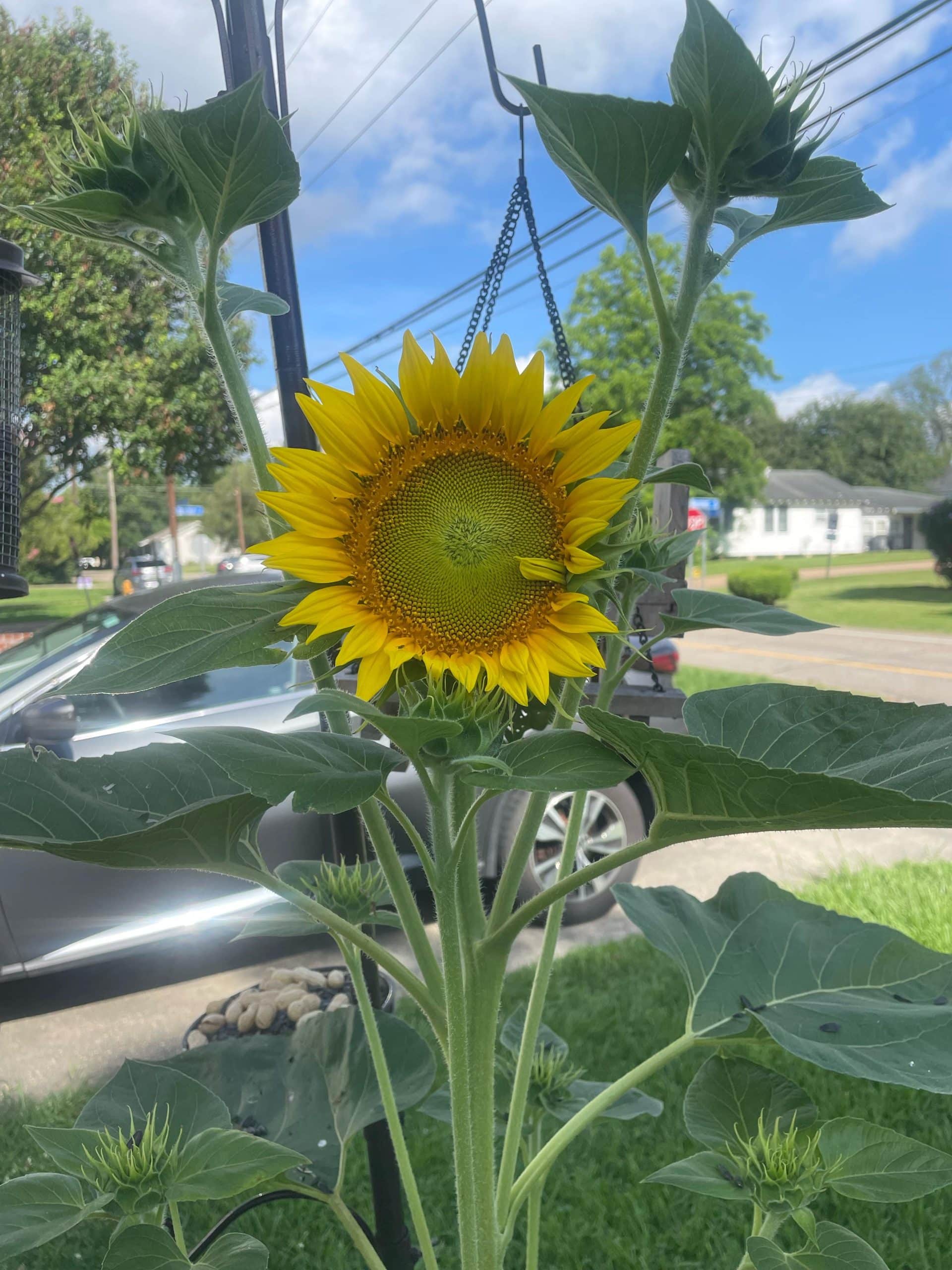
Planting sunflower seeds from bird food is an easy and fun way to grow flowers. Many bird food mixes contain sunflower seeds that can sprout well in your garden.
Using these seeds helps you save money and reduce waste. It also gives you a chance to learn about nature and gardening in a simple way.
Cost-effectiveness
Bird food seeds are usually cheaper than buying special gardening seeds. You can start planting without spending a lot of money.
Many people already have bird food at home, so they can use it to grow sunflowers without extra cost.
- No need to buy expensive seed packets
- Use leftover bird food seeds for planting
- Plant many seeds for a low price
Environmental Impact
Growing sunflowers from bird food helps reduce waste. Instead of throwing unused seeds away, you give them new life as plants.
Sunflowers support bees and other pollinators. They improve your garden's health and help local wildlife.
- Reduces seed waste
- Supports pollinators like bees and butterflies
- Creates a natural habitat in your garden
Educational And Fun Gardening
Planting sunflower seeds from bird food is a great way to learn about plants. Children and adults can watch the seeds grow into tall flowers.
This activity teaches patience and care. It can be a fun project for families or classrooms to enjoy together.
- Simple for kids to understand and do
- Shows how plants grow step-by-step
- Encourages outdoor activity and learning
Frequently Asked Questions
Can You Grow Sunflowers From Birdseed?
Yes, you can grow sunflowers from birdseed. However, some birdseed mixes contain treated seeds that won't germinate. Choose black oil sunflower seeds for the best results, as they are usually untreated and ideal for planting.
Are Bird Food Sunflower Seeds Viable For Planting?
Bird food sunflower seeds can be viable if untreated. Avoid seeds with coatings or chemicals, as these won't sprout. Check packaging or buy raw black oil sunflower seeds specifically labeled for planting.
How Long Does It Take For Sunflower Seeds From Bird Food To Sprout?
Sunflower seeds from bird food typically sprout within 7 to 10 days. Proper soil, warmth, and moisture speed up germination. Avoid overwatering or planting too deep for best growth.
What Soil Is Best For Planting Sunflower Seeds From Bird Food?
Sunflowers grow best in well-draining, loose soil rich in organic matter. A slightly acidic to neutral pH (6. 0-7. 5) is ideal. Avoid heavy clay or overly compacted soils for healthy root development.
Conclusion
Planting sunflower seeds from bird food is simple and fun. Many people enjoy seeing these bright flowers in their garden. It's a cost-effective way to make use of leftover seeds. Ensure seeds are not treated with chemicals. This could harm their growth.
Choose a sunny spot for planting. Sunflowers love sunlight. Water them regularly but don't overdo it. Watch them grow and enjoy their beauty. This activity can be a delightful project for families. It's a great way to enjoy nature and learn more about plants.
Happy gardening!