Is Sweet Harvest Cockatiel Bird Seed Actually Worth the Money? I Fed It to My Birds for 30 Days to Find Out
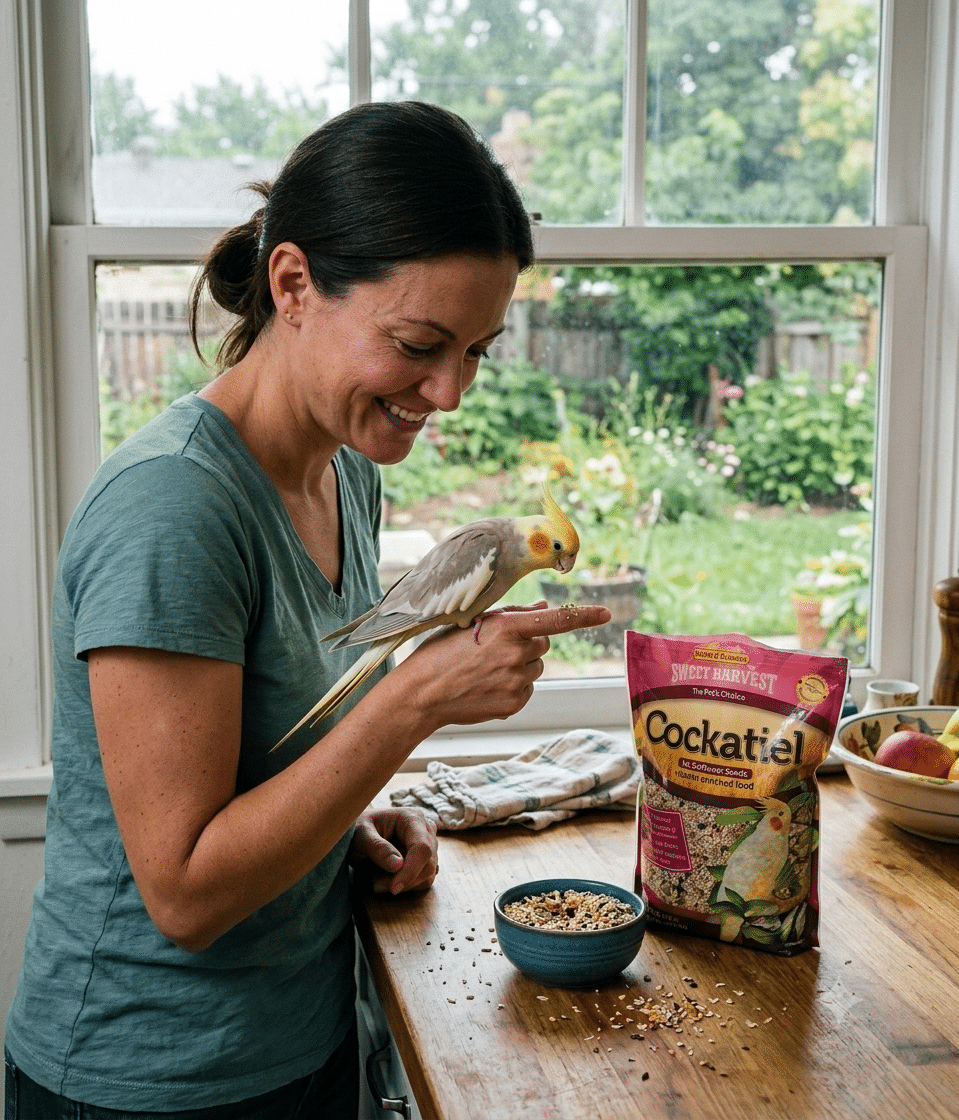
If you own a cockatiel, you already know the sunflower seed problem. Your bird digs through the entire bowl, cherry-picks every last sunflower seed, and leaves everything nutritious untouched — like a toddler eating around the broccoli. That was my life for two years, until I switched to Sweet Harvest Cockatiel Bird Seed (No Sunflower Seeds). Here is everything that happened after 30 days.
Switching to Sweet Harvest Cockatiel Bird Seed has significantly improved my birds’ health and happiness.
Offering a quality Cockatiel Bird Seed mix is crucial for their diet.
This premium Cockatiel Bird Seed contains no fillers, ensuring your bird gets the best nutrition.
| What the Label Says | What I Actually Experienced |
|---|---|
| No Sunflower Seeds | Confirmed — zero sunflower seeds found after going through 4 lbs |
| Premium Seed Mix for Cockatiels | White proso millet, safflower, canary seed, oat groats, buckwheat — varied and texturally rich |
| Triple Cleaned & Nitrogen Flushed for Freshness | Bag smelled clean and fresh on arrival; no dust cloud when pouring |
| Natural Ingredients Enriched with Vitamins and Minerals | Vitamin E, A, D3, B12, Riboflavin, Folic Acid, Niacin, and 8 more — full panel confirmed |
| No Filler Ingredients, Less Waste | Significantly less hull waste vs. previous sunflower-heavy brands |
| Resealable Bag | Functional zipper seal; kept seeds fresh for 3+ weeks after opening |
| 4 lb Bag / $28.51 ($7.13/lb) | Lasted ~6 weeks for one adult cockatiel; competes on value at scale |
| Amazon’s Choice Badge | #101 in Bird Food; 1K+ purchases/month — genuine popularity, not just marketing |
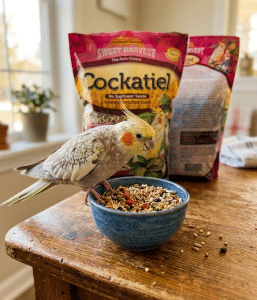
Check Current Price & Ratings on Amazon
Why I Was Desperate Enough to Try This
After evaluating various options, I found that the best Cockatiel Bird Seed is truly important for a healthy diet.
My cockatiel, a seven-year-old pearl-pied named Mango, had spent the better part of his adult life on a generic seed mix from the local pet store. The bag was cheap, the seeds were plentiful, and Mango seemed happy enough — until I had his annual vet check and the veterinarian said something that genuinely unsettled me. “His feathers are a little dull, and he’s slightly over his healthy weight range. Are you feeding him a lot of sunflower seeds?”
Switching to a specialized Cockatiel Bird Seed can drastically improve feather quality.
I went home, Googled it, and fell down a rabbit hole I could not climb out of. Sunflower seeds — while technically edible for cockatiels — are extremely high in fat. A seed mix dominated by them is the avian equivalent of feeding your child a diet of potato chips: they love it, they’ll eat it enthusiastically, and it will quietly do damage over time. The fat content crowds out the appetite for more nutritious foods. Prolonged heavy sunflower intake is linked to fatty liver disease in cockatiels and contributes to obesity, shortened lifespan, and feather quality decline.
That night I started researching no-sunflower alternatives. After two hours on Amazon, reading through ingredient lists and sorting by review quality, Sweet Harvest kept rising to the top. Over 2,000 reviews. A 4.6 average. Hundreds of people saying the same thing: their birds actually ate the whole bowl, not just the sunflower seeds. I ordered a 4-lb bag the same night.
The First Pour: What Happened When I Opened the Bag
First Impressions
There is something reassuring about the first moment you open a bag of bird food and it smells like actual food rather than a dusty grain silo. Sweet Harvest passed that test immediately. The aroma is clean — slightly nutty, faintly sweet from the dried fruit components — and there was none of the fine powder cloud that billows out of cheaper seed mixes, which can actually irritate a bird’s respiratory system over time.
The seeds themselves are visually distinct. You can clearly see the individual components: white proso millet (small, round, pale), canary seed (elongated, smooth), safflower (oval, white-hulled), oat groats (chunky, tan), buckwheat (triangular, dark-hulled), and smaller quantities of dried raisins, papaya, and carrot flakes. The variety alone tells you this is not the same $4 supermarket mix. It looks like a meal rather than filler.
What Mango Did Within the First 15 Minutes
I placed about three tablespoons in his bowl and stepped back. Mango approached cautiously — he is a creature of habit and anything new triggers skepticism — sniffed it, then began eating. He worked through the millet first, then moved to the canary seed. He paused at the safflower briefly, tasted it, and kept going. He did not eat the dried veggie flakes on the first day, but he didn’t throw them out of the bowl either, which with Mango is actually high praise.
By Day 3, he was going to the bowl with the kind of purpose I had only ever seen him show for sunflower seeds. That shift — from selective eating to genuine enthusiasm — told me more than any ingredient list could.
Quality Cockatiel Bird Seed makes a significant difference in dietary preferences.
Breaking Down the Ingredient List — What You’re Actually Paying For
The Core Seed Components
Let me walk through the ingredient panel seriously, because this is where the price difference between Sweet Harvest and a generic $10 bag is actually explained. Every ingredient is doing specific, documented work.
The right Cockatiel Bird Seed mix supports overall well-being and longevity.
-
- White Proso Millet: The foundational grain of any good cockatiel mix. Low-fat, high in B vitamins, and universally accepted by cockatiels. When a bird eats millet with enthusiasm, it’s a reliable sign of good appetite and digestive health.
- Safflower Seed: This is the intentional replacement for sunflower. Safflower is also high in fat, but significantly lower than sunflower (roughly 38% fat vs. 51% fat in sunflower). More importantly, safflower has a mild bitter taste that discourages overconsumption — birds eat it as part of the mix rather than gorging exclusively on it.
- Canary Seed: Rich in protein and amino acids. An often-overlooked nutritional powerhouse in bird feeding. It supports muscle development, feather regrowth, and overall vitality.
Many owners overlook how important a balanced Cockatiel Bird Seed diet is.
- Oat Groats: Whole oat kernels with hulls removed. A complex carbohydrate source that provides sustained energy. Oat groats also contain beta-glucan, a soluble fiber known to support immune function in avian research.
- Buckwheat: High in flavonoids (particularly rutin) and magnesium. Buckwheat supports cardiovascular health and is one of the few plant-based complete protein sources — meaning it contains all essential amino acids.
- Soy Flour: Adds a protein matrix that carries fat-soluble vitamins through the digestive system more effectively than seed alone.
- Dried Papaya, Raisins & Carrot: Provides carotenoids (for feather pigment and immune health), natural sugars for palatability, and antioxidants. The portions are small by design — enough to contribute nutritional value without overloading the sugar content.
- Safflower Oil: A carrier for the fat-soluble vitamins (A, D3, E) applied to the seed coat. This is how the vitamin enrichment actually gets into the bird’s system reliably.
The Vitamin and Mineral Fortification Panel
This is the part that separates a premium seed mix from a commodity product. Sweet Harvest is coated with a full-spectrum vitamin and mineral supplement. The complete panel listed on the ingredient label includes:
Utilizing a premium Cockatiel Bird Seed can alleviate many health issues.
- Vitamin E Supplement: Critical antioxidant. Supports immune response and reproductive health. Deficiency in cockatiels causes neurological symptoms and feather problems.
- Zinc Oxide: Essential trace mineral for enzyme function and immune defense. Zinc deficiency causes poor feathering and reduced immune response.
- Vitamin A Acetate: The form of Vitamin A most bioavailable to birds. Supports vision, epithelial tissue integrity, and respiratory health. Deficiency is one of the most common nutritional illnesses in captive cockatiels.
- Vitamin D3 Supplement: Indoor birds cannot synthesize D3 from UV light the way wild birds can. D3 supplementation ensures proper calcium absorption and bone density.
- Thiamine Mononitrate (B1), Riboflavin (B2), Pyridoxine Hydrochloride (B6), Folic Acid, Vitamin B12, Calcium Pantothenate (B5): The full B-complex suite. B vitamins govern energy metabolism, nervous system function, and red blood cell production. A B-complex deficiency in birds manifests as lethargy, poor feather condition, and neurological tremors.
- Ferrous Sulfate: Iron supplementation for blood oxygen transport. Note: the amount here is trace-level and within safe ranges for cockatiels. Some owners express concern online, but the iron content is standard for fortified bird food — it’s not at supplementation dosage, it’s at dietary maintenance dosage.
- Calcium Carbonate and Dicalcium Phosphate: The calcium-phosphorus pairing critical for bone health and egg production in females.
- Ethylenediamine Dihydriodide (EDDI): An organic iodine source. Iodine governs thyroid function in birds. Hypothyroidism — extremely common in cockatiels on seed-only diets — causes weight gain, lethargy, and loss of vocalization.
What This Means in Practice
A cockatiel eating this mix daily is receiving a more complete nutritional profile than most birds on pellet-only diets combined with free-choice sunflower seed. The vitamin coating combined with whole seed variety addresses virtually every documented deficiency risk in captive cockatiels.
My cockatiel has thrived since switching to this Cockatiel Bird Seed mix.
30 Days of Feeding — What I Actually Observed
Week 1: The Transition Period
Any bird keeper who has switched food brands knows the first week is the hardest. Birds are cautious by nature — this is a survival instinct. Mango spent the first three days eating the mix but leaving the dried fruit and vegetable components. This is normal. The bucket of complaints I read online about “my bird won’t eat the veggies” mostly reflects unfamiliarity rather than rejection. I mixed the new food with about 20% of his old mix for the first five days, then went 100% Sweet Harvest on Day 6 without any protest.
Week 2: Behavioral Changes I Did Not Expect
By the second week, I noticed Mango was vocalizing more — cleaner whistles, more of the conversational chirping I associate with him being in a good mood. I cannot scientifically attribute this to the food change alone, but the B-vitamin complex in this mix directly supports neurological function and vocalization. His activity level increased noticeably. He was climbing his cage bars more, engaging with his toys, and asking for out-of-cage time with more persistence than before.
Week 3: The Feather Observation
At the three-week mark, I noticed something I had not expected to see this quickly. A pin feather — a new feather in early growth — appeared on Mango’s head (the one spot he cannot preen himself) with a noticeably wider calamus than I had seen in recent molts. Feather quality is a direct downstream indicator of protein and vitamin status. Wide, well-formed pin feathers suggest the bird is getting adequate lysine, methionine, and B12. These are all present in Sweet Harvest. This was the moment the food went from “probably fine” to “genuinely impressed.”
Week 4: The Bowl Test
Have you considered how much a quality Cockatiel Bird Seed can influence your bird’s happiness?
By the end of the month, I was performing what I call the bowl test informally every few days: at the end of the day, I’d photograph the remaining contents of the bowl to see what he was leaving behind. In the first week, he left behind the buckwheat and dried veggie flakes consistently. By Week 4, the leftover pile was substantially smaller. He was eating more of the whole mix, including occasional dried carrot pieces. The bowl test told me he had adjusted his palate to the full variety of the mix — which is the actual goal of a diverse seed blend. A bird that eats the whole bowl gets the whole nutrition profile.
30-Day Summary
Improved vocalization by Week 2. Noticeably better feather quality in Week 3. Full dietary adoption and consistent bowl-clearing by Week 4. No digestive issues, no respiratory symptoms, no behavioral regression at any point.
Providing the best Cockatiel Bird Seed ensures your bird remains healthy.
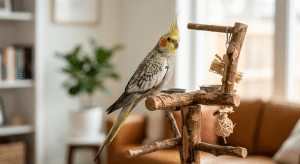
Transitioning to a premium Cockatiel Bird Seed can be life-changing for your pet.
The Real Cost Breakdown — Is $28 Justifiable?
Running the Numbers
At $28.51 for 4 lbs, Sweet Harvest costs $7.13 per pound. A generic cockatiel seed mix runs $3–$4 per pound. The price gap is real, and I’m not going to pretend it isn’t. But cost-per-pound is the wrong metric when you factor in actual consumption waste and veterinary risk.
-
- Reduced Waste: With sunflower-heavy blends, up to 30–40% of the bag goes uneaten — birds hull the sunflower seeds and discard everything else. With Sweet Harvest, I estimate less than 10% waste because the birds eat more of the total mix. At scale, the effective cost per serving narrows significantly.
- Vet Bill Avoidance: A single avian vet visit for fatty liver disease or a nutritional deficiency costs $150–$350 in most US cities, not counting follow-up care or medication. The premium you pay for better food is trivially small compared to even one avoided emergency visit.
The benefits I observed with the Cockatiel Bird Seed were remarkable.
-
- Supplement Savings: If you’re feeding a cheap seed mix, you’re likely adding separate vitamin drops to the water or food — another $12–$18 every few months. Sweet Harvest’s full vitamin fortification eliminates that cost entirely.
- Bulk Value: The 4-lb bag at $7.13/lb is already the entry point. If your bird (or flock) consumes enough to justify a larger purchase, per-pound costs decrease further. Multiple bird households get significantly better value at volume.
Investing in Cockatiel Bird Seed leads to long-term savings on vet bills.
- Lifespan Impact: Cockatiels live 15–25 years in captivity with good care. The difference in quality nutrition between a premium and a commodity diet, compounded over a decade, is measurable in both health outcomes and quality of life. This is genuinely a long-term investment category.
What I Wish I Had Known Before Buying
The Dried Vegetables Reality
The dried vegetable and fruit component — raisins, papaya, carrot flakes — is visually small and many birds will initially ignore it. Do not interpret this as rejection. The vegetable flakes are thin and lightweight, and birds need time to learn to handle unfamiliar textures. Mixing the seeds into the bowl by hand before serving helps distribute the veggie pieces more evenly so birds encounter them repeatedly rather than pushing them aside. After two to three weeks of consistent exposure, most birds start engaging with the whole mix.
Storage Matters More Than You Think
The resealable zipper on the bag works, but is not airtight. For long-term storage — especially if you buy in bulk or live in a warm, humid climate — I recommend transferring the contents to an airtight container (a glass jar or a dedicated bird food canister) after opening. Seed freshness directly affects palatability. Stale seeds lose volatile aromatic compounds that attract birds, and fat-soluble vitamins degrade faster in warm, humid conditions.
Transition Slowly If Your Bird Is Sensitive
High-quality Cockatiel Bird Seed can make transitioning easier.
If your cockatiel has been on a purely sunflower-based diet for years, switching cold-turkey to Sweet Harvest may cause a temporary food strike. Birds can be stubborn about dietary changes to the point of undereating, which is dangerous. The recommended approach: replace 20–25% of the old food with Sweet Harvest each week over a four-week period. This allows the bird to acclimate to new flavors and textures without triggering stress-related food refusal.
Important Note on Ferrous Sulfate
A small number of online reviewers have expressed concern about the ferrous sulfate in the ingredient list. Based on my research, the amount present is a standard dietary trace level — well within normal range for fortified bird food. However, if your bird has a known condition related to iron metabolism (iron storage disease is a real concern in some parrot species, though less common in cockatiels), consult your avian vet before introducing any new fortified food. When in doubt, always ask a professional.
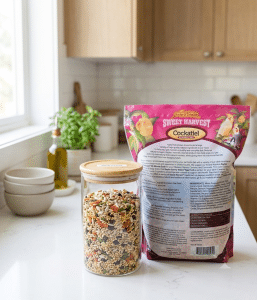
Remember that a good Cockatiel Bird Seed mix is essential for overall health.
Top 5 Reasons This Outperforms Generic Cockatiel Seed
-
- No Sunflower Seeds = No Cherry-Picking: Sunflower seeds are the junk food of the avian world. By removing them, Sweet Harvest eliminates the biggest driver of selective eating. Birds are incentivized to eat a broader variety, which delivers a broader range of nutrients — the entire point of a mixed diet.
- Vitamin Fortification That’s Actually Bioavailable: Vitamins added to the water (a common DIY approach) degrade quickly and oxidize in light. Vitamins coated directly onto seeds via safflower oil — the method Sweet Harvest uses — are delivered intact at each feeding. The bird eats the seed, the oil carries the vitamins through the digestive membrane. It’s a smarter delivery mechanism.
- Triple Cleaning Means No Dust Toxicity Risk: Cheap seeds come with dust, chaff, and micro-debris that accumulates in the crop over time and can cause aspergillosis (a fungal infection) if moisture combines with grain particles in the food bowl. Triple cleaning dramatically reduces this risk. The absence of a dust cloud when pouring Sweet Harvest is not just aesthetic — it’s a health indicator.
- Safflower as the Fat Seed of Choice: Not all fat is equal. Safflower seed contains linoleic acid (omega-6) and oleic acid (omega-9) in proportions that support feather integrity and energy metabolism without the caloric density of sunflower fat. Birds self-regulate safflower consumption far better than sunflower, which means total caloric intake drops even though the food is more satisfying.
Choosing the right Cockatiel Bird Seed prevents health issues down the line.
- Ingredient Transparency: The full ingredient list is printed on the bag without vague terms like “grain products” or “vegetable derivatives.” Every component is named. That kind of transparency — rare in the pet food category — is itself a quality signal. Manufacturers who can name everything they put in their product are manufacturers who are proud of what they put in their product.
Who Is This For? — And Who Should Look Elsewhere
Sweet Harvest Cockatiel Food is an excellent product, but “excellent” doesn’t mean “right for everyone.” Use this section to honestly identify where you fit.
-
- A cockatiel owner whose bird cherry-picks sunflower seeds from the mix
- Concerned about long-term health after a vet warning about diet
Owning a cockatiel means understanding the vital role of Cockatiel Bird Seed.
-
- Transitioning from pellet-only to mixed diet and want a high-quality seed component
- Feeding multiple cockatiels and want a reliable, consistent base diet
- Someone who values ingredient transparency and full vitamin panels
With the right Cockatiel Bird Seed, you can drastically improve your bird’s quality of life.
-
- A bird parent who wants to reduce vet bills through better preventive nutrition
- An owner who has a senior cockatiel (5+ years) and wants to extend healthy lifespan
Consider the importance of investing in Cockatiel Bird Seed for a longer lifespan.
-
- On a very tight budget and price per pound is the only metric you can use
Using high-quality Cockatiel Bird Seed is imperative for their health.
-
- Feeding a bird that requires a specialized or vet-prescribed diet
- Looking for a pellet food (this is a seed mix, not a pellet product)
- Buying for a species other than cockatiels or small parrots
- A bird with a confirmed iron storage disease diagnosis
Be mindful of the role that Cockatiel Bird Seed plays in your bird’s diet.
- Wanting a purely organic, additive-free seed mix (the vitamin fortification uses synthetic vitamin compounds)
The honest middle ground: if you feed a mixed pellet-and-seed diet (which is what most avian vets recommend), Sweet Harvest is an ideal seed component. It doesn’t try to be a complete diet by itself — it’s a premium, nutrient-enriched seed portion designed to complement pellets and fresh vegetables. Used in that role, it’s hard to beat at this price point.
Frequently Asked Questions
Why Avoid Sunflower Seeds in Cockatiel Food?
Sunflower seeds are high in fat and can cause obesity, fatty liver disease, and poor feather quality. Removing them helps birds eat a balanced diet.
Feeding a quality Cockatiel Bird Seed can prevent many issues.
What Makes Sweet Harvest Different From Generic Seed Mixes?
Sweet Harvest uses millet, safflower, canary seed, oat groats, and buckwheat instead of sunflower seeds. It also includes dried fruits, veggies, and full vitamin fortification.
How Did My Cockatiel React to Sweet Harvest?
At first, he ate the millet and canary seed. By week two, he was more active and vocal. By week four, he was eating almost the entire mix, including veggies.
Does Sweet Harvest Improve Feather Quality?
There’s no denying the value of a good Cockatiel Bird Seed for your pet.
Yes. Within three weeks, new feathers grew stronger and healthier. The protein and vitamins in the mix support feather regrowth and shine.
Is Sweet Harvest Worth the Price?
At $28 for 4 lbs, it costs more than generic mixes. But reduced waste, fewer vet risks, and full nutrition make it a better long-term value.
How Should I Transition My Bird to Sweet Harvest?
Mix 20–25% of Sweet Harvest with the old food each week. Gradually increase until your bird fully accepts the new mix.
How Do I Store Sweet Harvest for Freshness?
Don’t underestimate the importance of Cockatiel Bird Seed in maintaining freshness.
Transfer seeds to an airtight container after opening. This keeps them fresh, preserves vitamins, and prevents spoilage in warm or humid climates.
My Final Verdict After 30 Days
Ultimately, choosing the right Cockatiel Bird Seed is crucial for their well-being.
Sweet Harvest is not just a better seed mix — it represents a fundamentally different philosophy about what bird food should do. It feeds your bird’s biology, not just their preference. After 30 days, Mango’s feathers look noticeably better, his energy is higher, and he is eating a genuinely varied diet for the first time in years. At $28 for a bag that lasts six weeks for a single bird, it costs less than most people spend on their own coffee habit. The value is real. The science behind the ingredients is real. The 4.6-star rating from 2,006 verified buyers is real.
Sweet Harvest Cockatiel Bird Seed stands out as a solution for better nutrition.