
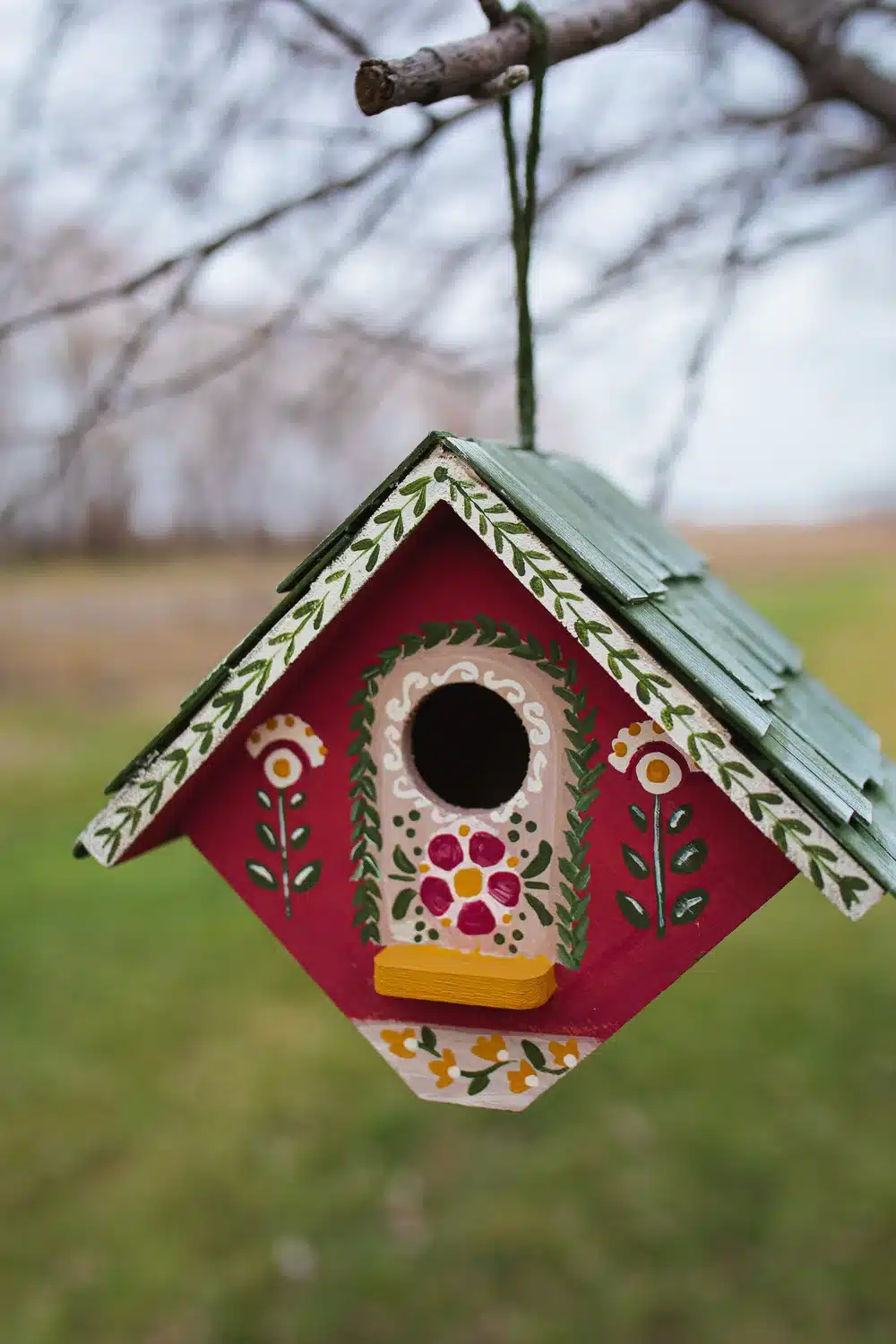
Imagine stepping outside your door and hearing the cheerful songs of birds greeting your day. Creating a bird habitat at home isn’t just about watching pretty creatures—it’s about bringing life, color, and calm into your personal space.
You can easily turn your garden, balcony, or even a small window ledge into a safe haven for birds. You’ll discover simple, effective ways to attract and support birds right where you live. Ready to transform your surroundings and enjoy nature up close?
Let’s dive in and make your home a bird’s favorite place to be.
Credit: www.amazon.in
Benefits Of Backyard Bird Habitats
Creating a bird habitat in your backyard helps nature and brings birds close. It is a simple way to support wildlife near your home.
Bird habitats provide food, shelter, and water. They make your yard lively and teach you about birds around you.
Enhancing Local Biodiversity
Backyard bird habitats help many kinds of plants and animals live nearby. Birds spread seeds and pollinate flowers. This helps plants grow in your area.
- Birds eat insects that harm plants
- They help spread seeds to new places
- Different bird species add variety to your yard
- More animals come because of food and shelter
Supporting Migratory Birds
Many birds travel long distances each year. Your backyard can be a resting spot for these travelers. Providing food and water helps them survive their journey.
| Bird Type | Needs | How You Can Help |
| Songbirds | Seeds and insects | Plant native flowers and shrubs |
| Waterfowl | Water and safe landing spots | Keep ponds clean and quiet |
| Raptors | Small animals and perches | Leave tall trees and open spaces |
Enjoying Birdwatching At Home
Watching birds is fun and relaxing. You learn to recognize colors and sounds. Birdwatching brings peace and joy to your day.
- Use binoculars for a closer look
- Keep a notebook to record bird types
- Be quiet to avoid scaring birds away
- Set up a bird feeder near a window
Choosing The Right Location
Creating a bird habitat at home starts with picking the best place. The right spot helps birds feel safe and comfortable.
Think about quietness, sunlight, and safety from dangers when choosing your bird habitat location.
Selecting Safe And Quiet Spots
Birds prefer places away from loud noises and busy areas. A calm space helps them rest and build nests.
- Choose areas with little foot traffic
- Avoid spots near loud machines or roads
- Look for places shielded by bushes or trees
Considering Sunlight And Shade
Birds need both sun and shade to stay healthy. The right mix helps them keep warm or cool as needed.
| Time of Day | Sunlight Preference |
| Morning | Birds enjoy sun to warm up |
| Afternoon | Shade helps them avoid heat |
| Evening | Mixed light is best for resting |
Avoiding Predators And Hazards
Keep birds safe by avoiding places where predators or dangers are common. Safety is key for a good habitat.
- Place feeders away from cats and dogs
- Keep habitat clear of poisonous plants
- Remove sharp objects or sticky traps nearby
Planting Native Vegetation
Native plants are perfect for creating bird habitats at home. They provide natural food and shelter for local birds.
Using native vegetation helps birds survive and thrive in your garden or yard. These plants suit the local climate and soil well.
Attracting Birds With Food Sources
Native plants offer fruits, seeds, and nectar that local birds eat. They also attract insects that birds feed on.
- Plant berry-producing shrubs like serviceberry and elderberry
- Grow seed plants such as coneflowers and sunflowers
- Include nectar-rich flowers like red columbine and bee balm
- Allow some plants to produce seeds instead of cutting them early
Providing Shelter And Nesting Sites
Native trees and shrubs offer safe places for birds to rest and build nests. Dense branches protect birds from predators and weather.
| Plant Type | Bird Use |
| Evergreen Trees | Year-round cover and nesting |
| Deciduous Shrubs | Summer shade and nesting sites |
| Grasses and Ground Covers | Protection for ground-nesting birds |
| Dead Wood | Insect food and nesting holes |
Creating Layered Plant Habitats
Layered plants offer diverse spaces for birds to live and feed. Use tall trees, mid-level shrubs, and low ground plants.
A simple guide to layering your garden:
- Plant tall native trees to form the upper canopy.
- Add medium shrubs below the trees.
- Fill in with ground covers and native grasses.
- Include a few flowering plants for nectar.

Credit: www.amazon.in
Installing Bird Feeders And Baths
Creating a bird habitat at home helps birds find food and water. Setting up feeders and baths invites many bird species to your yard.
Simple installations can provide birds with safe places to eat and drink. This guide covers types of feeders, choosing food, and keeping water clean.
Types Of Bird Feeders
Different bird feeders attract different birds. Choose feeders based on the types of birds you want to welcome.
- Tube Feeders:Long cylinders with small holes for seeds. Good for small songbirds.
- Squirrel-Proof Feeders:Feeders with mechanisms to keep squirrels away.
- Platform Feeders:Flat surfaces that hold various foods. Attracts many bird types.
- Suet Feeders:Hold blocks of fat mixed with seeds. Great for woodpeckers and nuthatches.
- Hopper Feeders:Box-like feeders that store large amounts of seed.
Choosing Bird-friendly Feed
Pick food that meets the needs of local birds. Different seeds and foods attract different species.
| Seed Type | Best For |
| Black Oil Sunflower | Many songbirds, finches, cardinals |
| Nyjer (Thistle) | Goldfinches and siskins |
| White Millet | Ground feeders like doves and sparrows |
| Safflower | Cardinals and grosbeaks, less attractive to squirrels |
| Suet Cakes | Woodpeckers, chickadees, nuthatches |
Maintaining Clean Water Sources
Birds need fresh water for drinking and bathing. Keep bird baths clean to prevent disease.
- Change water every two days or more often in hot weather.
- Scrub baths weekly with mild soap and rinse well.
- Place baths in shady spots to keep water cool.
- Use shallow baths with sloping sides for easy access.
- Remove ice in winter or use heated baths.
Building Nesting Boxes
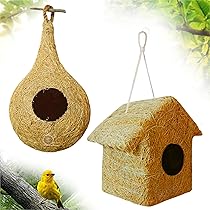
Creating bird habitats at home helps protect local birds. Building nesting boxes gives birds a safe place to live.
Nesting boxes can attract many bird species. They provide shelter and encourage birds to raise their young.
Selecting Materials And Designs
Use natural wood for nesting boxes. Avoid treated wood that can harm birds.
Choose simple designs with proper ventilation. Make sure the box size fits the bird species you want.
- Use untreated cedar or pine wood
- Keep the box size between 5 to 12 inches
- Include small entrance holes to keep predators out
- Drill ventilation holes near the top
- Add drainage holes at the bottom
Placement Tips For Safety
Place nesting boxes where birds feel safe from predators. Avoid busy areas with heavy foot traffic.
Mount boxes at the right height and direction. This helps protect birds from weather and enemies.
- Mount boxes 5 to 10 feet above ground
- Face the entrance away from prevailing winds
- Keep boxes away from bird feeders to reduce competition
- Use predator guards on poles or trees
- Place boxes near shrubs or trees for cover
Monitoring And Maintenance
Check nesting boxes regularly but avoid disturbing birds during nesting. Clean boxes after breeding season ends.
Remove old nests and debris. This prevents pests and keeps boxes ready for new birds.
- Inspect boxes in early spring and late fall
- Wear gloves when cleaning to protect yourself and birds
- Use a brush or scraper to remove old nests
- Fix any damage to boxes before the next season
- Record bird activity to learn which species use your boxes
Avoiding Common Mistakes
Creating a bird habitat at home can help local wildlife thrive. Many people make simple mistakes that hurt birds instead of helping them.
This guide shows how to avoid common errors. It covers window collisions, pesticide use, and keeping predators away.
Preventing Window Collisions
Birds often fly into windows because they see reflections or clear views through glass. This can cause injury or death.
- Place decals or stickers on outside window surfaces
- Use screens or netting to break reflections
- Move bird feeders closer than 3 feet or farther than 30 feet from windows
- Close blinds or curtains when possible
Managing Pesticide Use
Pesticides harm birds by poisoning their food and water. They also reduce the insects birds eat.
| Common Pesticide | Effect on Birds |
| Insecticides | Kill insects birds eat |
| Herbicides | Reduce plant food sources |
| Rodenticides | Poison birds if eaten indirectly |
Try natural pest controls like handpicking pests or using bird-friendly plants.
Keeping Cats And Other Predators Away
Domestic cats and other predators are a major threat to birds. They hunt birds near homes and gardens.
Here are ways to protect birds from predators:
- Keep cats indoors or supervise them outside
- Place bird feeders and houses high and away from easy jumps
- Use dense shrubs for bird cover but avoid thick ground cover
- Install motion-activated lights or sprinklers to scare predators
Seasonal Care For Birds
Creating a bird habitat at home helps birds thrive throughout the year. Birds need different care during each season.
Understanding seasonal needs helps you support birds with food, water, and shelter. This keeps them healthy and safe.
Winter Feeding Strategies
Winter is the toughest season for birds. Cold weather makes food scarce. You can help by providing high-energy foods.
- Offer suet or fat-rich seeds like sunflower seeds
- Put out peanuts and dried fruits
- Keep feeders clean and full to avoid competition
- Place feeders near shrubs or trees for shelter
Providing Water Year-round
Birds need water every day for drinking and bathing. Water freezes in winter, so it is important to keep it fresh and liquid.
| Season | Water Care Tips |
|---|---|
| Winter | Use heated birdbaths or change water often to prevent freezing |
| Spring & Summer | Keep water clean and refill daily |
| Fall | Clear leaves and debris from water sources |
Preparing Habitat For Breeding Season
Spring and early summer are breeding times for many birds. You can prepare safe places for nesting and raising chicks.
- Plant native shrubs and trees for shelter
- Install birdhouses or nesting boxes
- Avoid using pesticides near nesting areas
- Keep pets away from nesting spots
Tracking And Enjoying Birds
Watching birds at home brings joy and calm. You learn about different birds and their habits.
Using tools and groups helps you track birds better. It also makes birdwatching fun and social.
Using Bird Identification Apps
Bird ID apps help you find bird names fast. You can snap a photo or listen to bird sounds.
- Search by color, size, or shape
- Hear bird calls to identify species
- Save your sightings for later
- Get info on bird habits and habitats
Keeping A Birdwatching Journal
Writing down what you see makes your birdwatching more fun. You remember details and changes over time.
| Date | Bird Species | Location | Notes |
| 2024-04-15 | Blue Jay | Backyard | Heard loud calls in the morning |
| 2024-04-18 | Cardinal | Park | Spotted near bushes |
| 2024-04-20 | Robin | Garden | Found feeding on worms |
Joining Local Birdwatching Groups
Groups help you meet others who like birds. You can share tips and go on walks together.
Joining a group offers:
- Guided birdwatching trips
- Workshops on bird care
- Access to rare bird sightings
- Friendship with bird lovers

Credit: www.meesho.com
Frequently Asked Questions
How Can I Attract Birds To My Garden?
Plant native trees and shrubs that provide food and shelter. Install bird feeders with seeds. Add water sources like birdbaths. Avoid pesticides to keep the environment safe for birds.
What Plants Are Best For Bird Habitat At Home?
Choose native plants like sunflowers, coneflowers, and berry-producing bushes. These plants offer seeds, nectar, and shelter. Native plants support local bird species better than exotic ones.
How Do I Provide Safe Shelter For Birds?
Use birdhouses or nest boxes suitable for local species. Place them in quiet, shaded areas away from predators. Include natural materials like twigs and leaves for nesting.
Why Is Water Important For Backyard Birds?
Birds need fresh water for drinking and bathing. A clean birdbath attracts more birds and helps them stay healthy. Change water regularly to prevent disease.
Conclusion
Creating a bird habitat at home brings nature closer to you. Birds add life and color to your garden. They help control insects and spread seeds. Providing food, water, and shelter makes them feel safe. Small changes can attract many different bird species.
Enjoy watching birds sing and build their nests. Your home becomes a peaceful place for wildlife. Start today and see the beauty grow around you.


