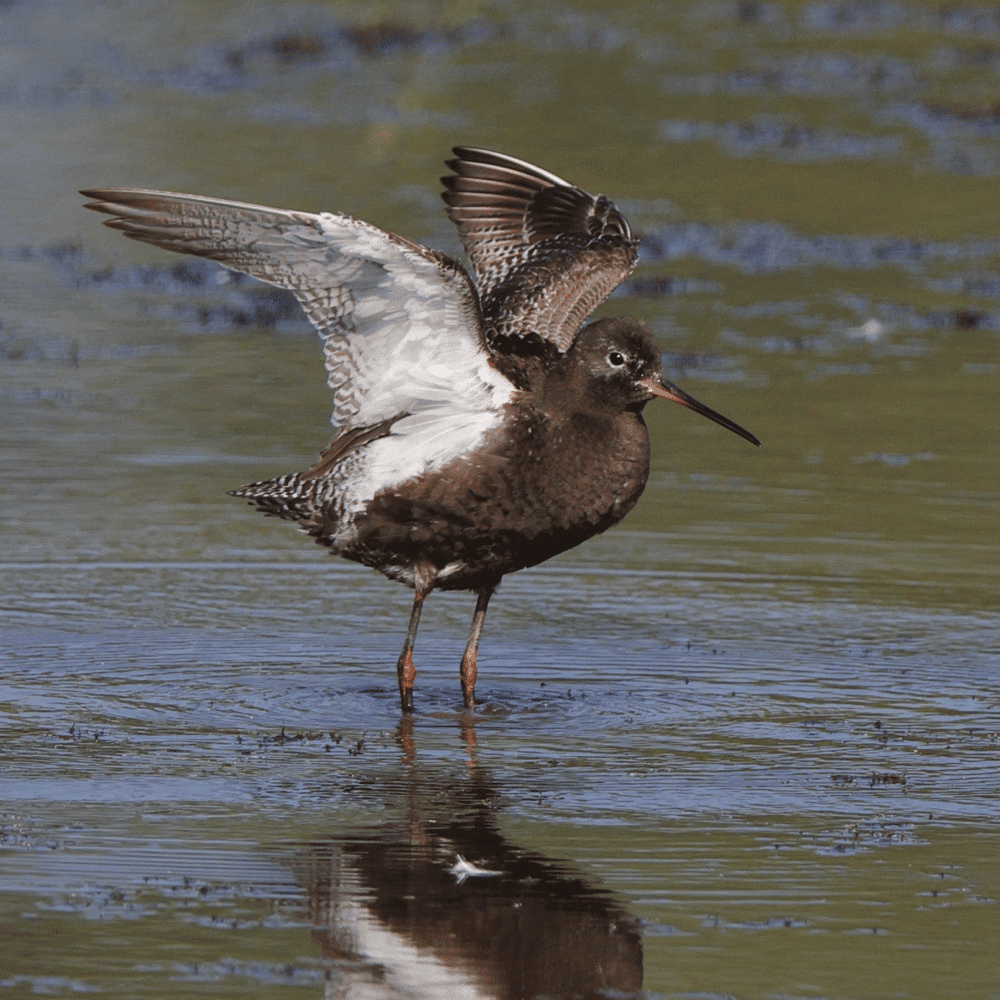
Are you a bird lover eager to spot something truly unique? The CT Rare Bird Alert is your go-to source for discovering rare and exciting bird sightings in Connecticut.
Imagine being the first among your friends to catch a glimpse of a bird rarely seen in your area. This alert keeps you in the loop, making every birdwatching trip thrilling and rewarding. Keep reading to find out how you can stay updated and make the most of these special birdwatching opportunities.

Credit: www.newstimes.com
Top Rare Birds In Connecticut
Connecticut is home to many rare bird species. Bird watchers enjoy spotting these unique birds. The state’s variety offers chances to see unusual visitors and residents.
This guide covers the top rare birds in Connecticut. It highlights seasonal visitors, year-round residents, and recent sightings.
Seasonal Visitors
Many rare birds visit Connecticut only during certain seasons. These birds travel here to breed or feed before moving on.
Spring and fall bring the most seasonal visitors. Some common rare seasonal birds include warblers and shorebirds.
- Pectoral Sandpiper
- Connecticut Warbler
- Yellow-headed Blackbird
- Black Tern
- Western Kingbird
Year-round Residents
Some rare birds live in Connecticut all year. These birds adapt well to local habitats and weather.
Year-round residents are harder to find because they are fewer in number. They often hide in forests or wetlands.
- Black-crowned Night Heron
- Barred Owl
- Yellow-bellied Sapsucker
- Eastern Whip-poor-will
- American Bittern
Recent Sightings
Recent rare bird sightings show new arrivals or unusual visitors. Bird watchers share these reports to help others find the birds.
Tracking recent sightings helps understand bird movement and changes in habitats.
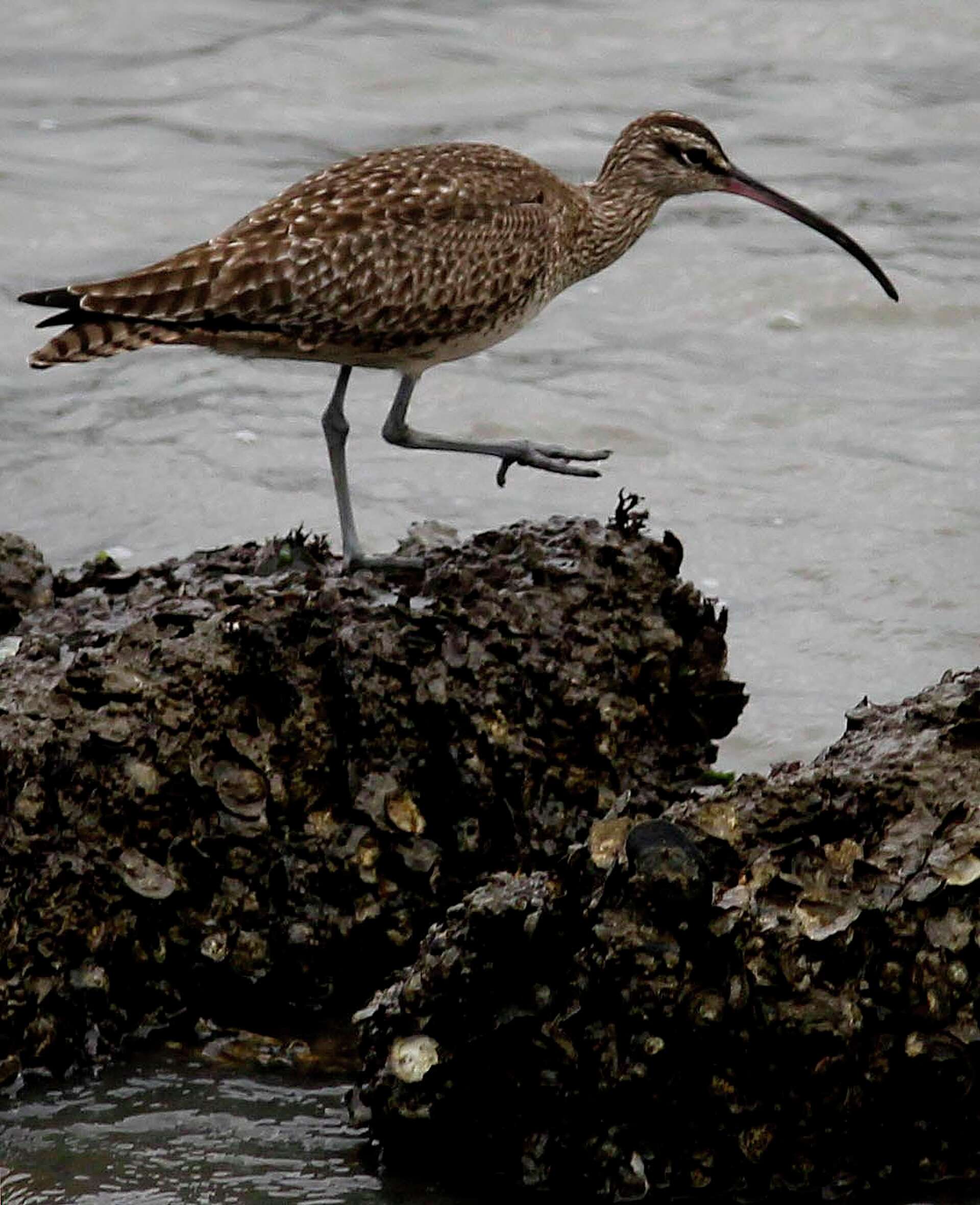
| Bird Species | Location | Date |
|---|---|---|
| Ross’s Goose | Hammonasset Beach | April 2024 |
| Great Gray Owl | Northwest Connecticut | March 2024 |
| Magnolia Warbler | Connecticut River Valley | May 2024 |
| Swallow-tailed Kite | New Haven | June 2024 |
Credit: www.newstimes.com
Spotting Tips From Experts
Finding rare birds takes patience and good planning. Experts share simple tips to help you spot these special birds.
Knowing the right time, place, and gear improves your chances of success. Use these expert tips to enjoy your birdwatching trips.
Best Times To Watch
Birds are more active during certain times of the day and year. Early mornings and late afternoons are best for spotting rare birds.
Spring and fall migrations bring many rare species to Connecticut. Plan your trips during these seasons for better chances.
- Arrive just after sunrise for active bird movement
- Visit during spring (March to May) and fall (September to November)
- Check weather; calm, cool days help spotting
Ideal Locations
Rare birds appear in specific habitats. Wetlands, coastal areas, and open fields are top spots in Connecticut.
Use local bird alert lists to find recent rare bird sightings. Visiting these places increases your chances to see rare birds.
- Hammonasset Beach State Park for coastal birds
- Connecticut River estuary for waterfowl and shorebirds
- Local wildlife refuges with diverse habitats
Essential Gear
Good gear helps you spot and identify rare birds clearly. A pair of binoculars is the most important tool for any birdwatcher.
Bring a field guide or bird ID app to check species on the spot. Dress in layers to stay comfortable during your outing.
- Binoculars with good magnification (8x or 10x)
- Field guidebook or bird identification app
- Comfortable clothes and sturdy shoes
- Notebook for taking notes on sightings
Using Bird Alert Systems
Bird alert systems help bird watchers find rare birds quickly. These alerts share sightings in real time.
Using these systems saves time and increases chances to see rare species. They connect bird lovers everywhere.
Popular Alert Platforms
Several platforms send bird alerts to users. They differ by features and user base.
- eBird – One of the largest birding apps with global alerts.
- Rare Bird Alert – Focuses on rare sightings in specific areas.
- BirdsEye – Offers detailed maps and rare bird notifications.
- Audubon Society Alerts – Shares sightings from local chapters.
Setting Up Notifications
To get alerts, first create an account on the platform. Then choose your preferred birding area.
Next, select how you want to receive notifications. Options include email, text, or app push alerts.
- Sign up with an email or username.
- Select geographic regions for alerts.
- Choose notification types and frequency.
- Save settings to start receiving alerts.
Interpreting Alerts
Alerts include information about the bird species, location, and sighting time. This helps you plan visits.
Some alerts may include photos or notes from the observer. Use these details to confirm the sighting.
- Check bird species name and rarity level.
- Note exact location and distance from you.
- Look at sighting date and time for freshness.
- Use photos or comments to verify the bird.
Conservation Efforts
Ct Rare Bird Alert helps protect rare birds in Connecticut. This work is very important for nature and wildlife.
Many groups and people work together to keep these birds safe. They watch birds and share helpful information.
Protecting Rare Species
Rare birds face many dangers like loss of homes and pollution. Conservation helps by saving their habitats.
Experts study where rare birds live. They use this data to protect important areas from harm.
- Preserve natural habitats
- Limit harmful human activities
- Monitor bird populations regularly
How Birders Can Help
Bird watchers provide valuable help by reporting rare bird sightings. This information supports conservation efforts.
Birders should follow rules to avoid disturbing birds. Watching from a distance keeps birds safe and calm.
- Report rare bird sightings quickly
- Use binoculars to watch quietly
- Respect bird habitats and nesting areas
Community Involvement
Communities play a big role in protecting rare birds. Local groups organize events to raise awareness.
Schools and clubs can teach children about birds. Everyone learns how to help nature and wildlife.
- Join bird watching groups
- Attend conservation workshops
- Support local habitat restoration projects
Birding Etiquette
Birding is a fun activity that helps us enjoy nature. It is important to respect birds and their homes. Following good manners keeps birds safe and happy.
Bird watchers must be careful to avoid scaring birds or harming their habitats. Good birding etiquette helps everyone enjoy the experience.
Minimizing Disturbance
Keep your distance from birds to avoid stressing them. Loud noises and sudden moves can scare birds away.
Walk slowly and quietly near bird areas. Stay on trails to protect nests and plants.
- Use binoculars to watch from far away
- Avoid touching nests or eggs
- Do not chase or try to catch birds
- Keep pets leashed or away from bird spots
Responsible Photography
Take photos without disturbing birds. Avoid using flash or getting too close.
Wait quietly for birds to act naturally. Respect bird safety over getting a perfect shot.
- Use zoom lenses instead of walking closer
- Do not block bird flight paths
- Limit time spent near nests or resting birds
- Turn off camera sounds to stay quiet
Sharing Sightings
Share bird sightings carefully to protect rare birds. Public spots may get crowded and disturb the birds.
Use birding groups or apps to report sightings. Include details that help others find birds without harm.
- Share locations only with trusted birders
- Avoid giving exact nest spots
- Report unusual behavior to experts
- Encourage respect for bird safety in posts

Credit: www.aba.org
Frequently Asked Questions
What Is The Ct Rare Bird Alert?
The CT Rare Bird Alert is a notification system for bird enthusiasts. It provides updates on rare bird sightings in Connecticut. Birders use it to stay informed about unusual avian visitors. The alert helps in planning birdwatching trips. Subscribers receive timely notifications to enhance their birdwatching experience.
How Can I Receive Ct Rare Bird Alerts?
To receive CT Rare Bird Alerts, subscribe to local birdwatching networks. Many organizations offer email or text notifications. Join birdwatching groups on social media platforms. Check local birding websites for subscription options. Stay connected to never miss a rare sighting update.
Why Are Rare Bird Alerts Important For Birders?
Rare bird alerts help birders track uncommon species. They provide timely information on unusual sightings. Alerts enhance the birdwatching experience by guiding where to look. They foster community engagement among bird enthusiasts. Staying updated boosts the chance of witnessing rare birds.
Where Do Rare Bird Sightings Usually Occur?
Rare bird sightings often occur in diverse habitats. Coastal areas, wetlands, and forests are common spots. Migration paths also attract rare species. Birders should explore state parks and wildlife reserves. Each location offers unique opportunities for rare bird encounters.
Conclusion
Ct Rare Bird Alert helps bird watchers spot rare species quickly. Stay updated with alerts to catch unique birds nearby. Enjoy nature more by joining this helpful community. Watching rare birds brings joy and teaches about wildlife. Keep your binoculars ready and stay curious every day.
This alert makes birding simple and fun for everyone. Don’t miss the chance to see something special. Nature’s surprises await with Ct Rare Bird Alert.