Have you ever wondered why the fuzzy green fruit is called a “kiwi”? At first glance, it might seem like the name comes from the cute little bird native to New Zealand.
But is that really the story behind the kiwi fruit’s name? If you’re curious about how this tasty fruit got its unusual name and what connects it to the famous kiwi bird, you’re in the right place. Keep reading to uncover the surprising link that will change the way you see this everyday fruit.

Credit: www.saturdayeveningpost.com
Kiwi Fruit Origins
The kiwi fruit has a unique history tied to its name. Many wonder if the fruit got its name from the kiwi bird. The story of the kiwi fruit’s origin is interesting and involves both nature and culture.
This fruit was once called the Chinese gooseberry. It was renamed after it became popular in New Zealand. The kiwi bird is a symbol of New Zealand, which influenced the fruit’s new name.
Ancient Cultivation
Kiwi fruit originally grew in China. People there have grown it for hundreds of years. They used it as food and for medicine. The plant grew wild in the mountains and forests.
Early farmers in China started to cultivate the fruit. They selected plants with bigger and sweeter fruits. This helped the fruit become more popular in local markets.
Introduction To Western Markets
Kiwi fruit came to the West in the early 1900s. Seeds were brought to New Zealand by a school teacher. New Zealand farmers began growing the fruit on farms.
The fruit was first called the Chinese gooseberry. New Zealand exporters renamed it to kiwi fruit. They used the kiwi bird’s name to create a local identity for the fruit.
Kiwi Bird Background
The kiwi bird is a unique animal native to New Zealand. It is a symbol of the country and its wildlife. Many people wonder if the kiwi fruit got its name from this bird.
This background will explore the kiwi bird’s special features and its importance in New Zealand culture. Understanding the bird helps explain why the fruit shares its name.
Unique Features
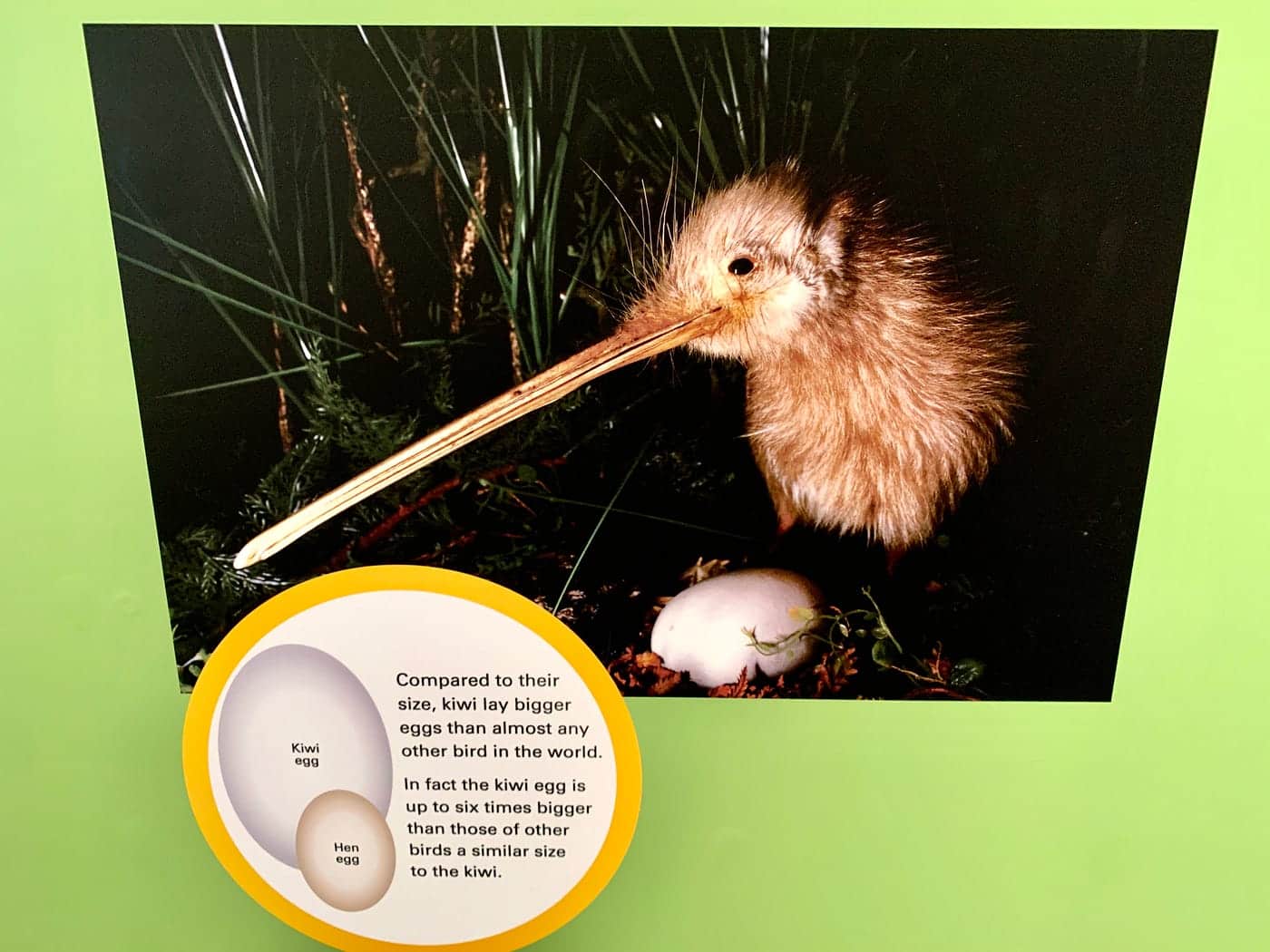
The kiwi bird has many unusual traits. It cannot fly but is an excellent runner. It has a long beak with nostrils at the tip. The bird is covered in hair-like feathers instead of typical bird feathers.
- Flightless bird with strong legs
- Long, sensitive beak for finding food
- Hair-like feathers for camouflage
- Nocturnal and shy in nature
- Egg size is large compared to body size
Cultural Significance In New Zealand
The kiwi bird is a national symbol of New Zealand. People use it to represent their identity and pride. It appears on coins, logos, and sports team names. The bird is deeply respected by the Maori people.
| Use | Meaning |
| National symbol | Represents New Zealand’s uniqueness |
| Maori culture | Symbolizes strength and protection |
| Sports teams | Shows national pride and spirit |
| Tourism | Attracts visitors to see native wildlife |
Name Connection Myths
Many people wonder if the kiwi fruit got its name from the kiwi bird. The names sound the same, so it seems connected. This topic has many stories and myths about how the fruit was named.
This article looks at the common misunderstandings about the name and the true timeline of how the kiwi fruit got its name.
Common Misconceptions
One big misconception is that the kiwi fruit was named after the kiwi bird because both are from New Zealand. People think the bird inspired the fruit’s name.
Another myth says that the fruit was called kiwi fruit because it looks like the bird. The brown fuzzy skin of the fruit is often compared to the bird’s feathers.
- The kiwi fruit name comes from marketing, not the bird directly.
- The bird and fruit share the name because both are symbols of New Zealand.
- The fruit was originally called “Chinese gooseberry.”
Timeline Of Naming
The kiwi fruit was first called “Chinese gooseberry” because it grew in China. It was brought to New Zealand in the early 1900s.
In the 1950s and 1960s, New Zealand growers started exporting the fruit. They wanted a new name that was easier to sell overseas.
- Early 1900s: Fruit brought from China to New Zealand.
- 1950s: Fruit grown commercially in New Zealand.
- 1960s: Name changed to “kiwi fruit” for export marketing.
- The new name linked the fruit to New Zealand’s symbol, the kiwi bird.
Credit: medium.com
True Naming Story
The kiwi fruit is often linked to the kiwi bird because of its name. Many people wonder if the fruit was named after the bird. The truth is interesting and involves both New Zealand and marketing choices.
The kiwi fruit did not originally have this name. Its journey from a simple fruit to a global name is tied to history and trade. Let’s explore how this happened.
Original Names Of The Fruit
The kiwi fruit was first called the “Chinese gooseberry.” It comes from China and was grown there for centuries. When it was brought to New Zealand, it kept this name for a while.
The name “Chinese gooseberry” was not popular outside China and New Zealand. It sounded foreign and did not help sales in some markets. This led to the search for a new name.
How Kiwi Became Popular
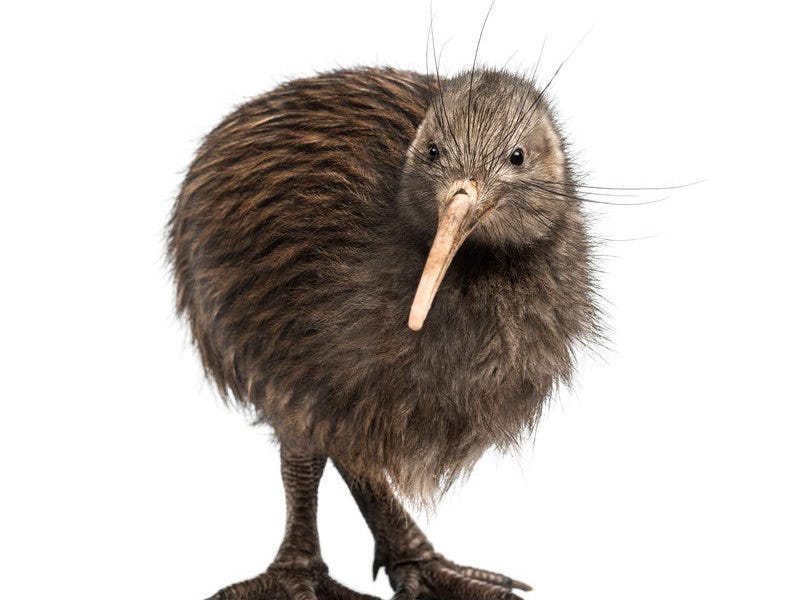
In the 1950s and 1960s, New Zealand growers wanted to sell the fruit worldwide. They chose the name “kiwi” after the kiwi bird, a national symbol of New Zealand. The bird is small, brown, and fuzzy, like the fruit.
The new name helped the fruit sell better. People liked the connection to New Zealand and the unique name. The kiwi fruit became known and loved in many countries.
- “Chinese gooseberry” was hard to market
- “Kiwi” linked the fruit to New Zealand
- The kiwi bird inspired the fruit’s new name
- The new name made the fruit more popular globally
Impact Of The Name
The name of the kiwi fruit has a strong effect on how people see it. It connects the fruit to the kiwi bird, a symbol of New Zealand. This link helps the fruit stand out in markets worldwide.
Understanding the impact of the name helps us see how marketing and global recognition work together to make the kiwi fruit popular.
Marketing And Branding
Using the name “kiwi” for the fruit gave it a unique brand identity. The kiwi bird is well-known and loved, which adds positive feelings to the fruit.
- The name links the fruit to New Zealand’s image of nature and purity.
- It creates easy recall for customers shopping for fresh fruit.
- Packaging often includes the kiwi bird or New Zealand symbols to boost recognition.
- This branding helps the fruit compete with other tropical fruits on store shelves.
Global Recognition
The kiwi fruit name helped it gain global attention quickly. People recognize the name and associate it with a healthy, tasty fruit.
| Region | Recognition Level | Notes |
| North America | High | Common in supermarkets and recipes |
| Europe | Medium | Gaining popularity in fresh fruit markets |
| Asia | Growing | Increasing demand in urban areas |
| Australia | High | Linked to New Zealand exports |
Kiwi Fruit Today
Kiwi fruit is popular worldwide for its sweet taste and fuzzy skin. It is often linked to the kiwi bird because of its name.
Today, kiwi fruit is grown in many countries and enjoyed in many dishes. People eat it fresh or use it in desserts and salads.
Varieties And Production
There are several types of kiwi fruit. The green kiwi is the most common, but gold kiwi is also popular. Gold kiwi has smooth skin and sweeter taste.
New Zealand is famous for kiwi fruit, but other countries like Italy, Chile, and China grow it too. Kiwi plants need a cool climate to grow well.
- Green kiwi has fuzzy skin and tart flavor
- Gold kiwi is smooth and sweeter
- Hardy kiwi is smaller and can be eaten whole
Health Benefits
Kiwi fruit is full of vitamins and minerals. It has a lot of vitamin C, which helps the immune system stay strong.
Eating kiwi can help digestion and improve skin health. It also contains fiber and antioxidants that protect the body.
- High in vitamin C and potassium
- Good source of dietary fiber
- Contains antioxidants that fight free radicals
- Supports digestion and skin health

Credit: medium.com
Frequently Asked Questions
Why Is The Kiwi Fruit Named After The Kiwi Bird?
The kiwi fruit got its name from the kiwi bird due to its similar brown, fuzzy skin. New Zealand exporters used the bird’s name to promote the fruit internationally in the mid-20th century, linking the product to New Zealand’s unique identity.
When Was The Kiwi Fruit First Called “kiwi”?
The kiwi fruit was first called “kiwi” in the 1950s. New Zealand growers rebranded the fruit to boost exports, associating it with the native kiwi bird. This helped the fruit gain global recognition and a unique marketing identity.
Are Kiwi Fruit And Kiwi Bird Related Biologically?
No, kiwi fruit and kiwi bird are not biologically related. The bird is a flightless bird native to New Zealand, while the kiwi fruit is a fuzzy, edible berry from China. Their connection is mainly cultural and marketing-based.
Where Did The Kiwi Fruit Originally Come From?
Kiwi fruit originally came from China, where it is known as the Chinese gooseberry. It was introduced to New Zealand in the early 20th century and later renamed to kiwi fruit for marketing purposes.
Conclusion
Kiwi fruit and the Kiwi bird share an interesting connection. Both originate from New Zealand. The fruit was named after the bird due to its fuzzy skin. This similarity captivated people, leading to its catchy name. The naming reflects a cultural and botanical link.
It shows how nature and language can intertwine beautifully. Whether enjoying the fruit or learning about the bird, both offer unique charms. Their shared name adds an intriguing layer to their story. Next time you eat a kiwi, remember its namesake bird.
A delightful reminder of nature’s wonders!