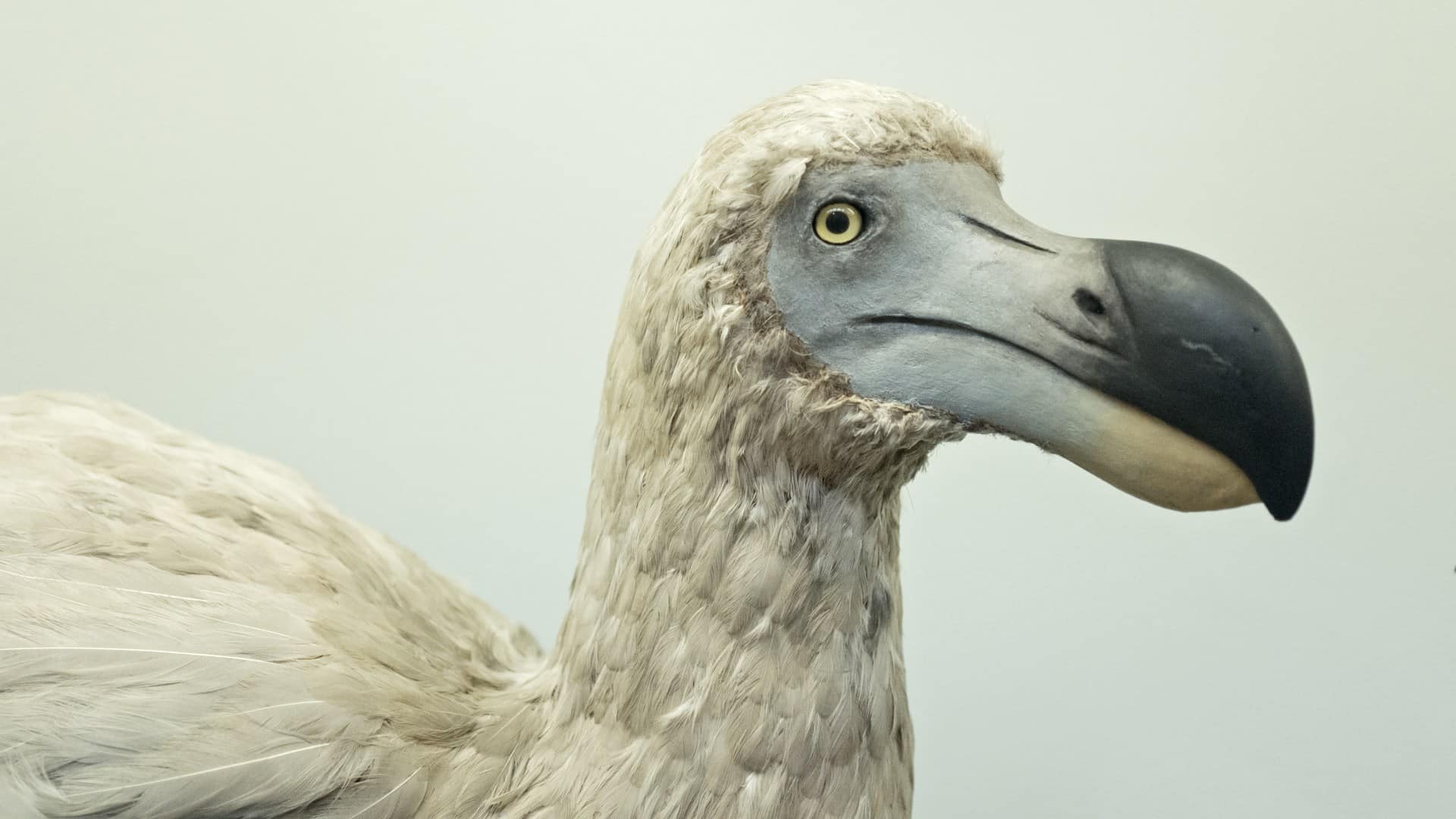
Have you ever wondered where the dodo bird actually lived? You might picture this famous extinct bird roaming icy tundras, but the truth is surprising.
Understanding where the dodo thrived can change how you see this mysterious creature. You’ll discover the real home of the dodo bird and why it never lived in the tundra. Keep reading to uncover facts that will challenge what you thought you knew!
Credit: tenderly.medium.com
Dodo Bird Habitat
The dodo bird was a flightless bird that lived many years ago. It is now extinct. People often wonder where it used to live.
This article explains the dodo bird’s habitat. It will clarify if the bird lived in the tundra or not.
Known Living Environment
The dodo bird lived in a warm and tropical place. It did not live in cold or icy areas like the tundra. The bird lived where there were many trees and plants.
This environment had forests and plenty of food. The dodo bird lived on an island with mild weather. It did not survive in harsh, frozen places.
Geographic Location
The dodo bird lived on the island of Mauritius. This island is in the Indian Ocean. It is far from any tundra or cold zone.
Mauritius has a tropical climate. The island’s weather is warm all year. This made it a good home for the dodo bird.
- Island: Mauritius
- Ocean: Indian Ocean
- Climate: Tropical and warm
- Not a tundra or cold area

Credit: www.nhm.ac.uk
Tundra Environment
The tundra is a cold and treeless region found near the poles. It has a short growing season and frozen ground below.
The dodo bird did not live in the tundra. It lived on a tropical island with a warm climate.
Climate Characteristics
The tundra has very cold temperatures most of the year. Winters are long and dark, with strong winds.
Summers are short and cool. The ground stays frozen under a layer called permafrost.
- Average temperature below freezing for most of the year
- Low precipitation, mostly as snow
- Strong winds that increase chill factor
- Permafrost restricts deep plant roots
Flora And Fauna
Plants in the tundra are small and grow close to the ground. They include mosses, lichens, and small shrubs.
Animals adapt to the cold with thick fur or feathers. Common animals include caribou, Arctic foxes, and snowy owls.
- Low-growing plants like mosses and lichens
- Animals with thick fur or feathers
- Birds that migrate in summer
- Few trees due to cold and permafrost
Comparing Habitats
The dodo bird lived on a tropical island called Mauritius. This place had warm weather and thick forests. The tundra is a cold, icy place with little plant life. These two habitats are very different from each other.
Looking at these differences helps us understand if the dodo could live in the tundra. We will explore the dodo’s body and the tundra’s conditions.
Dodo Adaptations
The dodo had features that fit its island home. It was a large, flightless bird with strong legs. It ate fruits and seeds from the forest floor. Its body was not made for cold weather.
- Thick legs for walking on soft ground
- Strong beak to eat tough fruits
- No need to fly because of few predators
- Feathers suitable for warm climate
Suitability Of Tundra For Dodos
The tundra is cold with freezing winds and snow most of the year. Plants are small and grow slowly. Food is hard to find. The dodo’s body would struggle in this cold place.
- Cold temperatures would be too harsh for the dodo’s feathers
- Limited food like berries and seeds in the tundra
- Snow and ice make walking difficult for large birds
- Strong winds could be dangerous for flightless birds
)
Credit: www.business-standard.com
Historical Evidence
The dodo bird is a famous extinct animal. It lived on an island, not in cold places. Some wonder if it lived in the tundra. We look at history to find out.
We use fossil records and explorer stories. These help us learn where the dodo really lived.
Fossil Records
Scientists found dodo bones on Mauritius Island. This island has a tropical climate, not tundra. No dodo fossils were found in cold tundra areas.
The bones show dodos lived in warm forests. These places have many fruits and plants. That was the dodo’s home.
Explorer Accounts
Early explorers wrote about dodos on Mauritius Island. They never saw dodos in cold tundra regions. Their notes describe a warm island habitat.
Explorer stories match fossil facts. Both say dodos lived in warm, forested places. This helps us know the dodo did not live in the tundra.
Common Myths
The dodo bird is often linked to strange stories. One popular story says it lived in the tundra. This is not true. The tundra is a cold place with little trees. The dodo bird lived in a warm island area.
Many myths confuse where animals lived long ago. We will look at the origin of this tundra myth and clear up wrong ideas about the dodo bird’s home.
Origin Of The Tundra Myth
People once found fossils and bones in cold places. They guessed the dodo might have lived there. Some stories mixed up the dodo with other extinct birds that lived in colder areas.
- The dodo was discovered on Mauritius Island, a warm place.
- Cold tundra regions have no records of dodo fossils.
- Confusion came from mixing different bird species.
- Old books sometimes gave wrong locations for the dodo.
Debunking False Claims
Scientists studied dodo bones and the places they were found. They proved the bird lived in tropical forests, not tundra. This helps stop wrong stories from spreading.
| Claim | Fact |
| Dodo lived in tundra | False. It lived in Mauritius Island forests. |
| Dodo fossils found in cold regions | No fossils found outside Mauritius. |
| Dodo could survive cold climates | False. It was a tropical bird. |
Dodo Extinction Factors
The dodo bird lived on Mauritius Island in the Indian Ocean. It did not live in the tundra. The tundra is a cold, frozen environment far from the dodo’s home.
Scientists believe the dodo became extinct due to many reasons. Two main factors are human impact and environmental changes.
Human Impact
Humans arrived on Mauritius in the late 1500s. They hunted the dodo for food. The dodo was easy to catch because it could not fly.
Humans also brought animals like rats, pigs, and monkeys. These animals ate dodo eggs and destroyed nests.
- Hunting by sailors reduced dodo numbers
- Introduced animals ate dodo eggs
- Humans cleared forests for settlements
Environmental Changes
The dodo’s habitat changed after humans arrived. Forests were cut down. This reduced food and shelter for the dodo.
Natural disasters like cyclones also affected the island. These events made it harder for the dodo to survive.
- Loss of forest habitat reduced food supply
- Natural disasters damaged dodo nests
- Changes in the ecosystem hurt dodo survival
Frequently Asked Questions
Did The Dodo Bird Live In The Tundra?
No, the dodo bird lived on Mauritius Island in a tropical climate. It did not inhabit tundra regions.
Where Was The Dodo Bird’s Natural Habitat?
The dodo’s habitat was dense forests and coastal areas of Mauritius, not cold tundra environments.
Why Couldn’t Dodo Birds Survive In The Tundra?
Dodos were adapted to warm climates and tropical food sources, making tundra survival impossible.
What Kind Of Environment Did The Dodo Prefer?
Dodos thrived in warm, humid forests with abundant fruit, unlike the cold tundra ecosystem.
Conclusion
The dodo bird never lived in the tundra. It thrived in Mauritius. A warm island with abundant resources. The bird’s habitat was lush and tropical. Not cold or barren like the tundra. Misunderstandings about its environment exist. But evidence is clear.
The dodo was a creature of warmth. Its story teaches us about extinction. And the importance of protecting habitats. By learning from the past, we can save today’s wildlife. Let’s cherish and conserve our planet’s diverse ecosystems. For future generations to enjoy.