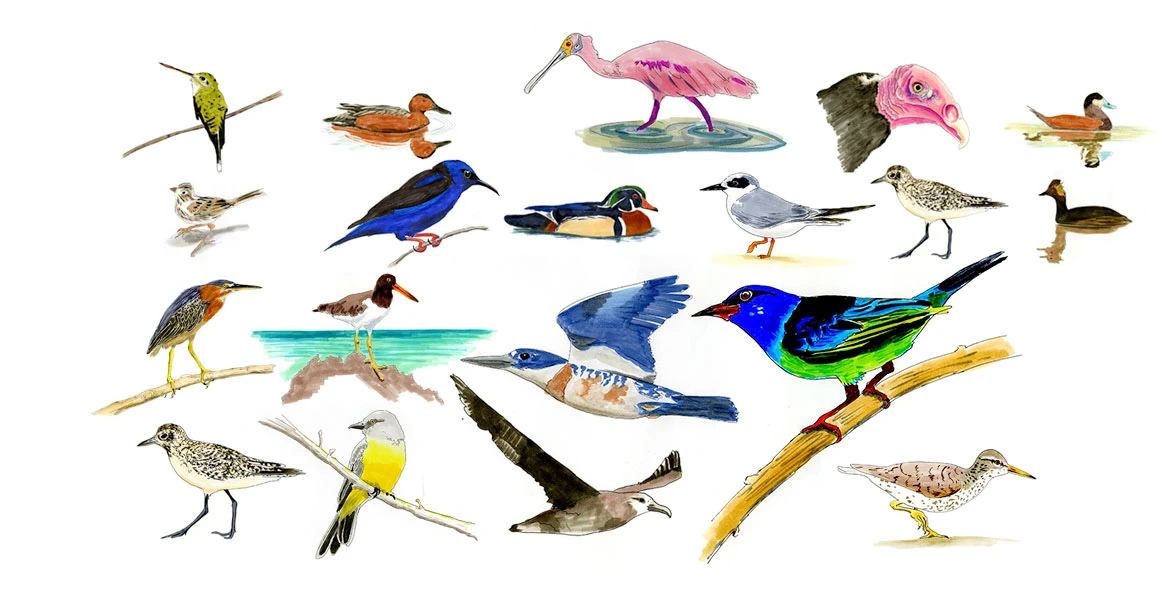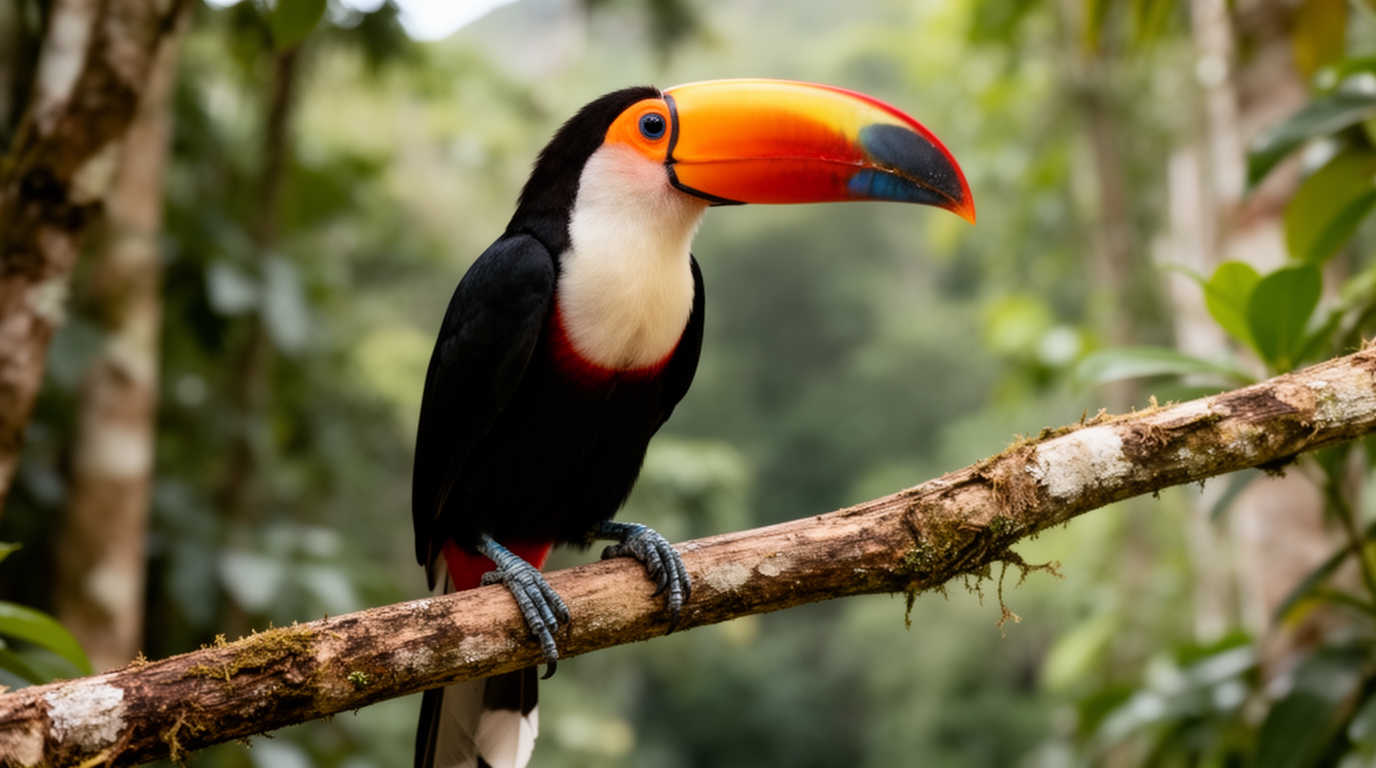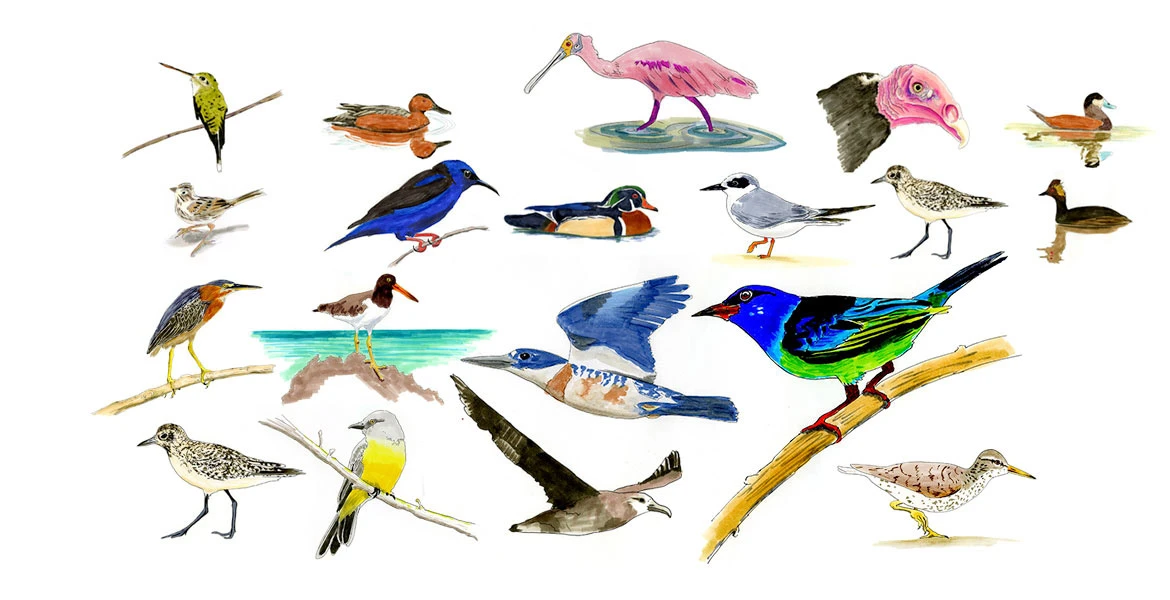
Have you ever paused to listen to the melodic songs of birds in your backyard, or marveled at their vibrant colors flitting through the trees? Birds are some of the most fascinating creatures on Earth, each with its own unique characteristics and charm.
Whether you're a seasoned birdwatcher or just curious about the feathered friends around you, exploring the different species of birds can open up a world of wonder. You'll discover the incredible diversity among bird species, learn intriguing facts about their behaviors, and find out how you can attract a variety of birds to your own backyard.
Stay with us, and let the wonder of our avian companions take flight in your imagination.

Credit: www.freepik.com
Bird Diversity Worldwide
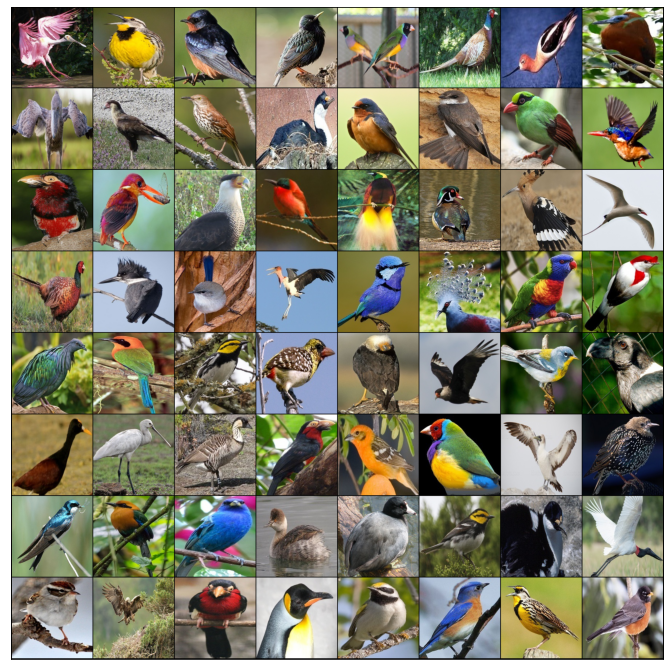
Birds are found all over the world. They live in many different places and come in many shapes and sizes.
Bird diversity shows us how nature adapts to different environments. This diversity helps keep ecosystems healthy.
Number Of Bird Species
There are about 10,000 known bird species worldwide. New species are still discovered sometimes.
These species range from tiny hummingbirds to large ostriches. Each species has unique features.
Bird Habitats Across Continents
Birds live in many habitats like forests, deserts, and wetlands. Each continent has different habitats.
Some birds prefer cold places, while others live in tropical areas. Habitat affects what birds eat and how they survive.
- North America: forests, mountains, and grasslands
- South America: rainforests and wetlands
- Africa: savannas and deserts
- Asia: mountains, forests, and wetlands
- Europe: forests and coastal areas
- Australia: deserts, forests, and reefs
- Antarctica: cold coastal regions
Endemic Birds And Their Locations
Endemic birds live only in one place. Their habitats are often limited to islands or specific regions.
These birds need special protection because they cannot live anywhere else. Many endemic birds are rare.
- Madagascar: Vangas and Couas
- Galápagos Islands: Darwin's finches
- New Zealand: Kiwi and Kakapo
- Hawaii: Nene and Apapane
- Australia: Regent Honeyeater and Princess Parrot
Credit: medium.com
Unique Bird Adaptations
Birds have many special features that help them live and survive. These adaptations let them find food, fly, and stay safe.
Each bird species has unique traits. These traits fit their environment and lifestyle perfectly.
Flight Mechanics And Variations
Birds use different ways to fly depending on their size and needs. Some flap fast, others glide or soar to save energy.
Wing shape changes how birds move in the air. Long, narrow wings help with fast flying. Short, wide wings help with quick turns.
- Albatrosses have long wings to glide over oceans
- Hummingbirds flap wings rapidly to hover
- Owls have soft feathers for silent flight
- Falcons have pointed wings for fast dives
Beak Shapes And Their Functions
Bird beaks come in many shapes. Each shape helps with a special job like eating, building nests, or fighting.
Strong, curved beaks crack seeds. Long, thin beaks reach into flowers for nectar. Sharp beaks catch fish or insects.
- Parrots use strong beaks to crack nuts
- Hummingbirds have long beaks for sipping nectar
- Woodpeckers have chisel-like beaks to drill trees
- Herons use sharp beaks to catch fish
Feather Colors And Patterns
Feathers show many colors and patterns. These help birds hide, attract mates, or warn enemies.
Some birds have bright feathers to stand out. Others have dull colors to blend with their home.
- Peacocks use colorful feathers to attract mates
- Owls have dull feathers to hide at night
- Penguins have black and white feathers for camouflage
- Flamingos get pink color from their food
Fascinating Bird Behaviors
Birds show many interesting behaviors that help them survive. These behaviors include flying long distances, finding mates, and talking to each other.
Learning about bird behaviors helps us understand nature better. Different species have unique ways to live and grow.
Migration Routes And Strategies
Many birds travel thousands of miles to find food or better climates. They follow specific routes every year.
Birds use the sun, stars, and Earth’s magnetic field to guide them. Some fly alone, while others travel in groups.
- Some birds fly nonstop for days
- Others rest at stopover sites to regain energy
- Young birds often learn routes from older birds
- Weather changes can affect migration paths
Mating Rituals And Displays
Birds use dances, songs, and bright feathers to attract mates. Each species has its own special courtship.
Some birds build nests or offer food to show they are good parents. These actions help them find a partner.
- Male birds often show off colorful feathers
- Some perform dances or fly patterns
- Building nests can be part of the ritual
- Birds may sing unique songs to attract mates
Communication And Songs
Birds use sounds and calls to talk with each other. Songs can warn of danger or mark territory.
Each bird species has different sounds. Some mimic other animals or noises from the environment.
- Calls warn about predators or signal food
- Songs attract mates and defend territory
- Some birds learn new sounds over time
- Communication helps birds stay in groups
Rare And Exotic Bird Species
Birds come in many shapes and sizes. Some species are rare and hard to find. These birds live in special places or have unique traits.
We will explore some rare and exotic birds. Learn about their unusual features, diets, and risks to survival.
Birds With Unusual Features
Some birds have strange or unique body parts. These features help them survive in their homes. They look different from common birds.
- The Kakapo from New Zealand is a heavy, flightless parrot that glows in the dark.
- The Shoebill has a large, shoe-shaped bill to catch fish in swamps.
- The Resplendent Quetzal has bright green feathers and long tail plumes.
Critically Endangered Birds
Some bird species face a big risk of extinction. Their numbers are very low. Protecting them is very important.
- The California Condor has less than 500 birds left in the wild.
- The Spix’s Macaw is almost extinct and lives only in captivity.
- The Forest Owlet is very rare and found only in India.
Birds With Unique Diets
Birds eat many different foods. Some birds have very special diets. These diets help them live in certain places.
- The Hoatzin eats mostly leaves and has a stomach like a cow.
- The Egyptian Vulture uses rocks to break eggs to eat inside.
- The Crossbill’s curved beak helps it open pine cones for seeds.
Bird Conservation Efforts
Birds are a vital part of nature. They help balance ecosystems and spread seeds. Many bird species face threats that endanger their survival.
Conservation efforts work to protect birds and their habitats. These actions help keep bird populations healthy for the future.
Threats To Bird Populations
Birds face many dangers from humans and nature. Habitat loss from farming and cities is a big problem. Pollution and climate change also harm birds.
Other threats include hunting, invasive species, and collisions with buildings or vehicles. These factors reduce bird numbers worldwide.
- Habitat destruction from deforestation and urban growth
- Climate change causing shifts in food and breeding areas
- Pollution affecting water and air quality
- Hunting and trapping for sport or trade
- Predators like cats and rats introduced by humans
- Bird strikes with windows, power lines, and cars
Successful Conservation Stories
Some bird species have recovered thanks to strong conservation actions. Protecting habitats and banning hunting saved many birds. Breeding programs helped rare species grow in numbers.
Community efforts also play a big role. People working together can create safe places for birds. These stories show that help can make a difference.
- The Bald Eagle in North America made a strong comeback
- The California Condor population increased from the brink of extinction
- Island bird species like the Mauritius Pink Pigeon were saved by habitat protection
- Wetland restoration helped migratory birds return to old habitats
How To Help Protect Birds
Everyone can help protect birds by making simple changes. Planting native trees and flowers gives birds food and shelter. Avoid using pesticides that harm insects birds eat.
Supporting bird conservation groups and learning about birds also helps. Watching birds safely without disturbing them is important too.
- Create bird-friendly spaces with native plants
- Keep cats indoors to prevent hunting of birds
- Reduce window collisions by adding decals or screens
- Use fewer chemicals in gardens and yards
- Support local and global bird protection projects
- Learn about birds and share knowledge with others
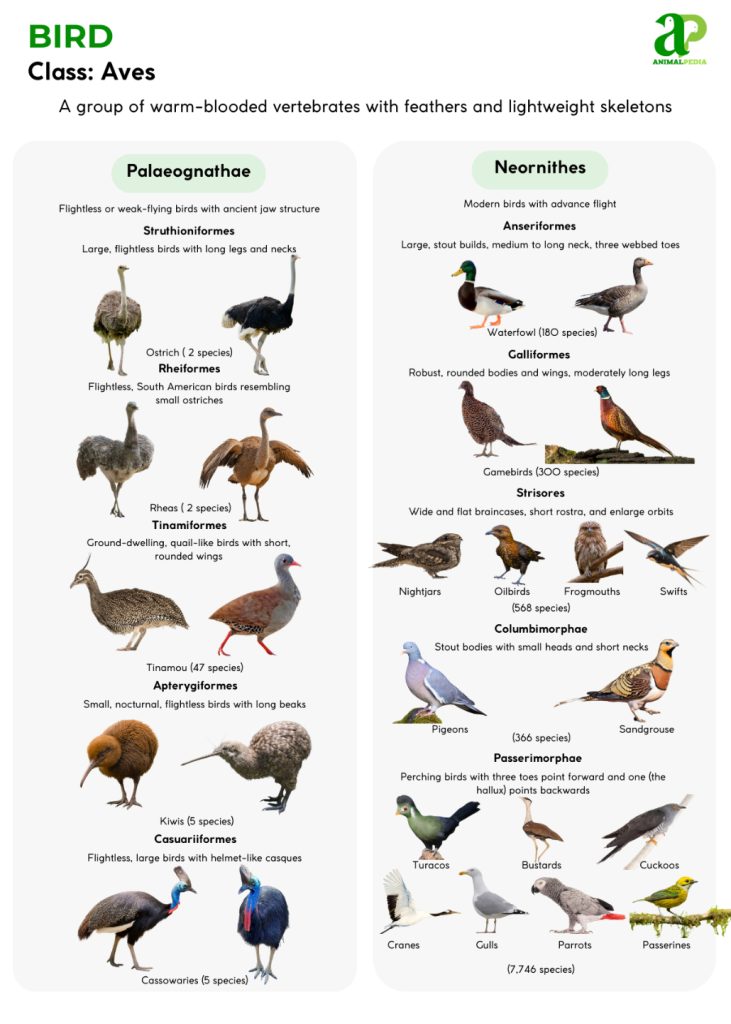
Credit: animal-pedia.org
Frequently Asked Questions
What Are The Most Common Bird Species Worldwide?
The most common bird species include sparrows, pigeons, crows, and robins. These birds adapt well to diverse environments. They are found in urban and rural areas globally.
How Do Bird Species Differ In Their Habitats?
Bird species adapt to habitats like forests, wetlands, deserts, and grasslands. Each species chooses habitats that best support their food and nesting needs. Habitat diversity influences bird behavior and survival.
Why Are Some Bird Species Endangered?
Bird species become endangered due to habitat loss, pollution, and climate change. Hunting and invasive species also threaten their populations. Conservation efforts help protect these vulnerable birds.
How Do Birds Contribute To The Ecosystem?
Birds control insect populations, pollinate plants, and disperse seeds. They maintain ecological balance and support biodiversity. Birds also serve as indicators of environmental health.
Conclusion
Birds come in many shapes, sizes, and colors. Each species has unique habits and homes. Watching birds helps us learn about nature’s beauty. Protecting their habitats keeps these species safe. Enjoy discovering different birds near you. Their songs and flights bring joy every day.
Keep exploring, and appreciate the world of birds.