Have you ever noticed tiny, itchy bites after spending time near birds or their nests? You might be dealing with bird mites.
These tiny creatures can be more than just a nuisance—they might affect your health. But do bird mites carry disease that could harm you or your family? Understanding the risks and facts can help you protect yourself and your home.
Keep reading to discover what bird mites really are, whether they spread disease, and what you can do if they invade your space. Your health and peace of mind depend on knowing the truth.
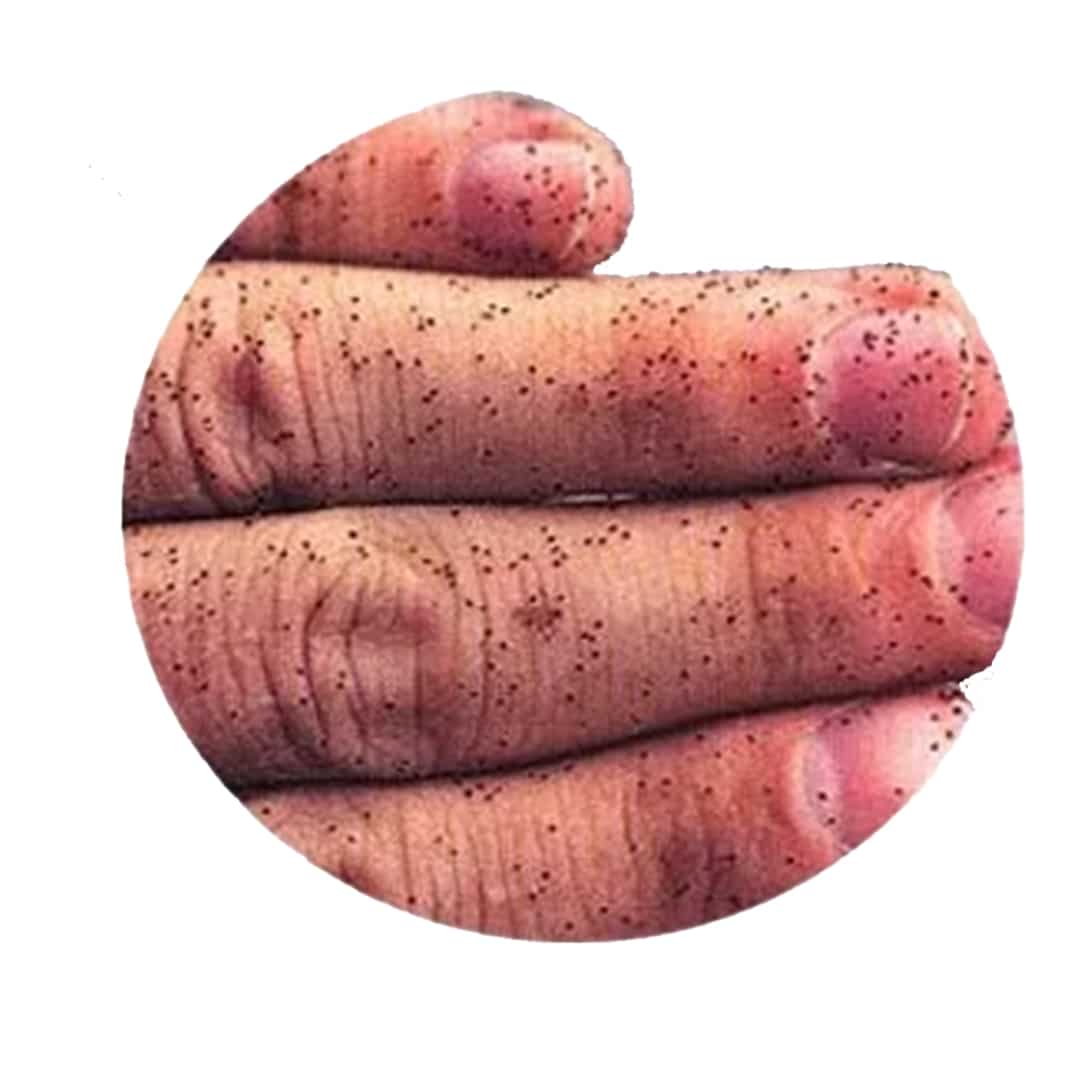
Credit: howtopest.com
What Are Bird Mites
Bird mites are tiny parasites that feed on birds. They can sometimes bite humans if birds are nearby. These mites are very small and hard to see with the naked eye.
People often find bird mites in homes where birds nest close to windows or roofs. Understanding their origins and features helps in managing them safely.
Origins And Habitat
Bird mites live mainly on wild birds and their nests. They feed on bird blood and stay close to their hosts. These mites prefer warm, sheltered places where birds rest.
- Commonly found in bird nests on rooftops and eaves
- Also live in cracks and crevices near nesting sites
- Can move indoors if birds leave their nests
- Survive by feeding on birds but may bite humans if hungry
Physical Characteristics
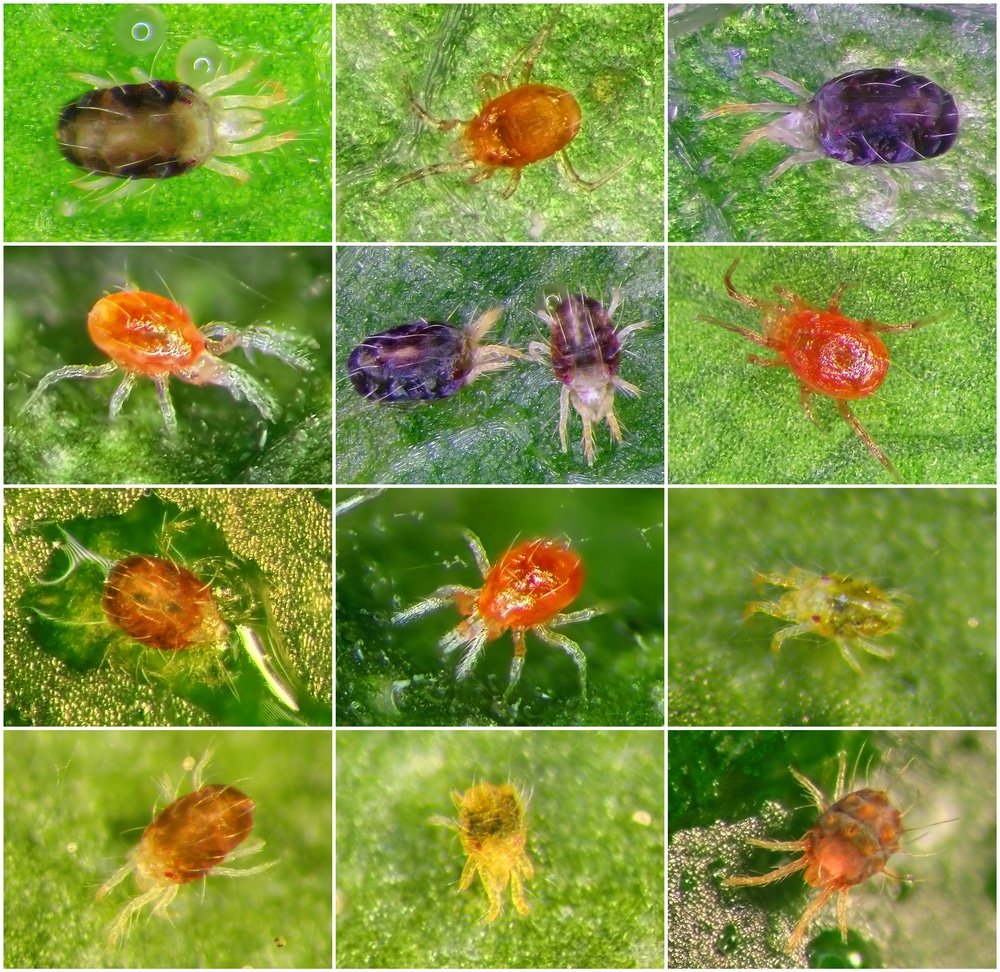
Bird mites are very small, about 1/50 inch long. They have eight legs and a flat, oval body. Their color can vary from pale white to reddish after feeding.
| Feature | Description |
|---|---|
| Size | 0.5 mm to 1 mm |
| Body Shape | Flat and oval |
| Legs | Eight legs |
| Color | White to reddish-brown |
| Visibility | Very small, hard to see without magnification |
Credit: howtopest.com
How Bird Mites Spread
Bird mites are tiny parasites that feed on birds. They can spread from birds to other places easily. Understanding how they move helps prevent problems.
These mites do not stay only on birds. They can travel to new hosts or even humans. This spread happens in several ways.
Common Hosts
Bird mites live mostly on birds and their nests. They feed on bird blood and use the nests as homes. Here are common hosts they affect:
- Wild birds like pigeons and sparrows
- Domestic birds such as chickens and parrots
- Bird eggs and young chicks in nests
- Abandoned bird nests in buildings or trees
Transmission To Humans
Bird mites can bite humans if they lose their bird hosts. They do not live on humans but can cause irritation. Here is how they reach people:
| Transmission Method | Description |
| Contact with bird nests | Mites leave nests and move to nearby areas. |
| Birds entering homes | Mites travel on birds that enter buildings. |
| Infested pets | Pets that catch birds can carry mites inside. |
| Wind or air currents | Mites can be blown short distances to new places. |
Diseases Linked To Bird Mites
Bird mites are tiny parasites that feed on birds. Sometimes, they bite humans by mistake. People often wonder if these mites carry diseases.
This article looks at known pathogens related to bird mites and symptoms seen in humans after bites.
Known Pathogens
Bird mites can carry some germs, but they rarely spread serious diseases to humans. Most infections come from direct contact with mites or bird droppings.
| Pathogen | Associated Disease | Transmission Risk |
|---|---|---|
| Chlamydia psittaci | Psittacosis (Parrot Fever) | Low, mainly from birds |
| Salmonella spp. | Salmonellosis | Low, from bird droppings |
| Histoplasma capsulatum | Histoplasmosis | Very low, fungal spores in droppings |
Symptoms In Humans
Bird mite bites can cause several symptoms. These include itching and skin irritation. Some people may also feel tired or have mild flu-like signs.
- Itchy red bumps on the skin
- Rashes or small blisters
- Swelling around bite sites
- Headache or mild fever
- Feeling tired or weak
If symptoms get worse or last long, see a doctor. Most bird mite bites do not cause serious illness.
Health Risks And Allergies
Bird mites are tiny parasites that can bite humans. People often ask if these mites carry diseases.
While bird mites do not spread serious diseases, they can cause health problems. These problems include skin irritations and allergies.
Skin Reactions
Bird mite bites cause itchy, red spots on the skin. These bites often look like small bumps or rashes.
People may feel burning or stinging where the mites bite. Scratching can make the skin sore and infected.
- Itchy red bumps
- Rash or small blisters
- Swelling around bites
- Burning sensation
Potential Complications
Some people develop allergies from bird mite bites. Allergic reactions can cause more severe skin problems.
In rare cases, constant scratching may lead to skin infections. These infections need medical treatment to heal.
- Allergic dermatitis
- Secondary skin infections
- Sleep disturbances due to itching
- Stress and discomfort
Preventing Bird Mite Infestations
Bird mites are tiny pests that can invade homes from bird nests nearby. They do not spread diseases but can cause itching and discomfort. Preventing infestations is important to keep your home safe and clean.
Taking early steps to check and control bird mites stops them from becoming a big problem. Regular home care and pest control help protect your living space.
Home Inspection Tips
Inspect your home for bird mites by checking areas near bird nests. Look around windows, vents, and roofs for nests. Remove any old nests outside your home.
Watch for small red or brown dots on walls or furniture. These may be bird mites. Also, notice if you or family members have itchy bites after spending time near these areas.
- Check roof eaves and vents for bird nests
- Look behind curtains and window frames
- Inspect attic and crawl spaces
- Remove bird nests safely and promptly
Effective Control Methods
Control bird mites by cleaning areas where birds nest. Use a vacuum to remove mites and eggs. Wash bedding and clothes in hot water to kill mites.
Seal cracks and gaps in walls and windows to stop mites from entering. Use pest control sprays labeled for bird mites if needed. Repeat treatments may be necessary for full control.
- Vacuum affected areas regularly
- Wash fabrics in hot water
- Seal entry points around your home
- Use mite-specific pesticides carefully
- Remove bird nests outside your home
Treatment Options For Bites
Bird mite bites can cause itching and discomfort. Treating these bites quickly helps reduce irritation.
Many treatment options are available. They include medical remedies and home care solutions.
Medical Remedies
Doctors may suggest creams or medicines to ease itching. Antihistamines can reduce allergic reactions.
Topical corticosteroids help calm skin inflammation. Pain relievers can reduce discomfort from bites.
- Antihistamine tablets or creams
- Corticosteroid creams for swelling
- Pain relievers like acetaminophen
- Antibiotics if infection occurs
Home Care Solutions
Cleaning the bite area gently with soap and water helps prevent infection. Avoid scratching to reduce skin damage.
Applying cool compresses can ease itching and swelling. Natural remedies like aloe vera may soothe the skin.
- Wash bites with mild soap and water
- Use cool compresses to reduce itch
- Apply aloe vera gel or calamine lotion
- Keep nails trimmed to avoid scratches
Myths And Facts About Bird Mites
Bird mites are tiny parasites that live on birds. Many people worry if these mites can spread diseases to humans. There are many myths about bird mites and the risks they pose.
We will look at common misconceptions and share scientific findings. This will help you understand the truth about bird mites and disease.
Common Misconceptions
Many believe bird mites carry dangerous diseases. Some think they bite humans to spread illness. Others say bird mites can live long on human skin. These ideas cause fear but are not fully true.
- Bird mites always carry harmful diseases.
- Bird mites bite humans and spread sickness.
- Bird mites can live on humans for weeks.
- All bird mites look the same and behave alike.
Scientific Findings
Research shows bird mites rarely carry diseases harmful to humans. They mostly feed on birds and only bite humans by mistake. Their bites cause itching but not serious illness.
| Fact | Explanation |
| Bird mites do not carry human diseases | Studies find no evidence they transmit infections to people. |
| Bird mites bite humans accidentally | They prefer birds but may bite humans if birds are absent. |
| Bird mites cannot live long on humans | They die quickly without a bird host. |
| Bird mite bites cause mild irritation | Redness and itching are common but not dangerous. |

Credit: vermicure.co.uk
Frequently Asked Questions
Do Bird Mites Transmit Diseases To Humans?
Bird mites rarely transmit diseases to humans. They mainly cause itching and skin irritation. There is no strong evidence linking them to disease transmission. Their bites can cause discomfort but are generally not dangerous.
Can Bird Mites Infest Your Home?
Yes, bird mites can infest homes, especially if birds nest nearby. They enter through windows or vents. Once inside, they seek human hosts for blood meals. Proper removal of bird nests and cleaning can prevent infestations.
How To Identify Bird Mite Bites?
Bird mite bites appear as small, red, itchy bumps. They usually cluster on exposed skin areas. Bites may cause mild swelling and discomfort. Unlike fleas, bird mite bites do not typically cause severe allergic reactions.
Are Bird Mites Harmful To Pets?
Bird mites can bite pets, causing itching and irritation. However, they do not usually transmit diseases to animals. Pets with heavy infestations might need veterinary treatment to relieve discomfort and prevent secondary infections.
Conclusion
Bird mites rarely transmit diseases to humans. They primarily irritate skin. These tiny pests cause itching and discomfort. Keeping birds out of homes prevents infestations. Regularly clean bird cages and nesting areas. Call a pest control expert if needed. Quick action reduces mite problems effectively.
Understanding their habits helps in prevention. Awareness is key in protecting your home. Stay informed about bird mites and their effects. Protect your health by maintaining a clean environment. Stay vigilant and ensure your living spaces remain mite-free.