Have you ever wondered where birds feel most at home? Do they prefer the wide-open spaces or the cozy, shaded forests?
Understanding where birds choose to live can change the way you see the world around you. Whether you’re a birdwatcher, nature lover, or just curious, knowing their favorite spots can bring you closer to these fascinating creatures. Keep reading to discover the surprising reasons why some birds flock to open areas, while others thrive deep in the forest.
This insight will not only deepen your connection with nature but also help you spot more birds on your next outdoor adventure.
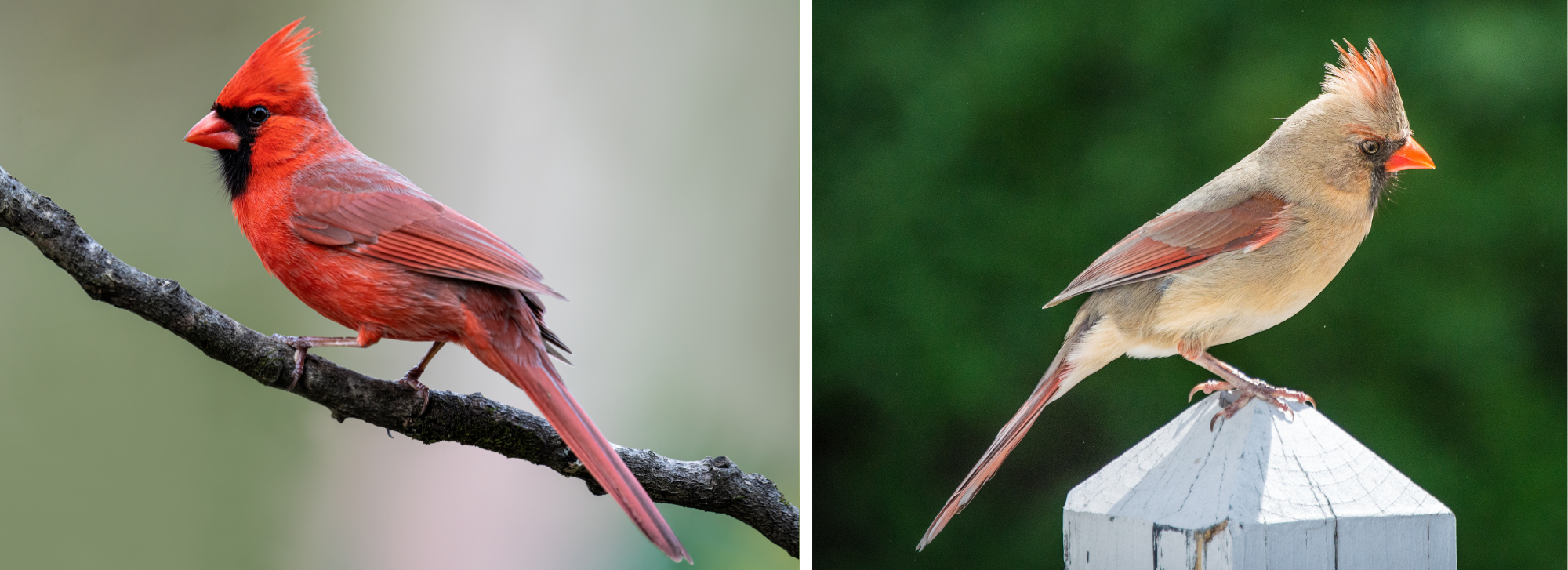
Credit: longpointlandtrust.ca
Bird Habitat Choices
Birds choose habitats that meet their needs for food, shelter, and safety. Their choices depend on the type of environment available.
Open areas and forested zones offer very different living conditions. Birds adapt to these to survive and thrive.
Open Areas Defined
Open areas are spaces without many trees. These include grasslands, fields, and wetlands. Birds here find food like seeds and insects easily.
- Wide spaces with few tall plants
- Good for ground-nesting birds
- More sunlight reaches the ground
- Often windy and exposed
- Food sources include seeds and small insects
Characteristics Of Forested Zones
Forested zones have many trees and plants. These areas provide shade and protection from predators. Birds here often nest in trees.
| Feature | Forest Environment |
| Tree Density | High |
| Light | Filtered through leaves |
| Food Sources | Insects, fruits, seeds |
| Nesting Sites | Tree branches, cavities |
| Protection | Good from weather and predators |

Credit: www.simcoe.com
Factors Influencing Habitat Preference
Birds choose where to live based on many important factors. These factors help them find food, stay safe, and raise their young.
Understanding these factors helps us learn why some birds prefer open areas and others like forests.
Food Availability
Birds need food to survive, so they pick habitats where food is easy to find. Some birds eat seeds and insects found in open fields.
Other birds look for fruits, nuts, or small animals in forests. Food type and amount affect where birds live.
- Open areas have grass seeds and ground insects
- Forests provide fruits, nuts, and tree insects
- Birds follow food sources seasonally
Predator Presence
Birds avoid places where predators are common. Open areas may have fewer hiding spots for predators.
Forests offer more cover and trees to hide from predators. Birds choose safer places to protect themselves.
- Open areas expose birds to hawks and foxes
- Forests give protection from many predators
- Birds balance food and safety needs
Nesting Needs
Birds build nests to lay eggs and raise chicks. Different birds need different places to make nests.
Some birds nest on the ground in open spaces. Others build nests in trees or shrubs in forests for shelter.
- Ground nesters prefer open fields with low plants
- Tree nesters choose forests with dense branches
- Nest type affects habitat choice strongly
Bird Species In Open Areas
Birds choose habitats that fit their needs. Open areas provide space and food for many species. These places include grasslands and wetlands.
Open habitats have few trees and lots of sunlight. Birds here have special ways to find food and shelter. Let’s look at some birds in these areas.
Grassland Birds
Grasslands have wide open spaces with tall grasses. Birds here use the grass for hiding and nesting. Many feed on insects and seeds.
Common grassland birds include sparrows, meadowlarks, and quails. They walk or fly low to search for food. Their colors help them blend into the grass.
- Eastern Meadowlark
- Grasshopper Sparrow
- Bobwhite Quail
- Western Kingbird
- Horned Lark
Wetland Specialists
Wetlands are watery open areas like marshes and swamps. Birds here depend on water for food and nesting. They eat fish, insects, and plants.
Wetland birds often have long legs and beaks. These help them wade in water and catch prey. They also build nests above water to stay safe.
- Great Blue Heron
- Marsh Wren
- American Bittern
- Common Gallinule
- Kingfisher
Bird Species In Forested Areas
Birds live in different parts of the forest. Some birds stay high in the trees. Others prefer lower areas with thick plants.
These places provide food, shelter, and safety. Forest birds have special habits and types depending on where they live.
Canopy Dwellers
Canopy dwellers live in the top layer of the forest. They find food in the leaves and branches. Many eat insects or fruits.
- Toucans use their big beaks to pick fruit.
- Parrots live in tree holes and eat seeds.
- Oriole birds build hanging nests in branches.
- Woodpeckers search for insects under bark.
Understory Residents
Understory residents live below the canopy. They stay near bushes and small trees. These birds prefer shaded and cool spots.
| Bird Species | Diet | Special Feature |
| Rufous-capped Warbler | Insects | Bright orange cap |
| Spotted Towhee | Seeds and insects | Strong legs for ground hopping |
| Barred Antshrike | Ants and bugs | Sharp bill to catch ants |
| Great Horned Owl | Small mammals | Silent flight for hunting |
Seasonal Habitat Shifts
Birds change their habitats based on the seasons. They choose open or forested areas depending on their needs.
These shifts help birds find food, shelter, and safe places to raise their young.
Migration Patterns
Many birds move between open fields and forests during migration. Open areas offer easy food access. Forests provide shelter and rest.
- Open areas have seeds and insects for quick feeding.
- Forested spots protect birds from predators and weather.
- Birds rest in forests before continuing long flights.
Breeding Season Changes
Birds often prefer forests for breeding. Trees offer safe nesting sites and cover for young birds.
| Habitat | Benefit During Breeding |
| Open Areas | Good for feeding but less shelter |
| Forested Areas | Safe nests and protection for chicks |
Human Impact On Bird Habitats
Birds live in many places, like open fields and forests. People change these places by building cities and farms. These changes affect where birds can live and find food.
Some birds like open areas, while others prefer forests. Human actions change these habitats, making it hard for birds to survive. Understanding this helps protect bird homes.
Urbanization Effects
Urbanization means building homes, roads, and shops. This reduces forested areas and open lands. Birds lose places to nest and find food. Noise and lights also disturb birds.
Some birds adapt to cities, but many cannot. Forest birds often disappear from cities. Open-area birds may find fewer safe spots. Pollution harms bird health too.
- Loss of trees reduces forest bird habitats
- Less open land limits space for open-area birds
- Noise and lights confuse and scare birds
- Pollution affects bird food and water
Conservation Efforts
People work to save bird habitats by protecting forests and open areas. Parks and reserves give birds safe homes. Planting trees helps bring back forest spaces.
Efforts also focus on reducing pollution and noise. Educating people about birds helps protect them. These actions help birds live in both open and forested areas.
- Creating parks and wildlife reserves
- Planting trees and restoring forests
- Reducing pollution and noise in cities
- Teaching people about bird protection
Surprising Habitat Behaviors
Birds live in many places, from open fields to dense forests. Their choices surprise many people.
Some birds prefer open areas, while others like forests. Some even use both habitats in clever ways.
Unexpected Habitat Use
Some birds live in places you might not expect. They may nest in open areas but feed in forests.
Other birds use urban parks, which mix open spaces and trees. These birds adapt to human changes.
- Grassland birds may hide in nearby trees to avoid predators
- Forest birds sometimes visit open fields to find food
- Birds use roadsides and gardens as new habitats
Adaptations To Mixed Environments
Birds that live in mixed habitats have special skills. They can find food and shelter in different places.
These birds change their behavior to survive. They may build nests in trees but hunt in open areas.
- Strong legs to walk in open fields and branches
- Good eyesight to spot prey in forests and fields
- Flexible diets to eat seeds, insects, or fruits

Credit: www.allaboutbirds.org
Frequently Asked Questions
Do Birds Prefer Open Or Forested Habitats?
Bird preferences vary by species. Some thrive in open areas for foraging, while others need forested habitats for shelter and nesting. Habitat choice depends on food availability, safety, and breeding needs.
Which Birds Are Common In Open Areas?
Birds like sparrows, larks, and hawks often inhabit open fields and grasslands. These areas provide easy access to seeds and insects, which suit their feeding habits and hunting techniques.
Why Do Some Birds Prefer Forested Areas?
Forested areas offer birds shelter, nesting sites, and abundant food like insects and fruits. Species such as woodpeckers and owls rely on trees for protection and breeding.
How Does Habitat Affect Bird Behavior?
Habitat influences feeding, mating, and migration patterns. Birds adapt their behaviors to open or forested environments to maximize survival and reproductive success.
Conclusion
Birds have diverse habitat preferences. Some thrive in open areas. Others seek the shelter of forests. Each bird species is unique. Open spaces offer more visibility. Forested areas provide ample cover. Bird behavior depends on food availability. Safety from predators is crucial too.
Both habitats play vital roles. Understanding bird preferences helps in conservation. It ensures balanced ecosystems. Observing these patterns enhances our knowledge. It enriches our natural world. Both open and forested areas are essential. Each supports different bird species. Both are vital for biodiversity.