Have you ever wondered if the bird seeds you keep for your feathered friends have an expiration date? If you’ve noticed seeds sitting in your pantry for months, you might be asking yourself, “Are these still good?” Knowing whether bird seeds expire is important—not just for saving money, but also for keeping your birds healthy and happy.
You’ll discover how to tell if your bird seeds are still fresh, what happens when they go bad, and simple tips to store them the right way. Keep reading to make sure your birds get the best nutrition every time.
Shelf Life Of Bird Seeds
Bird seeds can last a long time if stored well. But they do not stay fresh forever.
Knowing the shelf life helps keep seeds safe and tasty for birds.
Factors Affecting Freshness
Freshness depends on where and how you store seeds. Warm, moist places spoil seeds fast.
Seed type also matters. Some seeds last longer than others because of their oil content.
- Temperature: Cooler is better to keep seeds fresh
- Humidity: Dry places stop mold and rot
- Seed type: Sunflower seeds spoil faster than millet
- Packaging: Sealed containers keep air and bugs out
Common Expiration Timeframes
Most bird seeds stay good for six months to one year if stored right. Some last longer.
| Seed Type | Expiration Timeframe |
|---|---|
| Sunflower Seeds | 6 to 12 months |
| Millet | 12 to 24 months |
| Safflower Seeds | 6 to 12 months |
| Nyjer (Thistle) Seeds | 6 to 12 months |
| Mixed Seed Blends | 6 to 12 months |
Always check seeds for mold or bad smell before feeding birds. Old seeds lose nutrition and taste.

Credit: www.reddit.com
Signs Of Expired Bird Seeds
Bird seeds can lose their quality over time. Feeding birds old seeds is not safe. It is important to check for signs of expiration.
Expired bird seeds may look or smell different. You can also feel changes in their texture. Watch for these signs before use.
Visual Indicators
Look closely at the seeds for changes in appearance. Seeds that are expired often have mold or discoloration. You might see dark spots or white fuzz.
Seeds may also clump together or look shriveled. These changes mean the seeds are no longer fresh. Avoid giving these seeds to birds.
- Mold growth or white fuzz on seeds
- Discoloration or dark spots
- Seeds stuck together in clumps
- Shriveled or dried out seeds
Smell And Texture Changes
Fresh bird seeds have a mild, natural smell. Expired seeds often smell musty or sour. A bad odor is a clear warning sign.
Texture also changes when seeds expire. They may feel soft, damp, or sticky instead of dry and firm. These signs show the seeds are spoiled.
- Musty or sour smell
- Soft or damp seeds
- Sticky texture instead of dry
Risks Of Feeding Expired Seeds
Feeding expired bird seeds can harm your pet's health. Old seeds lose their quality and may cause problems.
Understanding the risks helps keep birds safe and healthy. Learn what happens with expired seeds.
Health Issues For Birds
Expired seeds may grow mold or bacteria. Birds eating these seeds can get sick. Symptoms include vomiting, diarrhea, and weakness.
- Respiratory problems from mold spores
- Digestive upset and infections
- Weakened immune system
- Potential poisoning from toxins
Nutritional Decline
Old seeds lose vitamins and minerals over time. Birds may not get the nutrients they need. This can affect their growth and energy.
| Seed Age | Vitamin Content | Mineral Content |
| Fresh (0-3 months) | High | High |
| Moderate (3-6 months) | Medium | Medium |
| Expired (6+ months) | Low | Low |
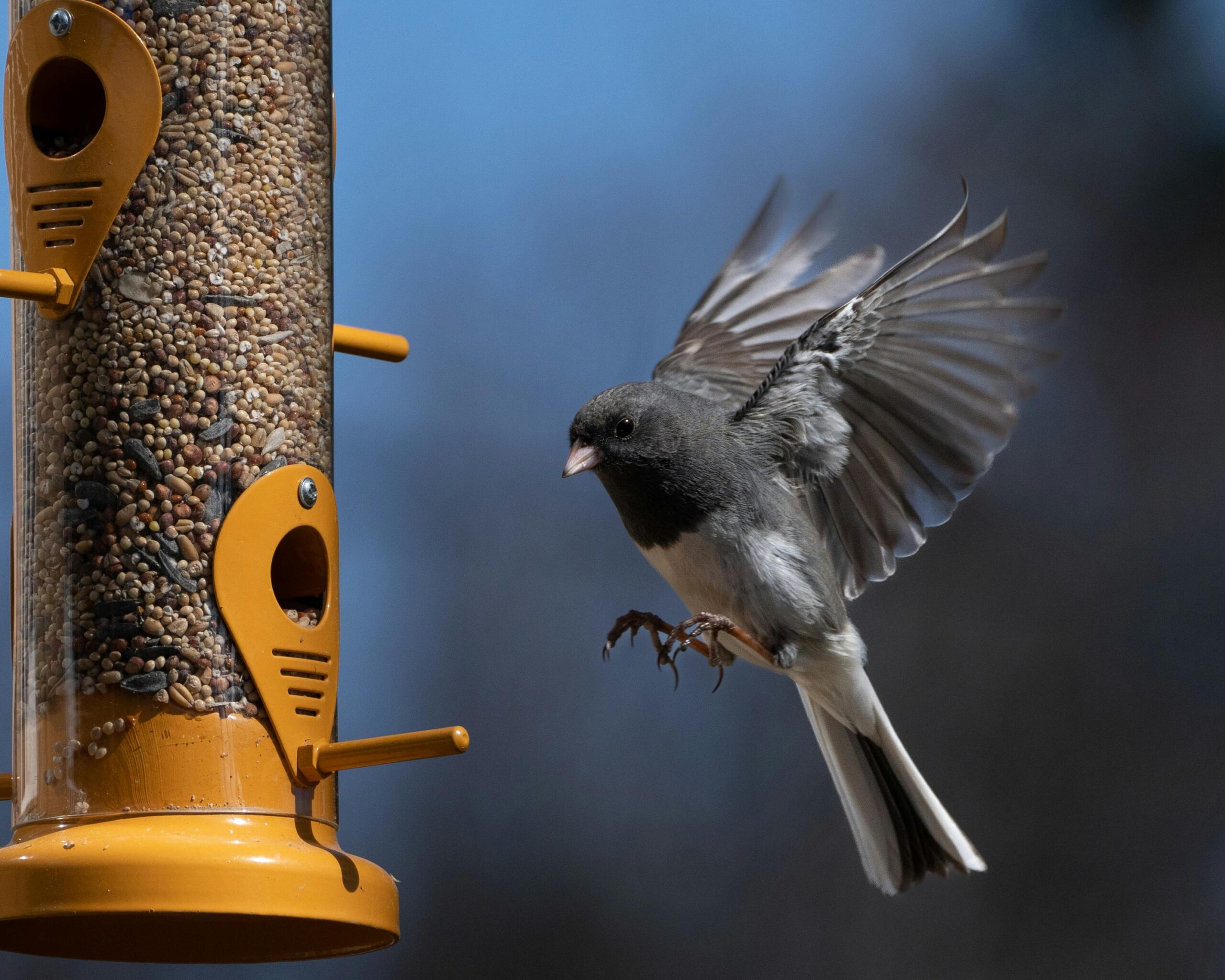
Credit: chirpforbirds.com
Proper Storage Tips
Bird seeds can lose freshness and nutritional value over time. Proper storage helps keep seeds safe and tasty for birds.
Knowing the right way to store bird seeds stops spoilage and prevents mold or pests.
Ideal Conditions
Keep bird seeds in a cool, dry place away from sunlight. Heat and moisture cause seeds to spoil quickly.
- Store seeds at temperatures below 70°F (21°C).
- Avoid damp or humid areas to prevent mold growth.
- Keep seeds in a dark spot to reduce exposure to light.
- Use seeds within six months for best freshness.
Storage Containers
Choosing the right container protects seeds from air, moisture, and pests. Airtight containers work best.
| Container Type | Benefits |
| Plastic Airtight Jar | Keeps moisture and pests out |
| Metal Bin with Lid | Durable and pest-resistant |
| Glass Jar with Seal | Prevents air and moisture |
| Original Seed Bag | Use only if sealed tightly |
Buying And Handling Bird Seeds
Bird seeds can lose freshness over time. Buying good seeds helps keep birds healthy.
Handling seeds carefully also keeps them safe from pests and moisture.
Choosing Fresh Seeds
Pick seeds that look clean and dry. Avoid bags with dust or mold inside.
- Check for bright colors and no signs of damage.
- Buy seeds from trusted stores or brands.
- Choose seeds in sealed packaging to keep freshness.
- Look for seeds suitable for the bird species you want to feed.
How To Check Quality Before Purchase
Check the package for expiration dates and storage instructions. Seeds past their date may spoil.
| Quality Check | What to Look For |
| Expiration Date | Buy seeds with a future date |
| Smell | Fresh seeds smell mild, not musty |
| Texture | Seeds should feel firm, not soft or shriveled |
| Packaging | Sealed and intact, no holes or tears |

Credit: www.amazon.com
Extending Shelf Life
Bird seeds can lose freshness and nutritional value over time. Proper storage helps keep seeds good longer.
Good storage prevents seeds from spoiling or becoming unsafe for birds to eat.
Freezing Techniques
Freezing bird seeds slows down spoilage and keeps them fresh. It stops mold and insect growth.
Use airtight bags or containers before freezing to avoid moisture and freezer burn.
- Place seeds in sealed freezer bags
- Remove as much air as possible
- Label with date before freezing
- Thaw seeds at room temperature before use
Avoiding Moisture And Pests
Keep bird seeds dry to stop mold and rot. Moisture makes seeds spoil fast.
Store seeds in sealed containers to protect from pests like insects and rodents.
- Use airtight containers with tight lids
- Store seeds in a cool, dry place
- Check seeds regularly for signs of pests
- Clean storage area often to remove crumbs
Frequently Asked Questions
How Long Does Bird Seed Last Before Expiring?
Bird seed typically lasts 6 to 12 months if stored properly. Fresh seeds attract more birds and offer better nutrition. Always check the package for a best-by date. Exposure to moisture or heat shortens shelf life and promotes mold growth.
Can Expired Bird Seed Harm Birds?
Expired bird seed can harm birds if moldy or rancid. Moldy seeds produce toxins that cause illness. Always discard seed with unusual smell, discoloration, or clumping to keep birds safe and healthy.
How To Store Bird Seed To Extend Shelf Life?
Store bird seed in a cool, dry place, away from sunlight. Use airtight containers to prevent moisture and pests. Proper storage preserves freshness and prevents spoilage, ensuring seeds remain nutritious and appealing to birds.
Does Bird Seed Lose Nutritional Value Over Time?
Yes, bird seed loses nutritional value as it ages. Oils in seeds can become rancid, reducing benefits. Fresh seeds provide better energy and nutrients for wild birds. Rotate stock regularly for optimal feeding.
Conclusion
Bird seeds do expire, affecting their quality and nutrition. Always check the packaging date. Store seeds in cool, dry places to maintain freshness. Discard any seeds that look moldy or smell off. Fresh seeds ensure better health for your feathered friends.
Regularly buying smaller quantities helps maintain freshness. Keep an eye on storage conditions. Proper care extends seed life, benefiting birds and their environment. Birdwatching becomes more rewarding with fresh seeds. Enjoy vibrant, healthy birds visiting your garden. Stay informed about seed shelf life for optimal bird care.
Your feathered friends will thank you.