

Birds often eat a variety of fruits, including plums. Understanding if birds eat plums helps protect both birds and fruit trees.
Many bird species enjoy plums as part of their diet. These fruits provide important nutrients like vitamins and sugars. Birds help spread seeds, which supports plant growth. Knowing what birds eat helps us keep their natural habits safe. It also guides gardeners on how to protect fruit from bird damage.
Watching birds eat plums can be fun and educational. This information supports a healthy balance between wildlife and nature. Learning about bird diets helps us care for local birds better. It also shows the close link between birds and plants in the wild.
What Birds Eat
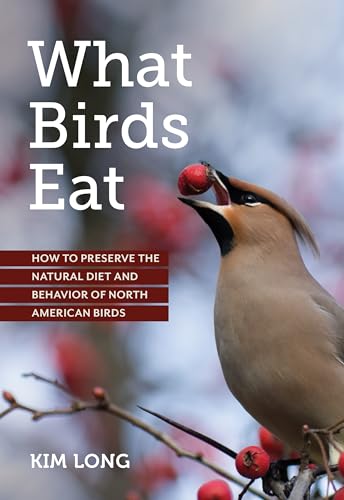
Ideal for bird enthusiasts, wildlife rehabilitators, and anyone passionate about North American birds, What Birds Eat: How to Preserve the Natural Diet and Behavior of North American Birds is a comprehensive guide that helps readers understand and support the natural feeding habits of birds. This book is perfect for those who want to promote the health and well-being of bird populations by preserving their natural diet and behaviors.
Pros:
- Detailed and illustrated guide with 368 pages of in-depth information
- Provides practical advice on preserving natural bird diets and behaviors
- Published by the reputable Skipstone brand and manufacturer
- Compact and portable size (8.0 x 5.5 x 1.0 inches) for easy reference in the field
- Well-researched content suitable for both beginners and experts
Cons:
- Focused specifically on North American birds, limiting its use for international readers
- Heavy for a book of its size (over 1.3 pounds), which might affect portability for some users
- Publication date is 2020, so some recent research might not be included
This book offers a rich exploration of the natural diets of various North American bird species, emphasizing the importance of maintaining their ecological roles and natural behaviors. The illustrated edition enhances understanding by providing clear visuals alongside detailed descriptions, making it easier for readers to identify bird species and their preferred foods. By following the guidance in this book, readers can contribute to sustainable bird feeding practices that avoid disrupting natural ecosystems.
Beyond diet, the book delves into how feeding practices affect bird behavior and overall health. It encourages a respectful approach to wildlife care that benefits both the birds and their habitats. With precise measurements and a well-organized layout, this Skipstone publication is a valuable resource for anyone aiming to make a positive impact on bird conservation efforts.
Frequently Asked Questions
Do Birds Eat Plums From Backyard Trees?
Yes, many bird species enjoy eating ripe plums. They prefer soft, juicy fruit that is easy to peck. Plums provide a good source of natural sugars and hydration for birds during warm seasons.
Which Birds Commonly Eat Plums In North America?
Birds like robins, cedar waxwings, and starlings often eat plums. These birds are attracted to the fruit’s sweetness and nutrient content. They help disperse plum seeds naturally in the environment.
Can Plums Harm Birds If Eaten In Excess?
Eating too many plums can upset birds’ digestion. The fruit’s pits contain small amounts of cyanide, which are toxic if consumed in large quantities. Birds usually avoid swallowing pits, reducing risk.
How To Protect Plums From Bird Damage?
Use bird netting or scare devices to protect plum trees. Harvest plums early to reduce loss from birds. Providing alternative food sources can also help divert birds from your fruit.
Do Wild Birds Rely On Plums For Nutrition Year-round?
No, plums are seasonal and available mainly in summer. Birds rely on varied diets including insects, seeds, and berries throughout the year. Plums are a valuable but temporary food source.
Conclusion
Many birds enjoy a variety of fruits, and plums can be a tasty treat for them. These fruits provide essential nutrients, making them a valuable part of some birds’ diets. By understanding what birds eat, we can better preserve their natural behavior.
Offering plums occasionally can attract birds to your garden, allowing you to observe them closely. Always ensure the plums are fresh and free from pesticides. This helps keep the birds healthy and safe. It’s important to remember that not all birds eat plums.
Some prefer seeds, insects, or other fruits. Observing which birds are attracted to plums can be an enjoyable activity. Providing a diverse range of food options can encourage a variety of bird species to visit your area. This helps maintain the natural ecosystem in your garden.
Overall, offering plums can be a simple way to support local bird populations while enjoying their presence.



