Have you ever watched a blackbird with striking red wings and wondered what it eats? If you’re curious about whether these beautiful birds enjoy worms, you’re in the right place.
Understanding what blackbird red wings eat can change how you attract them to your garden or simply satisfy your natural curiosity. Keep reading, and you’ll discover surprising facts that might just change the way you see these colorful visitors forever.
Blackbird Red Wings Basics
The Blackbird Red Wings is a small bird known for its bright red wing patches. These birds live in many areas and are easy to spot. People often ask if they eat worms.
Blackbird Red Wings mainly eat insects and seeds. Worms are part of their diet, especially during breeding season when they need more protein.
Physical Traits
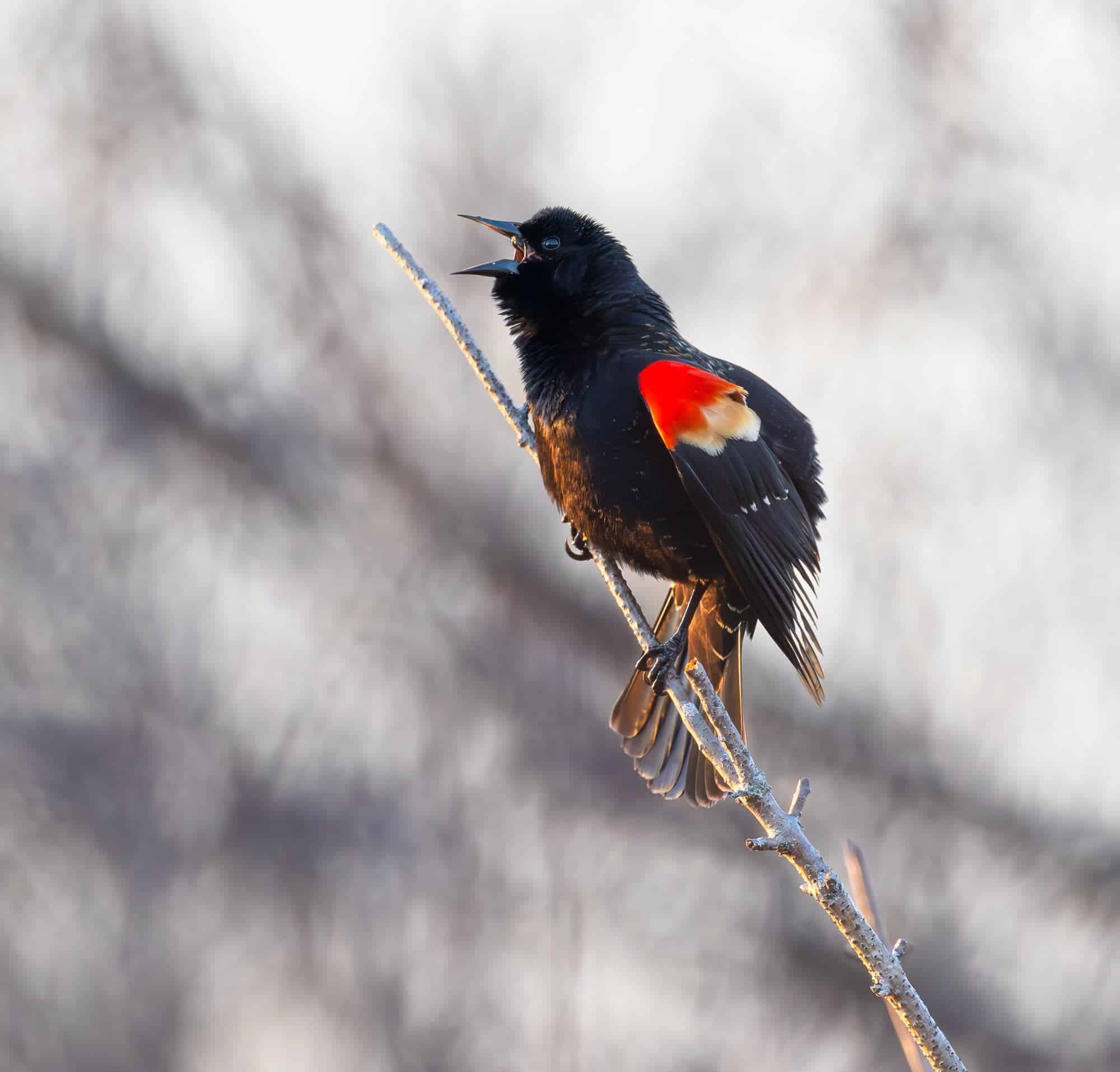
Blackbird Red Wings are about 8 inches long. They have black feathers with bright red patches on their wings. Males have larger red patches than females.
Their beaks are sharp and pointed. This helps them catch insects and pick up small food like worms.
Natural Habitat
These birds live in open fields, meadows, and forest edges. They like places with tall grass and shrubs. This habitat helps them find food and build nests.
Blackbird Red Wings are common in North America. They often stay near water sources like ponds and streams.
Behavior Patterns
Blackbird Red Wings are active during the day. They search for food on the ground and in low plants. They often hunt for insects and worms.
These birds are social and often gather in groups. During breeding, they sing to attract mates and protect their territory.

Credit: birds.fandom.com
Diet Of Blackbird Red Wings
The Blackbird Red Wings is a bird known for its varied diet. It eats different types of food depending on the season and availability.
Understanding what Blackbird Red Wings eat helps us learn about their habits and role in the ecosystem.
Common Food Sources
Blackbird Red Wings feed on many types of food. They eat insects, seeds, and fruits mostly. Worms are also part of their diet.
- Insects like beetles and caterpillars
- Seeds from grasses and plants
- Fruits such as berries
- Earthworms and other small invertebrates
Seasonal Diet Changes
The diet of Blackbird Red Wings changes with the seasons. They eat more insects in the summer and more seeds in the winter.
| Season | Main Food |
| Spring | Insects and worms |
| Summer | Insects and fruits |
| Fall | Fruits and seeds |
| Winter | Seeds and grains |
Preference For Worms
Blackbird Red Wings often eat worms because they are rich in protein. Worms are easy to find in moist soil, especially after rain.
Worms help Blackbird Red Wings stay healthy and strong. They catch worms by probing the ground with their beaks.
How They Hunt For Worms
Blackbirds with red wings often eat worms as part of their diet. Worms provide a good source of protein and nutrients. These birds have special ways to find and catch worms in nature.
Understanding how blackbirds hunt for worms helps us learn about their behavior. Their hunting skills show how they survive and thrive in different environments.
Foraging Techniques
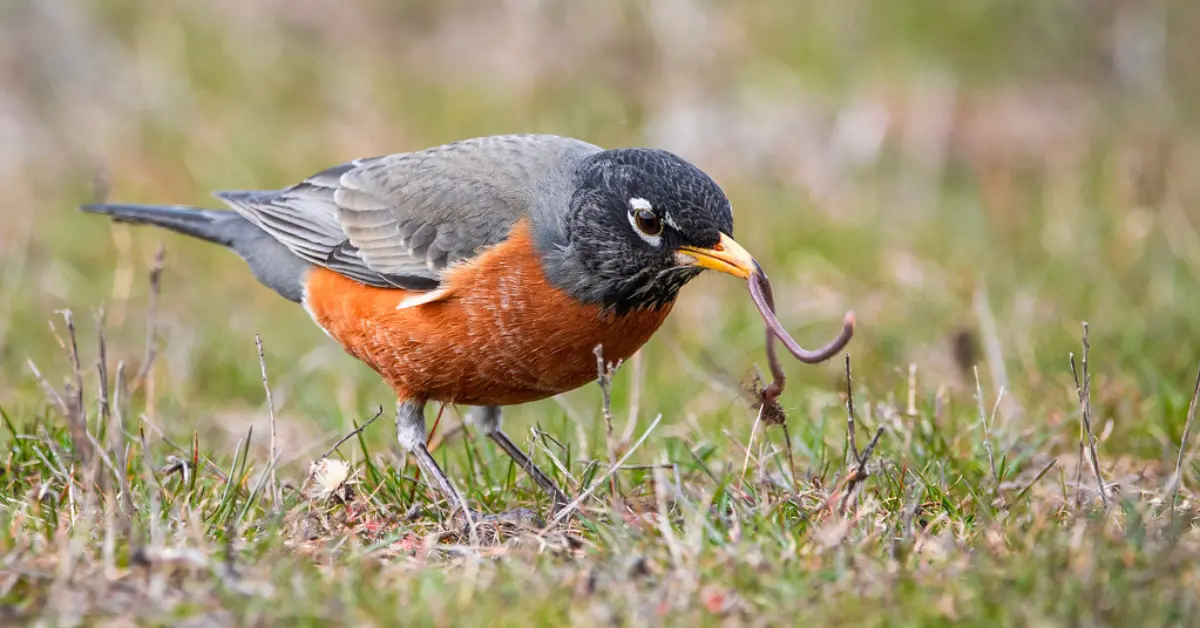
Blackbirds use their sharp eyes to spot worms on or under the soil. They often walk slowly on the ground, looking for small movements or holes. When they see a worm, they quickly peck at the soil to pull it out.
These birds also use their strong beaks to dig slightly into soft soil. They listen carefully for sounds of worms moving underground. This helps them find worms even when they are hidden.
Time Of Day For Feeding
Blackbirds usually hunt for worms early in the morning. The soil is often moist then, making it easier to find worms. Worms come closer to the surface after rain, which helps the birds feed well.
They may also search for worms in the late afternoon. During these times, the light is good, and the birds can see worms more easily on the ground.
Environmental Factors
Weather affects how blackbirds find worms. Wet soil after rain makes worms come up, which helps birds catch them. Dry or cold weather makes worms stay deep underground, so birds find fewer worms.
The type of soil also matters. Soft, loose soil is easier for blackbirds to search through. Hard or rocky soil makes it harder for them to dig and find worms.
- Wet soil increases worm activity
- Soft soil helps birds dig easily
- Cold or dry soil hides worms deeper
- Rainy days improve worm availability
Credit: nestboxlive.com
Nutritional Benefits Of Worms
Blackbirds with red wings often eat worms as part of their diet. Worms provide many nutrients that help these birds grow strong and stay healthy.
Worms are easy to find and full of important food elements. They are a natural source of energy and nutrition for birds.
Protein Content
Worms contain a lot of protein. Protein helps birds build muscles and repair their bodies.
Birds need protein for growth and to stay strong during flight and daily activities.
Energy Provision
Worms give birds energy to fly and search for food. Energy comes from fats and carbohydrates in worms.
The energy from worms helps birds stay active all day long without getting tired.
Impact On Health
Eating worms supports the immune system of birds. Worms have vitamins and minerals that keep birds healthy.
Healthy birds can avoid diseases and survive better in the wild. Worms are a natural way to get good nutrition.
Misconceptions About Their Diet
Many people believe that blackbird red wings eat only worms. This idea is popular but not fully true. Their diet is more varied and includes many other foods.
This article explains common myths, scientific findings, and observations about what these birds eat.
Common Myths
One common myth is that blackbird red wings eat mostly worms. People often see them digging in the soil and assume worms are their main food.
Another myth says they eat only insects or only berries. These ideas limit the true variety in their diet.
- Blackbird red wings eat only worms.
- They avoid fruits and seeds.
- Their diet is the same all year round.
Scientific Findings
Scientists studied blackbird red wings by checking their droppings and stomach contents. They found the birds eat worms, insects, seeds, and fruits.
The diet changes with seasons. Worms and insects are more common in spring and summer. Fruits and seeds increase in fall and winter.
- Worms make up a part of the diet, not all.
- Insects are important for protein.
- Seeds and fruits provide energy in colder months.
Observational Evidence
People watching blackbird red wings see them feeding on lawns, fields, and trees. They pick worms from soil but also eat berries and grains.
Bird watchers notice these birds change their food choices based on what is available around them.
- Feeding on worms in wet soil areas.
- Picking berries from bushes and trees.
- Eating grains in open fields.

Credit: pngtree.com
Feeding Behavior In Different Seasons
Red-winged blackbirds eat many types of food. They like insects, seeds, and worms. Their diet changes with the seasons.
This change helps them get enough energy all year. They eat more worms in some seasons than others.
Spring And Summer Habits
In spring and summer, red-winged blackbirds eat many insects. Worms are an important part of their diet. They find worms in soft soil after rain.
These birds need extra protein to build nests and feed their young. Worms provide this protein and are easy to catch in warm months.
- Eat earthworms and larvae
- Hunt insects like beetles and caterpillars
- Feed young birds mostly worms and insects
Fall And Winter Adjustments
In fall and winter, worms are harder to find. The soil is cold or frozen. Red-winged blackbirds change their diet then.
They eat more seeds, grains, and leftover crops. Worms are less common but still eaten when the soil is soft.
- Eat seeds from grasses and weeds
- Feed on leftover grains in fields
- Look for worms on warmer days
Interactions With Other Species
Blackbirds with red wings often share their habitat with many other animals. They interact with other species in different ways.
These interactions affect how they find food and survive in the wild. Understanding these helps us learn about their life.
Competition For Food
Blackbirds with red wings compete with other birds and animals for worms and insects. Many animals like worms too.
This competition can make it hard for them to find enough food, especially in crowded places or during bad weather.
- Other birds such as robins and thrushes also eat worms.
- Small mammals like shrews may compete for the same food.
- Blackbirds look for worms early in the morning when they are easier to find.
Symbiotic Relationships
Blackbirds with red wings sometimes have helpful relationships with other species. These help them find food or stay safe.
For example, they may follow grazing animals that turn up worms in the soil. This helps blackbirds find food more easily.
- Following cattle or horses to find worms in disturbed soil
- Alerting other birds to nearby predators by calling loudly
- Sharing feeding areas with other birds without fighting
Frequently Asked Questions
Do Blackbird Red Wings Eat Worms Regularly?
Yes, blackbird red wings commonly eat worms as part of their diet. Worms provide essential protein and nutrients, helping them stay healthy and active.
Are Worms A Primary Food Source For Red-winged Blackbirds?
Worms are one of several food sources for red-winged blackbirds. They also eat seeds, insects, and small fruits, depending on availability.
How Do Red-winged Blackbirds Find Worms To Eat?
Red-winged blackbirds locate worms by probing soft soil or mud. They use their sharp beaks to extract worms efficiently from the ground.
Can Red-winged Blackbirds Survive Without Eating Worms?
Yes, red-winged blackbirds can survive without worms. They adapt by eating seeds, insects, and other available foods throughout the year.
Conclusion
Blackbird red wings love worms. They enjoy hunting them in the soil. These birds have diverse diets. Besides worms, they eat insects and seeds. Worms provide essential nutrients for them. Observing their feeding habits is fascinating. Nature’s balance relies on such interactions.
Understanding these birds helps appreciate their role in ecosystems. Encourage kids to watch these birds in gardens. It’s a fun way to learn about nature. Connects children to wildlife. Fosters curiosity and respect for the environment. Blackbird red wings are a vital part of our ecosystem.
Their eating habits reflect nature’s complexity beautifully.