Do Blue Jays Eat Bird Seed? (The Real Story)
Have you wondered if blue jays visit just for feeder seeds? You want to know what these striking birds eat. You are in the right spot to find out.
Knowing if blue jays eat bird seed helps you. You can attract the right garden visitors. You can keep your feeder stocked wisely. Read on to learn the truth about blue jays. Find out how to make your backyard their favorite spot.

Credit: www.reddit.com
Blue Jays and Bird Seed
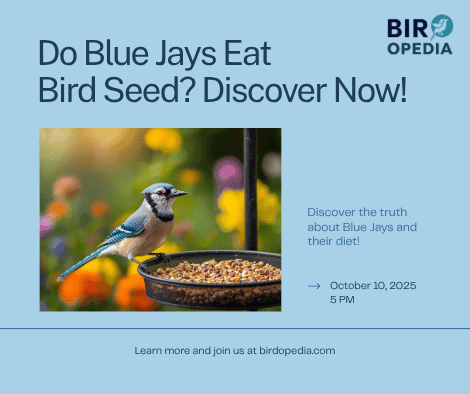
Blue jays often visit backyard feeders. They are known for their loud calls and bright blue color. Many people ask if blue jays eat bird seed. They also ask what types they prefer.
Knowing what seeds they like helps you attract them. It helps you provide the best food for these birds.
Common Seeds They Prefer
Blue jays enjoy many different seeds. They are not picky eaters. They often choose larger seeds. These seeds are easy for them to hold.
Sunflower seeds are favorites. Black oil seeds are best.
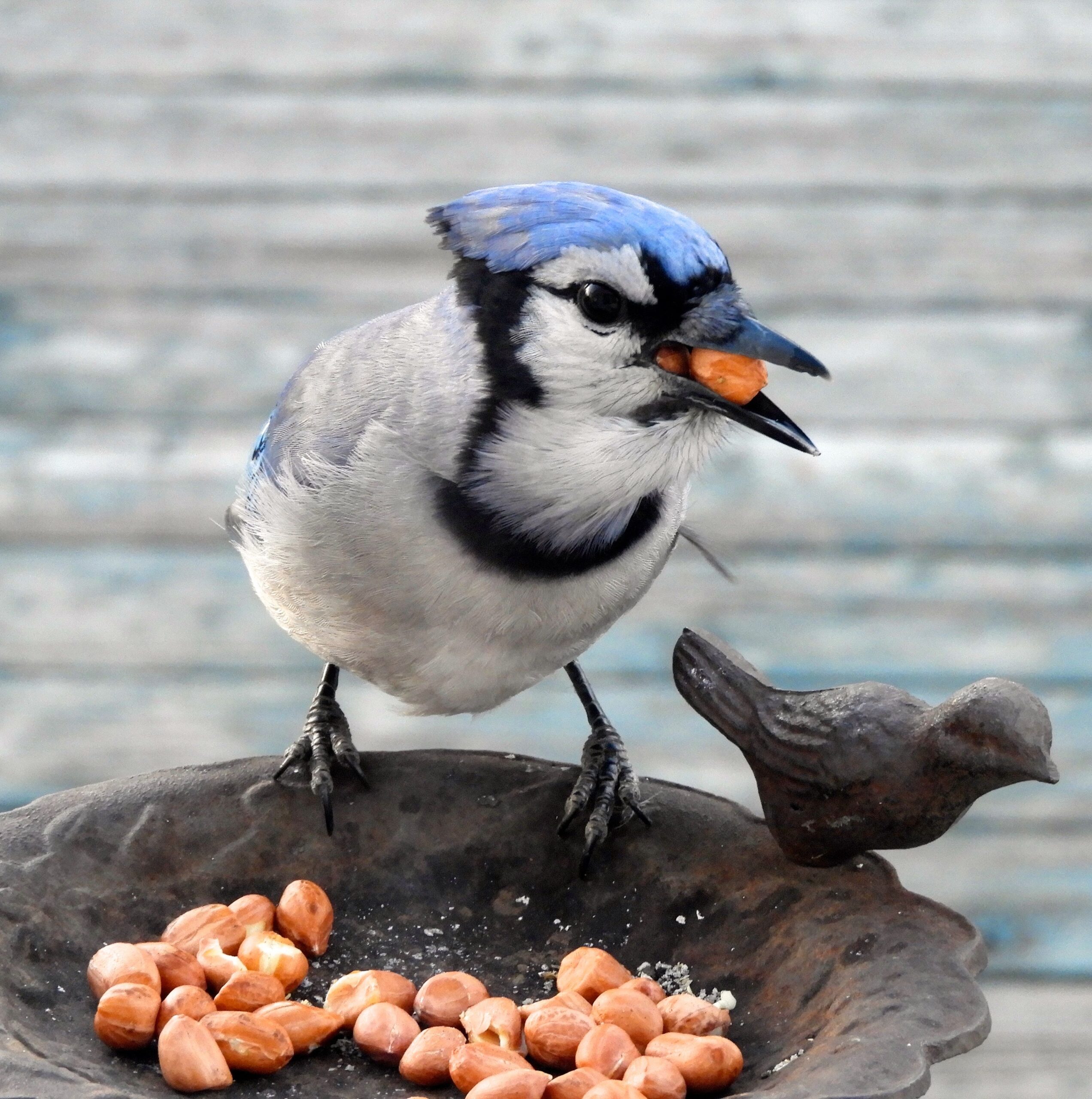
They love peanuts, shelled or not.
Safflower seeds work well, too.
Millet and cracked corn are also eaten.
Why Blue Jays Visit Feeders
Blue jays come to feeders for food and safety. Feeders offer seeds without much effort. They also use feeders to watch for danger.
Credit: localgardener.net
Blue Jay Eating Habits
Blue jays are common birds in North America. They have bright blue feathers and loud calls. People ask if they eat only bird seed. These birds do eat feeder seeds. Their overall diet is much more varied.
Food Variety
Blue jays eat many foods besides seed. They enjoy nuts, fruits, and insects. They sometimes eat small animals or bird eggs. This mixed diet gives them enough nutrients. It helps them survive in many different places.
They eat acorns and different nuts.
They love berries and soft fruits.
They catch insects like beetles.
They sometimes eat small eggs and nestlings.
Seasonal Diet Changes
Blue jays change their food with the seasons. They eat more fruits and insects in spring and summer. They eat more nuts and seeds in fall and winter. They often hide acorns to eat later in the cold.
Spring/Summer: insects, fruits, and eggs.
Fall/Winter: nuts, seeds, and hidden acorns.
How to Attract Blue Jays
Blue jays are beautiful birds. They bring life to your yard. They enjoy eating seed and other foods. Attracting them needs the right feeders and seeds. You will see them often with the right setup. They are smart birds. They like a safe place to eat.
Best Seeds to Use
Blue jays prefer large nuts and seeds. They like seeds that give them energy. These seeds should be easy to handle. Using the right seeds attracts them fast.
Avian veterinarian Dr. Laura Wade stresses good food choices. “Foods like whole peanuts and black oil sunflower seeds are excellent sources of fat and protein.” She notes blue jays need this critical energy for harsh winters.
Peanuts, shelled or not, are great.
Sunflower seeds work very well.
Cracked corn and acorns are good choices.
Safflower seeds are also popular.
Avoid small seeds like millet. Blue jays find them hard to pick up. Large seeds keep them coming back to you.

Credit: www.youtube.com
Blue Jays and Other Birds
Blue jays often visit bird feeders. They enjoy many types of food. This includes the seeds you put out. Their eating habits affect other wildlife nearby. Understanding their habits protects local nature. It shows how different birds share food.
Interactions at Feeders
Blue jays are very bold at feeders. They may be aggressive. They often chase away smaller birds to get food. This limits feeding time for shy birds. They eat seeds like peanuts and sunflower seeds. Their visits can change which birds come to your feeder.
Blue jays can scare small finches.
They sometimes take food from other birds.
Some birds learn to eat when jays are gone.
Impact on Nature
Blue jays help spread seeds from plants. This helps new plants grow. It supports the health of forests. Their seed-eating affects local plants and animals. They also warn other animals about danger nearby. Blue jays help balance nature.
- The National Audubon Society calls blue jays “nature’s great reforestation agents.” They hide thousands of acorns and nuts to eat later. Many are never retrieved. This habit spreads oak trees across North America.
Seed spreading helps forests grow again.
Blue jays alert other animals about danger.
Their eating habits affect many local species.
Tips for Safe Feeding
Blue jays love to eat your seed. Feeding them safely is crucial. Simple steps help them stay healthy. Correct feeding protects them from illness. It also keeps your garden tidy.
Avoiding Mistakes
Do not offer food that is bad for jays. Avoid salty or moldy seeds. Never give sugary snacks. These hurt their health badly. Do not feed them too much at once. Overfeeding stops them from finding food naturally.
Use fresh, clean seed like peanuts.
Do not mix human food with seed.
Keep feeding times regular, but not too often.
Place feeders where jays feel safe from danger.
Keeping Feeders Clean
Clean feeders often to stop sickness. Dirty feeders can make blue jays ill. Check feeders every few days. Remove old seed. Wash feeders with warm water and a little soap.
Cleaning feeders every two weeks is very important. The Cornell Lab of Ornithology says this stops diseases from spreading. Wet, dirty seed can carry dangerous germs. Regular cleaning is vital for the health of all wild birds.
Rinse feeders well to remove all soap.
Dry feeders before you fill them.
Use a brush to clean tough spots.
Move feeders sometimes to clean up waste.
Frequently Asked Questions
Do Blue Jays Prefer Bird Seed?
Yes, blue jays enjoy many bird seeds. They especially like peanuts and sunflower seeds. These seeds give them key nutrients and energy.
Can Blue Jays Eat Any Seed Mix?
Blue jays eat most seed mixes. They prefer larger seeds like safflower and sunflower. Avoid mixes with small seeds. Blue jays may just ignore them.
Are Blue Jays Harmful to Other Birds?
Blue jays can be aggressive. They may chase smaller birds away. They usually do not hurt other birds. Use multiple feeding spots to reduce conflicts.
How Can I Attract Blue Jays?
Offer corn, peanuts, or sunflower seeds. Use platform or large tube feeders. Fresh water nearby also attracts these birds.
Conclusion
Blue jays truly love bird seed. Peanuts and sunflower seeds are their top choice. They are smart, clever birds. They visit feeders often. Offering the right seeds attracts them quickly. Watch them add color to your yard.
Watching blue jays brings joy to birdwatching. Keep your feeders clean and full. You will see these beautiful birds often. Invite them with the correct food. Appreciate their beauty and smarts. Enjoy nature right outside your window.
Ready to be amazed by the intelligence and unique habits of these birds? Watch this video to learn the incredible hidden facts about Blue Jays, including their memory and caching behavior: