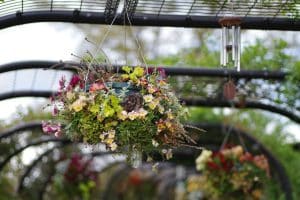
Have you ever wondered why some gardens burst with colorful birds while others seem empty? The secret might be in the colors you choose.
Bright colors can catch a bird’s eye from afar, drawing them closer to your yard or balcony. But do all bright colors work the same way? And how can you use this knowledge to create your own bird-friendly space? Keep reading to discover how the right colors can turn your outdoor area into a lively haven for birds.
Your feathered friends are closer than you think!
Color Vision In Birds
Birds see colors differently from humans. Their vision helps them find food and mates.
Understanding how birds see colors explains why bright colors attract them.
How Birds See Colors
Birds have special eyes with more color receptors than humans. They can see colors we cannot.
- Birds have four types of color receptors, humans have three.
- They see ultraviolet light, which is invisible to humans.
- They detect finer differences in color shades.
- Color helps birds find ripe fruits and healthy mates.
Differences From Human Color Perception
| Aspect | Birds | Humans |
| Number of Color Receptors | Four (including UV) | Three (no UV) |
| Color Range | Broader, includes ultraviolet | Narrower, visible spectrum only |
| Color Sensitivity | Higher sensitivity to subtle differences | Lower sensitivity |
| Purpose | Finding food, mates, navigation | Daily activities, less emphasis on UV |

Credit: www.birdwatchingdaily.com
Bright Colors And Bird Attraction
Birds see colors differently than humans. Bright colors often catch their attention quickly.
Many birds are drawn to bright colors for food, mates, or territory signals.
Role Of Bright Colors In Bird Behavior
Bright colors help birds find food, like colorful flowers or fruits. They also show strength and health during mating season.
Some birds use bright colors to warn others or mark their area. Color helps birds communicate without making sounds.
Examples Of Birds Attracted To Bright Hues
Several birds are famous for their bright colors. These colors attract mates and sometimes help them hide in colorful environments.
- Hummingbirds: attracted to red and orange flowers
- Peacocks: use bright feathers to impress mates
- Kingfishers: bright blue and orange feathers signal territory
- Cardinals: bright red plumage helps them stand out
- Sunbirds: attracted to yellow and red blossoms
Colors That Repel Birds
Birds are drawn to many bright colors, but some colors can actually keep them away. Understanding which colors repel birds helps in protecting gardens and buildings.
This guide explains common colors birds avoid and the reasons behind their color aversion.
Common Colors Birds Avoid
Birds tend to stay away from certain colors that signal danger or are hard to see. These colors include:
- Black
- White
- Bright Yellow
- Red
- Blue
These colors can make birds feel unsafe or confused, so they avoid areas where these colors are strong.
Reasons Behind Color Aversion
| Reason | Explanation |
| Predator Warning | Colors like red and black mimic predator signals, scaring birds away. |
| Camouflage | Colors that blend with nature help birds hide, so bright unnatural colors repel them. |
| Visibility Issues | Colors that are too bright or glaring cause discomfort and confusion. |
| Unfamiliarity | Birds avoid colors that are rare in their environment as a safety instinct. |

Credit: www.birdsandblooms.com
Using Colors In Birdwatching
Colors play a big role in birdwatching. Birds see colors differently than humans do. Bright colors can help attract birds to feeders and gardens.
Choosing the right color for your bird feeder or accessories can increase your chances of seeing specific birds up close. Understanding how colors affect birds can improve your birdwatching experience.
Choosing Colors For Bird Feeders
Birds notice colors that stand out in their environment. Bright colors like red, yellow, and orange often attract more birds. These colors mimic flowers and fruits that birds like.
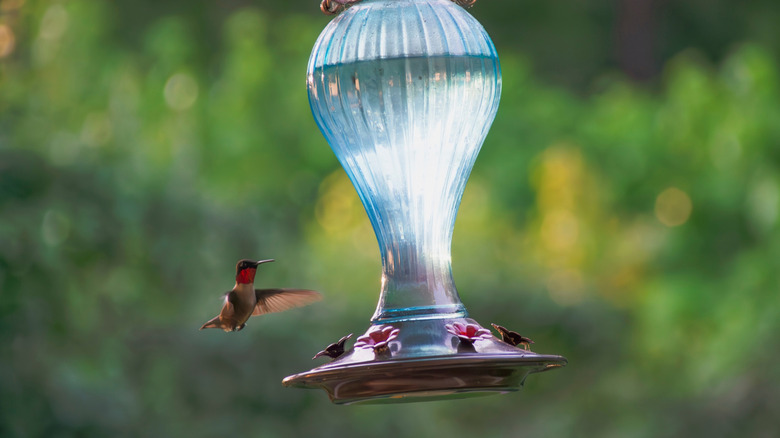
- Red feeders attract hummingbirds and orioles
- Yellow feeders appeal to finches and warblers
- Blue feeders can attract bluebirds and jays
- Green feeders blend in, attracting shy birds
Attracting Specific Bird Species
Different bird species prefer different colors. Using the right color can help attract the birds you want to see. Below is a table showing common birds and their favorite feeder colors.
| Bird Species | Preferred Feeder Color |
| Hummingbird | Red |
| Goldfinch | Yellow |
| Blue Jay | Blue |
| Cardinal | Red |
| Chickadee | Black or Dark Colors |
Colors In Bird Communication
Birds use colors to send messages to each other. Bright colors can mean different things.
These colors play roles in finding mates, warning others, or hiding from danger.
Mating Displays And Bright Plumage
Many birds show bright colors to attract mates. Males often have vivid feathers to stand out.
- Bright colors show health and strength.
- Color patterns help females choose the best partners.
- Some birds perform dances to highlight their colors.
- Colors can change with seasons to signal readiness.
Warning Signals And Camouflage
Colors also warn others or help birds hide. Bright colors can signal danger or taste bad.
| Color Type | Purpose | Example |
| Bright Red | Warn predators | Woodpeckers |
| Green and Brown | Blend with environment | Owls |
| Black and Yellow | Signal poison or danger | Orioles |
| Grayish Tones | Hide in rocks or trees | Rock Wrens |
Credit: www.outdoorguide.com
Myths About Colors And Birds
Many people believe bright colors always attract birds. This idea is popular in gardening and bird watching. People often use colorful feeders or decorations to bring more birds.
It is important to look closely at these beliefs. Science shows that birds do not always respond to colors the way we expect. Some myths about colors and birds need to be questioned.
Common Misconceptions
One common myth is that bright colors like red and yellow attract all birds. People think birds like these colors because they are easy to see. Another false idea is that dull colors scare birds away.
Some believe that birds only visit feeders with bright colors. Also, many think that using many colors will bring more bird species to their yard. These ideas are not always true.
- All birds prefer bright colors like red and yellow.
- Dull colors do not attract any birds.
- More colors mean more types of birds.
- Birds are attracted only by color, not by food or shelter.
Scientific Findings That Challenge Beliefs
Research shows birds see colors differently than humans. Birds can see ultraviolet light, which we cannot see. This changes how they react to colors.
Studies find that food quality, smell, and safety are more important than color. Some birds prefer feeders that look natural instead of bright. Birds also learn which feeders give good food.
- Bird vision includes ultraviolet colors invisible to humans.
- Birds choose feeders by food type, not just color.
- Natural colors can attract shy or cautious birds.
- Birds remember feeder locations with good food.
Frequently Asked Questions
Do Bright Colors Really Attract More Birds?
Yes, bright colors like red, yellow, and orange attract many bird species. These colors mimic natural food sources, drawing birds closer.
Which Colors Are Best For Attracting Specific Birds?
Red attracts hummingbirds, blue appeals to bluebirds, and yellow draws orioles. Different birds respond uniquely to various bright colors.
Can Bright Colors Affect Bird Behavior Negatively?
Bright colors usually attract birds but can sometimes scare shy species. It depends on the bird’s natural habitat and experience.
How To Use Bright Colors In Bird Feeders Effectively?
Use bright-colored feeders or add colorful accents. Place them in visible spots to increase bird visits and feeding activity.
Conclusion
Bright colors truly capture birds’ attention. They often signal food and safety. Many birds associate bright hues with flowers and fruit. This attraction helps them find food easily. Gardeners can use bright colors to draw birds into their gardens. Planting vibrant flowers or using colorful feeders works well.
Observing birds interacting with these colors is a joy. Nature’s design is both fascinating and beautiful. Bright colors play a crucial role in bird behavior. With this knowledge, you can create a bird-friendly environment. Enjoy the vibrant display and the birds they attract.