Do Feeders Attract Predators? Safety Guide
Have you ever wondered if putting out feeders in your yard might be inviting unwanted guests? You want to enjoy watching birds and wildlife, but the idea of attracting predators can be worrying.
Understanding how feeders impact the presence of predators is key to keeping your outdoor space safe and peaceful. You’ll discover the surprising truths about feeders and predators, and learn simple steps to protect your backyard visitors. Keep reading to find out how to enjoy your feeders without fear.
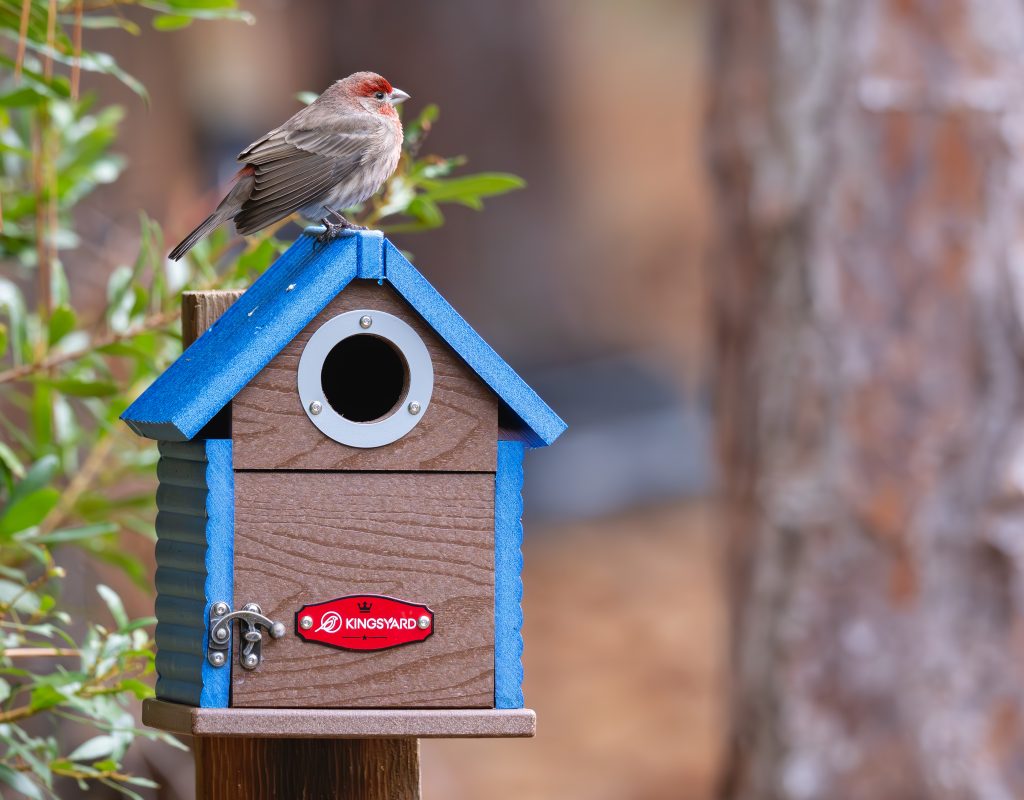
Credit: www.kingsyard.com
How Feeders Work
Feeders provide food to birds and other wildlife. They help animals find food easily. People use feeders to watch birds up close.
Feeders come in many shapes and sizes. They hold seeds, nectar, or suet. Birds visit feeders to eat and rest.
Types Of Feeders
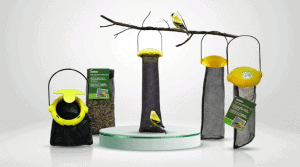
Different feeders suit different birds and foods. Tube feeders hold small seeds. Hopper feeders store large amounts of seed. Platform feeders are open and attract many bird types.
- Tube feeders for finches and chickadees
- Hopper feeders for cardinals and grosbeaks
- Platform feeders for jays and doves
- Nectar feeders for hummingbirds
- Suet feeders for woodpeckers and nuthatches
Common Feeder Locations
Placing feeders in safe spots helps birds stay protected. Near trees or shrubs gives cover from predators. Open spaces let birds see danger early.
| Location | Benefits |
| Near trees | Provides shelter and quick escape |
| On a porch | Easy to watch birds safely |
| Open yard | Good visibility for birds |
| Near shrubs | Offers hiding places from predators |
Bird Species Attracted
Feeders attract many bird species. Seed feeders bring sparrows and finches. Nectar feeders call hummingbirds. Suet feeders invite woodpeckers and nuthatches.
- House finches
- American goldfinches
- Black-capped chickadees
- Northern cardinals
- Ruby-throated hummingbirds
- Downy woodpeckers
- White-breasted nuthatches
Predators Near Feeders
Bird feeders attract many types of birds. They also attract animals that hunt these birds. This can cause problems for the birds visiting the feeders.
Predators watch feeders closely. They wait for the right moment to catch a bird. Knowing about these predators helps you keep birds safe.
Common Predator Species
Many animals hunt near bird feeders. Some are birds of prey, while others are mammals. These predators are common in many areas.
- Hawks and falcons fly near feeders
- Owls hunt at night near feeders
- Raccoons climb poles to reach feeders
- Snakes can hide nearby and strike
- Domestic cats wait silently for birds
Predator Behavior Around Feeders
Predators use feeders as hunting spots. They watch quietly for birds to come close. Some predators use stealth to surprise their prey.
Some predators stay hidden near feeders. Others perch nearby to wait. This behavior can reduce bird visits to feeders.
- Hawks often perch on nearby trees
- Raccoons climb feeders at night
- Cats hide under bushes near feeders
- Owls hunt when feeders are empty
- Snakes wait in dense plants near feeders
Do Feeders Increase Predator Risks?
Many people wonder if using feeders can attract predators. Understanding this helps keep wildlife safe. This topic looks at how feeders impact predator presence.
We will explore scientific studies and factors that influence predators near feeders. This shows the risks involved and what to watch for.
Scientific Studies And Findings
Research shows feeders can attract both prey and predators. Some studies find more predators near feeders, but results vary by location. Predators may come for small animals that visit feeders.
- Feeders increase food sources for prey animals.
- More prey can attract predators like foxes and hawks.
- Predator visits may rise, but attacks are not always higher.
- Some studies show no clear link between feeders and predator risks.
Factors Influencing Predator Presence
Several factors affect whether predators come near feeders. These include feeder type, location, and local predator populations. Weather and season also change predator behavior.
| Factor | Effect on Predator Presence |
| Feeder Type | Open feeders may expose prey, attracting predators |
| Location | Feeders near forests see more predator visits |
| Local Predators | High predator populations increase risk near feeders |
| Season | Predators are more active during breeding and hunting seasons |
| Weather | Bad weather may reduce predator activity |
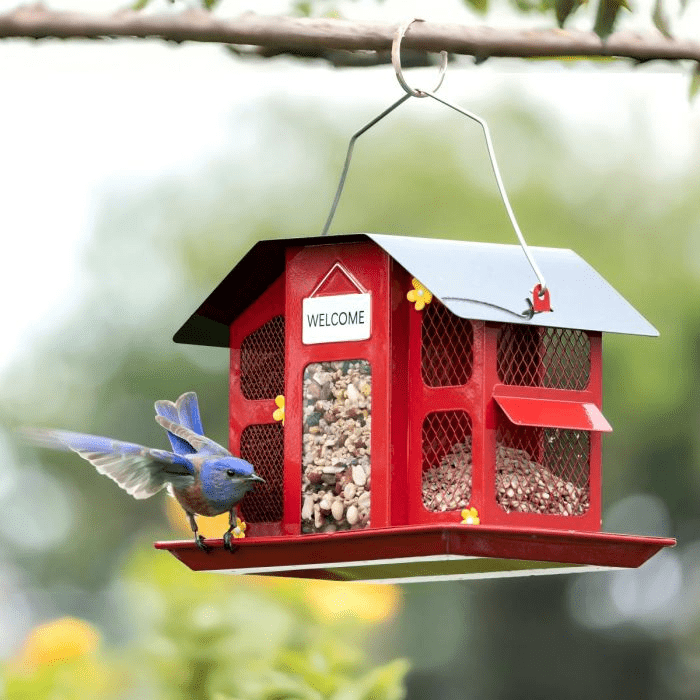
Credit: www.kingsyard.com
Safety Tips for Feeder Placement
Placing feeders safely helps protect birds from predators. Careful placement can reduce risks and keep your garden wildlife safe. Follow these tips to choose the best spot for your feeder.
Good feeder design and regular cleaning also help keep birds healthy. Learn how to pick feeders and maintain them properly to avoid attracting unwanted animals.
Choosing Safe Locations
Pick a spot that is open and visible to birds. Avoid placing feeders too close to bushes or trees where predators can hide. Keep feeders at least 10 feet away from thick cover.
- Place feeders 5 to 6 feet above the ground to prevent easy access by cats.
- Keep feeders away from windows to reduce bird collisions.
- Use poles with predator guards to stop climbing animals.
- Clear nearby branches within a 3-foot radius to limit predator jumping spots.
Feeder Design And Materials
Choose feeders made from durable materials like metal or heavy plastic. Avoid wooden feeders that can rot and hide predators. Designs with covered perches protect birds while eating.
| Feeder Type | Material | Predator Safety Feature |
| Tube Feeder | Metal | Small perches to limit large predators |
| Hopper Feeder | Plastic | Covered feeding ports |
| Squirrel-Proof Feeder | Metal and plastic | Weight-activated closing mechanism |
Maintaining Cleanliness
Clean feeders regularly to prevent disease. Dirty feeders attract rodents and predators. Use a mild bleach solution to sanitize all parts. Rinse well and dry before refilling.
Follow this cleaning schedule:
- Clean feeders every two weeks during mild weather.
- Increase cleaning to once a week in wet or cold seasons.
- Remove old seeds and debris daily.
Alternatives To Traditional Feeders
Many people worry that feeders attract predators. Traditional feeders can sometimes make birds easy targets. There are safer ways to help wildlife.
Alternatives focus on natural food and better habitats. These options reduce risks for birds and other animals.
Natural Food Sources
Natural food sources help birds find food safely. Planting native trees and shrubs provides fruits and seeds.
These plants attract insects and berries that birds eat. Birds can feed while staying hidden from predators.
- Berry bushes like elderberry and holly
- Seed-producing flowers such as coneflowers
- Native grasses that offer seeds
- Trees with nuts and fruits like oaks and cherries
Habitat Enhancements
Good habitats protect birds from predators. Adding shrubs and dense plants gives birds safe places to hide.
Logs, brush piles, and rock piles also create shelter. These spots help birds rest and escape danger.
- Plant dense shrubs near feeding areas
- Build brush piles for cover
- Leave dead trees for nesting sites
- Keep water sources with natural edges
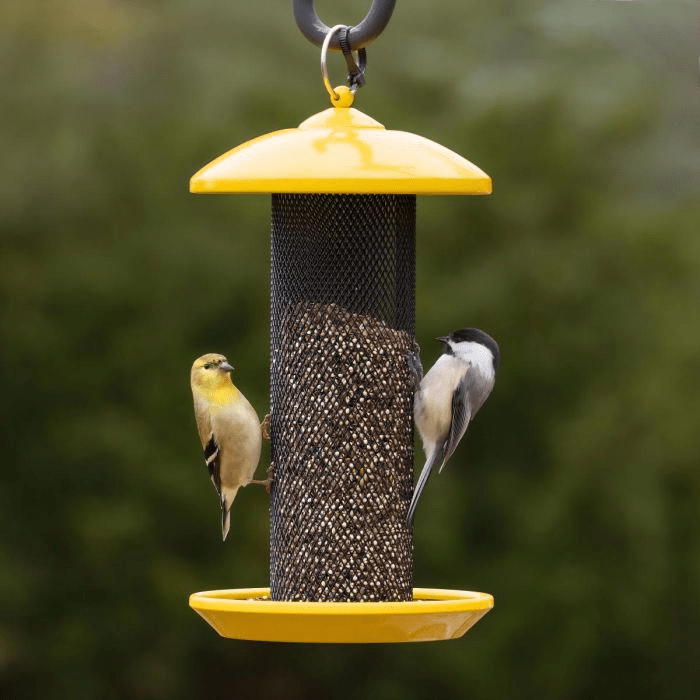
Credit: www.kingsyard.com
Frequently Asked Questions
Do Bird Feeders Attract More Predators?
Yes. Feeders concentrate bird activity, which can attract predators like cats, hawks, and squirrels.
How To Keep Predators Away From Feeders?
Place feeders in open areas, use baffles, clean spilled seed, and add motion lights or sprinklers if needed.
Do Bird Feeders Harm Local Wildlife?
They can if poorly managed—risks include disease spread, window strikes, and increased predator activity.
Are Certain Feeders More Prone To Predators?
Yes. Ground feeders are most vulnerable, while hanging feeders with baffles offer better protection.
Conclusion
Feeders can attract both birds and predators. This depends on the location and type of feeder used. Placing feeders away from hiding spots helps reduce risks. Birds benefit from feeders, but safety matters most. Watching birds at feeders brings joy and learning.
Keep feeders clean and check for predator signs often. Feeding birds is rewarding when done with care. Balance feeding with safety for the best experience.