Have you ever wondered what marine birds eat besides fish? You might be surprised to learn that insects can be a part of their diet too.
If you think marine birds only feast on seafood, this article will change your perspective. Keep reading to discover how insects fit into the meals of these fascinating creatures and why it matters to your understanding of nature. Your curiosity is about to be rewarded with some eye-opening facts!
Credit: www.birdscaribbean.org
Marine Birds And Their Diets
Marine birds live near oceans and seas. They eat many types of food found in these places. Their diets help them survive in harsh coastal environments.
Some marine birds eat fish and small sea creatures. Others may eat insects found near the shore. Understanding what they eat shows how they fit into the ecosystem.
Common Foods Of Marine Birds
Marine birds eat a wide range of foods depending on their species. Fish, crustaceans, and mollusks are common parts of their diet. Some birds also eat algae and plankton.
- Small fish like anchovies and sardines
- Crabs and shrimp
- Squid and other mollusks
- Seaweed and algae in small amounts
- Occasionally insects near the coast
Role Of Insects In Coastal Ecosystems
Insects live in coastal areas and help break down organic matter. They provide food for some marine birds, especially during breeding seasons. Insects are a good protein source for young birds.
| Insect Type | Role | Birds That Eat Them |
| Beetles | Help decompose plants | Oystercatchers, Sandpipers |
| Flies | Feed on decaying matter | Seagulls, Terns |
| Ants | Clean up small debris | Plover species |
| Mosquitoes | Found near water | Swallows near shore |
Insects As A Food Source
Marine birds often rely on various food sources near the ocean. Insects are one such source found in coastal areas. These small creatures provide essential nutrients for many bird species.
Understanding which insects are near marine habitats helps explain why some birds eat them. These insects appear in different amounts depending on the season.
Types Of Insects Found Near Marine Habitats
Several insect types live close to marine environments. These insects serve as food for birds and other wildlife. Common ones include flies, beetles, and moths.
- Salt marsh flies
- Coastal beetles
- Moths attracted to light near water
- Dragonflies hunting near shorelines
- Sand hoppers and small crustaceans
Seasonal Availability Of Insects
Insect numbers change with the seasons near marine areas. Warm months have more insects, which means more food for birds. Cold months usually have fewer insects available.
| Season | Insect Activity Level | Effect on Marine Birds |
| Spring | Moderate | Birds begin to eat more insects |
| Summer | High | Many insects support bird feeding and breeding |
| Fall | Low to Moderate | Birds reduce insect consumption |
| Winter | Low | Insects scarce; birds rely on fish and other prey |
Marine Birds That Eat Insects
Marine birds live near the ocean and eat many different foods. Some of these birds eat insects as part of their diet.
Insects provide a good source of protein and energy for these birds. They catch insects from the air, water, or land.
Species Known For Insect Consumption
Some marine birds are known to eat insects regularly. These include species that live near shores or coastal areas.
- Storm Petrels – small seabirds that catch flying insects over the sea.
- Swallows – found near water, they catch insects in flight.
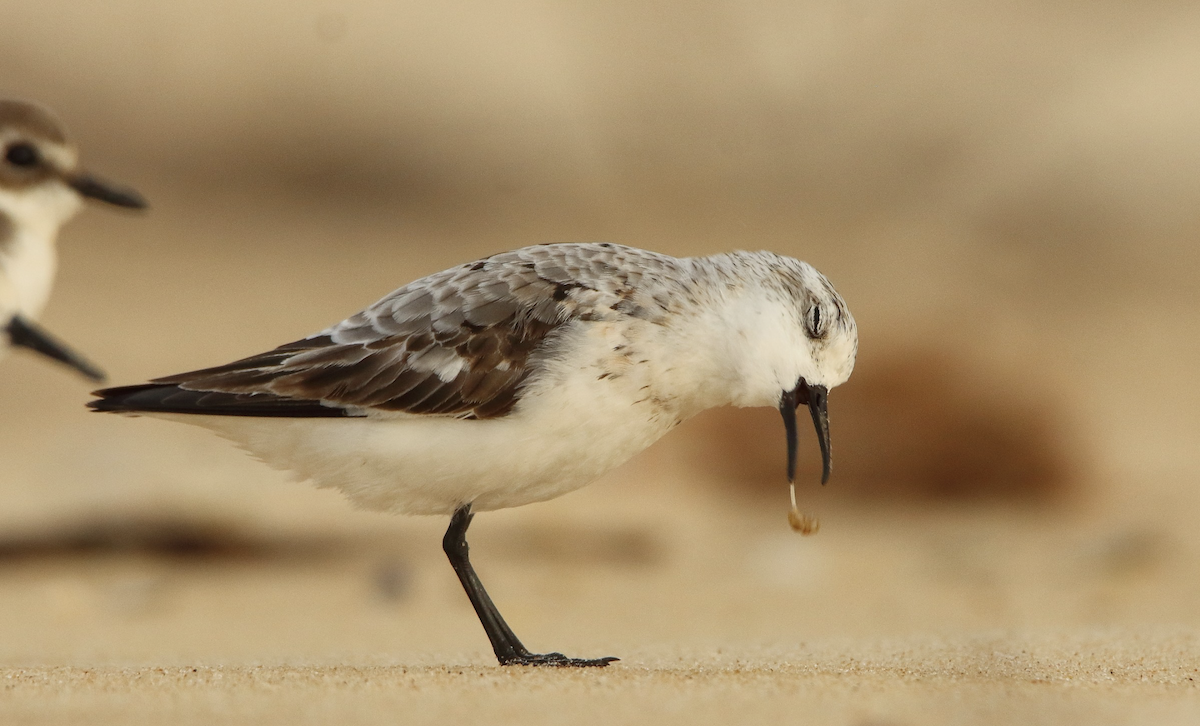
- Sandpipers – shorebirds that pick insects from mudflats and sand.
- Plovers – hunt insects and small invertebrates along beaches.
- Terns – mainly fish eaters but also eat flying insects when available.
Feeding Behavior And Techniques
Marine birds use different ways to catch insects. They may catch insects flying over water or pick them from the ground.
Some birds like storm petrels catch insects by fluttering close to the water surface. Others like sandpipers run along shores to find insects hiding in the sand.
- Flycatching: Birds catch insects in mid-air while flying.
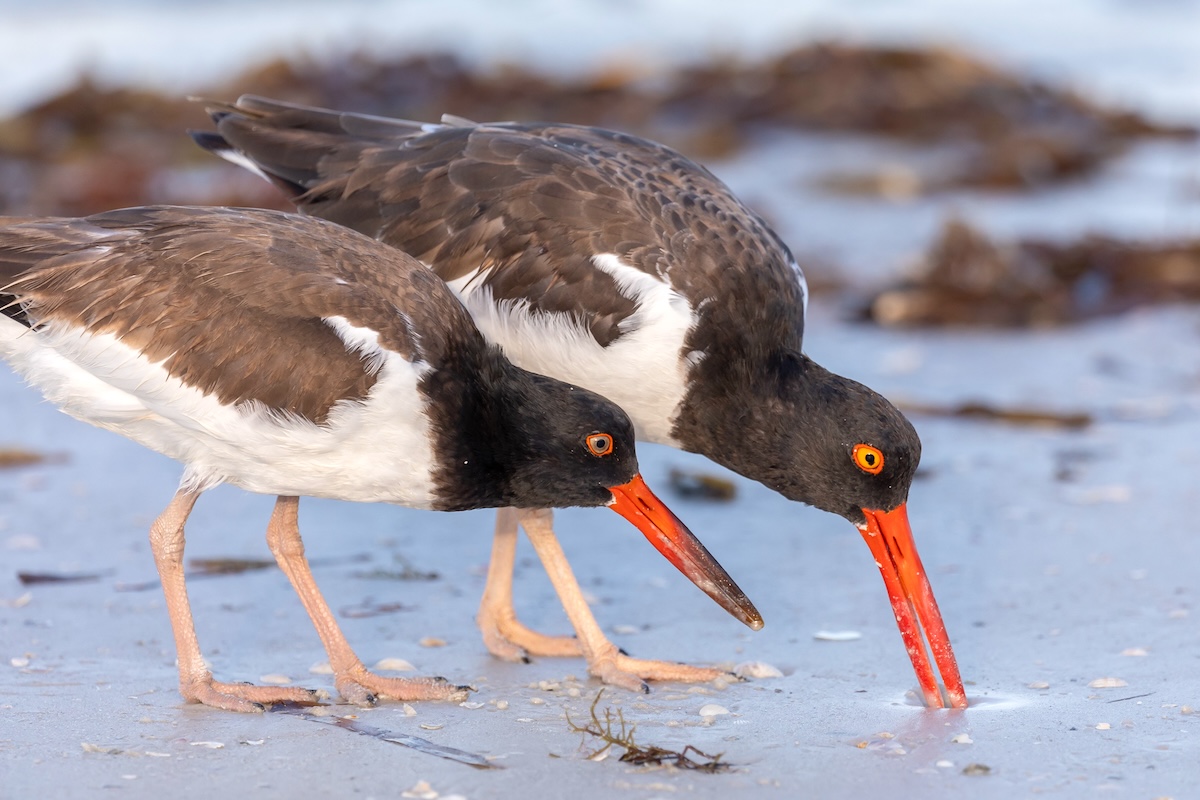
- Probing: Birds use their beaks to find insects in mud or sand.
- Picking: Birds pick insects from plants or ground surfaces.
- Hovering: Birds hover near water to snatch insects from the air.
Benefits Of Insect Consumption
Marine birds eat insects as part of their diet. Insects provide many benefits to these birds. Eating insects helps marine birds stay healthy and strong.
Insects are easy to find near coasts and wetlands. They give important nutrients that help birds grow and survive in tough environments.
Nutritional Value For Marine Birds
Insects have protein, fat, and vitamins. These nutrients help marine birds build muscles and keep energy. Protein is important for feathers and body repair.
Insects also contain minerals like iron and calcium. These minerals help birds stay strong and healthy. Eating insects adds variety to their diet.
- High protein for muscle growth
- Healthy fats for energy
- Vitamins to support body functions
- Minerals for strong bones and feathers
Impact On Bird Health And Survival
Insect consumption improves bird health. Birds get more energy to fly and hunt. Good nutrition helps them avoid diseases.
Eating insects helps young birds grow faster. It also supports adult birds during breeding and migration. Insects make survival easier in harsh conditions.
- Boosts immune system
- Supports growth in chicks
- Increases energy for long flights
- Helps birds adapt to changing food sources
Factors Influencing Insect Eating
Marine birds have varied diets that depend on many factors. One key factor is whether they eat insects or not.
This article explores what affects marine birds’ choices to eat insects. We look at environmental conditions and food availability.
Environmental Conditions
Weather and habitat impact insect eating by marine birds. Temperature, humidity, and season change insect numbers.
- Warm and wet conditions increase insect activity.
- Cold or dry weather reduces insect availability.
- Coastal areas with dense vegetation support more insects.
- Storms and wind can limit insect flight and bird foraging.
Availability Of Alternative Food Sources
Marine birds eat insects more if other food is scarce. Fish, crustaceans, and plankton affect their diet choices.
| Food Source | Effect on Insect Eating |
| Abundant Fish | Less insect consumption |
| Low Fish Supply | More insect consumption |
| High Crustacean Numbers | Reduced insect feeding |
| Few Alternative Foods | Increased insect eating |
Credit: www.birdscaribbean.org
Surprising Insect Hunting Strategies
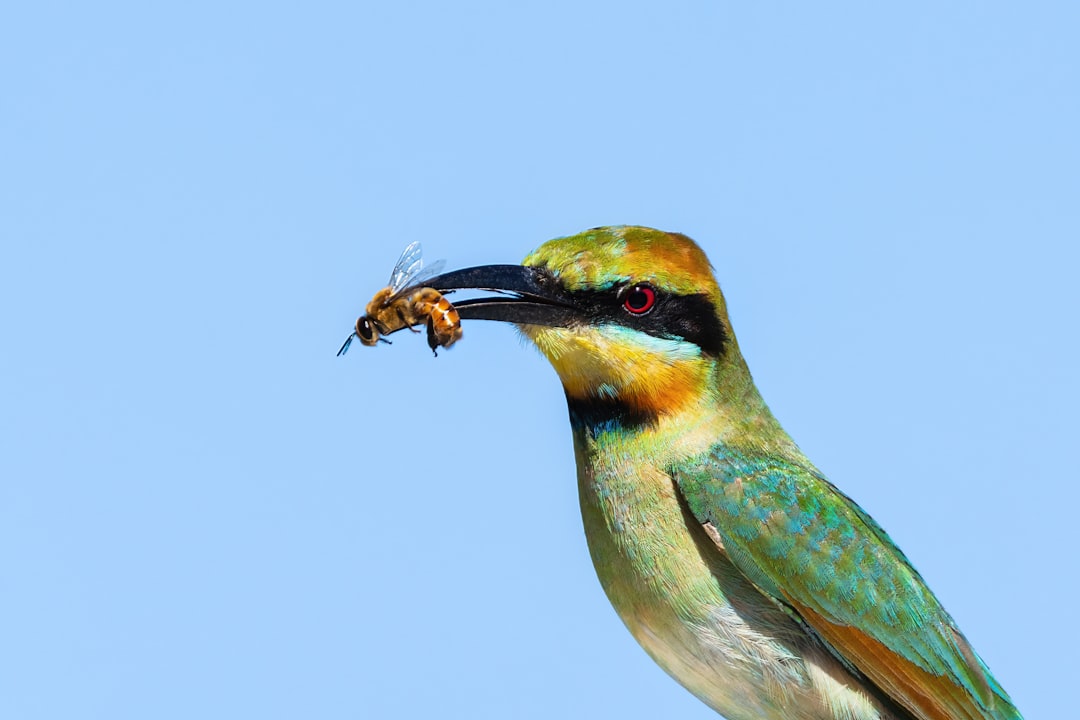
Marine birds are known for their fishing skills, but many also hunt insects. These birds use smart ways to catch insects near water and in the air. Their hunting methods show how clever they are at finding food.
Two main hunting styles stand out: aerial hunting and foraging on shorelines. Each style suits different types of insects and environments. Let’s explore how marine birds use these tactics.
Aerial Hunting
Many marine birds catch insects while flying. They spot insects in the air and swoop down to catch them with their beaks. This method needs quick reflexes and sharp eyesight.
- Birds fly low over the water or land to spot flying insects.
- They use sudden dives to grab insects mid-air.
- Some birds hover briefly to catch slow-moving insects.
- Speed and timing are key to success in aerial hunting.
Foraging On Shorelines
Shorelines offer many insects hiding in wet sand or seaweed. Birds walk or run along the shore to find these insects. This method uses the bird’s ability to search carefully and pick small prey.
| Hunting Behavior | Insect Types | Location |
| Picking insects from wet sand | Beetles, larvae | Beach edges |
| Flipping seaweed to find hidden insects | Flies, small crickets | Rocky shores |
| Probing mud with beak | Worms, small larvae | Mudflats |
| Quick pecking at insects on rocks | Ants, small spiders | Shore rocks |
Implications For Conservation
Marine birds eat insects as part of their diet. This shows a link between land and sea ecosystems. Protecting both habitats is important for their survival.
Loss of insect populations can affect marine birds. Conservation efforts must consider insects and marine bird needs together.
Protecting Insect Habitats
Insects live in many places near the coast. Wetlands, marshes, and grasslands provide food for them. Protecting these areas helps insects thrive.
Healthy insect populations support marine birds that eat them. Reducing pollution and avoiding habitat destruction are key steps.
- Preserve wetlands and coastal grasslands
- Limit use of harmful pesticides
- Prevent pollution in waterways
- Restore damaged insect habitats
Supporting Marine Bird Populations
Marine birds rely on insects for food, especially during breeding. Protecting bird nesting sites is important for their health.
Providing safe habitats and clean environments helps marine birds find enough food. This supports their growth and reproduction.
- Protect coastal nesting areas from disturbance
- Monitor bird populations regularly
- Promote clean water and air quality
- Educate communities about marine bird needs

Credit: kimsmithdesigns.com
Frequently Asked Questions
Do Marine Birds Eat Insects As Part Of Their Diet?
Yes, some marine birds consume insects, especially near coastal areas. Insects provide a protein-rich supplement to their diet, particularly when fish are scarce.
Which Marine Birds Commonly Eat Insects?
Seabirds like terns, gulls, and some shorebirds often feed on insects. They catch flying or aquatic insects to diversify their food sources.
Why Do Marine Birds Eat Insects Instead Of Fish?
Marine birds eat insects when fish are less available or harder to catch. Insects are easier to find and provide essential nutrients.
How Do Marine Birds Catch Insects?
Marine birds catch insects by swooping through the air or picking them off water surfaces. Their agility helps them catch small, fast-moving prey.
Conclusion
Marine birds sometimes eat insects as part of their diet. They usually prefer fish and crustaceans. But insects provide extra nutrients. Especially during breeding season. This helps them stay healthy and strong. Observing bird behavior can be fascinating. It reveals their adaptability and survival skills.
Understanding their diet is important. It helps in conserving their habitats. This ensures they continue to thrive. Protecting marine birds is essential. They play a vital role in ecosystems. By learning more, we can support conservation efforts. This benefits both marine birds and our planet.