

Have you ever noticed birds fluttering around your windows or garden mirrors and wondered why? It might seem like mirrors have a special power to attract birds, but is that really true?
If you’re curious about what makes birds drawn to shiny surfaces or if mirrors could be affecting your feathered visitors, you’re in the right place. Keep reading to uncover the surprising truth behind mirrors and birds—and learn what it means for your outdoor space.
Bird Behavior Around Mirrors
Birds often react strangely when they see mirrors. They may think the reflection is another bird.
This can cause different behaviors like curiosity or aggression. Understanding why helps us learn about birds.
Why Birds React To Reflections
Birds see their mirror image as a rival or a friend. They cannot tell it is just a reflection.
This causes them to act by singing, flying close, or even attacking the mirror.
- Territorial birds may attack reflections
- Curious birds try to interact
- Some birds show signs of stress
Common Bird Species Affected
Many birds react to mirrors, but some species do it more often. These birds are common near homes.
Species that are territorial or social tend to respond strongly to reflections.
- Robins often attack mirror images
- Finches may try to sing to reflections
- Sparrows show curiosity or aggression
- Starlings may become confused or stressed
Mirror Reflections Vs. Real Birds
Birds can’t tell mirrors from real birds. The reflection moves exactly like them.
Real birds may fly away or interact socially. Reflections do not respond, which confuses birds.
- Reflections do not sing back
- No real bird moves away or attacks
- Birds may spend more time near mirrors
- Some birds get tired or stressed
Scientific Studies On Mirrors And Birds
Birds sometimes fly toward mirrors or glass, causing concern for bird safety. Scientists study how birds react to mirrors to understand this behavior better. This research helps design safer environments for birds.
Many studies focus on whether mirrors attract birds or confuse them. Researchers observe birds' reactions and test different mirror types in controlled settings.
Research Findings
Studies show birds often see their reflections as other birds. This can cause aggressive or curious behavior. Some species attack mirrors, while others ignore them.
- Birds may think their reflection is a rival.
- Reflections can cause stress or territorial fights.
- Some birds use mirrors to explore or interact.
- Mirror size and position change bird reactions.
Experiments And Observations
Researchers place mirrors in bird habitats and watch behavior. They note how often birds approach or avoid the mirrors.
| Experiment | Observation | Result |
| Mirror near feeder | Birds approached and pecked | Increased aggression noted |
| Small mirror on tree | Birds inspected but did not attack | Curiosity without stress |
| Reflective glass window | Bird collisions increased | Birds confused by reflections |
Limitations Of Current Studies
Many studies use small sample sizes or short times. This limits how well results apply to all birds. Different species react in many ways.
Key limitations include:
- Varied bird species with different behaviors
- Uncontrolled outdoor factors like weather
- Short duration of some experiments
- Lack of long-term impact data
Why Birds Might Be Attracted Or Repelled
Birds often react to mirrors in different ways. Some birds see their reflection and get curious. Others feel threatened by what they think is another bird.
Understanding why birds are attracted or repelled by mirrors helps us protect them. It also explains their strange behaviors around glass surfaces.
Territorial Responses
Many birds see their reflection as a rival in their territory. They try to defend their space from the "intruder" in the mirror. This can make them aggressive toward the glass.
Territorial birds may peck or sing loudly at mirrors. This behavior aims to scare away the reflection and protect their area.
- Birds claim the mirror as their territory
- They attack the reflection to defend their space
- Repeated attacks can cause stress to the bird
Curiosity And Exploration
Some birds are curious and want to explore the mirror. They may approach it to learn more about the strange image. This curiosity can lead to close inspection.
Young birds and certain species are more likely to explore mirrors. They use their beaks and eyes to understand what the reflection is.
- Birds may peck gently to test the mirror
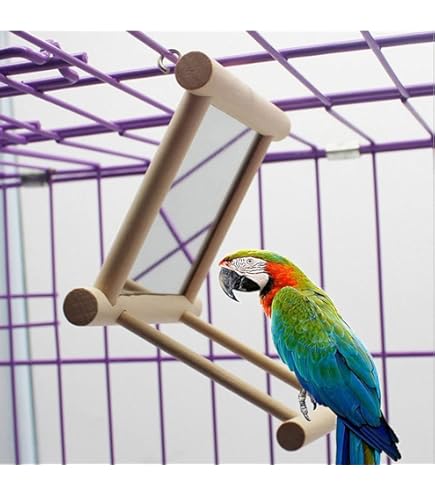
- They use mirrors to practice social behavior
- Exploration helps birds learn about their surroundings
Confusion And Aggression
Birds can get confused by their mirror reflection. They might not realize it is themselves. This confusion sometimes causes aggressive behavior toward the glass.
Birds may also get frustrated when the "other bird" does not leave. This can lead to repeated attacks or stress-related actions.
- Reflection causes confusion about identity
- Aggression arises from inability to escape rival
- Stress and injury risk increase near mirrors
Credit: www.walmart.com
Potential Risks Of Mirrors For Birds
Mirrors can confuse birds because they see their own reflection. Birds may think the reflection is another bird. This can lead to several problems for their health and safety.
Understanding these risks helps us protect birds around our homes and gardens. Mirrors may seem harmless but can cause real harm to birds.
Collision Hazards
Birds often fly into mirrors by mistake. They see the reflection of the sky or trees and try to fly through it. This causes crashes that can hurt or kill them.
Windows and mirrors near trees or bushes are especially dangerous. Birds do not realize these are solid objects. Collisions can break wings or cause fatal injuries.
- Reflections confuse birds into thinking space is open
- Collisions can cause serious physical harm
- High risk near vegetation or feeding spots
Stress And Behavioral Impact
Seeing their reflection can make birds feel threatened or aggressive. They may attack the mirror thinking it is a rival bird. This causes stress and wastes energy.
Birds may spend too much time near mirrors. This distracts them from important activities like feeding and caring for young. Stress can weaken their immune system.
- Reflections cause confusion and aggression
- Birds waste energy fighting their reflection
- Stress lowers their overall health
Long-term Effects
Repeated mirror encounters can change bird behavior. Birds may avoid areas with mirrors, losing good feeding or nesting spots. This limits their habitat options.
In some cases, birds become trapped in a cycle of attacking their reflection. This can lead to exhaustion or injury. Long-term effects reduce their chances of survival.
- Birds avoid mirror areas, losing habitat
- Repeated attacks cause injuries and exhaustion
- Long-term stress harms survival rates
Ways To Use Mirrors Safely Around Birds
Mirrors can confuse birds and cause them to fly into glass. This can lead to injuries or stress. Using mirrors around birds needs care and thought.
This guide explains how to place mirrors safely, suggests other bird deterrents, and shows how to create bird-friendly spaces.
Mirror Placement Tips
Place mirrors where birds cannot see their reflections clearly. Avoid facing mirrors toward open sky or trees. This reduces bird collisions.
Use frosted or patterned glass on mirrors to break up reflections. Keep mirrors away from bird nesting or feeding areas to avoid stress.
- Do not put mirrors near bird feeders or birdhouses
- Use angled mirrors to reduce direct reflections
- Apply decals or films to disrupt reflections
- Regularly check mirrors for damage or cleaning needs
Alternative Bird Deterrents
Besides mirrors, use other tools to keep birds safe. These options help protect birds from windows and other hazards.
- Install window decals or stickers that birds can see
- Use bird netting to block access to dangerous areas
- Place wind chimes or reflective tape to scare birds away
- Use screens or shades on windows during peak bird activity
Creating Bird-friendly Spaces
Design your outdoor space to keep birds safe and happy. Safe spaces reduce the chance of bird collisions and stress.
Provide natural shelter and food away from glass surfaces. Plant native trees and shrubs to attract birds safely.
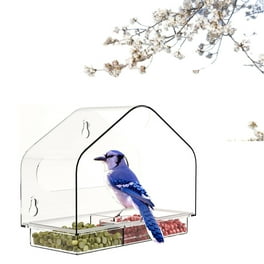
- Place bird feeders away from windows and mirrors
- Use bushes or trees as natural barriers near glass
- Keep water sources like birdbaths in safe spots
- Regularly clean feeders and baths to prevent disease
Credit: www.amazon.com
Myths And Facts About Mirrors And Birds
Many people wonder if mirrors attract birds. Some believe birds see their reflections and get confused.
This can cause problems for birds and people. It is important to know what is true and what is not.
Common Misconceptions
One myth says birds fly into mirrors because they see another bird. People think this hurts the birds.
Another false idea is that mirrors attract birds to your yard. Some believe mirrors keep birds away too.
- Birds attack their reflection in mirrors thinking it is a rival.
- Mirrors do not attract birds like food or water.
- Reflections can confuse birds, causing them to fly toward the glass.
- Mirrors do not keep birds away by themselves.
Separating Fact From Fiction
Birds see reflections in mirrors and windows. They may think it is another bird or open space.
This can cause birds to fly into the glass. It can hurt or scare the bird but does not attract them.
- Birds do not like mirrors as a source of food or shelter.
- Reflections confuse birds, leading to accidents.
- Birds cannot tell a mirror from open sky or a real bird.
- Mirrors do not attract birds but can cause harm if not handled carefully.
Practical Advice
To protect birds, avoid placing large mirrors where birds can see their reflections.
Use decals or screens on windows and mirrors to reduce reflections. This helps birds recognize the glass.
- Cover mirrors near bird feeders or gardens.
- Use bird-safe window films or stickers.
- Keep mirrors indoors or in places birds cannot reach.
- Remove or block mirrors if birds keep hitting them.
Credit: www.youtube.com
Frequently Asked Questions
Do Mirrors Really Attract Birds?
Mirrors can attract birds because they see their reflection as a rival. This causes birds to approach or attack the mirror, thinking it's another bird. However, not all birds react this way, and responses vary by species and environment.
Why Do Birds Collide With Mirrors?
Birds collide with mirrors because they mistake reflections for open space or other birds. This confusion leads to accidental crashes. Reflective surfaces can be dangerous, especially during migration or breeding seasons when birds are more territorial.
How Can I Prevent Birds From Hitting Mirrors?
To prevent bird collisions, cover mirrors with non-reflective materials or use decals. Position mirrors away from bird flight paths. Reducing reflection or adding visual markers helps birds recognize the glass as a barrier.
Are Certain Birds More Attracted To Mirrors?
Yes, territorial birds like hummingbirds and robins are more attracted to mirrors. They perceive their reflection as a competitor. This behavior is stronger during breeding seasons when defending territory is crucial.
Conclusion
Birds often find mirrors fascinating. They see their reflection and react. Sometimes, they mistake it for another bird. This can lead to unusual behavior. Mirrors may attract birds, but they can also confuse them. It’s important to use mirrors wisely in gardens.
Consider bird-friendly alternatives like feeders or baths. These attract birds safely. Observing birds is a joy. Make sure they feel welcome and secure. Every little effort can help protect our feathered friends. So, keep learning and caring for them. Their presence brings beauty and peace to our lives.


