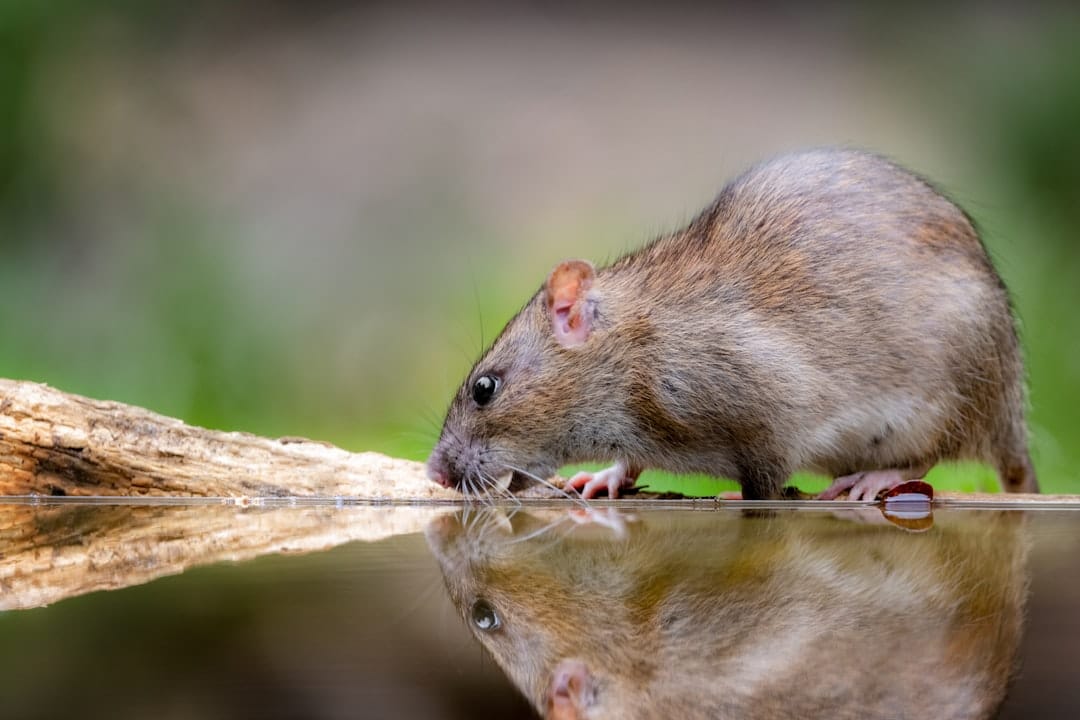
Are you tired of finding your bird seed mysteriously disappearing? You might be surprised to learn that rats could be the sneaky culprits behind the missing food.
If you’ve ever wondered, “Do rats eat bird seed? ” you’re not alone. Understanding what attracts rats and how they interact with your bird feeders can help you protect your garden and keep your feathered friends fed. Keep reading to discover the truth about rats and bird seed—and how you can stop unwanted visitors from raiding your supply.
Rats And Bird Seed
Bird seed is a common food for wild birds in many backyards. People use feeders to attract different bird species. But sometimes, unwanted guests like rats come to eat the bird seed.
Rats find bird seed tasty and easy to access. Understanding why rats eat bird seed helps to protect your feeders and keep rats away.
Common Types Of Bird Seed
There are many types of bird seed available. Each type attracts different birds. Some seeds also attract rodents like rats.
- Sunflower seeds – popular and rich in oil
- Millet – small and easy to eat
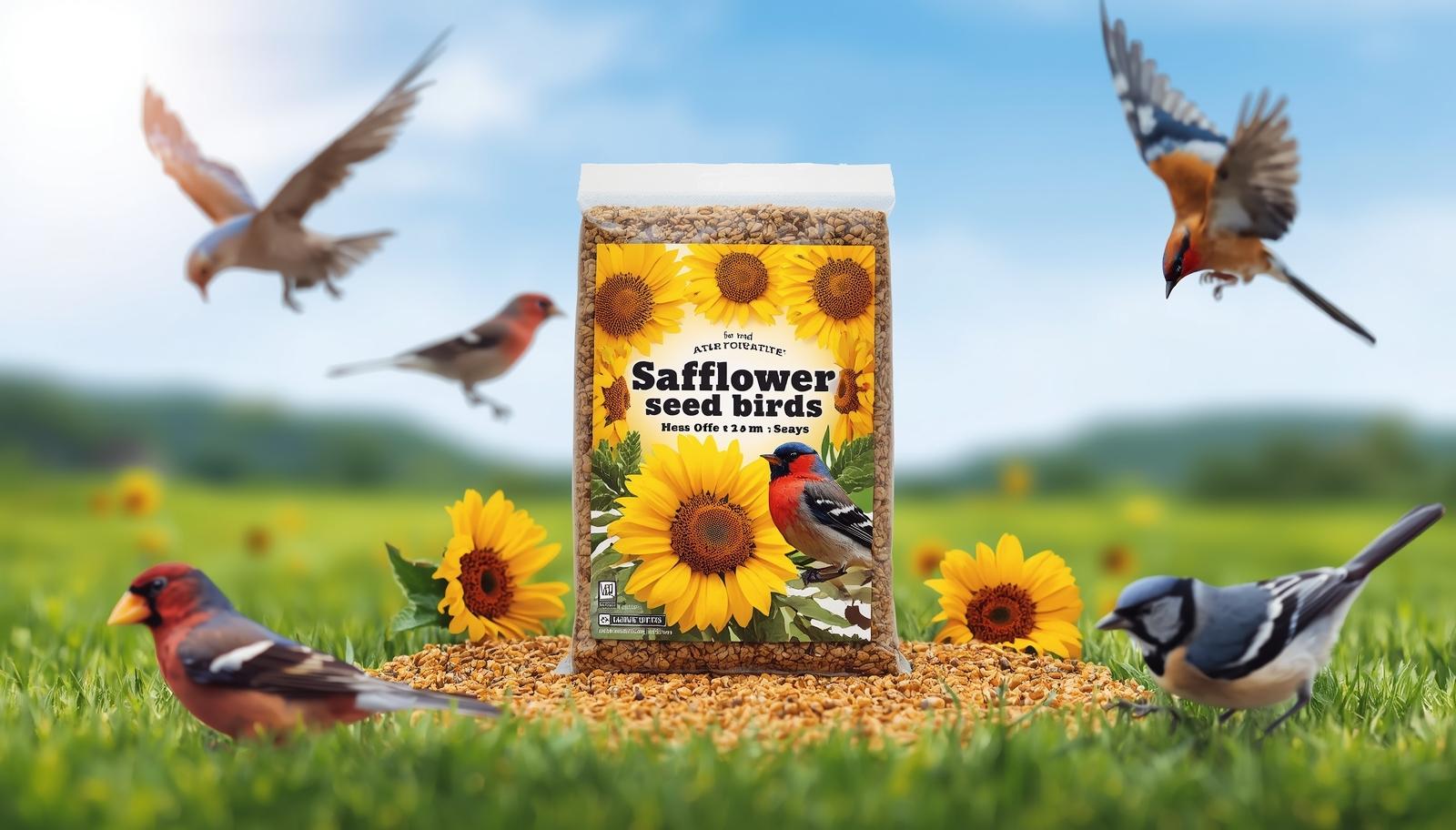
- Safflower – bitter to some animals but birds like it
- Cracked corn – cheap and attracts many birds
- Nyjer (thistle) – tiny seeds for finches
Why Rats Are Attracted To Bird Seed
Rats like bird seed for many reasons. The seeds provide a good source of food. Rats are smart and find ways to get to feeders easily.
| Reason | Details |
| Food Source | Seeds are high in fat and calories |
| Easy Access | Feeders often sit near the ground |
| Consistent Supply | Feeders are refilled regularly |
| Safe Shelter | Nearby bushes or sheds offer hiding spots |

Credit: www.reddit.com
Rats' Eating Habits
Rats are known to eat many different foods. They are very good at finding what they like. Bird seed is one food rats often come across.
People often wonder if rats eat bird seed and how often they do it. Learning about rats' eating habits can help keep birds safe.
Rats' Dietary Preferences
Rats eat a wide range of foods. They prefer foods that are easy to find and eat. Bird seed is one of their favorites because it is high in fat and protein.
Rats like seeds such as sunflower seeds, millet, and corn. They also eat fruits, vegetables, and small insects. They choose foods that help them grow and stay healthy.
- Sunflower seeds
- Millet
- Corn
- Fruits and vegetables
- Small insects
How Often Rats Eat Bird Seed
Rats eat bird seed whenever they find it. They visit bird feeders often if food is available. The amount they eat depends on food supply and their hunger.
Rats may come to bird feeders daily or only sometimes. They prefer easy meals and will eat bird seed as a regular food source if it is easy to get.
- Rats eat bird seed when it is easy to find
- They visit feeders daily if food is plentiful
- They eat less if other foods are available
- Bird seed can be a regular food source for rats
Impact On Bird Feeding
Rats eating bird seed can change how birds find food. This affects bird feeding in many places. People put out seed to help birds, but rats can cause problems.
Understanding how rats impact bird feeding helps us protect wild birds better. We can learn what happens to birds and the seed they eat.
Effects On Bird Populations
Rats compete with birds for food by eating bird seed. This can reduce the amount of food available for birds. Some bird species may avoid feeding areas where rats are active. Less food means birds may eat less or go elsewhere. This can lower bird numbers in some places.
- Rats eat seeds meant for birds
- Birds find less food and may leave
- Some birds become weaker or stop nesting
- Rats can spread diseases harmful to birds
Seed Wastage Due To Rats
Rats often take seeds but do not eat them all. This leads to a lot of seed wastage. The wasted seed can attract more pests or spoil. This makes feeding birds less effective and more costly.
| Seed Type | Seed Wasted by Rats (%) | Impact on Bird Feeding |
| Sunflower Seeds | 40 | Less food for birds, higher waste |
| Millet | 35 | Seeds scattered and lost |
| Cracked Corn | 50 | High wastage, attracts more pests |
| Mixed Seed | 45 | Birds eat less, more leftovers |

Credit: www.reddit.com
Preventing Rats From Eating Bird Seed
Bird seed often attracts unwanted rats. These rodents can eat large amounts of seed quickly. They also create a mess and spread germs. Protecting your bird seed keeps both the birds and your home safe.
There are easy ways to stop rats from getting your bird seed. These tips help keep rats away and your seed fresh.
Proper Seed Storage Tips
Store bird seed in airtight containers. This stops the smell that attracts rats. Use metal or heavy plastic bins with tight lids. Keep these containers off the ground to reduce rodent access.
Do not leave seed bags open outside. Store extra seed in a dry, cool place. Clean up spilled seed around feeders to avoid attracting rats.
- Use metal or thick plastic bins with lids
- Keep containers off the ground
- Store seed indoors if possible
- Clean spilled seed daily
Using Rat-proof Bird Feeders
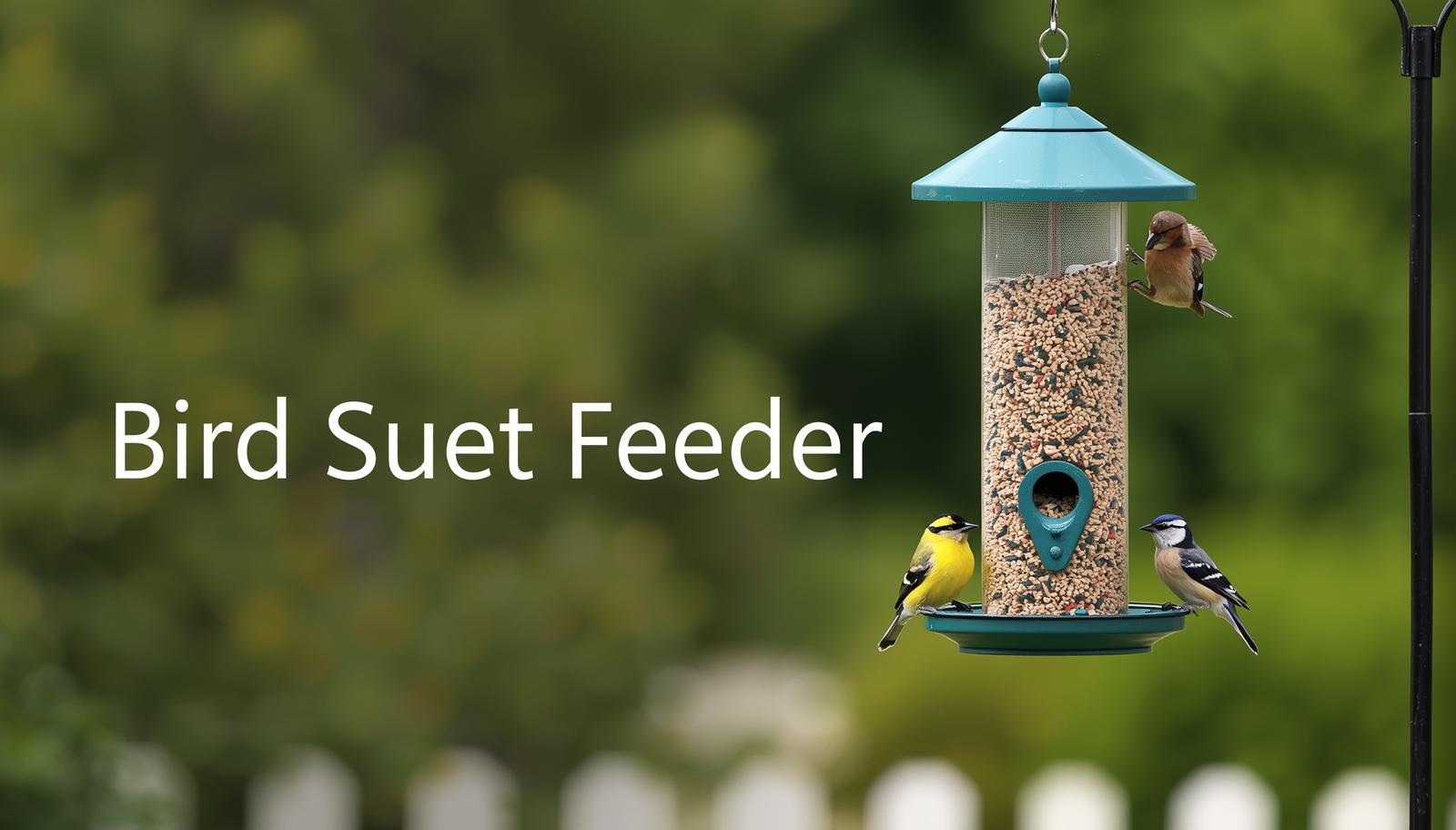
Choose bird feeders designed to keep rats out. These feeders have cages or weight sensors. They close access when heavy animals try to eat. Place feeders away from walls or fences where rats can climb.
Regularly check feeders for damage. Fix any holes or gaps that rats could enter. Use smooth poles with baffles to block climbing rats.
- Use feeders with cages or weight sensors
- Place feeders away from walls and fences
- Install baffles on feeder poles
- Inspect feeders for damage often
Natural Deterrents For Rats
Certain smells keep rats away. Place cotton balls soaked in peppermint oil near feeders. Rats dislike strong scents like garlic or cayenne pepper. Sprinkle these around seed storage areas.
Encourage natural predators like owls and snakes. They help control rat populations safely. Keep your yard clean to remove hiding spots for rats.
- Use peppermint oil on cotton balls
- Sprinkle garlic or cayenne pepper near seed
- Invite natural predators like owls
- Keep yard clean and free of clutter
Signs Of Rats Near Bird Feeders
Rats often visit bird feeders to eat the bird seed. They can leave clear signs showing their presence. Knowing these signs helps you protect your garden and pets.
Spotting rats early can stop damage and health issues. Watch your bird feeders closely for any unusual changes.
Common Indicators
Rats leave many clues near bird feeders. Look for these signs to detect rats early.
- Seed shells scattered around the feeder
- Chewed holes or damage on feeders
- Rat droppings near the base or on the ground
- Tracks or footprints in dusty areas
- Scratch marks on wood or metal parts
- Unusual noises, especially at night
- Smell of ammonia or strong urine odor
Health Risks Involved
Rats near bird feeders can spread diseases. Their droppings and urine carry germs that harm humans and pets.
| Health Risk | Description |
| Leptospirosis | Infection from rat urine, causing fever and muscle pain |
| Salmonella | Bacterial infection from contact with rat feces |
| Hantavirus | Serious lung disease spread by rat droppings and urine |
| Rat-bite Fever | Illness caused by bites or scratches from infected rats |

Credit: www.reddit.com
Frequently Asked Questions
Do Rats Eat Bird Seed Regularly?
Yes, rats eat bird seed regularly. They are attracted to its high nutritional content. Bird seed provides them with a rich source of energy. If not properly stored, bird seed can easily attract rats to your garden or storage area.
How To Prevent Rats From Eating Bird Seed?
To prevent rats, store bird seed in metal containers. Ensure feeders are rat-proof by using baffles. Clean up any spilled seeds promptly. Position feeders away from potential rat access points, like fences or branches.
Are Specific Bird Seeds More Attractive To Rats?
Yes, certain bird seeds are more attractive to rats. Seeds like sunflower and millet are particularly enticing. Their high-fat content makes them appealing to these rodents. It’s best to choose blends less appealing to rodents.
Do Rats Pose A Threat To Birds?
Rats can pose a threat to birds. They may raid nests and eat eggs. Additionally, they can transmit diseases to bird populations. Keeping rat populations in check is crucial for bird safety.
Conclusion
Rats do eat bird seed, so it can attract them to your yard. Keeping bird feeders clean helps reduce rats nearby. Use seed types less appealing to rats to avoid problems. Store extra bird seed in sealed containers to keep rats away.
Watching your feeders often helps you spot rat activity early. Protecting your bird food keeps birds happy and rats away. Small steps make a big difference in controlling rats outside. Stay alert and take action to enjoy feeding birds safely.