Do Skunks Eat Bird Seed? 6 Tips for Backyard Protection
Have you ever noticed your bird feeder emptying faster than usual and wondered if skunks might be the sneaky culprits? You’re not alone. Many people ask, do skunks eat bird seed?
So, do skunks eat bird seed? The answer is yes, and they can be quite attracted to it.
Many bird enthusiasts are curious about whether these nocturnal creatures are munching on bird seed meant for feathered friends. Understanding the eating habits of skunks can help you protect your bird seed and keep your backyard a sanctuary for birds.
In fact, understanding do skunks eat bird seed can help in making informed choices about bird feeders.
Understanding whether skunks eat bird seed is crucial for bird enthusiasts who want to protect their feeders.
Many wonder, do skunks eat bird seed? The answer will help you adjust your feeding practices.
Are you ready to uncover the truth about skunks and bird seed? Stay with us, and you’ll gain insights that could transform your bird-feeding experience.
Curious about do skunks eat bird seed? Let’s explore this further to protect our feathered friends.
Skunk Diet Basics
Skunks eat many kinds of food. They are not picky and eat plants and animals.
People often wonder if skunks eat bird seed. It is part of their diet sometimes.
Natural Food Preferences
Skunks like insects, small animals, and fruits. They eat beetles, worms, and mice.
They also eat berries and roots. Bird seed can attract them if other food is scarce.
As you might guess, do skunks eat bird seed can become a common question in neighborhoods with bird feeders.
In the case of skunks, bird seed can often be a primary food source, especially when they forage at night.
- Insects like beetles and grasshoppers
- Small animals such as mice and frogs
- Fruits like berries and apples
- Roots and plants
- Bird seed when available
Seasonal Diet Changes
Skunks eat different foods in each season. They eat more insects in summer.
As seasons change, do skunks eat bird seed will vary, so monitoring your feeders is essential.
In fall and winter, they eat more fruits and seeds. Bird seed is more common in cold months.
- Spring and summer: insects and small animals
- Fall: fruits and seeds increase
During winter, skunks may rely more heavily on bird seed, making it essential to understand their habits.
Ultimately, do skunks eat bird seed highlights the need for seasonal feeding adjustments.
- Winter: rely on stored food and seeds
- Bird seed attracts skunks more in colder months
Attraction To Bird Seed
Skunks are curious animals that often search for food in backyards. Bird seed can attract skunks because it offers an easy meal. Understanding why skunks like bird seed helps protect your garden and bird feeders.
Knowing do skunks eat bird seed will prepare you for the challenges of backyard feeding.
Bird seed contains many ingredients that appeal to skunks. These ingredients provide nutrition and taste that skunks find hard to resist.
Common Ingredients In Bird Seed
When considering backyard wildlife, do skunks eat bird seed is a significant factor.
| Ingredient | Description |
| Sunflower Seeds | High in fat and protein, very tasty to many animals. |
| Millet | Small seeds rich in carbohydrates and easy to eat. |
| Safflower Seeds | Contain oils and fats that attract wildlife. |
| Cracked Corn | Rich in carbohydrates, providing energy. |
| Peanuts | High in fat and protein, very appealing to mammals. |
Why Skunks Find Bird Seed Appealing
In fact, bird seed is one of the main attractions for skunks seeking an easy meal.
- Bird seed offers easy access to fats and proteins.
- Seeds like sunflower and peanuts contain oils that skunks enjoy.
- Cracked corn and millet provide quick energy through carbohydrates.
- Skunks often find spilled bird seed on the ground, making it simple to eat.
- The scent of the seed can attract skunks from a distance.
Because of these reasons, skunks often visit places where bird seed is available. Knowing this helps you manage how to store and use bird seed safely.
Understanding do skunks eat bird seed allows for better management of backyard wildlife.
As a result, many people find themselves asking, do skunks eat bird seed, and how can they prevent it?
Impact On Gardens And Bird Feeders
Skunks are known to eat bird seed, which can affect gardens and bird feeders. They often visit yards looking for food.
By knowing that skunks eat bird seed, gardeners can take appropriate measures to deter them.
This can cause problems for gardeners and bird watchers who want to protect their plants and feed birds.
Damage Caused By Skunks
Skunks dig in gardens to find insects and seeds. Their digging can ruin flower beds and vegetable patches.
They may also knock over bird feeders while trying to get seeds. This creates a mess and wastes food.
- Holes in lawns and garden soil
- Broken plants and disturbed roots
- Spilled bird seed attracting other pests
- Damage to feeders and surrounding areas
Effects On Bird Feeding Habits
Skunks eating bird seed means less food for birds. Birds may stop visiting feeders that skunks raid.
Less food means birds might avoid feeders where skunks eat bird seed.
Birds might change their feeding times or move to other places. This can reduce chances to watch and enjoy birds.
- Less seed available for wild birds
- Birds avoid feeders with skunk activity
- Changes in bird feeding patterns
- Potential decrease in local bird population
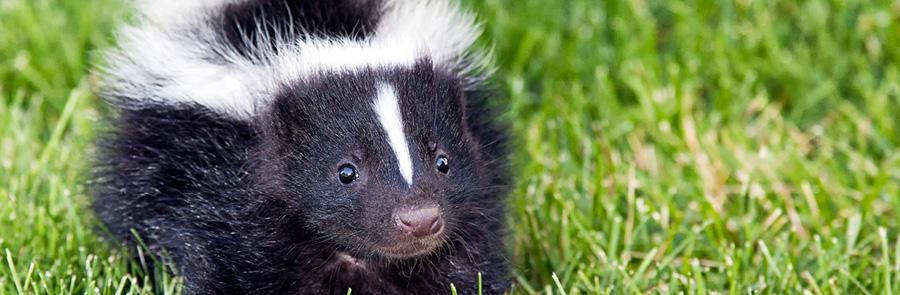
Credit: www.saskatoon.ca
Preventing Skunks From Eating Bird Seed
Skunks often visit yards to find easy food sources. Bird seed can attract these unwanted guests. It is important to protect your bird feeders.
So, do skunks eat bird seed during their nighttime raids? Yes, and it’s crucial to be prepared.
This guide explains how to keep skunks away by securing feeding areas and offering other foods for them.
Secure Feeding Stations
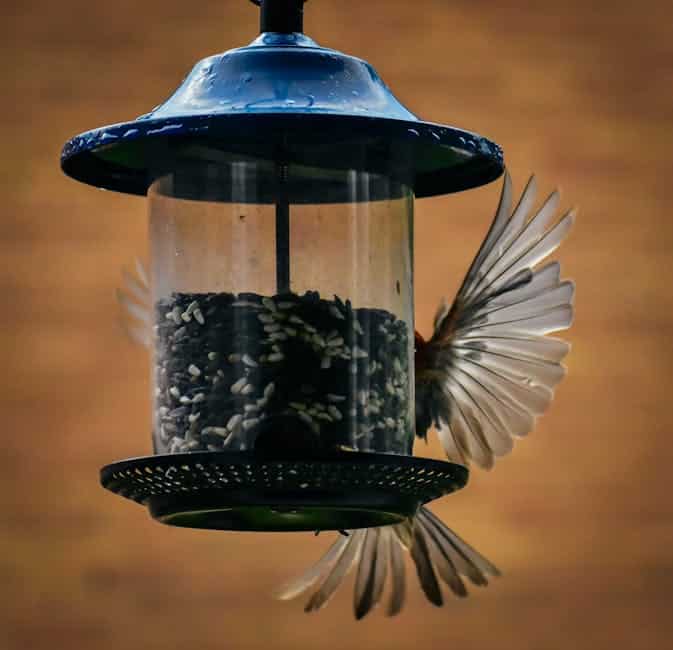
Setting up secure feeding stations helps stop skunks from reaching bird seed. Use feeders that close after birds leave. Keep the area clean to reduce spillage.
- Choose bird feeders with weight-sensitive perches that close access for heavier animals
Consider using feeders designed to prevent access by skunks and keep bird seed safe.
- Place feeders away from ground level to prevent skunks from reaching the seed
- Clean spilled seed regularly to avoid attracting skunks
- Use metal or heavy-duty plastic containers that skunks cannot chew through
In summary, do skunks eat bird seed? You’ll want to make strategic choices to deter them.
- Install motion-activated lights or sprinklers near feeding areas to scare skunks
Alternative Food Sources For Skunks
Providing other food sources can help divert skunks from bird seed. Feeding them in a controlled way reduces damage to your garden.
Feeding skunks in a controlled manner helps reduce their dependency on bird seed.
| Food Type | Benefits | Tips |
| Cat Food | High in protein, attracts skunks away | Feed in a secure area away from bird feeders |
| Fruits and Vegetables | Natural diet, reduces seed consumption | Place in a spot skunks can easily access |
| Mealworms or Insects | Mimics natural diet, healthy option | Use small trays and remove leftovers daily |
Skunk Behavior Around Humans
Skunks are mostly shy animals. They try to avoid people. But sometimes, they come close to homes and gardens.
Understanding how skunks behave helps us live safely near them. This guide explains when skunks become a problem and how to handle them safely.
When Skunks Become A Nuisance
Skunks may become a nuisance if they find easy food or shelter near homes. Bird seed left outside can attract them. They also dig in lawns looking for insects and grubs.
- Skunks raid bird feeders and pet food bowls at night.
- They dig holes in yards searching for bugs.
- Skunks may nest under decks or sheds.
- They spray a strong odor if they feel threatened.
Safe Ways To Handle Skunk Encounters
It is best to stay calm and keep your distance if you see a skunk. Do not try to touch or scare it. Here are safe tips to avoid problems.
| Action | Reason |
| Remove bird seed and pet food at night | Reduces food that attracts skunks |
| Seal openings under decks and sheds | Stops skunks from making dens |
| Use motion-activated lights or sprinklers | Discourages skunks from entering yards |
| Keep pets indoors at night | Protects pets from skunk spray or bites |
| Call wildlife control if skunks nest near homes | Professional help removes skunks safely |

Credit: pacificwildlifecare.org

Credit: www.bramptonwildlifecontrol.ca
Frequently Asked Questions
Do Skunks Eat Bird Seed Regularly?
Yes, skunks are attracted to bird seed as an easy food source. They often eat seeds spilled on the ground near feeders.
What Types Of Bird Seed Do Skunks Prefer?
Skunks prefer sunflower seeds, cracked corn, and millet. These seeds are easy for them to find and digest.
How Can I Prevent Skunks From Eating Bird Seed?
Preventing skunks from eating bird seed involves understanding their feeding habits and behavior.
Use squirrel-proof feeders, clean up spilled seeds, and avoid feeding birds at night to reduce skunk visits.
Are Skunks Attracted To Bird Feeders At Night?
Yes, skunks are nocturnal and often visit feeders after dark to forage for seeds and insects.
Conclusion
Ultimately, knowing do skunks eat bird seed can help protect your bird feeding efforts.
Skunks do eat bird seed, especially when food is scarce. They are attracted to the easy meal it provides. Leaving bird seed outside may invite skunks to your yard. To protect your garden and birds, consider using feeders that skunks cannot reach.
In conclusion, do skunks eat bird seed? Yes, they do, especially if it is readily available in your yard.
Remember, do skunks eat bird seed is a question many have, and awareness is key.
Keeping your area clean helps reduce unwanted visitors. Understanding skunk habits helps you manage them safely. Simple steps can keep both skunks and birds happy. Stay aware and enjoy watching wildlife without problems.
By being aware of whether skunks eat bird seed, you can take steps to protect your garden better.
In conclusion, do skunks eat bird seed should guide your preparation for wildlife encounters.