Have you ever noticed those beautiful Bird of Paradise flowers on your plant start to wilt and die? You might wonder, should you cut off the dead flowers or leave them be?
The answer can make a big difference in how healthy and vibrant your plant stays. If you want your Bird of Paradise to keep looking its best and blooming more, understanding the right way to care for those fading flowers is key.
Keep reading, and you’ll learn exactly what to do to keep your plant thriving and stunning all year round.
Credit: www.gardeningknowhow.com
Why Remove Dead Bird Of Paradise Flowers
Removing dead flowers from your Bird of Paradise plant is an important part of care. It helps keep the plant healthy and looking good.
Dead flowers can affect the plant’s growth and stop new blooms from forming. Taking them off is easy and benefits the plant.
Benefits For Plant Health
Dead flowers can attract pests and diseases. Removing them stops these problems from spreading.
Cutting off dead flowers helps the plant use its energy better. It can focus on new growth instead of old blooms.
- Prevents pests and diseases
- Stops decay from spreading
- Saves energy for new growth
Impact On Appearance
Dead flowers make the plant look old and untidy. Removing them keeps the plant neat and fresh.
A clean plant with no dead flowers is more attractive in your garden or home. It shows you care for your plants.
- Improves overall look
- Keeps plant tidy
- Makes garden more attractive
Encouraging New Blooms
Removing dead flowers tells the plant to grow new ones. It stops the plant from wasting energy on old blooms.
Regular removal of dead flowers can help your Bird of Paradise bloom more often and produce bigger flowers.
- Signals plant to produce new flowers
- Increases bloom frequency
- Supports bigger, healthier blooms
When To Cut Dead Flowers
Dead flowers on Bird of Paradise plants do not add beauty. Cutting them helps the plant stay healthy. Knowing when to cut dead flowers is important for good growth.
Cutting dead flowers at the right time encourages new blooms. It also keeps your plant looking fresh and tidy.
Signs Of Flower Decline
Look closely at your Bird of Paradise flowers. They show signs when they start to die. Knowing these signs helps you decide when to cut them.
- Petals turn brown or dry out
- Flowers become soft or wilted
- Leaves near the flower start to yellow
- Flowers stop opening or growing
- Faded color on petals
Best Seasonal Timing
Cutting dead flowers at the right season helps the plant bloom again. Bird of Paradise plants have specific times to prune dead flowers.
| Season | Pruning Advice |
| Spring | Remove dead flowers from winter bloom to prepare for new growth |
| Summer | Cut dead flowers regularly to encourage more blooms |
| Fall | Avoid heavy cutting; focus on light removal of dead flowers |
| Winter | Minimal pruning needed; protect plant from cold |
Tools For Pruning Bird Of Paradise
Pruning Bird of Paradise flowers helps keep the plant healthy. It removes dead or damaged parts to encourage growth.
Using the right tools makes pruning easier and safer. Good tools give clean cuts and protect the plant.
Choosing The Right Tools
Select sharp pruning shears or scissors to cut the flowers. Dull tools can damage the plant stems.
For thicker stems, use loppers or pruning saws. These tools cut through tough branches smoothly.
- Sharp pruning shears for small stems
- Loppers for medium branches
- Pruning saw for thick stems
- Gloves to protect your hands
Sanitizing Equipment
Clean tools prevent the spread of disease between plants. Always sanitize before and after pruning.
Use rubbing alcohol or a bleach solution to wipe the blades. Let tools dry before using them on the plant.
- Wipe blades with rubbing alcohol
- Use a bleach solution (1 part bleach to 9 parts water)
- Dry tools completely before pruning
- Clean tools after finishing each plant

Credit: plantologyusa.com
Step-by-step Pruning Guide
Pruning Bird of Paradise flowers keeps the plant healthy and looking good. Removing dead flowers helps new blooms grow.
This guide shows how to identify dead flowers, cut them properly, and dispose of them safely.
Identifying Dead Flowers
Dead Bird of Paradise flowers look dry, brown, or shriveled. They may lose their bright orange and blue colors. The petals might fall off or feel brittle.
- Check for faded or dull colors on the flower.
- Look for dry or crisp petals.
- Notice any flowers that hang down or wilt.
- Spot petals that have fallen off or look damaged.
Proper Cutting Techniques
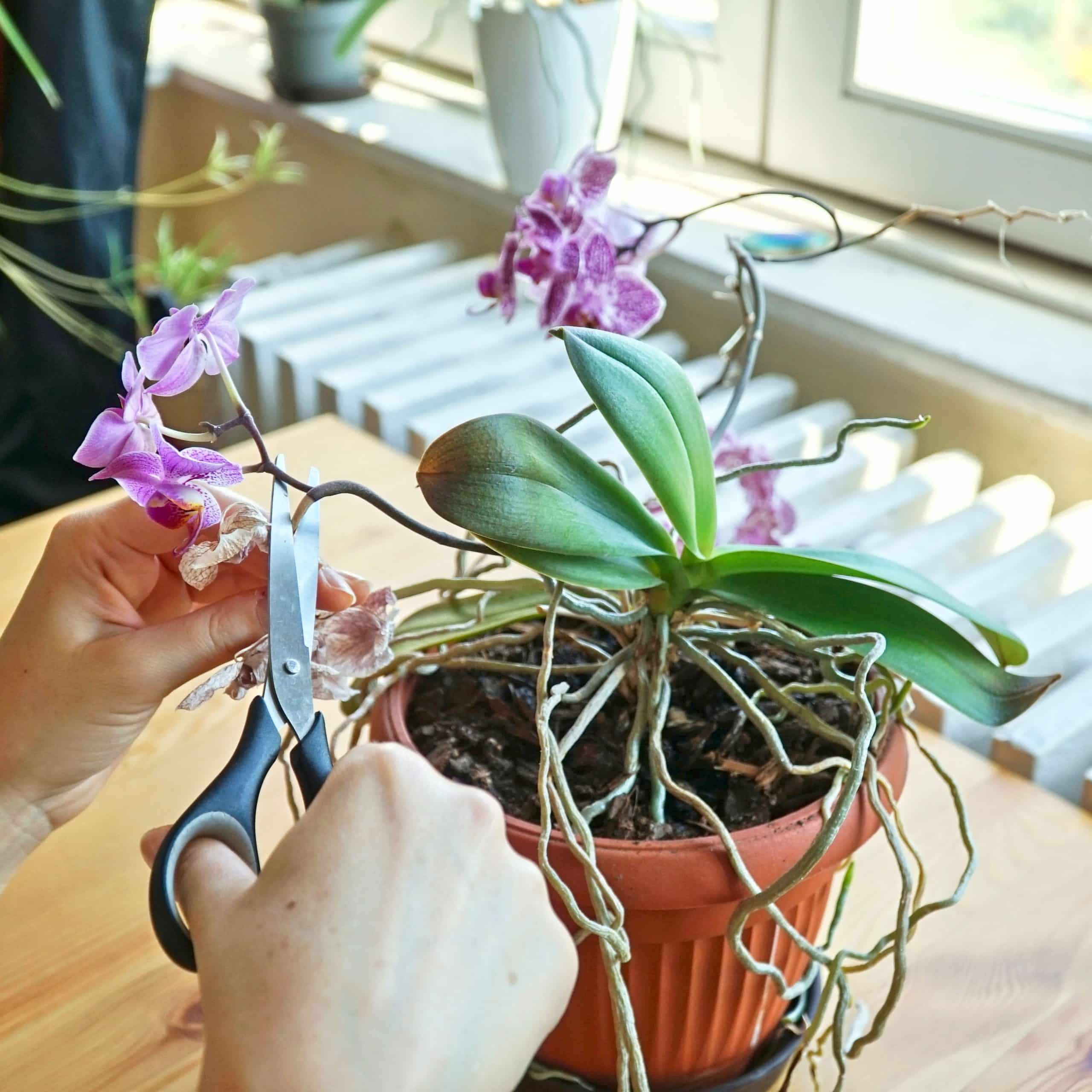
Use clean and sharp pruning shears to avoid harming the plant. Cut the dead flower close to the base of the stem. Avoid cutting green or healthy parts.
- Sanitize pruning shears with rubbing alcohol.
- Hold the stem firmly near the base of the dead flower.
- Make a clean cut just above a leaf node or where the stem meets the main plant.
- Remove only the dead flower and stem parts.
- Do not cut into healthy tissue or leaves.
Disposal Of Pruned Material
Proper disposal prevents pests and diseases from spreading. Avoid leaving cut flowers near the plant.
| Disposal Method | Details |
|---|---|
| Compost | Use if no diseases are present on pruned flowers. |
| Trash Bin | Dispose in trash if flowers show signs of disease or pests. |
| Burning | Safe in areas that allow controlled burning to kill pathogens. |
Common Mistakes To Avoid
Cutting Bird of Paradise flowers can be tricky. Many gardeners make simple mistakes that hurt the plant.
Knowing what to avoid helps your plant stay healthy and bloom well next season.
Cutting Live Flowers
Cutting flowers that are still alive stops the plant from making seeds and new blooms. Only cut flowers that are fully dry or dead.
Damaging Stems
Using dull or dirty tools can crush or infect the stems. This slows healing and can cause disease.
- Always use sharp, clean scissors or pruners
- Cut stems at a 45-degree angle for better water absorption
- Avoid tearing or crushing the stem when cutting
- Sanitize tools before and after use to prevent spread of germs
Over-pruning
Removing too many leaves and stems weakens the plant. It lowers its ability to make food through photosynthesis.
| Pruning Mistake | Effect on Plant |
| Cutting too often | Less energy for growth |
| Removing many leaves | Lower food production |
| Cutting stems too short | Delayed new growth |
| Ignoring plant signals | Stress and poor health |

Credit: windflowerflorist.com
Aftercare For Bird Of Paradise
Bird of Paradise plants need proper care to stay healthy. Cutting off dead flowers helps the plant grow new blooms.
Taking care of watering, fertilizing, and pest control improves the plant’s life and beauty.
Watering Tips
Water your Bird of Paradise regularly, but do not overwater. The soil should be moist but not soggy.
Water less in winter when the plant grows slowly. Check the soil before watering.
- Water deeply once a week in summer
- Let the top inch of soil dry before watering again
- Use room temperature water for best results
Fertilizing
Feed your Bird of Paradise with a balanced fertilizer. This helps it grow strong and produce flowers.
Fertilize every two weeks during spring and summer. Stop feeding in fall and winter.
- Use a fertilizer with equal N-P-K values (like 10-10-10)
- Follow package instructions to avoid overfeeding
- Apply fertilizer to moist soil for better absorption
Pest Management
Watch out for pests like spider mites and scale insects. They can harm your Bird of Paradise.
Remove pests early using gentle methods. Keep the plant clean and healthy to prevent infestations.
- Wipe leaves with a damp cloth to remove pests
- Use insecticidal soap if pests appear
- Keep the plant in a well-ventilated area
Encouraging More Blooms
Dead Bird of Paradise flowers can affect the plant’s ability to bloom again. Cutting them off helps the plant focus energy on new growth.
Proper care also supports more flowers. Light, soil, and temperature all play a role in encouraging blooms.
Light Requirements
Bird of Paradise plants need plenty of light to bloom well. Bright, indirect sunlight works best. Too much shade can reduce flowering.
- Place the plant near a sunny window
- Use sheer curtains to soften direct light
- Rotate the plant for even light exposure
Soil Conditions
The right soil helps Bird of Paradise plants grow strong roots and flowers. Soil should drain well but keep some moisture.
| Soil Type | Water Retention | Drainage |
| Loamy | Moderate | Good |
| Sandy | Low | Excellent |
| Clay | High | Poor |
Temperature Considerations
Bird of Paradise plants bloom best in warm temperatures. They do not like cold drafts or frost.
Keep the temperature between 65°F and 70°F (18°C to 21°C) for best results.
Avoid sudden temperature drops at night or near air conditioning vents.
Frequently Asked Questions
Should I Cut Off Dead Bird Of Paradise Flowers?
Yes, remove dead Bird of Paradise flowers to encourage new blooms. Cutting dead flowers improves plant health and appearance by redirecting energy.
When Is The Best Time To Prune Bird Of Paradise?
Prune Bird of Paradise in late winter or early spring. This timing helps stimulate growth and prepares the plant for the growing season.
How Do I Properly Cut Dead Bird Of Paradise Flowers?
Cut dead flowers near the base of the stem using clean, sharp scissors. This prevents damage and promotes healthy new growth.
Will Cutting Dead Flowers Affect Bird Of Paradise Growth?
Yes, removing dead flowers promotes better growth by focusing energy on healthy parts. It also prevents disease and keeps the plant tidy.
Conclusion
Trimming dead Bird of Paradise flowers boosts plant health. It encourages new blooms and keeps your garden tidy. Regular pruning prevents disease and pest issues. Use clean tools to avoid spreading infections. Be gentle with the plant to avoid damage.
Removing old blooms enhances garden beauty and plant vitality. Simple care steps make a big difference. Keep your garden thriving with regular attention. Your plants will thank you. Enjoy a vibrant garden year-round. Happy gardening!