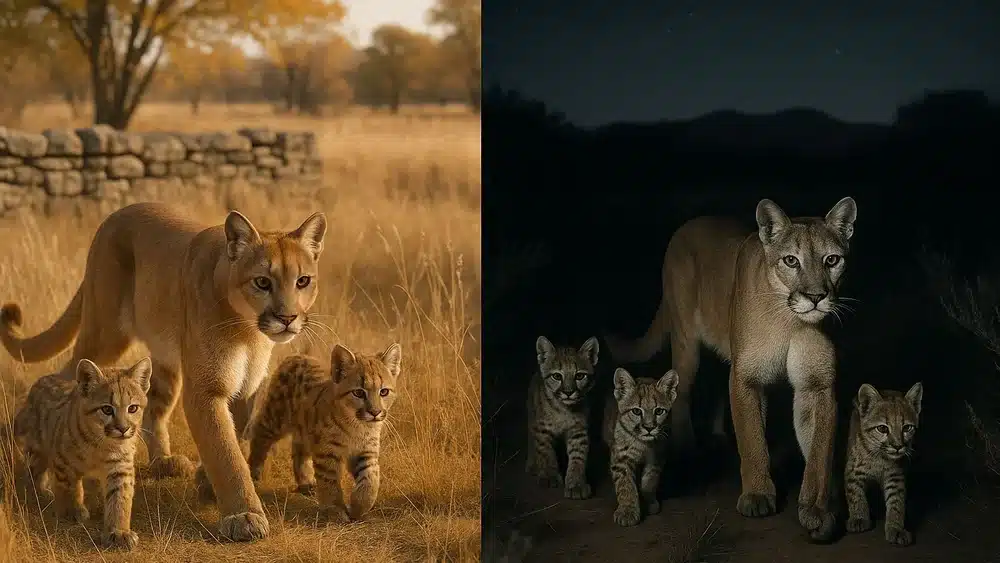
Have you ever wondered what a mountain lion eats? You might think of deer or rabbits, but what about birds?
It’s a surprising question that sparks curiosity. If you want to understand the hunting habits of these powerful cats and find out if birds are part of their diet, keep reading. Discover the truth behind the mountain lion’s meals and learn how this affects the balance of nature around you.
Your next outdoor adventure could be even more fascinating with this knowledge.

Credit: www.reddit.com
Mountain Lion Diet
Mountain lions are large wild cats found in North and South America. They eat many types of animals to survive.
This article explains what mountain lions eat and how their diet changes during the year.
Common Prey Species
Mountain lions mainly eat mammals, but sometimes they do eat birds. Their prey depends on what is available nearby.
- Deer are the most common prey for mountain lions.
- Elk and wild sheep are hunted when deer are scarce.
- Smaller animals like rabbits and rodents are also eaten.
- Birds are rarely eaten but can be part of the diet.
- Livestock such as sheep or goats may be targeted near farms.
Dietary Habits Across Seasons
The mountain lion’s diet changes with the seasons. Different animals are easier to catch at certain times of the year.
| Season | Main Prey | Diet Notes |
| Spring | Deer fawns, small mammals | Young animals are more vulnerable |
| Summer | Elk calves, birds | Birds may be hunted more often |
| Fall | Adult deer, livestock | Animals prepare for winter, easier to find |
| Winter | Deer, elk | Snow makes hunting harder, diet narrows |
Birds As Potential Prey
Mountain lions are strong predators that mainly hunt mammals. Birds are not their usual food choice. Still, some birds living where mountain lions roam can become prey.
This article looks at what kinds of birds share habitats with mountain lions. It also shares real examples of mountain lions hunting birds.
Types Of Birds In Mountain Lion Habitats
Mountain lions live in forests, mountains, and deserts. Many birds live in these areas. Some common birds include:
- Quail
- Grouse
- Ravens
- Woodpeckers
- Hawks
- Eagles
- Songbirds
Ground birds like quail and grouse are easier for mountain lions to catch. Birds that fly high are harder to hunt.
Instances Of Bird Predation
Mountain lions mostly eat deer and small mammals. They sometimes catch birds, especially when other food is scarce. They often hunt birds on the ground or near nests.
Studies and reports show mountain lions have eaten birds like quail and grouse. These birds are easy to catch since they spend time on the ground.
- Mountain lions catch quail near bushes.
- Grouse are hunted during their feeding times.
- Young birds in nests can be easy prey.
Hunting Techniques
Mountain lions are skilled hunters that use different methods to catch their prey. They rely on stealth and power to succeed.
Understanding their hunting techniques helps us see how they can catch even fast animals like birds.
Stalking And Ambush Strategies
Mountain lions move quietly and slowly to get close to their prey. They use cover like bushes and rocks to stay hidden.
- They watch their prey carefully to find the right moment to attack.
- They wait in hiding places near animal paths or water sources.
- When close enough, they rush quickly to catch the prey by surprise.
Adaptations For Capturing Prey
Mountain lions have strong muscles and sharp claws that help them hold and kill prey fast.
| Adaptation | Purpose |
| Powerful legs | Leap long distances to catch prey |
| Sharp claws | Grip and hold slippery or flying animals |
| Strong jaws | Deliver a quick bite to kill |
| Keen eyesight | Spot prey from far away |
Comparing Prey Preferences
Mountain lions eat many animals to survive. They hunt both mammals and birds. Their choice depends on what is easier to catch.
Understanding their prey helps us learn about their behavior and diet. We will look at mammals versus birds and energy needs.
Mammals Vs Birds
Mountain lions mostly hunt mammals like deer, rabbits, and rodents. These animals are easier to catch on the ground. Birds can fly, so they are harder to catch.
Birds are not the main food for mountain lions. They may eat birds if other prey is rare. Mammals provide more meat and are safer to hunt.
- Mammals stay on the ground and move slower.
- Birds can fly away quickly.
- Mammals are more common in the mountain lion’s area.
- Birds are harder to catch and less often hunted.
Energy And Nutritional Considerations
Mountain lions need food with enough energy to survive. Mammals usually give more energy than birds. This is because mammals have more body mass and fat.
Birds have less meat and less fat. Catching birds uses more energy because they can fly. Mountain lions save energy by hunting bigger mammals.
- Mammals provide more calories per meal.
- Birds have less fat and muscle.
- Hunting birds may waste energy due to their flight.
- Mountain lions prefer prey that gives the best energy return.
Surprising Wildlife Facts
Mountain lions are powerful animals that live in many parts of North America. They mostly hunt mammals like deer and rabbits.
Some people wonder if mountain lions eat birds. The answer is yes, but it is not very common.
Uncommon Prey Items
Birds are not the usual food for mountain lions. They prefer bigger animals that give more energy.
Sometimes, mountain lions catch birds like turkeys or large ground birds. They may also eat small birds if other food is scarce.
- Wild turkeys
- Grouse and pheasants
- Occasional small birds
Behavioral Adaptations
Mountain lions use stealth and patience to hunt. They move quietly to surprise their prey.
When hunting birds, they wait near nests or feeding areas. They strike quickly before the birds can fly away.
- Silent stalking to avoid detection
- Waiting near bird nests or feeders
- Fast attack to catch flying prey
Credit: westernhunter.net
Ecological Impact
Mountain lions are large predators found in many North American habitats. They sometimes eat birds as part of their diet.
Understanding how mountain lions affect bird populations helps us learn about nature’s balance.
Role In Food Chain
Mountain lions sit near the top of the food chain. They control the number of animals below them.
By eating birds and other animals, they keep the ecosystem healthy and balanced.
- They prevent overpopulation of some species
- Help maintain diversity in animal communities
- Support natural cycles by hunting prey
Effect On Bird Populations
Mountain lions mainly eat mammals but also catch birds sometimes. Their impact on bird numbers is usually small.
Birds that live on the ground or in low bushes are more at risk from mountain lions.
- Ground-nesting birds face higher danger
- Birds with good flying skills avoid predators
- Mountain lion hunting helps control weak bird populations
Credit: westernhunter.net
Frequently Asked Questions
Do Mountain Lions Hunt Birds Regularly?
Mountain lions mainly hunt mammals but can eat birds occasionally. Birds are not their primary prey but may be caught opportunistically when available.
What Types Of Birds Do Mountain Lions Eat?
Mountain lions may eat ground-dwelling birds like quail or turkeys. They rarely target flying birds due to difficulty catching them.
How Do Mountain Lions Catch Birds?
Mountain lions use stealth and patience to ambush prey. They rely on surprise rather than chasing flying birds.
Are Birds A Significant Part Of Mountain Lion Diet?
No, birds form a small portion of their diet. Mountain lions primarily eat deer, elk, and smaller mammals.
Conclusion
Mountain lions do eat birds. They are opportunistic hunters. Birds make easy prey. Though not their main diet, birds provide nutrients. These predators adapt to available food sources. Small mammals, deer, and birds form their diet. Mountain lions are skilled hunters.
They efficiently catch birds when needed. Understanding their diet helps wildlife enthusiasts. Observing their hunting habits fascinates many. Nature’s balance relies on predator-prey interactions. Mountain lions play a crucial role in ecosystems. Protecting their habitat ensures ecological balance. Awareness of their diet aids conservation efforts.
Stay curious and learn more about wildlife.