
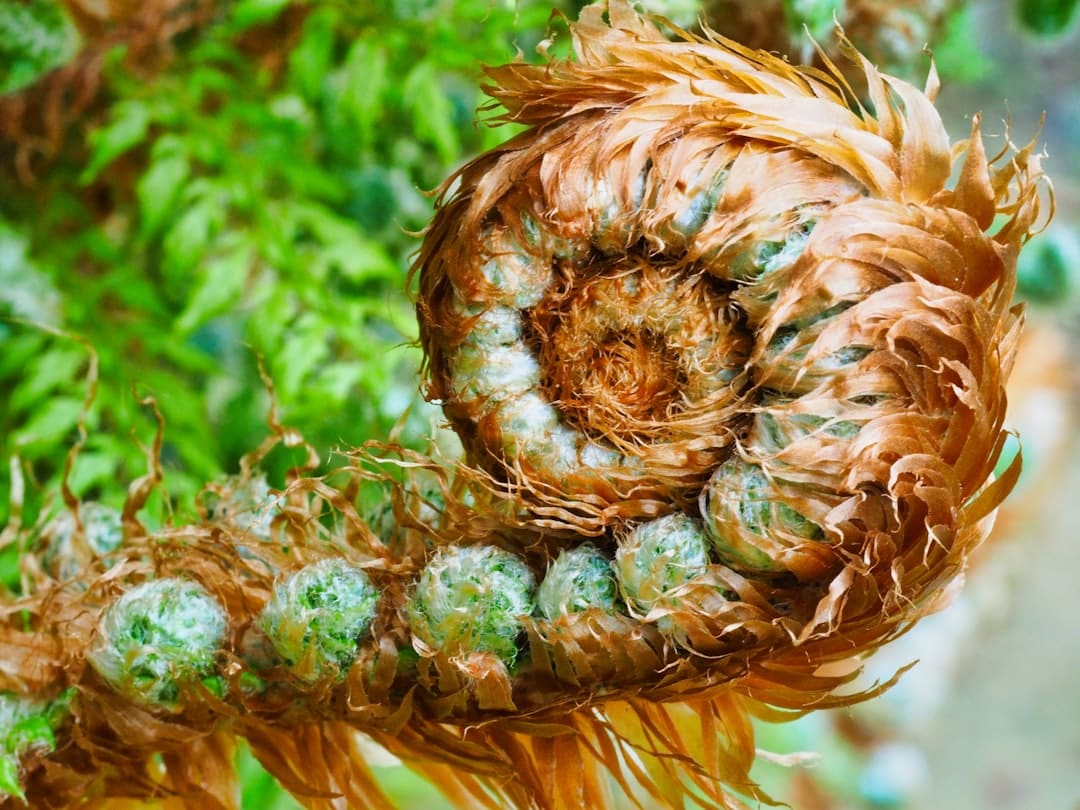
Have you ever wondered if your bird nest fern can bloom and show you beautiful flowers? If you’re caring for this popular houseplant, you might be curious about what to expect beyond its lush green leaves.
Understanding whether bird nest ferns bear flowers can help you better appreciate your plant and know what to look for. Keep reading to discover the surprising facts about bird nest ferns and their flowering habits—this knowledge could change how you care for your leafy friend!
Credit: www.gardeningknowhow.com
Bird Nest Fern Basics
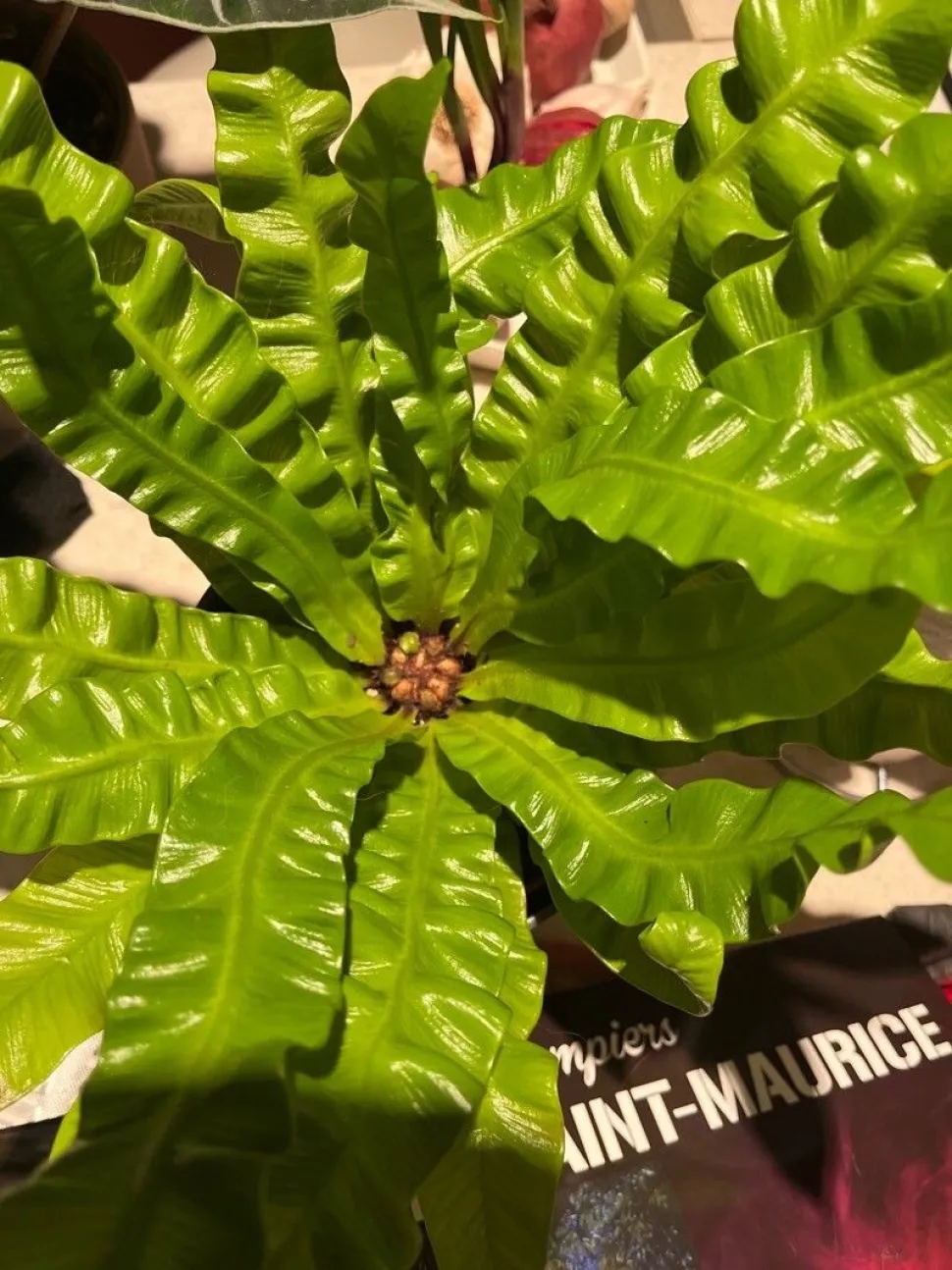
Bird Nest Fern is a popular houseplant known for its unique look. It grows long, bright green leaves that form a rosette shape.
Many people wonder if Bird Nest Fern bears flowers. This plant rarely produces flowers indoors. It is mostly grown for its beautiful leaves.
Appearance And Growth
Bird Nest Fern has wide, wavy leaves that look like a bird’s nest. The leaves can grow up to 3 feet long.
The plant grows from a central crown. New leaves unfold from the center, while older leaves spread outward.
- Leaves are bright green and glossy
- Leaves grow in a circular pattern
- Plant can reach 2 to 3 feet tall indoors
- Growth is slow to moderate
Natural Habitat
Bird Nest Fern is native to tropical rainforests. It grows on trees or rocks in warm, humid places.
The plant prefers shade and moist air. It thrives in areas with filtered sunlight and rich soil.
- Found in Southeast Asia, Australia, and Pacific Islands
- Grows in shaded forest floors or tree trunks
- Needs high humidity and warm temperatures
- Rarely flowers in natural habitat
Credit: www.monstera-app.com
Flowering In Ferns
Ferns are green plants that many people like to grow indoors or outdoors. People often ask if ferns like the Bird Nest Fern produce flowers. This is an interesting question because flowers are common in many plants.
In this article, we will explore how ferns reproduce and how they differ from flowering plants. This will help you understand why Bird Nest Ferns do not bear flowers.
How Ferns Reproduce
Ferns reproduce without flowers. They use spores instead of seeds. Spores are tiny cells that grow into new plants. The process starts when spores fall on moist soil or surfaces.
- Spores grow into small plants called gametophytes.
- Gametophytes produce male and female sex cells.
- Fertilization happens when water allows the cells to meet.
- A new fern grows from the fertilized egg.
Differences Between Ferns And Flowering Plants
| Feature | Ferns | Flowering Plants |
|---|---|---|
| Reproduction Method | Use spores | Use seeds and flowers |
| Presence of Flowers | No flowers | Have flowers |
| Seed Production | No seeds | Produce seeds |
| Structure | Have fronds and rhizomes | Have stems, leaves, and flowers |
| Pollination | Not needed | Needed for seed production |
Bird Nest Fern And Flowers
Bird Nest Fern is a popular houseplant known for its lush green leaves. Many people wonder if this fern produces flowers like other plants.
This article explains whether Bird Nest Fern bears flowers and how it reproduces.
Does It Produce Flowers?
Bird Nest Fern does not produce flowers. It is a type of fern, and ferns reproduce without flowers or seeds.
Instead of flowers, Bird Nest Fern grows spores under its leaves. These spores help the plant spread and grow new ferns.
Signs Of Reproduction In Bird Nest Fern
- Look for brown or dark patches on the underside of the leaves. These are spore clusters.
- New small ferns may start to grow near the base of the plant.
- The plant will produce new fronds as it grows, which is a sign of healthy reproduction.
- Spores can be collected and planted to grow new ferns.
| Reproduction Method | Signs to Watch |
| Spores | Brown patches under leaves |
| New Growth | Small fern shoots at base |
| Frond Development | Emerging new leaves |
Common Misconceptions
Many people wonder if the Bird Nest Fern produces flowers. This plant is often misunderstood because it looks unique. Some common ideas about its flowers are not true.
Understanding the true nature of the Bird Nest Fern helps you care for it better. Let’s clear up some common myths about this plant.
Mistaking Spores For Flowers
The Bird Nest Fern does not make flowers. Instead, it produces spores. Spores are small and found under the leaves. Some people think these spores look like flowers, but they are different.
Spores help the plant reproduce but do not have petals or bright colors like flowers. This confusion happens because the spores are sometimes clustered and visible.
Confusing Bird Nest Fern With Other Plants
Sometimes, people confuse the Bird Nest Fern with other plants that do flower. Some ferns or tropical plants nearby may have flowers, causing mix-ups.
The Bird Nest Fern has wide, simple green leaves without flower buds. Plants with colorful flowers often have different leaf shapes and textures.
- Bird Nest Fern: No flowers, only spores under leaves
- Flowering tropical plants: Bright flowers, different leaves
- Other ferns: Usually no flowers, but some look different
Care Tips For Bird Nest Fern
Bird Nest Fern is a popular indoor plant with lush green leaves. It does not bear flowers often. Taking good care helps the plant grow well and stay healthy.
Understanding the right conditions and care practices improves the life of your Bird Nest Fern. Learn simple tips below.
Optimal Growing Conditions
Bird Nest Fern prefers a warm and humid environment. It grows best in indirect light and moist soil. Proper conditions keep the leaves bright and fresh.
- Place the plant where it gets filtered sunlight.
- Keep the temperature between 60°F and 80°F (15°C to 27°C).
- Water the soil regularly but avoid waterlogging.
- Maintain humidity by misting or using a humidity tray.
- Use well-draining soil rich in organic matter.
Encouraging Healthy Growth
Healthy growth depends on care routines. Feeding and pruning support the plant’s strength and appearance.
| Care Activity | Details |
| Fertilizing | Use balanced liquid fertilizer every 4-6 weeks in spring and summer. |
| Pruning | Remove dead or damaged leaves to promote new growth. |
| Repotting | Repot every 2 years in spring using fresh soil. |
| Pest Control | Check regularly for pests like scale and treat with insecticidal soap if found. |

Credit: www.monrovia.com
Frequently Asked Questions
Does Bird Nest Fern Produce Flowers?
No, Bird Nest Ferns do not produce flowers. They reproduce via spores, not seeds or flowers. Their unique fronds are the main feature.
How Does Bird Nest Fern Reproduce Without Flowers?
Bird Nest Ferns reproduce through spores found under their fronds. These spores grow into new plants, bypassing flowers and seeds entirely.
Can Bird Nest Fern Bloom Indoors?
Bird Nest Ferns rarely bloom indoors. Since they don’t produce flowers, any “bloom” is usually new frond growth or spore development.
Why Doesn’t My Bird Nest Fern Have Flowers?
Bird Nest Ferns naturally do not flower. Lack of flowers is normal and indicates a healthy fern focusing on spore reproduction.
Conclusion
Bird Nest Ferns do not bear flowers. They grow through spores. These ferns thrive in tropical environments. Bright, indirect light suits them best. Keep their soil moist, but not waterlogged. Regular misting helps maintain humidity. Ideal for indoor plant enthusiasts.
They add lush greenery to spaces. Easy to care for, they suit beginners. Remember, no flowers, just beautiful foliage. Perfect for home or office decor. Enjoy their unique, vibrant leaves. They bring nature indoors effortlessly. Appreciate their simplicity and charm.
A wonderful, low-maintenance plant choice.



