Have you ever admired the lush, green leaves of a Bird Nest Fern and wondered if it blooms like other plants? You’re not alone.
Many plant lovers get curious about whether this popular houseplant produces flowers. Understanding the secret behind its growth can help you care for your fern better and appreciate its unique beauty. Keep reading, and you’ll discover the surprising truth about whether your Bird Nest Fern has flowers—and what that means for your indoor garden.
Credit: www.monstera-app.com
Bird Nest Fern Basics
Bird Nest Fern is a popular houseplant known for its lush green leaves. It does not produce flowers like many other plants.
This fern adds a tropical look to homes and offices. It grows slowly but steadily under the right conditions.
Appearance And Growth
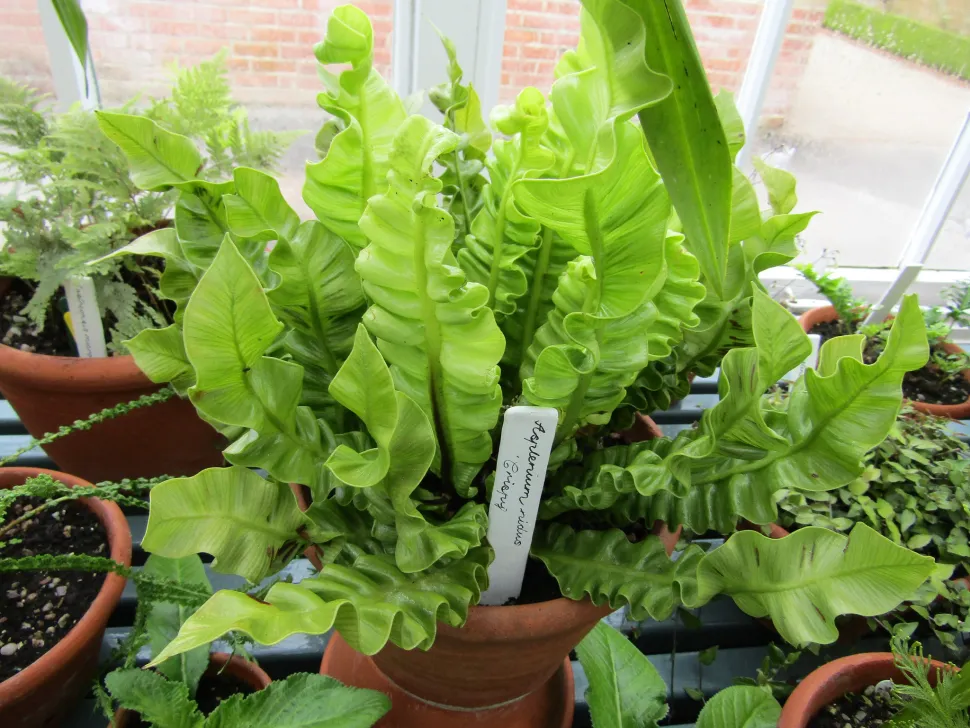
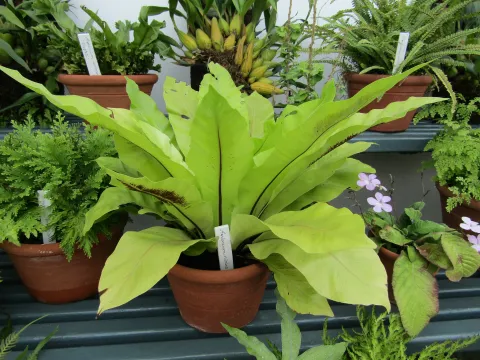
Bird Nest Fern has long, bright green fronds that grow in a circular pattern. The fronds look like a bird’s nest, giving the plant its name.
- Fronds can reach up to 3 feet long
- Leaves are smooth and slightly wavy
- New fronds grow from the center of the plant
- The plant spreads slowly over time
Natural Habitat
Bird Nest Fern naturally grows in tropical forests. It prefers warm, humid environments with indirect sunlight.
| Habitat Feature | Description |
| Location | Rainforests of Southeast Asia and Pacific Islands |
| Temperature | 70°F to 90°F (21°C to 32°C) |
| Light | Filtered sunlight, no direct sun |
| Moisture | High humidity with regular rainfall |
Credit: www.monstera-app.com
Flowering Traits Of Ferns
Bird Nest Fern is a popular plant that many people grow indoors. People often wonder if it has flowers like other plants.
Ferns, including Bird Nest Fern, are different from flowering plants. They do not produce flowers at all.
How Ferns Reproduce
Ferns reproduce using spores instead of seeds. Spores are tiny and grow in special spots under the leaves.
These spores spread through the air. When they land in a good place, they grow into a new fern plant.
Differences From Flowering Plants
Flowering plants have flowers that help make seeds. Ferns do not have flowers or seeds.
Ferns use spores and a different life cycle. Their leaves and reproduction parts look very different from flowers.
- Flowering plants produce flowers and seeds.
- Ferns produce spores, not seeds or flowers.
- Ferns have fronds instead of petals and stamens.
- Ferns need moist places for spores to grow.
Does Bird Nest Fern Bloom?
Bird Nest Ferns are popular houseplants known for their bright green, wavy leaves. Many people wonder if these ferns produce flowers.
Understanding if Bird Nest Ferns bloom helps in caring for them better and knowing what to expect.
Signs Of Flowering
Bird Nest Ferns do not produce traditional flowers like many plants. Instead, they reproduce through spores. Here are some signs related to their reproduction process:
- Ferns produce spore cases called sori under their leaves.
- Sori look like small brown or yellow dots or patches.
- The presence of sori means the fern is mature and healthy.
- Bird Nest Ferns rarely produce visible flowering structures.
Common Misconceptions
Many people confuse Bird Nest Ferns with flowering plants because of their lush appearance. Below is a table showing common myths and facts about Bird Nest Fern flowering.
| Myth | Fact |
| Bird Nest Ferns produce colorful flowers. | They do not produce flowers at all. |
| Leaf tips or new leaves are flowers. | These are just new fronds growing. |
| Ferns bloom in spring like other plants. | Ferns reproduce by spores, not blooms. |
| Ferns need flowers to reproduce. | Ferns use spores to reproduce, not flowers. |

Credit: www.monrovia.com
Spore Production In Bird Nest Fern
Bird Nest Ferns do not produce flowers like many plants. Instead, they reproduce using spores. Spores are tiny cells that help the fern grow new plants.
Spore production is an important part of the fern’s life cycle. It allows the plant to spread and grow in new places.
Where Spores Develop
Spores develop on special structures called sori. These sori are found on the underside of the fern’s leaves. They look like small brown or black dots.
Each sorus contains many spore cases. These cases hold the spores until they are ready to be released.
Spore Dispersal Process
When spores mature, the spore cases open to release them. The spores are very light and can float in the air easily.
Wind carries the spores to new locations. If conditions are right, the spores will grow into new fern plants.
- Spores are released from spore cases on the leaves
- Wind spreads the spores over long distances
- Spores land in moist, shaded areas to grow
- New ferns start from the spores when conditions are good
Caring For Bird Nest Fern
Bird Nest Fern is a popular indoor plant known for its lush green leaves. It does not produce flowers, but its unique foliage adds beauty to any space.
Proper care helps this fern stay healthy and vibrant. Learn about its ideal growing conditions and tips for healthy growth below.
Ideal Growing Conditions
Bird Nest Fern thrives best in warm and humid environments. It prefers indirect light and moist soil but not soggy.
- Light: Bright, indirect sunlight
- Temperature: 60-80°F (16-27°C)
- Humidity: High, around 70%
- Soil: Well-draining, rich in organic matter
- Watering: Keep soil evenly moist but avoid waterlogging
Tips For Healthy Growth
| Care Aspect | Advice |
| Watering | Water when the top inch of soil feels dry |
| Fertilizing | Feed monthly with a balanced liquid fertilizer during growing seasons |
| Cleaning | Wipe leaves gently to remove dust |
| Repotting | Repot every 2-3 years in fresh soil |
| Pests | Check regularly for scale and mealybugs |
Why No Flowers Matter
Bird Nest Ferns do not produce flowers. This is because they are ferns, not flowering plants. Instead, they reproduce using spores.
Not having flowers affects how the plant grows and how people care for it. It also changes how the plant spreads and survives.
Advantages Of Spore Reproduction
Spore reproduction helps Bird Nest Ferns grow in many places. Spores are tiny and light, so they travel far by wind. This helps the fern spread quickly.
Spore reproduction does not need flowers or seeds. This means the plant uses less energy to reproduce. It can focus more on growing leaves and roots.
- Spores spread easily by wind
- No need to attract pollinators
- Uses less energy than flowering plants
- Can grow in shady and moist places
Impact On Plant Care
Since Bird Nest Ferns do not flower, you do not need to worry about deadheading flowers. This makes care simpler. Focus on watering and humidity instead.
These ferns need moist soil and indirect light. Their care depends on keeping the right environment, not on encouraging flowers or fruit.
- Water regularly to keep soil moist
- Keep in a shaded or low light area
- Maintain high humidity for healthy growth
- No need to prune flowers or seeds
Frequently Asked Questions
Does Bird Nest Fern Produce Flowers?
No, Bird Nest Ferns do not produce flowers. They reproduce through spores, typical of ferns. This makes them unique and different from flowering plants.
How Does Bird Nest Fern Reproduce Without Flowers?
Bird Nest Ferns reproduce by releasing spores from the underside of their fronds. These spores grow into new plants, bypassing the need for flowers or seeds.
Can Bird Nest Fern Bloom Indoors?
No, Bird Nest Ferns cannot bloom indoors or outdoors. They do not have flowers, so they cannot produce blooms in any environment.
What Are The Signs Of A Healthy Bird Nest Fern?
Healthy Bird Nest Ferns have vibrant green fronds with no yellowing or browning. They grow new leaves from the center, indicating good health.
Conclusion
Bird Nest Ferns do not produce flowers. They are unique in their own way. Their beauty lies in lush, green fronds. These ferns thrive in moist, warm environments. Ideal for indoor decoration, adding life to any space. Care is simple; avoid direct sunlight.
Regular watering keeps them healthy. Perfect for plant lovers seeking low-maintenance options. Enjoy the greenery and tranquility they bring. They make a great addition to your home. Always a conversation starter. Embrace nature’s elegance with Bird Nest Ferns.