Does bird seed cause weeds? If you've ever scattered seed in your yard and noticed weeds popping up, you're not alone. Many bird lovers face this same problem.
Many gardeners and bird lovers worry that feeding birds could invite unwanted plants into their gardens. What if those tiny seeds are secretly turning your beautiful yard into a weedy mess? Keep reading, because understanding the truth about bird seed and weeds can help you protect your garden—and still enjoy watching your feathered visitors.
How Bird Seed Spreads
Bird seed can sometimes cause weeds to grow in unexpected places. This happens because birds carry seeds away from feeders. The seeds fall or are dropped as birds eat or move around.
Understanding how bird seed spreads helps explain why weeds appear near bird feeders. Birds play a key role in moving these seeds across different areas.
Bird Feeding Habits
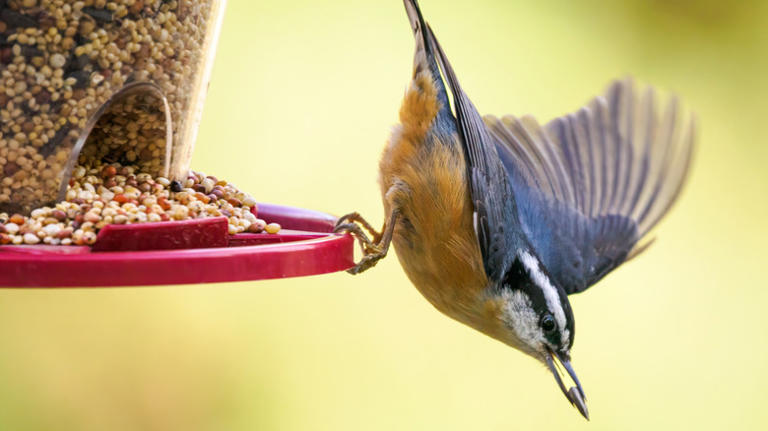
Birds do not eat every seed they find. They pick some up and drop others. Some seeds get stuck in their feathers or feet. Birds also carry seeds in their beaks to other places.
Birds often eat near feeders or in nearby plants. This can lead to seeds being spread around your yard or garden. Birds may also store seeds to eat later, leaving some behind.
- Birds drop seeds while eating
- Seeds stick to feathers or feet
- Some seeds are stored and forgotten
- Birds move seeds to new locations
Seed Dispersal Methods
Seeds from bird feeders spread in many ways. Wind can blow lightweight seeds away. Water can carry seeds to different spots in your yard. Animals other than birds may also move seeds.
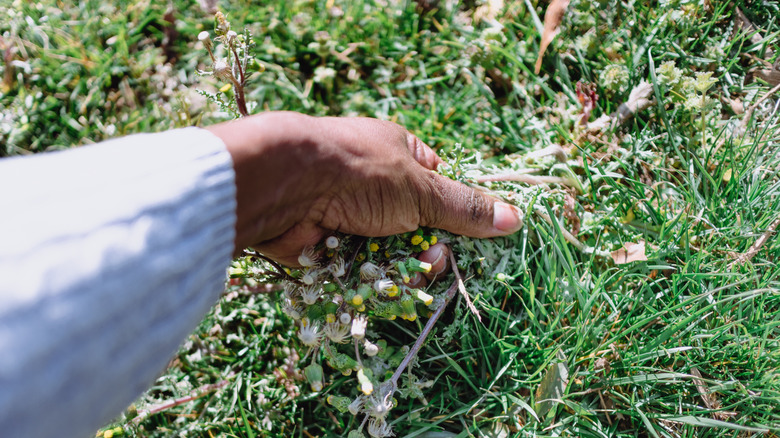
Some seeds can grow if they land in soil with enough sunlight and water. This is how weeds start growing near bird feeders and feeding areas.
- Seeds fall to the ground and grow
- Wind blows seeds to new places
- Water moves seeds in rain or irrigation
- Other animals carry seeds unknowingly
Credit: www.msn.com
Weed Seeds In Bird Food
Many people wonder if bird seed causes weeds in their gardens. Bird food sometimes contains unwanted weed seeds. These seeds can sprout and grow where birds drop them.
Understanding the types of weed seeds in bird food helps gardeners control unwanted plants. It also shows how bird seed quality varies.
Common Weed Seeds Found
Bird seed may contain several common weed seeds. These seeds come from plants that grow near crop fields or where the seed is harvested.
- Foxtail grass
- Cocklebur
- Ragweed
- Thistle
- Pigweed
- Wild mustard
When birds eat these seeds, they can spread them in new areas. This can lead to unwanted weeds in gardens and yards.
Quality Of Commercial Bird Seed
High-quality bird seed is cleaned and sorted to reduce weed seeds. Lower quality seed may have more weed seeds mixed in. This depends on the brand and source.
Choosing cleaner bird seed helps limit the chance of weeds growing. Some brands test their seed for purity to meet standards.
- Premium seed has fewer weed seeds
- Bulk or cheaper seed may include more weed seeds
- Seeds are usually cleaned before packaging
- Checking product labels can help identify seed quality
Conditions For Weed Growth
Weeds can grow in many places, often where conditions are right. Understanding these conditions helps control unwanted plants.
Some bird seeds can sprout and cause weeds if the environment supports their growth.
Soil And Climate Factors
Weeds need good soil and climate to grow. Soil with nutrients and moisture is best for seeds to sprout.
Warm temperatures and enough sunlight also help weeds grow quickly and spread.
- Loamy or sandy soil supports weed roots
- Wet soil encourages seed germination
- Warm weather speeds up growth
- Sunlight is needed for photosynthesis
Bird Seed Germination Potential
Bird seed can contain plant seeds that may germinate in the right conditions. Not all seeds will grow into weeds.
Seeds like millet and sunflower can sprout if they fall on fertile soil with water and light.
- Seeds must be viable to sprout
- Moisture triggers seed germination
- Seeds need warmth and light to grow
- Bird seed mix varies in seed types
Preventing Unwanted Weeds
Bird seed can sometimes cause weeds to grow in your garden. This happens when seeds from weeds mix with bird seed. Preventing these unwanted plants keeps your garden clean and healthy.
Using good practices can help stop weeds from growing near feeding areas. You can control the problem by choosing the right seed and managing where birds eat.
Choosing Clean Bird Seed
Choose bird seed that is free from weed seeds. Some seed mixes may contain weed seeds that grow in your garden. Look for brands that clean their seed well.
Buying seed from trusted sources lowers the chance of weeds. You can also buy seed that is labeled as “weed-free” or “clean.”
- Check the seed package for weed seed content
- Buy seed from reputable stores or suppliers
- Use seed mixes made for your local area
- Avoid cheap bulk seed that may have weed seeds
Managing Feeding Areas
Keep bird feeding areas clean and tidy. Remove spilled seeds to stop them from growing into weeds. Feeding in one spot helps control where seeds fall.
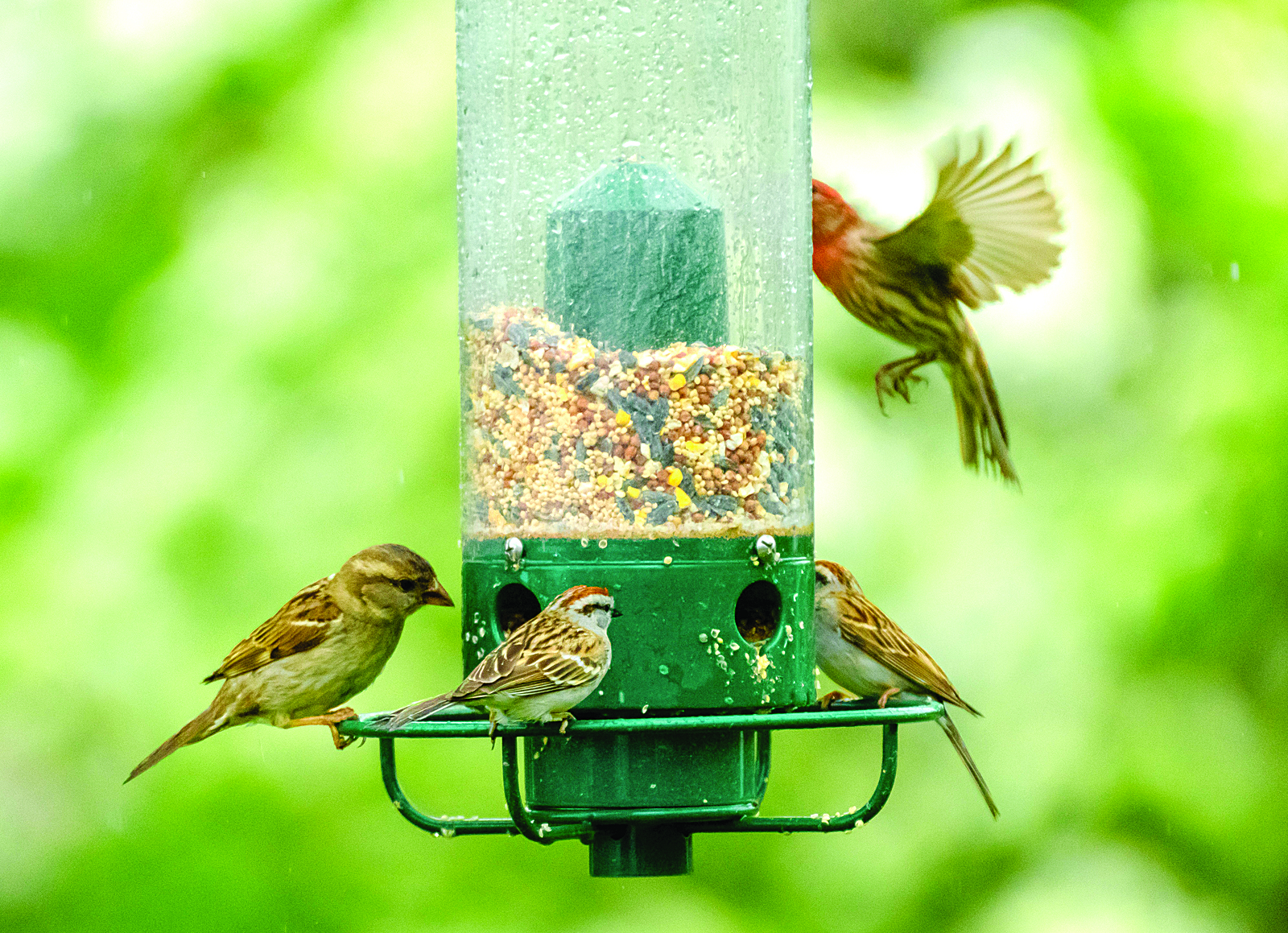
Use a tray or feeder with a catch to collect dropped seeds. Regularly clear uneaten seeds and debris around feeders.
- Place feeders over hard surfaces like gravel or wood chips
- Clean feeding areas often to remove seed waste
- Use feeders with seed trays or guards
- Feed birds in the same spot to concentrate seed drops
Alternatives To Traditional Bird Seed
Bird seed can sometimes cause weeds to grow where seeds fall. Many bird seeds include weed seeds or sprout easily. Finding alternative feed options can help reduce unwanted plants in your garden or yard.
Using different seed mixes or other feeding methods helps keep your outdoor space tidy. It also gives birds safe and healthy food without extra plants popping up.
Seed Mixes With Fewer Weeds
Some seed mixes are made to have fewer weed seeds. These mixes use cleaned seeds or types that do not sprout easily. They lower the chance of weeds growing under your feeders.
Look for seed blends that list clean or sterilized seeds. You can also choose seeds that birds like but rarely grow into weeds.
- Sunflower seeds: large and less likely to spread weeds
- Millet: often cleaned to reduce weed seeds
- Cracked corn: usually free from unwanted seeds
- Nyjer seed: small and less likely to sprout
Other Bird Feeding Options
Besides seed mixes, there are other ways to feed birds without causing weeds. These options offer clean, easy feeding with less mess.
Using feeders with specific food types or feeding natural foods can keep your garden free of unwanted plants.
- Suet cakes: provide energy without seeds that grow
- Dried mealworms: high protein and no sprouting seeds
- Fruit pieces: attract birds and do not cause weeds
- Commercial seed blocks: made to reduce weed seeds
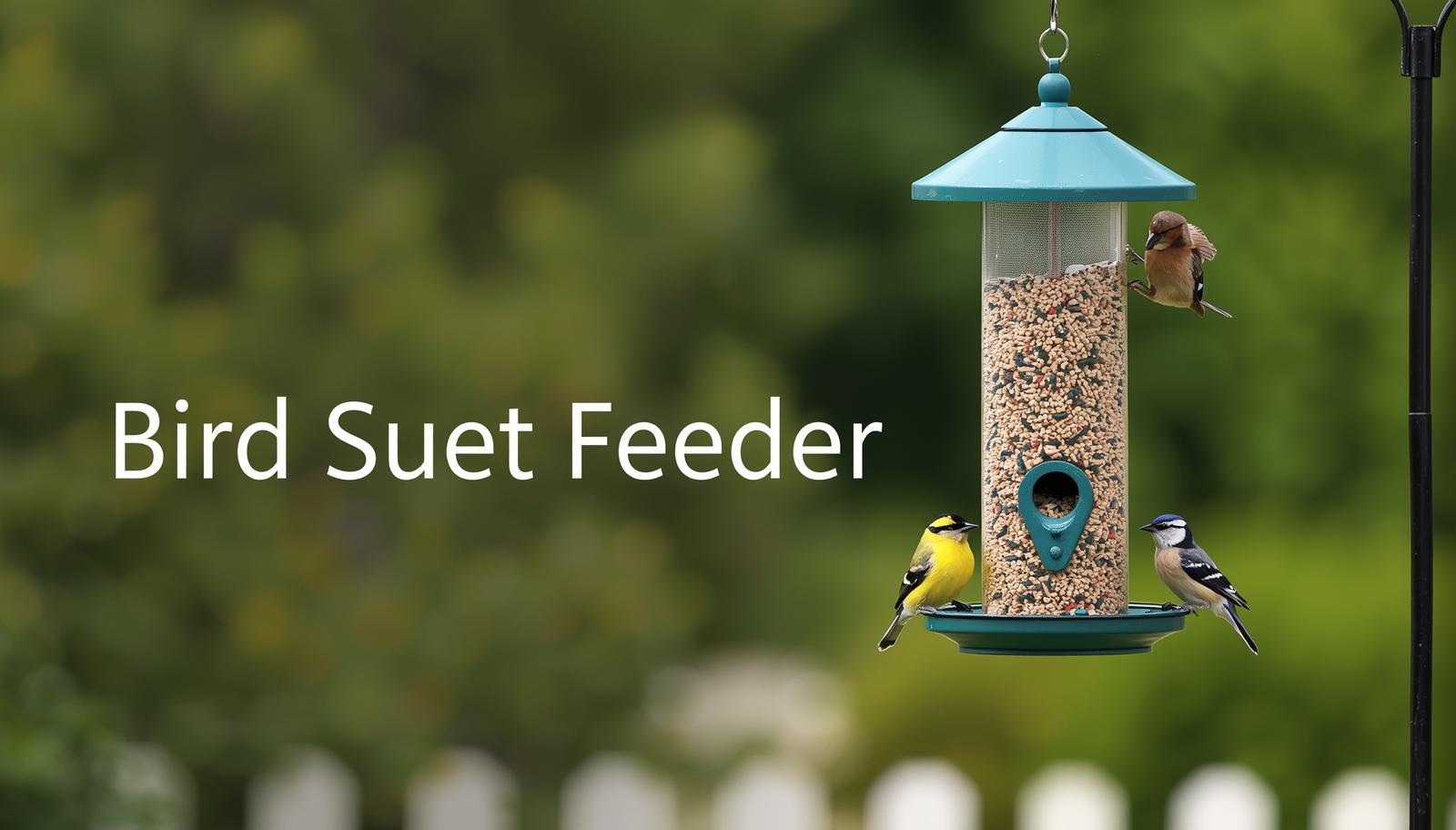
- Hanging feeders: reduce seed drop on the ground
Credit: localgardener.net

Credit: www.yahoo.com
Frequently Asked Questions
Does Bird Seed Promote Weed Growth In Gardens?
Yes, bird seed can unintentionally promote weed growth. Seeds often contain weed seeds or spill on soil. This creates ideal conditions for weeds to sprout around feeding areas.
How To Prevent Weeds From Bird Seed Spills?
Clean up spilled bird seed regularly to prevent weed growth. Use seed trays or feeders with catch pans. This limits seed scattering and reduces weed seed germination near feeding spots.
Are All Bird Seeds Prone To Causing Weeds?
Not all bird seeds cause weeds equally. Some mixes contain more weed seeds than others. Choosing high-quality, weed-free seed blends reduces the risk of unwanted plants growing.
Can Feeding Birds Harm Garden Plants By Weeds?
Feeding birds can indirectly harm garden plants if weeds grow from spilled seeds. Weeds compete for nutrients, light, and water, potentially damaging desired plants’ health and growth.
Conclusion
Bird seed might lead to weeds in your garden. Seeds fall and grow, sprouting unwanted plants. Choosing high-quality bird seed reduces this risk. Look for sterilized seed options. They prevent germination. Clean feeding areas regularly. This helps control seed spread.
Consider seed-catching trays. They minimize seed falling to the ground. Another option? Use bird feeders designed to limit mess. Consistent garden maintenance is key. Remove weeds promptly when spotted. With these strategies, enjoy birds without extra weeds. So, happy bird-watching with a tidy garden!