Have you ever wondered if the bird seed in your backyard feeder can go bad? You want to keep your feathered friends happy and healthy, but using old or spoiled seed might do more harm than good.
Knowing when bird seed loses its freshness can save you money and protect the birds you care about. You’ll discover the signs that bird seed has gone bad, how to store it properly, and why fresh seed matters. Keep reading to make sure your birdseed is always safe and tasty for your outdoor visitors.
How Bird Seed Spoils
Bird seed can go bad over time and lose its quality. It is important to know how bird seed spoils to keep it fresh for your birds.
Seed spoils when it is stored improperly or kept too long. Spoiled seed can harm birds and attract pests.
Signs Of Spoiled Seed
You can tell bird seed has gone bad by looking for some clear signs. These signs help you avoid feeding spoiled seed to birds.
- Foul or sour smell coming from the seed.
- Seed looks moldy or has white, green, or black spots.
- Seed feels damp or clumps together in the container.
- Insects or bugs are inside the seed storage.
- Birds refuse to eat the seed.
Common Causes Of Spoilage
Bird seed spoils due to moisture, heat, and pests. These factors cause the seed to rot or become unhealthy.
| Cause | Effect on Seed | How to Prevent |
| Moisture | Seed becomes moldy and clumps | Store in dry place, use airtight container |
| Heat | Seed loses nutrients and smells bad | Keep seed in cool, shaded area |
| Pests | Seed is eaten or contaminated | Use sealed containers, check for bugs often |
Factors Affecting Seed Freshness
Bird seed can lose freshness over time. Several factors cause seeds to go bad faster.
Understanding these factors helps keep your bird seed fresh longer and safe for birds.
Moisture And Humidity Impact
Moisture is the main enemy of seed freshness. Seeds absorb water from the air when humidity is high.
- Wet seeds can grow mold or fungi.
- High humidity causes seeds to clump and spoil.
- Dry seeds stay fresh and last longer.
Temperature Effects
Temperature changes can reduce seed quality. Heat speeds up seed aging and oil breakdown.
| Temperature Range | Effect on Seed |
| Below 50°F (10°C) | Slows aging, keeps seeds fresh |
| 50°F to 70°F (10°C to 21°C) | Good storage range |
| Above 70°F (21°C) | Speeds spoilage and rancidity |
Exposure To Air And Light
Air and light cause seeds to lose freshness quickly. Oxygen can oxidize seed oils.
Ways exposure harms seeds:
- Air lets moisture in, causing mold.
- Light breaks down seed nutrients.
- Sealed containers keep seeds fresh longer.
Best Storage Practices
Bird seed can go bad if not stored properly. Good storage keeps seed fresh longer.
Follow these tips to keep your bird seed safe from moisture and pests.
Choosing The Right Container
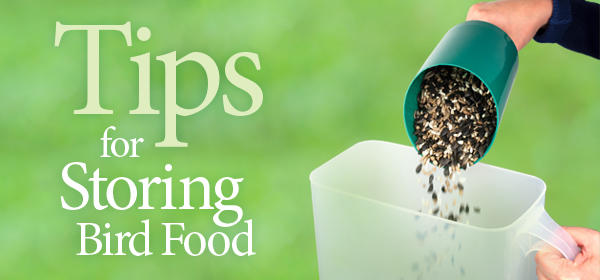
Use containers that block air and moisture. This helps keep seed dry and fresh.
Containers made of plastic, metal, or glass work well for storing bird seed.
- Choose airtight containers with tight lids
- Avoid thin bags that can tear easily
- Use opaque containers to block sunlight
Ideal Storage Locations
Store bird seed in cool, dry places. Heat and humidity cause seed to spoil faster.
Avoid places that get direct sunlight or are near water sources.
- Keep seed away from windows and heaters
- Use a pantry, closet, or garage with low humidity
- Elevate containers off the floor to prevent pests
Sealing And Packaging Tips
Seal bird seed tightly after each use. This helps block air and moisture.
If original bags are not resealable, transfer seed to a container with a lid.
- Use clips or twist ties on bags before storing
- Check containers regularly for holes or cracks
- Label containers with purchase date to track freshness

Credit: www.reddit.com
Extending Seed Shelf Life
Bird seed can go bad if not stored properly. Keeping seed fresh helps birds stay healthy.
Good storage keeps seed dry and free from pests. This extends how long seed stays usable.
Using Desiccants
Desiccants absorb moisture and keep seed dry. Moisture can cause mold and spoil seed fast.
Use small packets of silica gel or clay desiccants inside seed containers. Replace them if wet.
- Place desiccants in sealed seed storage bags or bins
- Keep seed in a cool, dry place to help desiccants work better
- Check and replace desiccants regularly to maintain dryness
Regular Inspection And Rotation
Check stored seed often for signs of mold, pests, or bad smell. Remove bad seed quickly.
Use older seed first and add new seed behind it. This rotation keeps seed fresh for longer.
- Inspect seed every few weeks for damage or moisture
- Keep storage clean to avoid pests
- Practice first-in, first-out (FIFO) to reduce waste
Buying Quality Seed
Choose seed from trusted brands or stores. High-quality seed lasts longer and feeds birds better.
Check the packaging date to buy fresh seed. Avoid seed that looks dusty or smells bad.
- Look for fresh packaging dates
- Avoid seed with dust or mold
- Buy only what you can use within a few months
Feeding Tips For Birds
Feeding birds is a fun way to enjoy nature close to home. Giving birds fresh, safe food helps them stay healthy. This guide shares tips on how to feed birds right.
Good feeding habits prevent problems like mold and keep feeders clean. Adjusting feeding by season also supports birds all year.
Avoiding Moldy Or Clumped Seed
Moldy or clumped seed can harm birds and stop them from eating. Keep seed dry and store it properly to avoid these issues.
- Buy seed in small amounts so it stays fresh.
- Store seed in a cool, dry place with a tight lid.
- Check seed regularly for signs of mold or moisture.
- Discard any seed that looks wet or clumped.
- Use feeders that protect seed from rain and humidity.
Cleaning Feeders Regularly
Clean feeders often to stop disease and keep birds safe. Dirty feeders can spread germs quickly.
| Cleaning Task | How Often | Cleaning Method |
| Remove old seed | Every 2-3 days | Empty feeder and discard seed |
| Wash feeder | Once a week | Use warm water and mild soap |
| Disinfect feeder | Monthly | Soak in 10% bleach solution, rinse well |
| Dry feeder | After cleaning | Air dry completely before refilling |
Seasonal Feeding Adjustments
Birds need different foods and care as seasons change. Adjust your feeding to help birds through cold or hot weather.
- Spring: Offer high-protein seeds for breeding birds.
- Summer: Provide fresh water and fruits for hydration.
- Fall: Give extra seeds for energy before migration.
- Winter: Use high-fat seeds like sunflower and suet to keep birds warm.

Credit: seabrookeleckie.com
Credit: tallahassee.wbu.com
Frequently Asked Questions
Does Bird Seed Expire Over Time?
Yes, bird seed can expire. Over time, oils in seeds go rancid, reducing nutritional value and attracting mold or pests.
How To Tell If Bird Seed Is Bad?
Check for foul smell, mold, clumping, or insect infestation. Fresh seed looks dry, smells neutral, and flows freely.
Can Expired Bird Seed Harm Birds?
Yes, spoiled seed can cause illness or digestive issues in birds. Feeding fresh seed ensures their health and safety.
How To Store Bird Seed Properly?
Keep bird seed in a cool, dry place in an airtight container. Avoid moisture and heat to extend shelf life.
Conclusion
Bird seed can indeed go bad over time. Check for mold or unusual odors. These are signs of spoilage. Keep seeds in a cool, dry place. This helps them stay fresh longer. Use airtight containers to prevent moisture. Birds need fresh seeds for good health.
Spoiled seeds can harm them. Regularly inspect your bird seed supply. Replace old seeds to keep birds happy. A little care goes a long way. Happy birds mean a happier environment. So, ensure your bird seed is always fresh. Your feathered friends will thank you.