Have you ever wondered if the bird seed you buy can actually sprout? You might be curious whether those tiny seeds can grow into plants right in your home or garden.
Understanding if bird seed sprouts is not only interesting but can also help you make smarter choices for feeding your feathered friends or even growing your own greens. Keep reading, and you’ll discover the surprising truth about bird seed and how it behaves when given the right conditions.
This knowledge could change the way you think about those little seeds forever.

Credit: www.reddit.com
Can Bird Seed Sprout
Bird seed often contains a mix of seeds that can sprout under the right conditions. Some seeds in bird seed bags are alive and ready to grow. This means they can germinate and turn into small plants.
Sprouting bird seed is common if the seeds get enough water, warmth, and air. Not all seeds will sprout because some are treated or damaged.
Types Of Bird Seeds That Sprout
Many seeds in bird seed mixes can sprout. Some sprout easily while others do not. Here are some common types:
- Sunflower seeds – these sprout quickly and grow well.
- Millet – small seeds that can sprout if kept moist.
- Safflower – may sprout but less often than sunflower.
- Nyjer (thistle) seeds – usually do not sprout because they are heat treated.
- Cracked corn – can sprout if not cooked or treated.
Conditions Needed For Sprouting
Seeds need certain conditions to sprout. Without these, they will stay dormant and not grow. The main needs are water, warmth, and air.
- Water:Seeds must be moist but not soaked.
- Warmth:Most seeds sprout best at room temperature.
- Air:Seeds need oxygen to grow roots and shoots.
- Light:Some seeds need light, others sprout better in darkness.
Keeping seeds in a damp paper towel or soil can help them sprout. Too much water or cold can stop sprouting.
Why Some Seeds Fail To Germinate
Some bird seeds do not sprout. This can happen for many reasons. Seeds may be old, damaged, or treated to stop growth.
- Heat treatment:Some seeds are heated to prevent sprouting.
- Age:Old seeds lose the ability to germinate.
- Damage:Cracked or broken seeds may not grow.
- Improper conditions:Too dry, too wet, or too cold stops sprouting.
- Seed type:Some seeds naturally do not sprout easily.

Credit: www.reddit.com
Benefits Of Sprouted Bird Seed
Sprouted bird seed is seed that has started to grow. Birds enjoy it because it is fresh and healthy. Feeding sprouted seeds can help keep your birds strong and active.
This type of seed has many benefits. It is easier for birds to eat and attracts different kinds of birds to your feeder.
Nutritional Boost For Birds
Sprouted seeds have more vitamins and nutrients than dry seeds. The sprouting process increases vitamins like A, C, and E. It also raises minerals such as calcium and magnesium.
- More natural enzymes
- Higher protein content
- Better energy supply
- Rich in antioxidants
Improved Digestibility
Sprouted seeds are easier for birds to digest. Sprouting breaks down hard parts of the seed. This helps birds absorb nutrients faster and better.
| Seed Type | Dry Seed Digestibility | Sprouted Seed Digestibility |
| Sunflower | 60% | 85% |
| Millet | 50% | 80% |
| Wheat | 55% | 82% |
Attracting Different Bird Species
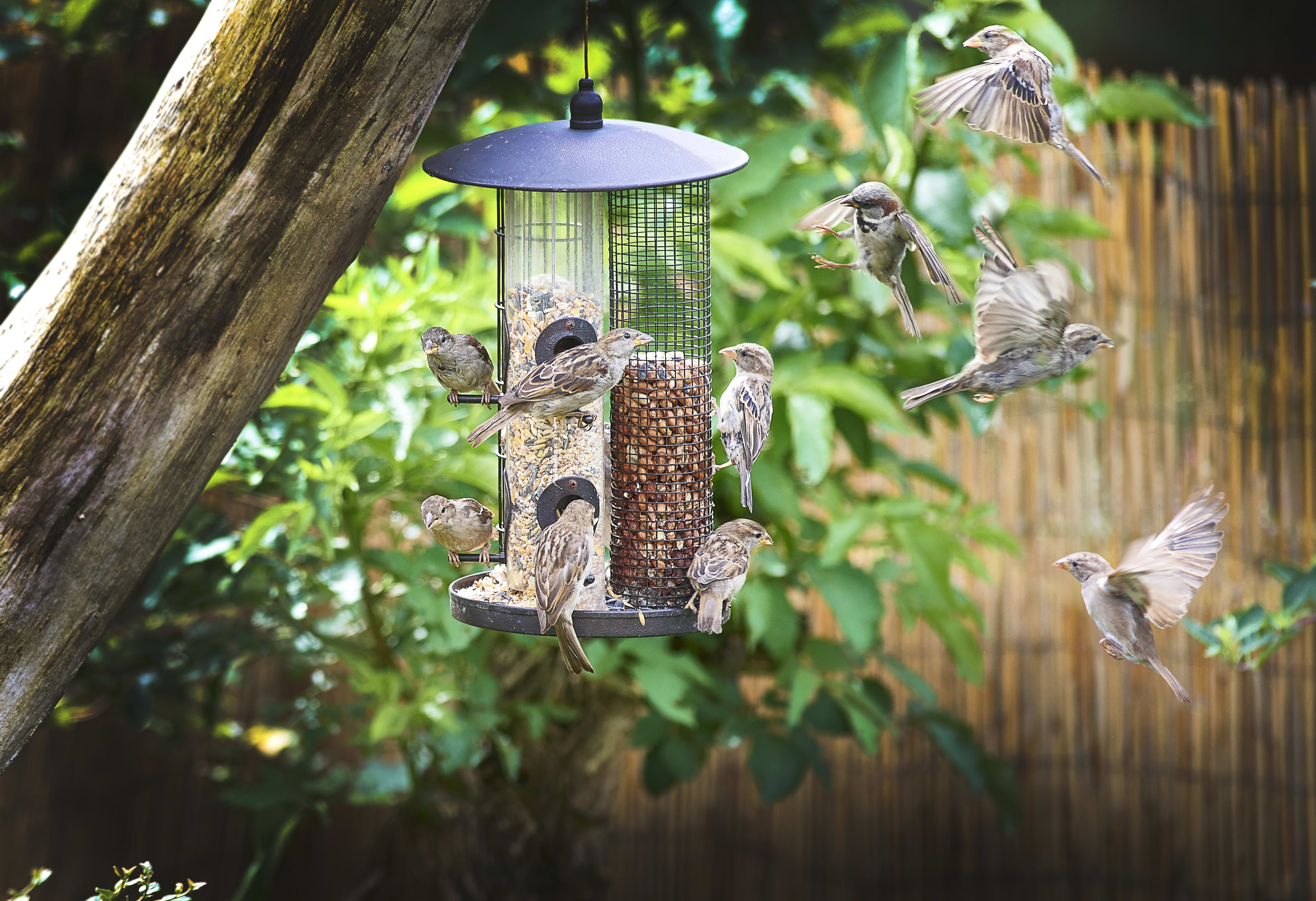
Sprouted seeds attract a wider range of birds. Some birds prefer sprouted seeds over dry ones. This helps you see more bird species in your yard.
Birds attracted to sprouted seeds include:
- Finches
- Sparrows
- Robins
- Woodpeckers
- Doves
How To Sprout Bird Seed At Home
Sprouting bird seed is a simple way to make fresh, healthy snacks for your birds. It also helps improve seed nutrition and digestibility.
You can easily sprout seeds at home with just a few supplies. This guide shows you how to start sprouting bird seed safely.
Selecting The Right Seeds
Not all bird seeds sprout well. Choose seeds that are clean and untreated. Avoid seeds with chemicals or coatings.
Good seeds for sprouting include millet, sunflower, and quinoa. These seeds sprout quickly and safely for birds.
- Millet seeds
- Sunflower seeds (hulled)
- Quinoa
- Canary seed
- Fenugreek
Step-by-step Sprouting Process
Start by rinsing the seeds well to remove dust and debris. Use clean water to avoid bacteria.
Next, soak the seeds in water for 8 to 12 hours. After soaking, drain the water and spread the seeds in a sprouting container.
- Rinse seeds thoroughly
- Soak seeds in water for 8-12 hours
- Drain and rinse seeds after soaking
- Spread seeds in a sprouting tray or jar
- Keep seeds moist but not wet
- Rinse seeds twice daily
- Sprouts appear in 2 to 4 days
Keep the seeds in indirect light and at room temperature. Harvest sprouts when they are about one inch long.
Common Mistakes To Avoid
Do not use seeds that are old or moldy. This can harm your birds and stop sprouting.
Avoid letting seeds stay too wet or dry. Too much moisture causes mold. Too little stops sprouting.
- Using treated or coated seeds
- Failing to rinse seeds regularly
- Leaving seeds in standing water
- Exposing seeds to direct sunlight
- Harvesting sprouts too late
Risks And Precautions
Sprouting bird seed can provide fresh food for birds but also carries some risks. It is important to know how to reduce dangers and keep seeds safe.
Careful handling and storage help prevent problems from mold and bacteria. This guide covers key risks and how to avoid them.
Mold And Bacterial Growth
Mold and bacteria can grow quickly on sprouted seeds. These can harm birds if eaten. High moisture and warm temperatures increase this risk.
- Rinse seeds well before sprouting to remove dirt and spores.
- Keep sprouts in a cool, well-ventilated place.
- Dry sprouts before storing to lower moisture levels.
- Check sprouts daily for any signs of mold or bad smell.
- Throw away any sprouts that look or smell off.
Storage Tips For Sprouted Seeds
Proper storage keeps sprouted seeds fresh and safe for birds. Use clean containers and control temperature and humidity.
| Storage Method | Advice |
| Refrigeration | Store sprouts in the fridge below 40°F (4°C) |
| Containers | Use breathable containers or jars with lids |
| Duration | Use sprouts within 2-3 days for best safety |
| Drying | Remove excess water before storage |
When To Avoid Sprouting
Sometimes sprouting bird seed is not safe. Avoid sprouting if conditions are poor or seeds look bad.
- If seeds are old, dusty, or have strange colors, do not sprout them.
- If you cannot keep seeds cool and dry during sprouting, avoid it.
- Avoid sprouting if you see mold or bad odor early on.
- Do not sprout seeds that are treated with chemicals or pesticides.
- Skip sprouting if you plan to feed birds immediately and safely with dry seed.
Alternatives To Sprouted Bird Seed
Sprouted bird seed is popular for feeding birds. Some bird owners look for other choices. These options can offer good nutrition and variety.
Below are several alternatives you can try to keep your birds healthy and happy.
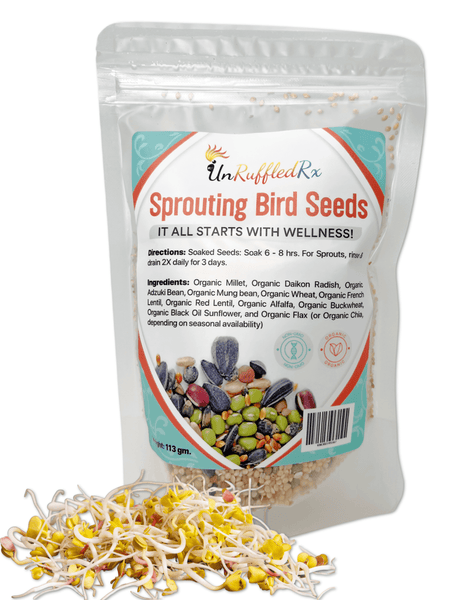
Pre-sprouted Commercial Mixes
Some stores sell seeds already sprouted and ready to feed. These mixes save time and effort. They often include a blend of grains and seeds.
- Easy to use right out of the package
- Balanced nutrition from mixed seeds
- Less chance of mold or spoilage
- Good for birds that prefer sprouted food
Fresh Greens And Supplements
Fresh greens add vitamins and minerals to your bird’s diet. You can also give supplements for extra health benefits.
| Type | Examples | Benefits |
| Fresh Greens | Spinach, kale, dandelion leaves | Rich in vitamins A and K |
| Herbs | Basil, parsley, cilantro | Support digestion and immune health |
| Supplements | Calcium blocks, mineral powders | Strengthen bones and feathers |
Other Feeding Options
You can try feeding birds with nuts, fruits, or specialized pellets. These foods add variety and nutrients to their meals.
- Chopped nuts like almonds or walnuts
- Fresh fruits such as apples and berries
- Pellets made for birds with balanced vitamins
- Occasional treats like mealworms for protein
Credit: dengarden.com
Frequently Asked Questions
Does Bird Seed Sprout Naturally?
Yes, many bird seeds can sprout if kept moist and warm. Sprouting depends on seed type and storage conditions.
How Long Does Bird Seed Take To Sprout?
Most bird seeds sprout within 3 to 7 days when properly soaked and kept in a warm place.
Can Sprouted Bird Seed Be Fed To Birds?
Yes, sprouted seeds are nutritious and easier for birds to digest. Always rinse sprouts before feeding.
Does Sprouting Bird Seed Improve Its Nutritional Value?
Sprouting increases enzymes, vitamins, and digestibility, making seeds more nutritious for birds and pets.
Conclusion
Bird seed can definitely sprout. It depends on the seed type. Some seeds grow quickly, while others take time. Consider your gardening goals when choosing seeds. Sprouting seeds can attract more wildlife. Birds love fresh sprouts. Choose a sunny spot for planting.
Keep soil moist for best results. Sprouts add greenery to your garden. They also help support local ecosystems. Always check seed labels for sprouting information. Enjoy watching your seeds grow into plants. Happy gardening!