
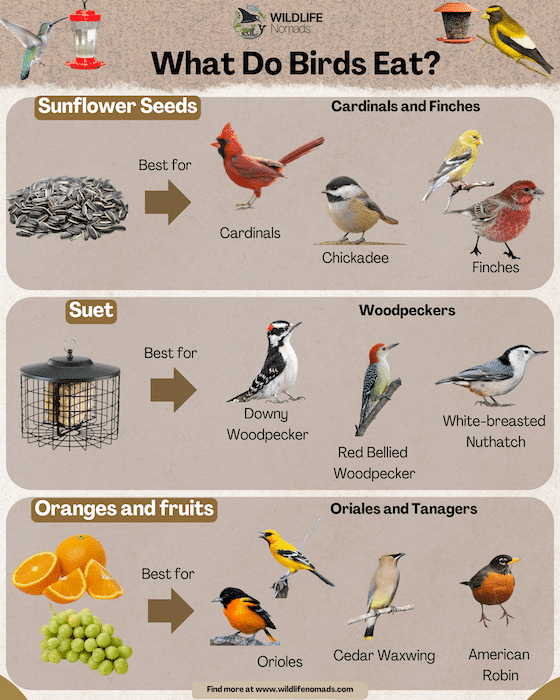
Have you ever wondered why your backyard seems to come alive when you put out fresh fruit? If you want to attract colorful birds and enjoy their cheerful presence, understanding the connection between fruit and birds is key.
This simple trick could transform your outdoor space into a lively bird haven. Keep reading, and you’ll discover how fruit plays a powerful role in drawing birds right to your window.
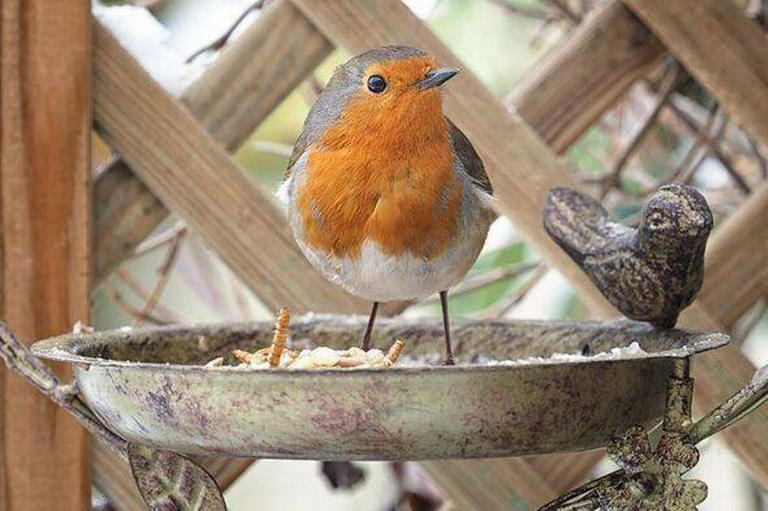
Credit: www.msn.com
Why Birds Love Fruit
Birds are often seen enjoying fruit in gardens and forests. Fruit provides birds with energy and important nutrients. Many bird species depend on fruit as a key part of their diet.
Fruits attract birds because they are tasty and easy to find. The bright colors of fruit also catch birds' attention. This makes fruit a natural food source for many bird types.
Nutritional Benefits For Birds
Fruit offers many nutrients that birds need to stay healthy. It contains natural sugars that give birds quick energy. Fruit also has vitamins and minerals that support their immune system.
- High sugar content for fast energy
- Vitamins like A and C to boost health
- Fiber to aid digestion
- Water content to keep birds hydrated
Popular Fruit Choices
Some fruits are favorites among birds due to their taste and availability. Different bird species prefer different types of fruit depending on their size and beak shape.
- Apples
- Berries (blueberries, raspberries)
- Grapes
- Bananas
- Oranges
Seasonal Fruit Attraction
Birds eat fruit that is ripe and in season. The availability of fruit changes throughout the year. Birds follow these changes to find the best food sources.
| Season | Common Fruits |
| Spring | Strawberries, cherries |
| Summer | Blueberries, peaches |
| Fall | Apples, grapes |
| Winter | Oranges, persimmons |
Best Fruits To Plant For Birds
Birds love fruits, and planting fruit-bearing plants helps feed them. You can attract many bird species by growing the right fruits.
Choose plants that provide food through different seasons. This keeps birds coming to your garden all year long.
Native Fruit-bearing Plants
Native plants grow well in your local area and offer natural food for birds. They support local wildlife better than exotic plants.
Examples of native fruit plants include serviceberry, chokeberry, and elderberry. These plants provide berries that many birds enjoy.
- Serviceberry (Amelanchier spp.) – small sweet berries
- Chokeberry (Aronia spp.) – dark, rich berries
- Elderberry (Sambucus spp.) – clusters of small berries
- Holly (Ilex spp.) – bright red berries in winter
Easy-to-grow Fruit Trees
Fruit trees provide large amounts of food and shade. Many birds like fruit trees because they offer both fruit and shelter.
Apple, pear, and plum trees are simple to grow. Their fruits attract a wide variety of birds during the growing season.
- Apple trees – sweet fruit that many birds eat
- Pear trees – juicy fruits that attract birds
- Plum trees – soft fruits easy for birds to eat
- Mulberry trees – provide many small berries
Berry Bushes That Attract Birds
Berry bushes are small and easy to fit in any garden. Birds love the colorful, tasty berries these bushes produce.
Blueberries, raspberries, and currants are popular choices. These berries ripen at different times, offering food for birds throughout the year.
- Blueberry bushes – sweet berries rich in nutrients
- Raspberry bushes – soft, tasty berries
- Blackberry bushes – large, juicy fruits
- Currant bushes – small berries that attract many birds
How Fruit Influences Bird Behavior
Fruit plays an important role in how birds act. It affects their feeding and nesting choices.
Understanding these effects helps us learn more about bird habits and how to attract them.
Feeding Patterns And Habits
Birds often change their feeding times and habits based on fruit availability. Many species eat fruit as a main food source.
- Some birds feed on fruit early in the morning.
- Others prefer to eat during midday when fruit is easier to spot.
- Fruit-eating birds may switch to seeds or insects if fruit is scarce.
Fruit As A Nesting Indicator
Birds use fruit presence to decide where to build nests. Fruit signals a good food supply nearby.
| Fruit Type | Bird Nesting Preference |
| Berry | High |
| Fig | Medium |
| Apple | Low |
Attracting Different Bird Species
Different fruits attract different birds. Color, size, and taste matter to each species.
Common fruits and bird species attracted:
- Blueberries attract thrushes and waxwings.
- Oranges attract orioles and tanagers.
- Mulberries attract starlings and finches.
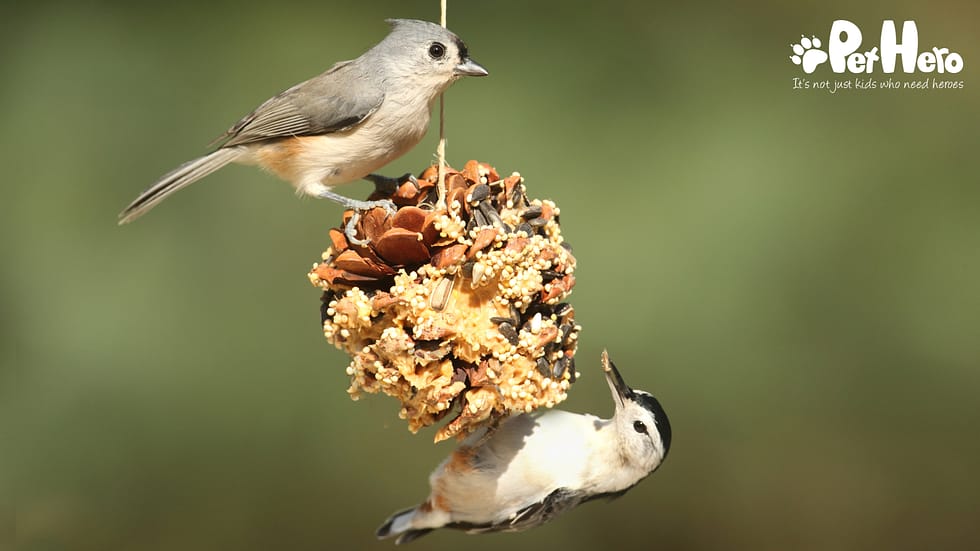
Credit: pethero.co.za
Creating A Bird-friendly Fruit Garden
Fruit gardens can attract many birds if planned well. Birds look for food, shelter, and safety in gardens.
Choosing the right fruits and care helps create a lively place for birds to visit often.
Planting Tips For Maximum Attraction
Select fruit plants that produce berries and seeds birds love. Mix plants that ripen at different times.
- Plant native fruit trees and shrubs for local birds
- Include a mix of tall and low plants for shelter
- Space plants to allow easy bird access
- Choose fruits like elderberries, serviceberries, and mulberries
Combining Fruits With Other Bird-friendly Features
Adding water and shelter near fruit plants invites more birds. Use feeders and nesting boxes nearby.
| Feature | Benefit for Birds |
| Birdbath | Provides fresh water for drinking and bathing |
| Nesting Boxes | Offers safe places to raise young |
| Native Flowers | Attracts insects that birds eat |
| Brush Piles | Gives shelter from predators and weather |
Avoiding Pesticides And Harmful Chemicals
Use natural ways to control pests. Chemicals can harm birds and reduce their food sources.
Try these safe pest control methods:
- Handpick insects from plants
- Use insecticidal soaps made for organic gardens
- Encourage beneficial insects like ladybugs
- Plant herbs that repel pests such as basil and mint
Common Myths About Fruit And Birds
Many people wonder if fruit really attracts birds. Some believe all birds eat fruit. Others worry about pests coming to fruit feeders. It is important to know the truth about fruit and birds.
This article looks at common myths about fruit and birds. We will explore which birds eat fruit, pest concerns, and how fruit affects local wildlife.
Do All Birds Eat Fruit?
Not all birds like fruit. Many birds eat seeds, insects, or small animals. Some birds do enjoy fruit, but it depends on the species.
- Fruit-eating birds include robins, orioles, and tanagers.
- Birds like woodpeckers and sparrows usually do not eat fruit.
- Some birds eat fruit only in certain seasons.
Fruit And Pest Attraction Concerns
People worry that fruit attracts pests like wasps, ants, and rodents. This can happen if fruit is left to rot or spill on the ground.
| Common Pest | Why They Come |
| Wasps | Attracted to sweet, ripe fruit |
| Ants | Look for sugary juice from fruit |
| Rodents | Eat fallen fruit and seeds |
To avoid pests, clean up fallen fruit and change feeders regularly. This helps keep your bird feeding area clean and safe.
Impact On Local Wildlife
Fruit can help local birds by providing food during tough times. It can also support young birds learning to find food.
Here are some ways fruit affects local wildlife:
- Provides energy and nutrients for birds
- Supports bird species that rely on fruit
- Can change bird behavior by attracting certain species
- May affect the balance of local ecosystems if overused
Seasonal Care For Fruit And Birds
Fruit plants and birds depend on each other in nature. Taking care of fruit plants all year helps birds find food.
Understanding how to support fruit plants and birds in every season keeps your garden healthy and lively.
Maintaining Fruit Plants Year-round
Fruit plants need different care in each season. Regular watering and pruning help plants grow strong.
- Water plants deeply during dry months
- Prune dead or weak branches in late winter
- Apply mulch to keep soil moist and cool
- Check plants for pests and diseases regularly
- Use natural fertilizers to improve soil
Providing Supplemental Food In Off-seasons
Birds need food even when fruit is scarce. Offering extra food helps birds stay healthy in winter and early spring.
| Season | Recommended Food for Birds |
| Winter | Sunflower seeds, suet, dried fruit |
| Early Spring | Mealworms, fresh fruit pieces |
| Late Fall | Mixed seeds, berries |
Protecting Fruit From Overfeeding
Too much feeding can harm fruit plants and birds. Protect your fruit with simple steps to keep balance.
Tips to protect fruit from overfeeding:
- Use bird netting to cover fruit clusters
- Harvest ripe fruit regularly to reduce waste
- Place feeding stations away from fruit plants
- Clean fallen fruit to prevent pests

Credit: www.birdwatchingdaily.com
Frequently Asked Questions
Does Fruit Really Attract More Birds To My Garden?
Yes, fruit attracts many bird species by providing natural food. Birds seek sweet, juicy fruits as a high-energy source. Planting fruit-bearing trees or offering fresh fruit encourages more birds to visit and stay in your garden.
Which Fruits Are Best For Attracting Birds?
Berries like blueberries, raspberries, and elderberries attract a variety of birds. Apples, grapes, and oranges are also popular choices. These fruits provide essential nutrients and are easy for birds to eat, making them ideal for bird-friendly gardens.
Can Feeding Fruit To Birds Harm Them?
Feeding fresh, ripe fruit is generally safe for birds. Avoid moldy or spoiled fruit as it can cause illness. Offering a variety of fresh fruits supports birds’ health and attracts diverse species without harming them.
Do All Bird Species Eat Fruit?
Not all birds eat fruit; many prefer seeds or insects. However, species like robins, thrushes, and waxwings enjoy fruit regularly. Understanding local bird diets helps you choose the best fruits to attract specific species.
Conclusion
Fruit attracts birds. A natural, colorful feast. Birds love the sweet taste and juicy textures. Gardens become lively with chirps and flutters. Nature's way of enhancing biodiversity. Planting fruit trees invites vibrant visitors. A win-win for birds and gardens. Watching them is a joy for everyone.
A simple way to connect with nature. Perfect for bird lovers and garden enthusiasts. The cycle of life, right in your backyard. Try it and see the magic unfold.


