Have you ever noticed birds gathering around lights at night and wondered why? If you’re curious about whether light really attracts birds, you’re not alone.
Understanding this can help you protect your feathered friends and even make your backyard a bird-friendly haven. Keep reading to discover the surprising truth about birds and light—and how it might affect your outdoor space.

Credit: www.birdwatchingdaily.com
How Birds See Light
Birds have very good vision that helps them find food and avoid danger. Their eyes can see more colors than humans can.
Light plays a big role in how birds see the world. They can notice changes in light better than people.
Bird Vision And Light Sensitivity
Birds have special cells in their eyes called cones. These cones help them see colors and light well. Birds can see ultraviolet light, which humans cannot see.
- Birds have more types of cones than humans.
- They can detect ultraviolet light.
- Birds see colors more brightly than people.
- They can spot small movements in low light.
Colors That Attract Birds
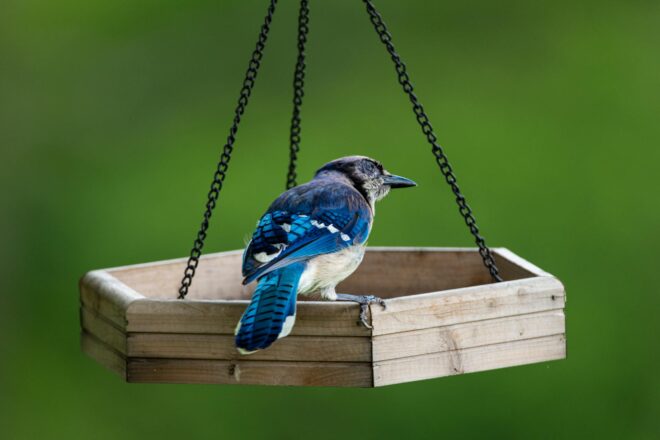
Birds are drawn to certain colors because of how their eyes work. Bright and vivid colors catch their attention easily.
| Color | Reason It Attracts Birds |
| Red | Looks bright and signals food or flowers |
| Yellow | Easy to spot and often found in fruits |
| Blue | Stands out in the sky and water |
| Ultraviolet | Visible only to birds, helps find mates and food |
Credit: www.birdwatchingdaily.com
Types Of Light That Draw Birds
Birds can be attracted to different types of light. Some lights come from nature. Others come from human-made sources.
Understanding these light types helps us see why birds move toward them. This knowledge is useful for bird watchers and city planners.
Natural Light Sources
Natural lights come from the sun, moon, and stars. Birds use these lights to navigate and find food.
The moonlight helps birds fly at night. Starlight provides direction for migration. Sunrise and sunset light signals daily activities.
- Sunlight guides daytime movement and feeding
- Moonlight helps some birds fly safely at night
- Starlight offers cues for long migration trips
Artificial Lights And Their Effects
Artificial lights include street lamps, building lights, and car headlights. These lights can confuse birds and change their behavior.
Bright and flashing lights attract birds, especially at night. This can cause birds to collide with buildings or get lost.
- Street lamps attract birds to urban areas
- Flashing lights can disorient migrating birds
- Bright lights near windows increase bird collisions
Why Birds Are Drawn To Light
Birds often move toward light sources during the night. Light helps them find their way in the dark sky. It also signals places where they can find food or safety.
Understanding why birds are attracted to light can help us protect them better. Light plays an important role in their behavior and survival.
Navigational Uses Of Light
Many birds use natural light from the moon and stars to guide their flight. This helps them travel long distances during migration. Artificial lights can confuse them because they look like natural light sources.
Birds rely on light to keep a steady direction. Bright city lights or towers may attract birds and cause them to fly off course. This is why many birds gather around lighted areas at night.
Light As A Signal For Food Or Safety
Birds see light as a sign of food or safe places. Streetlights attract insects, which are food for many birds. Birds follow the light to find these insects easily.
Lighted areas can also feel safer for birds. Predators may avoid bright places, so birds stay near light to protect themselves. This makes light spots popular resting places at night.
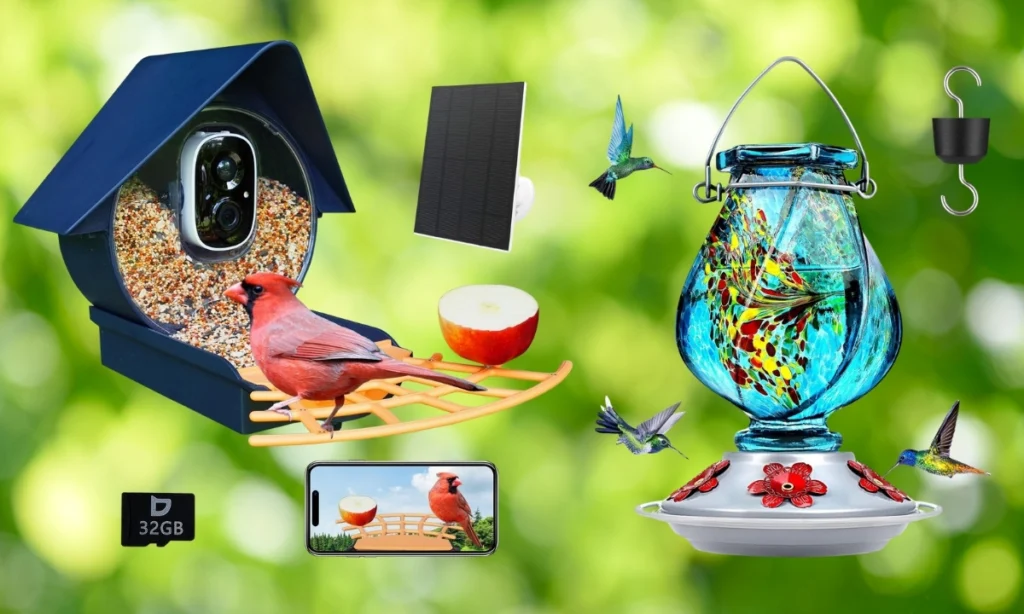
Credit: wildbloo.com
Risks Of Light Attraction For Birds
Artificial light can harm birds in many ways. Birds are drawn to lights at night. This attraction causes serious problems for their health and safety.
Understanding these risks helps us protect birds from dangers caused by bright lights in cities and towns.
Disorientation And Collision
Birds get confused by artificial lights. Bright lights change how birds see the sky. This can make birds lose their way.
- Birds fly toward bright lights, leaving their natural path.
- Disoriented birds often crash into buildings and windows.
- Many birds die each year from collisions caused by lights.
- Lights can trap birds in one area, making it hard to escape dangers.
Impact On Migration Patterns
Light pollution changes bird migration routes. Birds depend on natural light cues like the moon and stars. Artificial lights confuse these signals.
| Effect | Result |
| Altered flight paths | Longer travel distances and more energy use |
| Delayed migration | Birds arrive late to breeding or feeding grounds |
| Increased risk of predators | Birds rest in unsafe, lit areas |
| Lost communication | Birds cannot find their flock easily |
Controlling Light To Protect Birds
Light can attract birds and cause problems during their migration. Bright lights confuse birds and lead them into dangerous areas. Controlling light helps keep birds safe at night.
Using the right lighting techniques can reduce bird collisions and stress. Simple changes to light use can make a big difference for bird protection.
Bird-friendly Lighting Techniques
Choose lights that do not attract birds. Use lights with lower brightness and warm colors. Avoid blue and white lights as they attract more birds.
- Use shielded fixtures to direct light downward
- Choose amber or red LED lights
- Turn off unnecessary lights at night
- Install motion sensors to limit light use
Timing And Intensity Adjustments
Limit light use during bird migration seasons. Reduce light intensity at night to lower bird attraction. Turn lights off or dim them during peak migration hours.
- Dim lights after midnight when fewer people need them
- Use timers to control light schedules
- Adjust light levels based on weather and migration patterns
Light And Bird Behavior In Urban Areas
Birds in cities face many changes, including bright artificial lights. These lights affect how birds behave at night and during the day.
Understanding how light impacts birds helps us create better urban spaces for them. We will look at how birds adapt and what challenges they face.
Birds Adapting To City Lights
Many birds change their habits because of city lights. Some birds stay active later than usual. Others use lights to find food or avoid danger.
- Some birds sing earlier in the morning due to street lights.
- Nocturnal birds may become confused or fly into buildings.
- Light can help birds find insects attracted to lamps.
- Some species avoid brightly lit areas to stay safe.
Challenges And Solutions
Bright lights cause problems like disorientation and sleep loss for birds. These issues affect their health and survival.
| Challenge | Effect on Birds | Possible Solution |
| Light Pollution | Confuses birds during migration | Use shielded lights to reduce glare |
| Sleep Disruption | Leads to stress and poor health | Turn off lights during late night hours |
| Collision Risk | Birds crash into lit buildings | Install bird-safe glass and reduce brightness |
Frequently Asked Questions
Why Do Birds Get Attracted To Light Sources?
Birds are attracted to light because it can confuse their navigation systems. Artificial lights mimic natural cues used for migration and orientation. This often causes birds to flock near illuminated areas, especially during nighttime.
Does Artificial Light Affect Bird Migration Patterns?
Yes, artificial light can disrupt bird migration by causing disorientation. Bright city lights may lead birds off their natural routes, increasing collision risks and energy loss. This interference can impact their survival and breeding success.
Which Types Of Light Attract More Birds?
Birds are more attracted to bright, white, and blue lights. These colors closely resemble moonlight, which they use for navigation. Red or amber lights tend to attract fewer birds and are considered safer alternatives.
Can Light Pollution Harm Bird Populations?
Light pollution can harm birds by disturbing their sleep and feeding habits. It increases the risk of collisions with buildings and exhausts their energy. Over time, this can lead to population declines in affected species.
Conclusion
Light can attract birds, especially during migration. Artificial lights confuse them. They may fly towards bright lights and collide with structures. This poses a risk to bird safety. Reducing unnecessary lighting can help. Protecting birds benefits ecosystems and biodiversity. Simple actions make a difference.
You can help by dimming outdoor lights. Encourage others to do the same. Creating bird-friendly environments is essential. Together, we can ensure safer skies for birds. Small changes lead to big impacts. Let’s work towards a brighter future for all.