

Have you ever wondered if playing music can actually attract birds to your garden? Imagine stepping outside to the sound of chirping birds, not just because it’s morning, but because your music invited them over.
If you’re curious about how sounds influence bird behavior and whether your favorite tunes could become a magnet for feathered visitors, you’re in the right place. Keep reading to discover surprising facts that might change the way you think about music and nature.
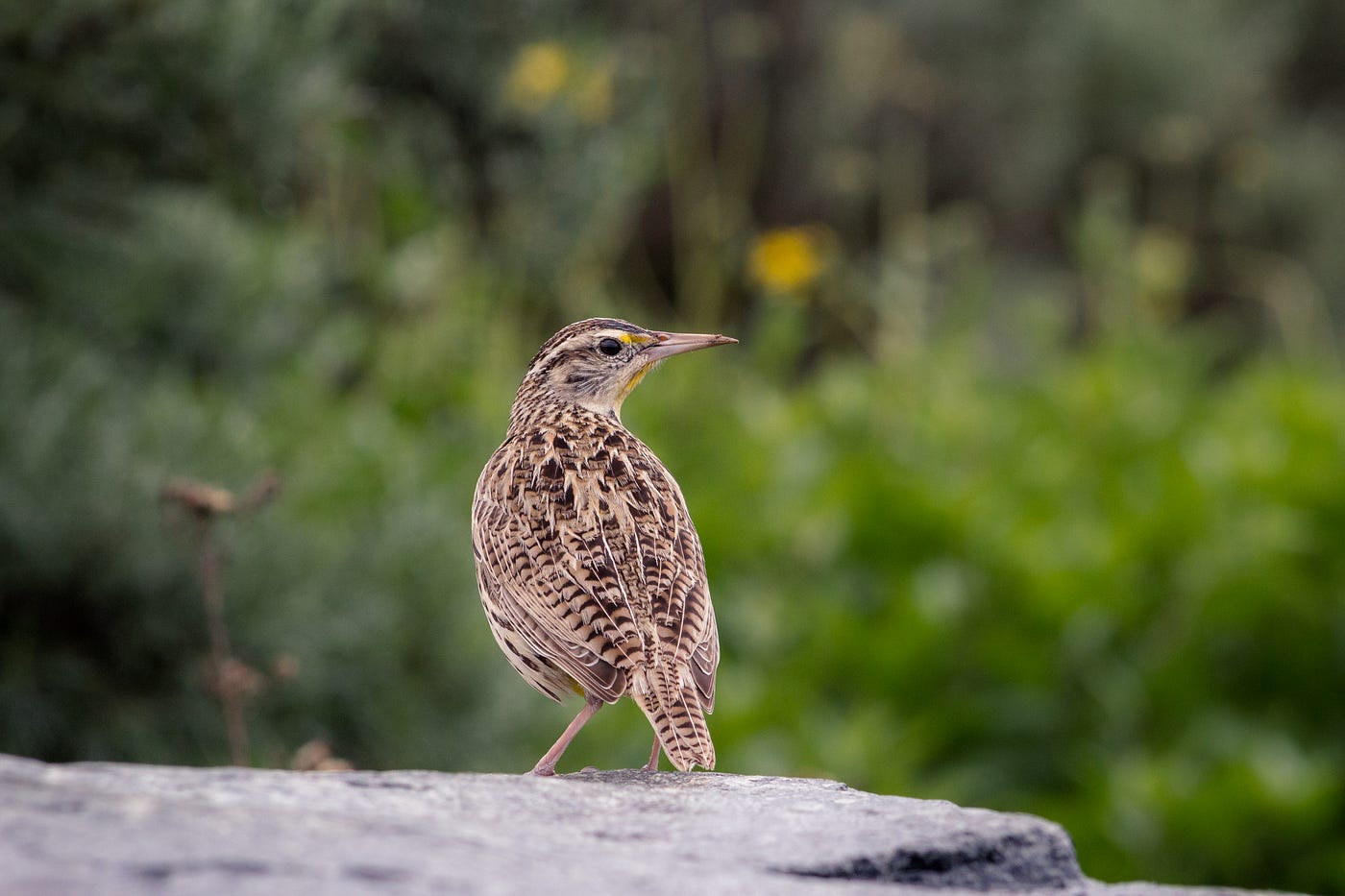
Credit: medium.com
Birds And Sound Sensitivity
Birds use sound to find food, avoid danger, and communicate. Their hearing is very sharp compared to humans. Sound plays a key role in their daily lives.
Understanding how birds hear sounds helps us know if music attracts them. Different sounds can cause different reactions in birds.
How Birds Perceive Sound
Birds have ears that catch sounds in ways unlike humans. They can hear higher and lower tones. Their hearing helps them detect predators and find mates.
- Birds hear sounds from 1,000 to 4,000 Hz clearly.
- Some birds detect sounds as low as 50 Hz.
- They use sound to recognize their own species.
- Sound helps birds navigate during flight.
Common Bird Responses To Noise
Birds react to sounds with different behaviors. Some sounds attract them, but loud or strange noises can scare them away.
| Type of Sound | Common Bird Reaction |
| Soft singing or calls | Attraction and communication |
| Loud noises or sudden sounds | Flight or hiding |
| Repeated rhythmic sounds | Curiosity or approach |
| Harsh or high-pitched sounds | Avoidance or alarm |
Effects Of Music On Birds
Music can affect birds in different ways. Some birds may be attracted to sounds. Others might avoid them.
Understanding how birds react to music helps us learn about their behavior. It also shows how sound influences nature.
Attraction Or Avoidance?
Birds react to music based on the type and volume. Some birds get curious and come closer. Others may fly away to avoid noise.
Soft and natural sounds tend to attract birds. Loud or harsh sounds usually cause birds to leave the area.
- Calm music can make birds stay nearby
- Loud music may scare birds away
- Birds use music to find food or mates
- Some birds ignore music if it is strange to them
Impact Of Different Music Genres
Different music styles affect birds in unique ways. Classical music often soothes birds and keeps them close. Fast or heavy music can stress birds.
Birds may respond better to tunes that sound like their natural calls. Electronic or rock music may confuse or scare them.
- Classical: attracts and calms many birds
- Jazz: can be interesting but varies by bird
- Rock or heavy metal: often causes avoidance
- Nature sounds or bird songs: attract birds most
Scientific Studies On Birds And Music
Many scientists have studied how birds react to music. They want to know if music can attract birds or change their behavior. These studies explore different types of sounds and music genres.
Researchers observe birds' responses to music in natural and controlled settings. They check if birds are curious, calm, or stressed by music.
Key Research Findings
Some studies found that birds react more to sounds similar to their songs. Music with simple melodies can attract certain birds. Complex or loud music may scare birds away.
Birds showed different reactions to classical, rock, and natural sounds. Classical music sometimes helped birds stay calm. Natural sounds like water or forest noises attracted more birds than human music.
- Birds prefer melodies close to their own songs
- Simple, soft music attracts more birds
- Natural sounds are more effective than human music
- Loud or complex music may cause stress
Limitations Of Current Studies
Many studies used small groups of birds, which limits results. Birds' reactions can vary by species, time of day, and environment. This makes it hard to generalize findings.
Experiments often happen in labs or limited outdoor areas. These settings do not fully show how birds react in the wild. More long-term studies are needed to understand true effects.
- Small sample sizes limit accuracy
- Different bird species react differently
- Lab conditions may not reflect nature
- Short study times miss long-term effects

Credit: www.youtube.com
Using Music To Observe Birds
Music can catch birds' attention and bring them closer. Some birdwatchers use music to help see more birds.
Playing bird songs or soft music might make birds curious. This can help birdwatchers watch them better.
Best Practices For Birdwatchers
Use music quietly to avoid scaring birds. Keep the volume low and short when playing sounds.
Play songs that match the local birds. This helps attract birds without confusing them.
- Choose natural bird calls or soft tunes
- Limit playing time to a few minutes
- Stay still and watch quietly
- Use music only when necessary
Ethical Considerations
Music can stress birds if used too much. Avoid playing music near nests or during breeding season.
Respect birds' space and do not chase them. Always stop music if birds show signs of distress.
- Do not use loud or unnatural sounds
- Avoid long or repeated music sessions
- Watch for bird behavior changes
- Protect birds' natural habitat
Surprising Bird Behavior Related To Music
Birds react to music in many interesting ways. Some species seem to enjoy melodies. Others use sounds in unique ways to communicate.
Researchers study how birds respond to different types of music. Their findings reveal surprising behaviors that connect birds and sound.
Mimicking Human Sounds
Certain birds can copy human noises and music. This ability shows their skill in learning sounds from their surroundings. Parrots are famous for this behavior.
- Some birds copy tunes they hear often.
- They mix these sounds with natural calls.
- Birds may use music to attract mates.
- Mimicking helps birds bond with humans.
Music And Bird Communication
Birds use music-like sounds to send messages. Songs can warn of danger or mark territory. Some birds change their tunes based on music they hear.
| Bird Species | Music Influence | Purpose |
| Nightingale | Complex melodies | Attract mates |
| Mockingbird | Copies many sounds | Defend territory |
| Lyrebird | Mimics human sounds | Show strength |
| Canary | Adapts to music | Improve song quality |
Tips For Attracting Birds Naturally
Birds can add life and color to your garden or yard. Attracting them naturally means creating a safe and welcoming space. Music may catch their attention, but natural methods work best.
By improving habitat and providing food and water, you can see more birds visit. These tips are easy to follow and help birds thrive near you.
Habitat Enhancement
Birds need places to rest, hide, and build nests. Plant native trees and shrubs to give them shelter. Avoid cutting all plants so birds feel safe.
Add layers in your garden with tall trees, medium bushes, and low plants. This variety helps many bird species find the right spot.
- Use native plants for food and shelter
- Leave some dead trees or branches for nesting
- Keep areas quiet and free from predators
- Provide natural ground cover like leaves or mulch
Food And Water Sources
Birds visit places where they find food and water easily. Use bird feeders with seeds like sunflower, millet, or nyjer. Clean feeders often to keep birds healthy.
Fresh water is important for drinking and bathing. Use shallow birdbaths and change water daily. Adding stones helps birds land safely.
- Offer a variety of seeds for different birds
- Keep feeders away from windows to prevent collisions
- Place water sources in safe, open spots
- Use drip or fountain features to attract birds with sound

Credit: medium.com
Frequently Asked Questions
Does Music Really Attract Birds To Your Garden?
Yes, certain types of music can attract birds. Soft, natural sounds mimic bird calls. This can encourage birds to visit your garden more often.
What Kind Of Music Do Birds Prefer?
Birds generally prefer gentle, melodic tunes. Classical or nature-inspired music works best. Loud or harsh sounds may scare them away.
Can Music Affect Bird Behavior Or Feeding?
Music can influence bird behavior positively. It may calm birds and encourage feeding. However, too much noise might stress or disturb them.
Is Playing Music Safe For Wild Birds?
Playing music at low volume is safe. Avoid loud or continuous sounds that can stress birds. Respect their natural environment for best results.
Conclusion
Birds and music share a fascinating connection. Some birds respond to tunes with curiosity. They may approach or sing along. Others might ignore or flee. The type of music matters. Gentle melodies often attract more attention. Loud, harsh sounds can scare them away.
Nature's orchestra is vast and varied. Birds bring their own rhythm to this symphony. So, play music softly in your garden. Observe how birds react. You might discover delightful surprises. A simple experiment, yet enlightening. Music can indeed be a bridge to nature.
Enjoy the harmony it creates.


