
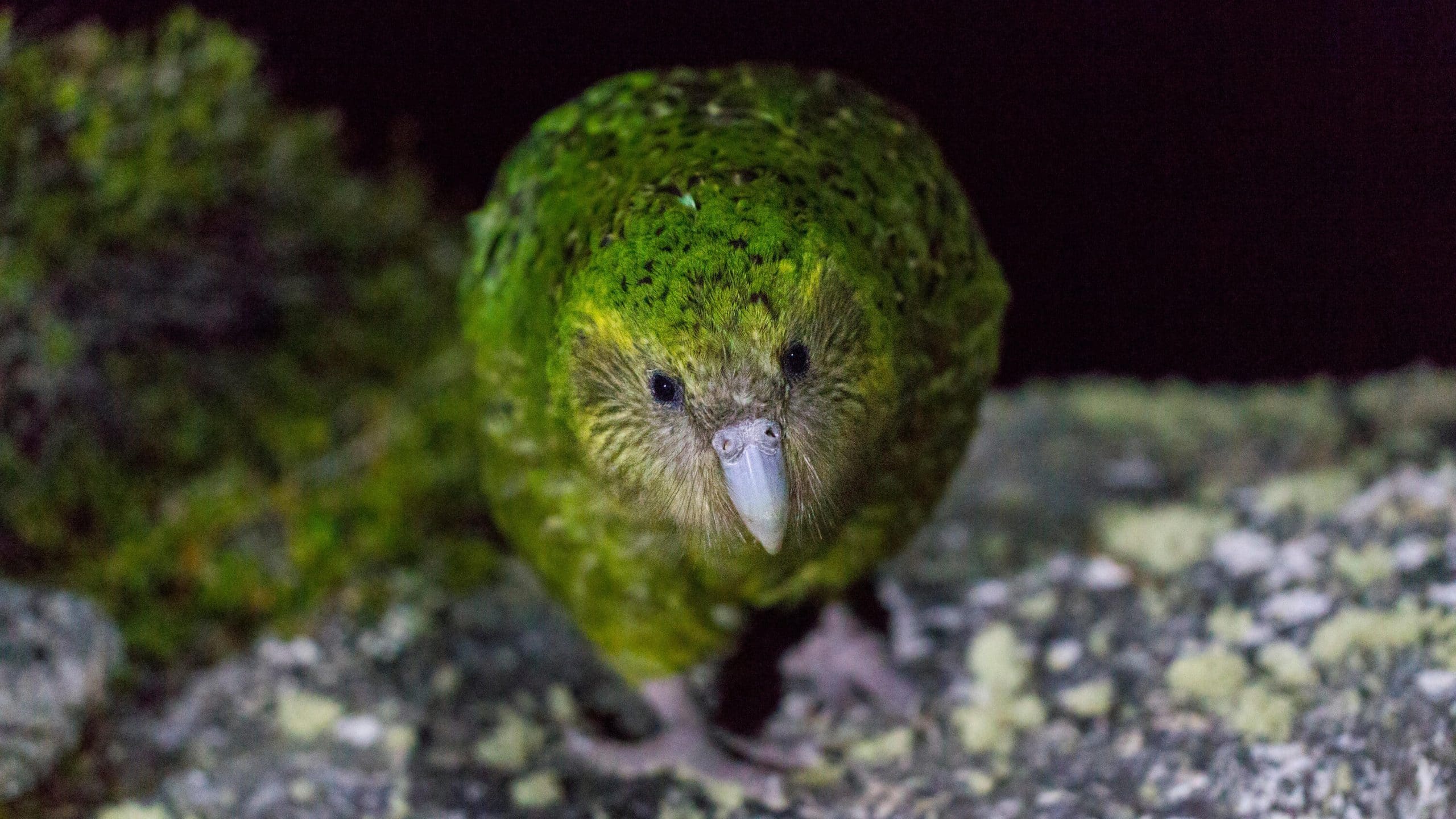
Have you noticed your bird acting differently lately? Maybe it’s losing weight, scratching more than usual, or just not looking as lively as before.
These could be signs that your feathered friend has worms. It’s a common problem, but one that often goes unnoticed until it becomes serious. If you want to keep your bird healthy and happy, you need to know what to look for and how to handle it.
Keep reading to find out how to spot the signs of worms in your bird and what steps you can take right away. Your bird’s health depends on it.
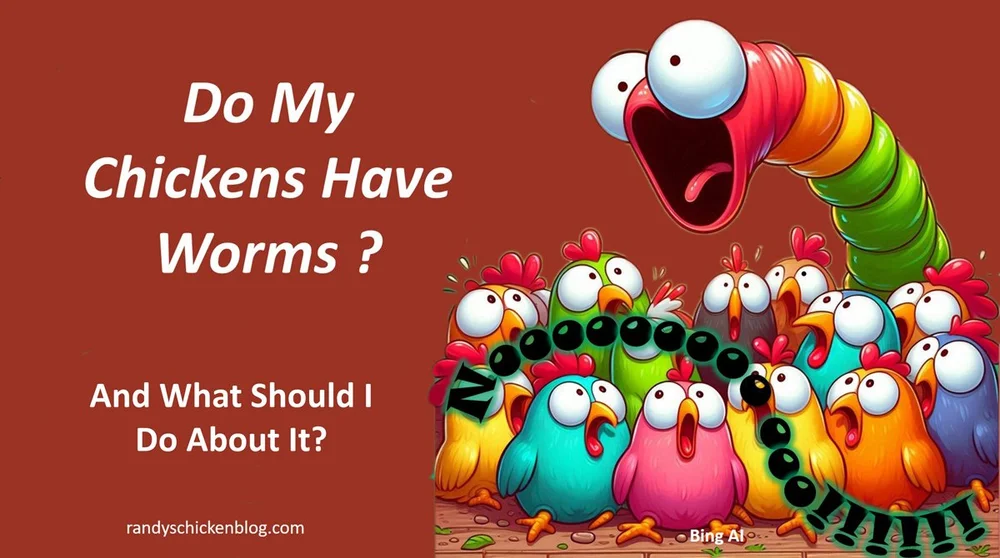
Credit: www.randyschickenblog.com
Signs Of Worms In Birds
Worms can cause health problems for birds. It is important to know the signs of worms early.
Bird owners should watch for changes in behavior, physical signs, and droppings. These clues help identify worm infections.
Behavioral Changes
Birds with worms often act differently. They may become weak or less active than usual.
Some birds may lose interest in food or hide more. They could also show signs of discomfort or restlessness.
- Less energy or tiredness
- Loss of appetite
- Hiding or avoiding interaction
- Restlessness or unusual movements
Physical Symptoms
Worms can cause physical problems in birds. Look for a swollen belly or weight loss.
Birds might also have difficulty breathing or show signs of weakness in their legs.
- Swollen or bloated abdomen
- Noticeable weight loss
- Difficulty breathing or coughing
- Weakness in legs or wings
Droppings And Feather Condition
Check your bird’s droppings for changes. Worms may cause diarrhea or unusual colors in droppings.
Feathers can also look dull or ruffled. Birds with worms may not groom well and appear messy.
- Diarrhea or loose droppings
- Change in color or smell of droppings
- Dull or ruffled feathers
- Poor grooming habits
Common Causes Of Bird Worms
Birds can get worms from many sources. These parasites affect their health and comfort.
Understanding the causes helps keep your bird safe and healthy. Let’s explore the main reasons birds get worms.
Parasite Transmission
Birds catch worms through contact with infected birds or contaminated surfaces. Worm eggs or larvae spread easily.
- Direct contact with sick birds
- Eating infected insects or food
- Contact with contaminated water or soil
- Exposure to bird droppings
Environmental Factors
Where birds live affects worm risk. Warm, moist places help parasites grow and spread.
| Environment | Risk Level |
| Dirty cages | High |
| Outdoor aviaries | Medium |
| Clean indoor cages | Low |
| Wet bedding | High |
Diet And Hygiene
Poor diet and hygiene make birds weaker and more prone to worms. Clean food and water reduce infection chances.
- Feed fresh, high-quality food
- Clean food and water dishes daily
- Remove uneaten food promptly
- Keep cage and bedding clean
- Regularly check for signs of illness
Types Of Worms Affecting Birds
Birds can carry different types of worms that cause health problems. Knowing these worms helps in spotting signs early. This guide covers three common worms affecting birds.
Each worm type has unique features and effects on birds. Learning about them helps bird owners keep their pets safe and healthy.
Roundworms
Roundworms are long and thin parasites living in a bird’s intestines. They can cause weight loss and poor feather condition. Birds may vomit or have diarrhea when infected.
- Common in young birds
- Spread through contaminated food or soil
- Can block the intestines if many worms are present
- Treated with special deworming medicine
Tapeworms
Tapeworms are flat and segmented worms found in the bird’s digestive tract. They absorb nutrients, causing the bird to lose weight. Birds may show weakness and poor growth.
| Feature | Detail |
| Shape | Flat and segmented |
| Location | Intestines |
| Spread | Eating infected insects or meat |
| Symptoms | Weight loss, weakness |
| Treatment | Anti-worm drugs from vet |
Gapeworms
Gapeworms live in the bird’s windpipe. They cause difficulty breathing and a gaping mouth. Birds may cough or make wheezing sounds.
Signs of gapeworm infection include:
- Open mouth breathing
- Neck stretching
- Heavy breathing sounds
- Loss of appetite
Quick Treatment Tips
Birds can get worms that cause health problems. Spotting worms early helps your bird get better fast. Treating worms quickly keeps your bird healthy and happy.
Use simple steps to help your bird. Learn about home remedies, medicine from vets, and ways to stop worms from coming back.
Home Remedies
Some natural remedies may help reduce worms in birds. These can support your bird’s health but do not replace vet care. Use them carefully and watch your bird closely.
Garlic and pumpkin seeds are known for fighting worms. Add small amounts to your bird’s food. Keep the cage clean to stop worm eggs from spreading.
- Mix crushed garlic in bird food once a week
- Give a few pumpkin seeds as a treat
- Clean water daily to avoid infections
- Remove old food and droppings regularly
Veterinary Medications
Veterinarians can give safe medicine to kill bird worms. These drugs work fast and are strong. Follow the vet’s instructions carefully to avoid harm.
Common worm medicines include antiparasitic tablets or liquids. Your vet may also do tests to find the worm type. This helps pick the best medicine for your bird.
- Use only vet-prescribed medicine
- Complete the full medicine course
- Watch for side effects like vomiting or changes in behavior
- Return to the vet if symptoms continue
Preventive Measures
Stopping worms before they start is the best way to protect your bird. Clean cages and fresh food help keep worms away. Healthy birds resist infections better.
Use regular check-ups with the vet to catch worms early. Avoid overcrowding birds and keep new birds separate until checked. Good hygiene helps all birds stay safe.
- Clean cage and food dishes every day
- Give fresh water and food daily
- Keep new birds separate for two weeks
- Visit the vet for regular health checks
- Control pests that spread worms
When To See A Vet
If you suspect your bird has worms, it is important to know when to visit a vet. Early detection helps avoid serious health problems.
Birds can hide symptoms well. Watch closely and act if you see signs of illness or strange behavior.
Severe Symptoms
Some symptoms need immediate veterinary care. These signs show your bird may be very sick.
- Severe weight loss
- Difficulty breathing
- Continuous vomiting or diarrhea
- Weakness or inability to perch
- Swollen abdomen
Persistent Issues
If your bird shows mild signs but they last more than a week, see a vet. Persistent problems can worsen without treatment.
| Symptom | What to Watch For |
| Changes in droppings | Ongoing diarrhea or unusual color |
| Loss of appetite | Eating less for several days |
| Feather problems | Ruffled, dull, or missing feathers |
| Lethargy | Less active than normal |
Follow-up Care
After treatment, follow-up visits keep your bird healthy. The vet will check if worms are gone and if your bird is recovering well.
- Bring your bird for check-ups as advised
- Monitor behavior and appetite daily
- Keep the bird’s cage clean to prevent re-infection
- Report any return of symptoms immediately
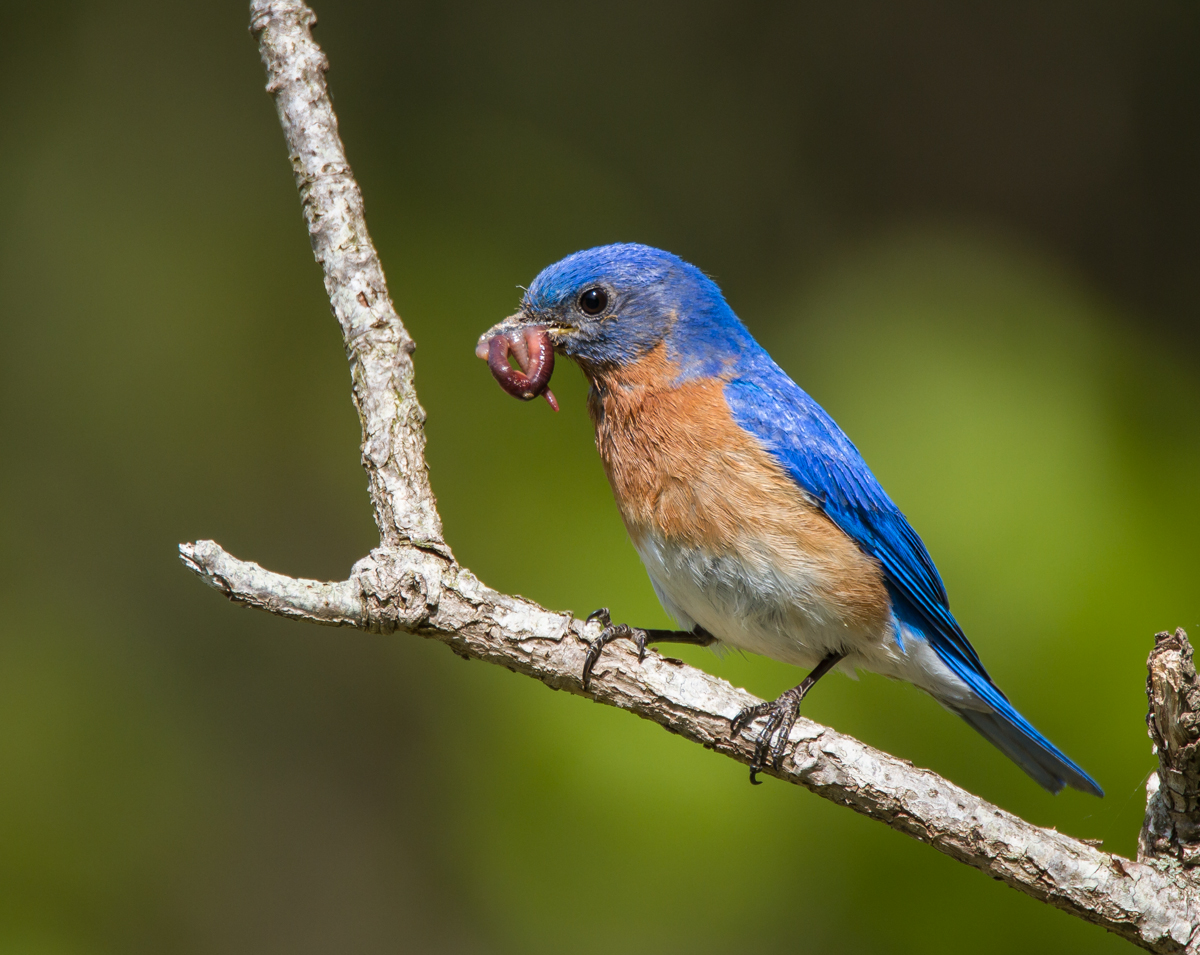
Credit: roadsendnaturalist.com
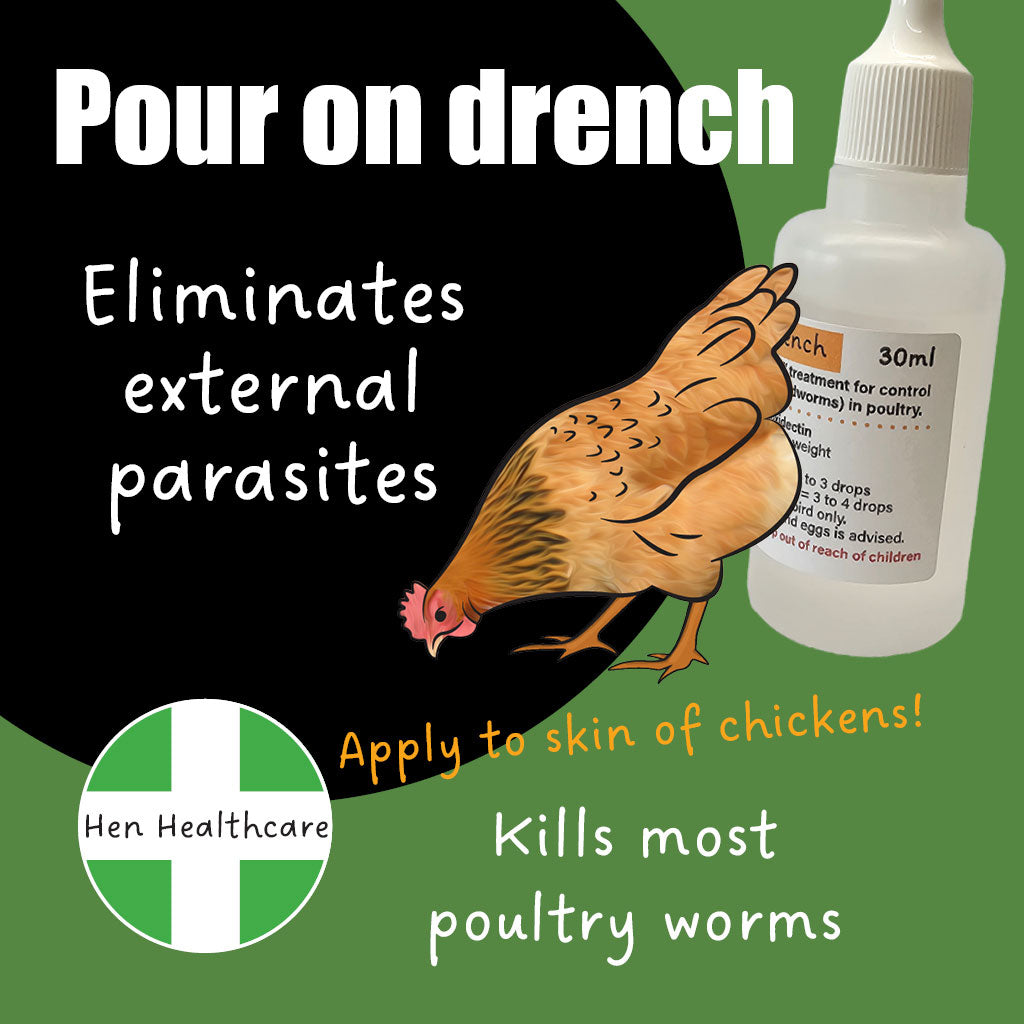
Credit: chooks.co.nz
Frequently Asked Questions
What Are Common Signs My Bird Has Worms?
Common signs include weight loss, diarrhea, vomiting, and a dull coat. Birds may also show lethargy and reduced appetite. Regular vet checkups help detect worms early. Observing changes in behavior or droppings is crucial for early treatment.
How Do Birds Get Worm Infections?
Birds contract worms by ingesting contaminated food, water, or soil. Contact with infected birds or unsanitary cages also spreads worms. Outdoor birds have higher risks. Preventing exposure to contaminated environments reduces worm infections.
Can Worm Infestations Harm My Bird’s Health?
Yes, worms can cause serious health issues like nutrient loss, anemia, and organ damage. Severe infestations may lead to death if untreated. Early detection and treatment are essential to protect your bird’s health.
How Can I Prevent Worms In My Pet Bird?
Maintain a clean cage and fresh food daily. Avoid overcrowding and provide clean water. Regular veterinary checkups and deworming treatments prevent infestations. Quarantine new birds before introduction to others.
Conclusion
Recognizing signs of worms in birds is crucial. Early detection helps. Look for symptoms like weight loss or dull feathers. Consult a vet if you notice anything unusual. Regular check-ups and a balanced diet keep your bird healthy. Worm prevention methods protect your pet.
This ensures a happy life for your feathered friend. Keep your bird’s environment clean. This reduces the risk of infections. Remember, caring for your bird involves vigilance and love. Your bird depends on you for a healthy life. Stay informed.
Keep them safe and thriving.



