Are you looking to bring more birds to your backyard? If so, you might have heard about suet and wondered, does suet attract birds?
Suet is a popular choice among bird lovers, but understanding why and how it works can make all the difference in creating a lively, feathered visitors’ haven. You’ll discover what suet is, which birds it attracts, and how to use it effectively to turn your outdoor space into a bird magnet.
Keep reading to unlock the secrets that will help you enjoy more colorful and active birdlife right outside your window.
Why Birds Love Suet
Suet is a favorite food for many birds. It provides energy and warmth, especially in cold weather. Birds find suet easy to eat and very tasty.
Suet is made from animal fat. It holds seeds and nuts that birds enjoy. This combination attracts birds to suet feeders in backyards.
Nutritional Benefits For Birds
Suet is rich in fat, which gives birds a lot of energy. Fat helps birds stay warm during cold days. It also helps them fly longer distances.
Suet often contains seeds, nuts, and fruits. These add vitamins and minerals to a bird’s diet. This mix supports healthy feathers and strong bones.
- High energy from fat
- Vitamins from seeds and fruits
- Proteins for muscle strength
- Easy to digest in winter
Types Of Birds Attracted To Suet
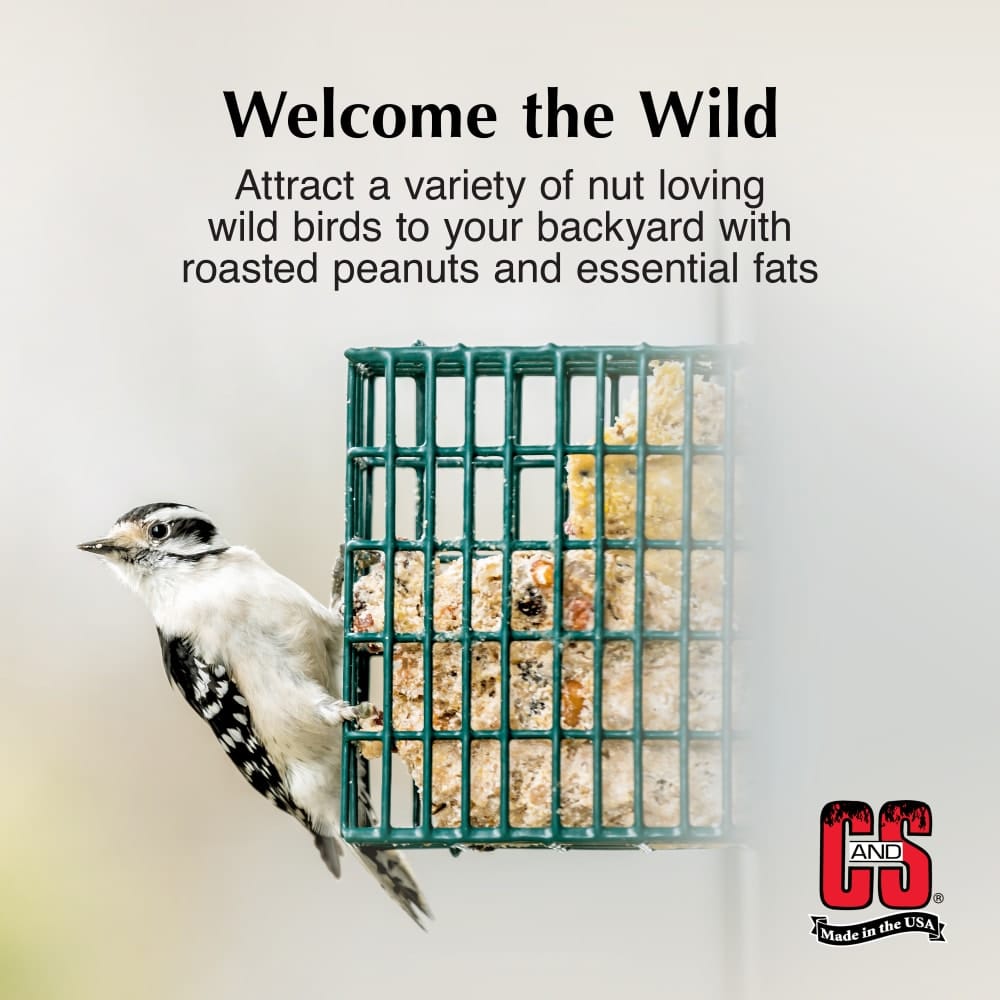
Many bird species visit suet feeders. Woodpeckers love suet because it is soft and full of fat. Nuthatches and chickadees also come to eat suet.
Some birds prefer suet in winter. Jays, wrens, and titmice often feed on it. Suet attracts a variety of birds that need extra energy.
- Woodpeckers
- Nuthatches
- Chickadees
- Jays
- Wrens
- Titmice
Choosing The Right Suet
Suet is a popular food for many wild birds. It provides energy, especially in cold weather.
Choosing the right suet helps attract more birds to your feeder. Different types suit different bird species.
Homemade Vs. Store-bought Options
Homemade suet lets you control ingredients and avoid fillers. It can be fresh and healthy for birds.
Store-bought suet is convenient and often tested for bird safety. It comes in many flavors and styles.
- Homemade suet uses simple ingredients like fat and seeds
- Store-bought suet may contain added vitamins and preservatives
- Homemade suet can be customized for local bird species
- Store-bought suet is easy to find and ready to use
Best Ingredients For Bird Attraction
Good suet has ingredients birds like to eat. High energy and easy-to-digest parts work best.
Seeds, nuts, and dried fruits add taste and nutrition. Avoid harmful or artificial ingredients.
- Beef fat or suet as the base
- Black oil sunflower seeds to attract many species
- Peanuts or peanut pieces for extra protein
- Dried berries or raisins for natural sweetness
- Oats or cornmeal for texture and energy
Setting Up Suet Feeders
Suet feeders are great for attracting many bird species. Suet is a high-energy food that birds love, especially in cold weather.
Setting up your suet feeder correctly helps you see more birds and keeps them safe while feeding.
Ideal Feeder Designs
Good suet feeders hold the suet securely and allow birds easy access. They should be sturdy and weather-resistant.
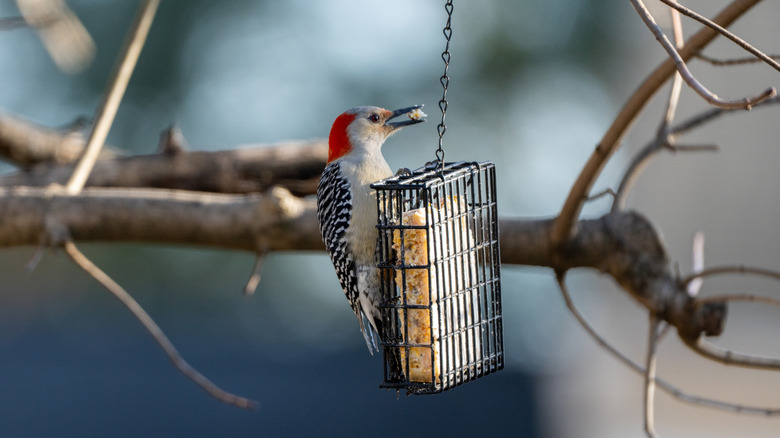
Feeders with cages around the suet block help protect it from larger animals. Open feeders may let birds feed from multiple sides.
- Metal cage feeders keep suet safe and last long
- Wooden feeders blend with nature and are strong
- Feeders with multiple perches allow many birds at once
- Easy-to-clean feeders keep birds healthy
Placement Tips For Maximum Visits
Place suet feeders where birds feel safe and can see predators. Near trees or bushes is best for cover.
Keep feeders away from busy areas and places with strong winds. This helps birds feel calm while feeding.
- Hang feeders 5 to 6 feet above ground
- Place near natural cover like shrubs or trees
- Avoid spots with heavy foot traffic
- Keep feeders visible but protected from cats and squirrels
- Check feeders regularly and refill often
Credit: www.housedigest.com
Seasonal Suet Feeding
Suet is a popular food for birds, especially during cold months. It offers high energy and helps birds stay warm.
Feeding suet changes with the seasons. Birds’ needs and behaviors shift as the weather warms.
Feeding During Winter Months
Winter is the best time to feed suet to birds. They use more energy to keep warm and need extra calories.
- Place suet feeders in sheltered areas to protect from wind and snow.
- Use high-fat suet mixtures to provide enough energy.
- Check feeders often to make sure suet is fresh and not frozen solid.
- Offer suet near trees or shrubs where birds can perch safely.
Adjusting Feeders For Warmer Seasons
As temperatures rise, birds eat less suet. Too much fat can upset their digestion in warm weather.
| Season | Suet Feeding Tips |
| Spring | Offer smaller amounts of suet; add fruit or seeds. |
| Summer | Remove suet if it melts quickly; use feeders with drainage. |
| Fall | Gradually increase suet as temperatures drop. |
Common Challenges And Solutions
Suet is a popular food for birds, but feeding it can bring some problems. Many bird lovers face issues that stop birds from enjoying suet.
This guide covers two common challenges with suet and how to fix them. You will learn about pests and keeping suet fresh and safe.
Dealing With Squirrels And Other Pests
Squirrels and other pests often try to eat suet meant for birds. They can scare birds away and waste your suet supply. It is important to protect the suet to keep birds coming back.
- Use squirrel-proof feeders with cages or weight-sensitive perches.
- Place feeders in open areas away from trees and fences.
- Try adding spicy pepper flakes to suet; birds do not mind the taste.
- Check feeders regularly and clean any mess to avoid attracting pests.
Keeping Suet Fresh And Safe
Suet can spoil or melt, especially in warm weather. Fresh suet is best for birds and lasts longer. Store and serve suet the right way to keep it safe.
| Tip | How It Helps |
| Keep suet in the fridge or freezer | Prevents melting and spoilage |
| Use suet feeders with good ventilation | Allows air flow and keeps suet firm |
| Replace suet every few days | Ensures freshness and avoids mold |
| Choose suet with added preservatives | Extends shelf life in warm weather |
Credit: www.msn.com
Enhancing Your Birdwatching Experience
Watching birds can be a fun and relaxing hobby. Using suet helps bring birds close to your yard.
Suet is a high-energy food that many birds enjoy, especially in cold weather. It makes birdwatching more exciting.
Attracting A Variety Of Bird Species
Suet attracts many types of birds, from woodpeckers to chickadees. Different birds like different suet flavors.
Using suet can bring colorful and interesting birds to your feeder. This variety makes watching more enjoyable.
- Woodpeckers love suet with nuts or seeds
- Chickadees prefer plain suet cakes
- Nuthatches enjoy suet mixed with berries
- Wrens and sparrows visit suet feeders too
Using Suet Alongside Other Feeders
Suet works well with other types of bird feeders. Offering multiple foods attracts more birds to your yard.
Try placing suet near seed feeders or nectar feeders. This setup gives birds many feeding choices and keeps them coming back.
- Combine suet with sunflower seed feeders
- Place suet near hummingbird feeders
- Use suet with fruit or peanut feeders
- Keep feeders clean and refilled often
Credit: www.wildbirdsuets.com
Frequently Asked Questions
Does Suet Attract Many Types Of Birds?
Yes, suet attracts various birds, including woodpeckers, nuthatches, chickadees, and titmice. It provides high energy, especially in cold weather.
What Birds Prefer Suet Feeders?
Woodpeckers, wrens, starlings, and some finches prefer suet feeders. Suet is rich in fat and offers essential nutrients for these birds.
Can Suet Attract Unwanted Animals?
Yes, suet can attract squirrels, raccoons, and rodents. Using specialized suet cages helps minimize unwanted visitors while feeding birds safely.
How Often Should I Replace Suet?
Replace suet every 3-5 days in warm weather to prevent spoilage. In cooler weather, it can last longer but check regularly.
Conclusion
Suet truly attracts a variety of bird species to your garden. Its rich energy content makes it a favorite for many birds. You can enjoy watching these beautiful creatures up close. Suet is easy to provide, making it a convenient choice.
Birds love the nourishment it offers, especially in colder months. So, consider adding suet to your feeding routine. It’s a simple way to support your local bird population. Enjoy the lively presence of birds in your outdoor space. They bring joy and life to any environment.