Have you ever dreamed of creating a special home for your colorful feathered friends? An exotic bird house isn’t just a shelter—it’s a way to bring beauty, life, and a touch of the wild right to your backyard.
Imagine watching your vibrant birds flutter happily in a space designed just for them. You’ll discover how to choose or build the perfect exotic bird house that meets your birds’ needs and adds charm to your outdoor space. Ready to make your bird’s home as extraordinary as they are?
Let’s dive in!
Choosing The Right Materials
Choosing the right materials is key to building a safe and lasting exotic bird house. The materials affect the house’s strength and comfort for the birds.
Good materials also help protect the bird house from weather and pests. This guide explains what materials work best.
Durability And Safety
Durable materials keep the bird house strong for a long time. Safety means the materials should not harm the birds.
Use wood that is sturdy and free from chemicals. Avoid treated wood that can be toxic to birds.
- Use hardwoods like cedar or pine
- Avoid metals that rust or have sharp edges
- Check for non-toxic paints and finishes
- Make sure there are no small nails or screws sticking out
Eco-friendly Options
Eco-friendly materials are safe for birds and good for the environment. They come from natural or recycled sources.
Choose wood from sustainable forests. Use natural oils or water-based paints to protect the wood.
- Reclaimed wood is a green choice
- Bamboo is lightweight and renewable
- Natural finishes avoid harmful chemicals
- Use recycled materials when possible
Weather Resistance
Materials must resist rain, sun, and cold to protect birds inside. Good weather resistance keeps the bird house strong.
Choose woods that do not rot easily. Seal the wood with safe finishes to block moisture. Avoid materials that bend or crack in sun.
- Cedar and redwood resist water and insects
- Use weatherproof sealants without toxic chemicals
- Roof the bird house with metal or shingles
- Check for gaps to keep wind out
Designs That Attract Exotic Birds
Exotic birds need special homes that fit their habits and needs. Well-designed bird houses can invite these birds to stay.
Good designs focus on color, size, shape, and natural looks. These features help the birds feel safe and comfortable.
Color And Shape Preferences
Exotic birds often prefer colors that blend with their natural habitat. Bright colors can scare them away.
Shapes that mimic tree hollows or natural nests work best. Round or oval shapes are popular with many bird species.
- Use greens, browns, and earth tones
- Avoid bright reds and blues
- Choose round or oval birdhouse openings
- Keep the design simple and natural
Size And Entrance Dimensions
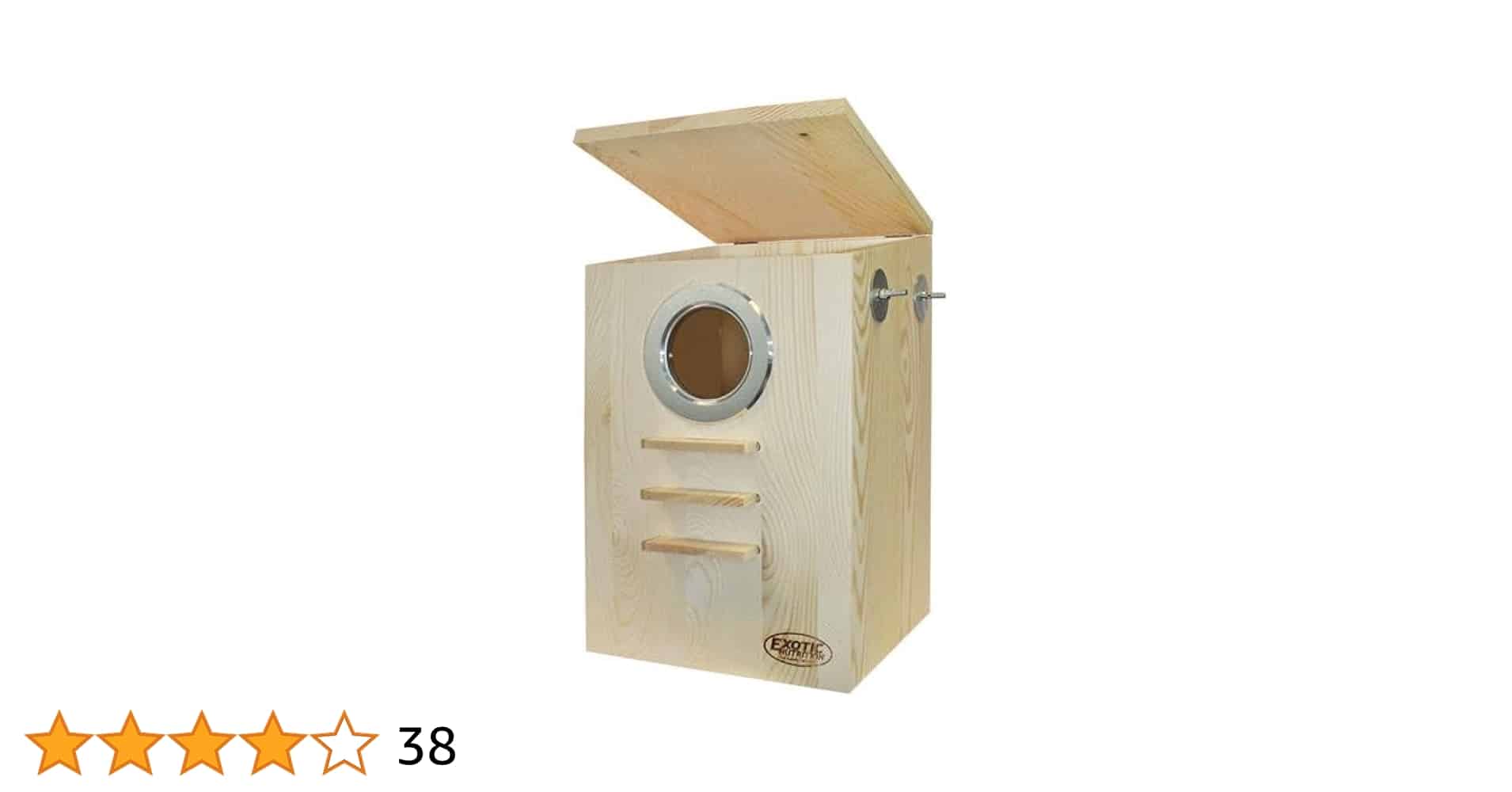
Size matters for attracting exotic birds. The house must be big enough for the bird to enter and nest comfortably.
The entrance hole size controls which birds can enter. Too large or too small holes may keep birds away.
- Small birds need entrance holes about 1 to 1.5 inches wide
- Larger birds need holes up to 2 inches wide
- Inside space should fit the bird’s body and nest materials
- Keep the birdhouse height 8 to 12 inches for most species
Natural Camouflage Techniques
Camouflage helps protect birds from predators. Using natural materials makes the birdhouse blend into the environment.
Adding bark, leaves, or moss on the birdhouse hides it well. Avoid shiny or smooth surfaces that catch attention.
- Cover the birdhouse with tree bark or twigs
- Use natural wood colors without paint
- Place the house near trees or shrubs
- Keep the birdhouse still and quiet
Building A Safe Environment
Creating a safe space for exotic birds is very important. Their home must protect them from harm and keep them comfortable.
Good design helps keep birds healthy and happy. This includes safety from predators, proper airflow, and safe materials.
Predator Protection
Keep birds safe from wild animals and pets. Use strong wire mesh and locks on doors. Avoid gaps where animals can enter.
Place the birdhouse in a high or hidden area. This helps avoid unwanted visitors and keeps birds calm.
- Use heavy-duty metal mesh
- Secure all doors with locks
- Close all openings larger than half an inch
- Install the house off the ground
Ventilation And Drainage
Good airflow stops heat and moisture from building inside. Add vents near the top and bottom for fresh air.
Drainage holes remove water after rain. This keeps the inside dry and prevents mold or bacteria growth.
- Place vents to allow air movement
- Make drainage holes on the floor
- Use sloped surfaces to guide water away
- Check vents and holes regularly
Non-toxic Finishes
Use paints and stains safe for birds. Avoid chemicals that cause harm or bad smells. Natural finishes work best.
Test any finish before use. Let it dry well to stop fumes. This protects birds from sickness and skin problems.
- Choose water-based, bird-safe paints
- Avoid finishes with strong odors
- Apply thin coats and let dry completely
- Use natural oils like linseed or beeswax

Credit: www.amazon.in
Placement Tips For Bird Houses
Placing a bird house in the right spot helps exotic birds feel safe. Good placement invites birds to nest and rest.
Consider height, sunlight, and nearby activity when choosing a place for your bird house. These factors keep birds comfortable.
Ideal Height And Location
Mount the bird house at a height where birds can avoid predators easily. Usually, 5 to 10 feet above ground works well.
Choose a quiet spot with some tree cover. Avoid open areas that expose the bird house to strong winds or rain.
- Place 5 to 10 feet high on a sturdy pole or tree
- Near bushes or trees for cover and safety
- Away from open spaces that get strong wind
Sunlight And Shade Balance
Bird houses need some sunlight but also shade to stay cool. Too much sun can make the inside very hot.
Place the house where it gets morning sun and afternoon shade. This helps keep the temperature just right.
- Morning sun warms the bird house
- Afternoon shade keeps it cool
- Avoid full sun all day to prevent overheating
Avoiding Human Disturbance
Birds need quiet to feel safe. Keep the bird house away from busy paths or loud areas.
Limit activity near the bird house during nesting seasons. This helps birds stay calm and care for their young.
- Place bird house away from playgrounds and busy walkways
- Do not touch or move the house during nesting
- Limit noise and sudden movements nearby
Maintenance And Cleaning
Keeping an exotic bird house clean and well-maintained is important for your bird’s health. Regular care prevents problems and helps your bird stay happy.
Simple cleaning and fixing tasks can keep the house safe and comfortable for your birds.
Seasonal Upkeep
Each season brings different challenges for your bird house. Check it often to prepare for weather changes.
Spring and fall are good times to clean deeply and fix small damages before extreme weather.
- Clear out old nesting material in spring
- Remove debris and dirt in fall
- Check roof and walls for leaks
- Ensure good ventilation during summer
Preventing Parasites And Mold
Parasites and mold can harm exotic birds. Cleaning helps stop these problems early.
Use safe cleaning products and dry the house well after washing to prevent mold growth.
- Remove droppings and leftover food daily
- Wash surfaces with bird-safe disinfectant
- Keep the house dry and well-ventilated
- Check for mites or insects regularly
Repairing Wear And Tear
Bird houses can get damaged by weather or birds. Fix problems quickly to keep the house safe.
Look for cracks, loose parts, or sharp edges that could hurt your birds.
- Fill cracks with non-toxic wood filler
- Tighten screws or nails that are loose
- Sand rough edges to avoid injuries
- Replace broken parts as needed

Credit: www.cityofparramatta.nsw.gov.au
Enhancing Bird Houses With Accessories
Adding accessories to bird houses makes them more inviting for birds. These extras help birds feel safe and comfortable.
Simple additions can improve bird activity and enjoyment around the house. Accessories also make bird watching more fun.
Perches And Feeders
Perches give birds a place to rest and watch for food. Feeders provide easy access to seeds and treats.
Choose perches that are sturdy and safe. Feeders should be easy to fill and clean.
- Wooden or metal perches are durable
- Place feeders near the bird house entrance
- Use feeders with drainage to keep food dry
- Offer a variety of seeds to attract different birds
Water Sources
Birds need fresh water for drinking and bathing. Adding a water source near the bird house helps keep them healthy.
Use shallow dishes or small birdbaths. Change the water often to prevent bacteria growth.
- Shallow water is safer for small birds
- Keep water clean and fresh daily
- Place water source in a shaded area
- Use rough surfaces to help birds grip
Decorative Elements
Decorations make bird houses look attractive and natural. They also offer hiding spots and shelter.
Use natural materials like twigs, leaves, and bark. Avoid bright colors that may scare birds away.
- Add small branches around the house
- Attach leaves or moss for camouflage
- Use natural paints or stains for protection
- Include small roof extensions for shade

Credit: en.wikipedia.org
Frequently Asked Questions
What Materials Are Best For An Exotic Bird House?
Wood, such as cedar or redwood, is ideal for bird houses. These materials are durable and provide natural insulation. Ensure the wood is untreated to prevent harm to birds. Avoid metal or plastic as they can overheat or be toxic.
Proper ventilation and drainage holes are also essential for bird safety.
How Can I Attract Exotic Birds To My Bird House?
Place the bird house in a quiet, sheltered area. Ensure it’s at a height of 5-12 feet. Provide food sources like bird feeders and native plants nearby. Clean the bird house regularly to keep it inviting. Avoid areas with heavy human traffic or predators for the best results.
What Size Should An Exotic Bird House Be?
The size of a bird house depends on the bird species. Generally, a small entrance hole, around 1. 5 inches, works for many exotic birds. The interior should be spacious enough for nesting but not too large. Ensure adequate ventilation and drainage to maintain a healthy environment for the birds.
How Often Should I Clean My Bird House?
Cleaning should occur at least once a year, ideally after the nesting season. Remove old nests, debris, and droppings to prevent disease. Use a mild soap solution to clean the interior. Rinse thoroughly and allow it to dry completely before reassembling.
Regular maintenance ensures a safe environment for future occupants.
Conclusion
Creating an exotic bird house brings joy and beauty to your space. Birds find comfort and safety in well-designed homes. Choosing the right materials helps keep birds healthy and happy. Small details matter, like ventilation and size. Watching birds visit daily feels peaceful and rewarding.
Building or buying the right bird house supports nature close to you. Care and attention make a simple bird house special. Enjoy the colors, sounds, and life that birds bring. Your outdoor area becomes lively and inviting. A cozy bird house welcomes nature’s charm right outside.