Have you ever enjoyed watching birds flutter around your garden or balcony? Feeding birds can be a joyful way to connect with nature right outside your door.
But did you know that how you feed them matters a lot? Feeding birds responsibly not only keeps them healthy but also helps protect their natural habits. You’ll discover simple tips to make sure your bird feeding is safe, beneficial, and truly rewarding—for both you and the birds.
Keep reading to learn how a few smart choices can make a big difference in your feathered friends’ lives.

Credit: www.surgeactivism.org
Choosing The Right Food
Feeding birds can be a joyful activity. Choosing the right food helps keep birds healthy and safe.
Different birds prefer different foods. Learning what to offer helps attract many types of birds.
Safe Seeds And Grains
Many birds enjoy seeds and grains. These provide good nutrition and energy for daily activities.
- Black oil sunflower seeds are high in fat and easy to crack.
- Millet is a favorite of small songbirds like sparrows and finches.
- Cracked corn suits larger birds such as doves and jays.
- Safflower seeds attract cardinals and grosbeaks.
Avoiding Harmful Foods
Some foods can harm birds or cause illness. It is important to keep these away from feeders.
| Food | Reason to Avoid |
| Bread | Offers little nutrition, can cause digestive problems |
| Salted or flavored nuts | High salt can be toxic to birds |
| Raw beans | Contain harmful toxins |
| Chocolate | Contains substances poisonous to birds |
Seasonal Feeding Options
Bird diets change with the seasons. Offering seasonal foods supports their natural habits.
Try these seasonal feeding ideas:
- Spring:Fresh fruits like berries and mealworms help birds during nesting.
- Summer:Offer nectar for hummingbirds and ripe fruit for orioles.
- Fall:Provide nuts and seeds to build energy for migration.
- Winter:High-fat seeds and suet help birds stay warm.

Credit: www.allaboutbirds.org
Setting Up Bird Feeders
Feeding birds is a fun way to enjoy nature at home. Setting up feeders the right way helps birds stay safe and healthy.
Good setup attracts many birds and keeps your yard clean. Learn how to choose feeders, place them well, and keep them clean.
Selecting Feeder Types
Different birds like different feeders. Choose feeders based on the types of birds you want to attract.
Some feeders hold seeds, while others hold suet or nectar. Pick feeders that match bird food types.
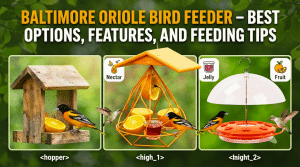
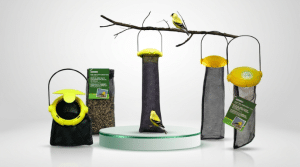
- Tube feeders for small seeds and finches
- Hopper feeders for larger seeds like sunflower
- Platform feeders for mixed food and ground feeders
- Suet feeders for woodpeckers and insect eaters
- Nectar feeders for hummingbirds
Proper Placement
Place feeders where birds feel safe from predators. Keep feeders near trees or shrubs for shelter.
Make sure feeders are visible but not too close to windows. This helps prevent bird collisions.
- Put feeders 3 to 10 feet from windows
- Place feeders near cover like bushes or trees
- Keep feeders away from areas with pets
- Choose shady spots to keep food fresh longer
Regular Cleaning Practices
Clean feeders often to stop disease spread. Dirty feeders can harm birds more than help.
Use warm water and mild soap. Rinse well and dry before refilling with food.
- Clean feeders every two weeks
- Remove old food before adding new
- Disinfect with a weak bleach solution if needed
- Wear gloves to protect yourself when cleaning
Maintaining A Safe Environment
Feeding birds can be a joyful activity. It helps birds find food, especially in tough weather.
It is important to keep the feeding area safe for the birds. This protects them from harm and illness.
Preventing Predators
Bird feeders can attract predators like cats and hawks. These animals can hurt the birds.
Place feeders in open spots. Avoid hiding places where predators can wait.
- Use feeders with baffles to block predators.
- Keep feeders high off the ground.
- Clear bushes near feeders where predators may hide.
Minimizing Disease Spread
Birds can spread diseases at feeders. Dirty feeders help germs grow and spread.
Clean feeders often with hot water and soap. Remove old seeds and droppings.
- Wash feeders every two weeks or more often in wet weather.
- Use fresh seeds to avoid mold growth.
- Space feeders apart to reduce crowding of birds.
Providing Fresh Water
Birds need clean water for drinking and bathing. Water helps them stay healthy.
Change water daily to keep it fresh. Use shallow dishes so birds can drink safely.
- Place water away from feeders to avoid contamination.
- In winter, use heated bird baths to prevent freezing.
- Keep water containers clean to stop germs.
Supporting Local Bird Populations
Feeding birds can help local populations stay healthy. It gives them extra food, especially in hard times. But it is important to feed birds the right way.
Feeding birds responsibly supports native species and protects their natural homes. This helps keep the bird community balanced and strong.
Encouraging Native Species
Native birds are best suited to your local area. Feeding them helps keep their numbers steady. Use foods that match what they eat in the wild.
Offer seeds, nuts, and fruits that local birds prefer. Avoid feeding birds with non-native or processed foods. This keeps them healthy and safe.
- Use black oil sunflower seeds for many native birds
- Offer suet or mealworms for insect-eating birds
- Avoid bread or junk food that offers little nutrition
Avoiding Overfeeding
Too much food can cause problems for birds. It may make them lazy or sick. Only put out small amounts of food regularly.
Clean feeders often to prevent disease. Remove leftover food that attracts pests or mold. Feeding birds in moderation keeps them active and healthy.
- Fill feeders with just enough food for a day or two
- Check feeders daily and clean them weekly
- Remove wet or moldy seeds immediately
Habitat Conservation Tips
Birds need safe places to live and find food. Protecting natural habitats helps local birds thrive. Plant native trees and shrubs to provide shelter and food.
Keep water sources clean and fresh. Avoid using pesticides that harm birds and insects. These small actions help create a bird-friendly environment.
- Plant native plants that produce berries and seeds
- Provide fresh water in shallow dishes or birdbaths
- Limit pesticide use near bird habitats
- Leave dead wood and leaf litter for insects
Recognizing Signs Of Distress
Feeding birds is fun, but we must watch for signs of illness. Birds often hide when they feel sick. Spotting problems early helps them get better.
Look closely at their behavior and appearance. Changes in these can mean the bird needs help. Knowing what to watch for keeps birds safe.
Common Bird Illnesses
Birds can catch many illnesses from bad food or dirty feeders. Some common problems include mites, infections, and malnutrition. These make birds weak and slow.
Watch for signs like ruffled feathers, swollen eyes, or breathing trouble. Sick birds may sit still for a long time or hide away. These signs show they need care.
- Fluffed-up feathers even in warm weather
- Swollen or watery eyes
- Difficulty breathing or wheezing sounds
- Less movement or hiding often
- Droppings that look different or unusual
When To Seek Help
If you see a bird with clear signs of illness, it may need help from an expert. Do not try to treat wild birds yourself. Contact a wildlife rehabilitator or vet instead.
Also, clean feeders regularly to prevent disease. Healthy birds are more active and bright. Helping birds safely means watching closely and acting quickly.
- Contact a wildlife rehab center if a bird is injured or very weak
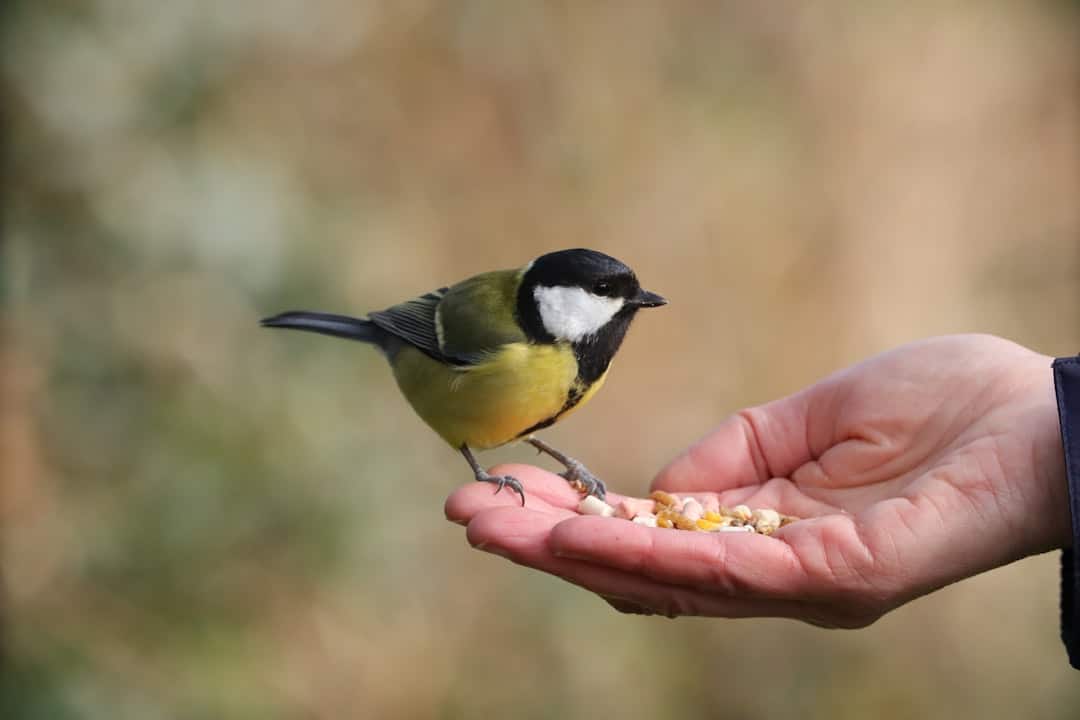
- Do not feed sick birds directly by hand
- Keep your bird feeders clean and dry
- Observe birds but avoid touching sick ones
- Report unusual bird deaths to local wildlife authorities
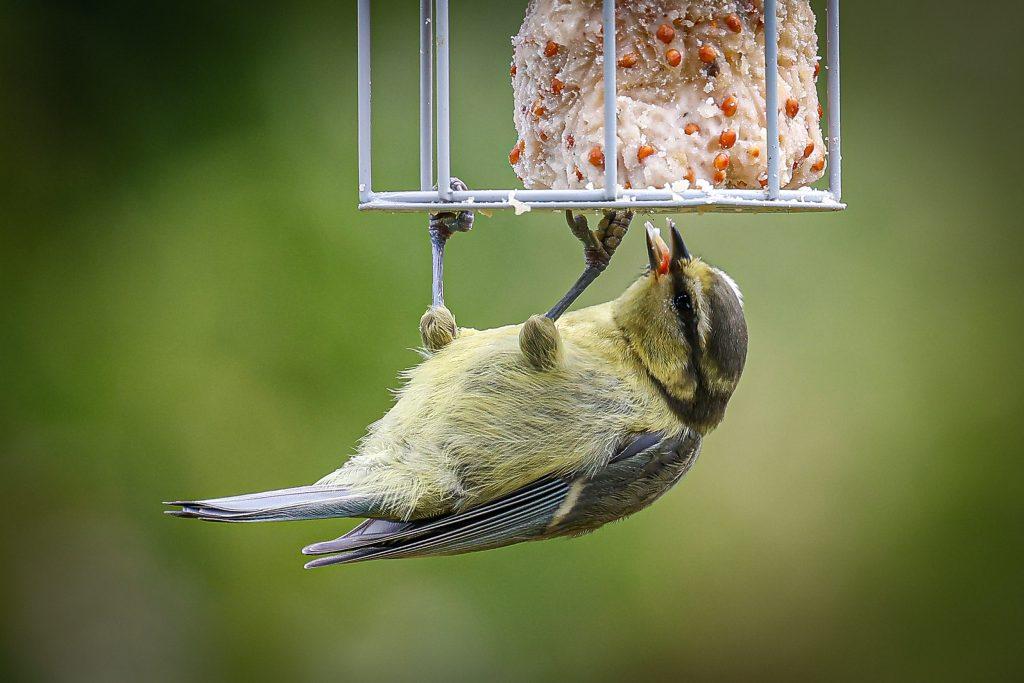
Credit: help.gardeningexpress.co.uk
Frequently Asked Questions
What Are The Best Foods For Feeding Birds Responsibly?
Provide natural seeds like sunflower, millet, and cracked corn. Avoid processed or salty foods. Fresh fruits and nuts are also great choices for healthy bird diets.
How Often Should I Clean Bird Feeders?
Clean feeders every two weeks with mild soap and water. This prevents mold and bacteria growth, ensuring birds stay healthy and safe from diseases.
Can Feeding Birds Harm Their Natural Behaviors?
Feeding birds responsibly supports them without dependency. Avoid overfeeding to prevent disrupting natural foraging and migration habits.
Where Is The Best Place To Put A Bird Feeder?
Place feeders in safe, shaded areas away from predators. Near trees or shrubs offers birds shelter and resting spots.
Conclusion
Feeding birds responsibly benefits nature and our feathered friends. Choose natural, healthy foods. Avoid giving bread. It harms birds. Clean feeders often to prevent disease. Fresh water is essential for their health. Respect wildlife habitats. Keep feeding areas safe. Enjoy watching birds thrive in your care.
Small changes make a big difference. Your efforts support local ecosystems. Responsible feeding promotes biodiversity. Thank you for caring for our winged neighbors. Remember, every seed counts. Let’s create a safer world for birds together. Your actions today nurture their tomorrow.
Happy birdwatching!