
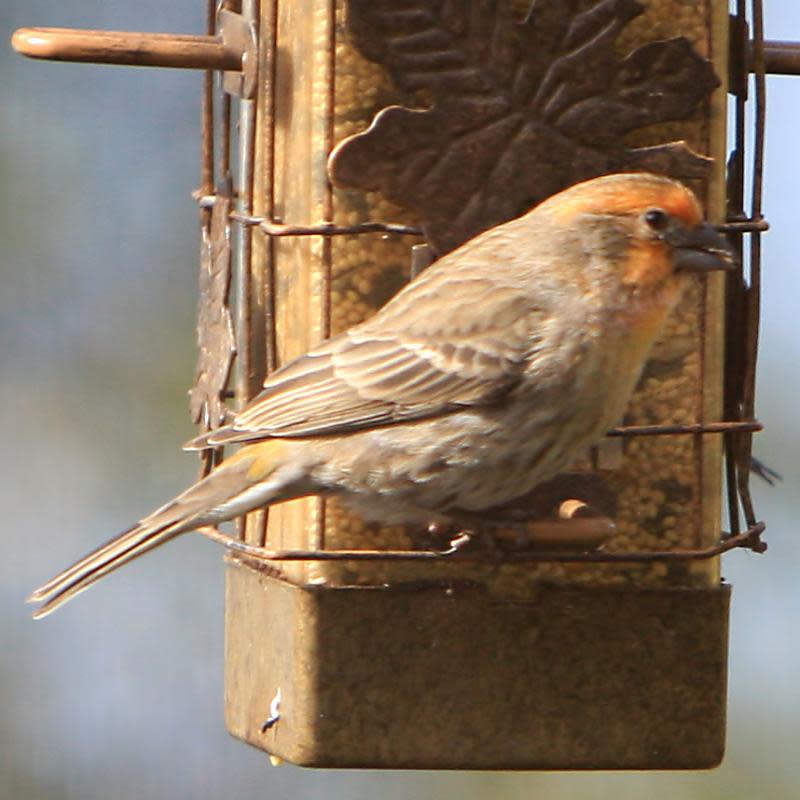
Have you ever wondered why finch bird colors are so vibrant and diverse? Understanding these beautiful hues can change the way you see these tiny creatures.
Whether you’re a bird lover, a hobbyist, or just curious, knowing about finch colors can help you appreciate their unique charm even more. Keep reading, and you’ll discover fascinating facts that will make you look at finches in a whole new light.
Your next birdwatching experience might just become a lot more colorful!
Common Finch Colors
Finches are small birds known for their beautiful colors. Their feathers come in many bright shades. These colors help them stand out in nature.
Bird watchers and pet owners love to see the different colors finches display. Here are some common finch colors you can find.
Red And Crimson Hues
Red and crimson colors are common in many finch species. These colors range from bright red to deep crimson shades. They often appear on the head, chest, or wings.
Male finches usually show stronger red colors than females. These bright red hues help attract mates and show health.
Yellow And Gold Shades
Yellow and gold are warm colors found on many finches. These shades can be soft or bright and cover the body or parts of the wings.
Yellow colors help finches blend in with flowers and sunlight. Some finches have bright gold feathers that shine in the sun.
Green Variations
Green finch colors vary from light olive to deep forest green. These colors often cover the back or wings of the bird. Green helps finches hide in trees and bushes.
Some finches have mixed green shades with yellow or brown. This mix gives them a natural look in their environment.
Blue And Violet Tones
Blue and violet colors are less common but very striking. These shades range from soft blue to bright violet. They usually appear on the wings or head.
These cool tones help some finches blend with shadows and sky. Blue feathers can look shiny and smooth under sunlight.
White And Cream Patterns
White and cream colors add contrast to finches’ feathers. These colors appear as spots, stripes, or full patches. They brighten the bird’s overall look.
White patterns help finches communicate and recognize each other. Cream shades give a soft, gentle appearance to the bird.
Rare Finch Color Mutations
Finches come in many beautiful colors. Some colors are rare and very special. These rare colors happen because of mutations.
Bird lovers often look for these unique colors. They make finches stand out and look different from others.
Albino Finches
Albino finches have no color in their feathers. They look all white with red eyes. This happens because they lack pigment.
These birds are rare and need special care. Their white color makes them very easy to spot in a group.
Pied And Spangled Varieties
Pied finches have patches of two or more colors. These patches can be random or patterned. Spangled finches have spots or dots on their feathers.
Both types look very unique. Their mixed colors make each bird look different from the rest.
- Pied finches: uneven color patches
- Spangled finches: spotted feathers
- Both add variety to finch collections
Pastel And Dilute Colors
Pastel finches have soft, light colors. Dilute colors are faded versions of normal colors. These mutations make the bird’s colors look gentle.
These colors are less bright but very pretty. They give finches a calm and delicate look that many people like.
Color Patterns And Markings
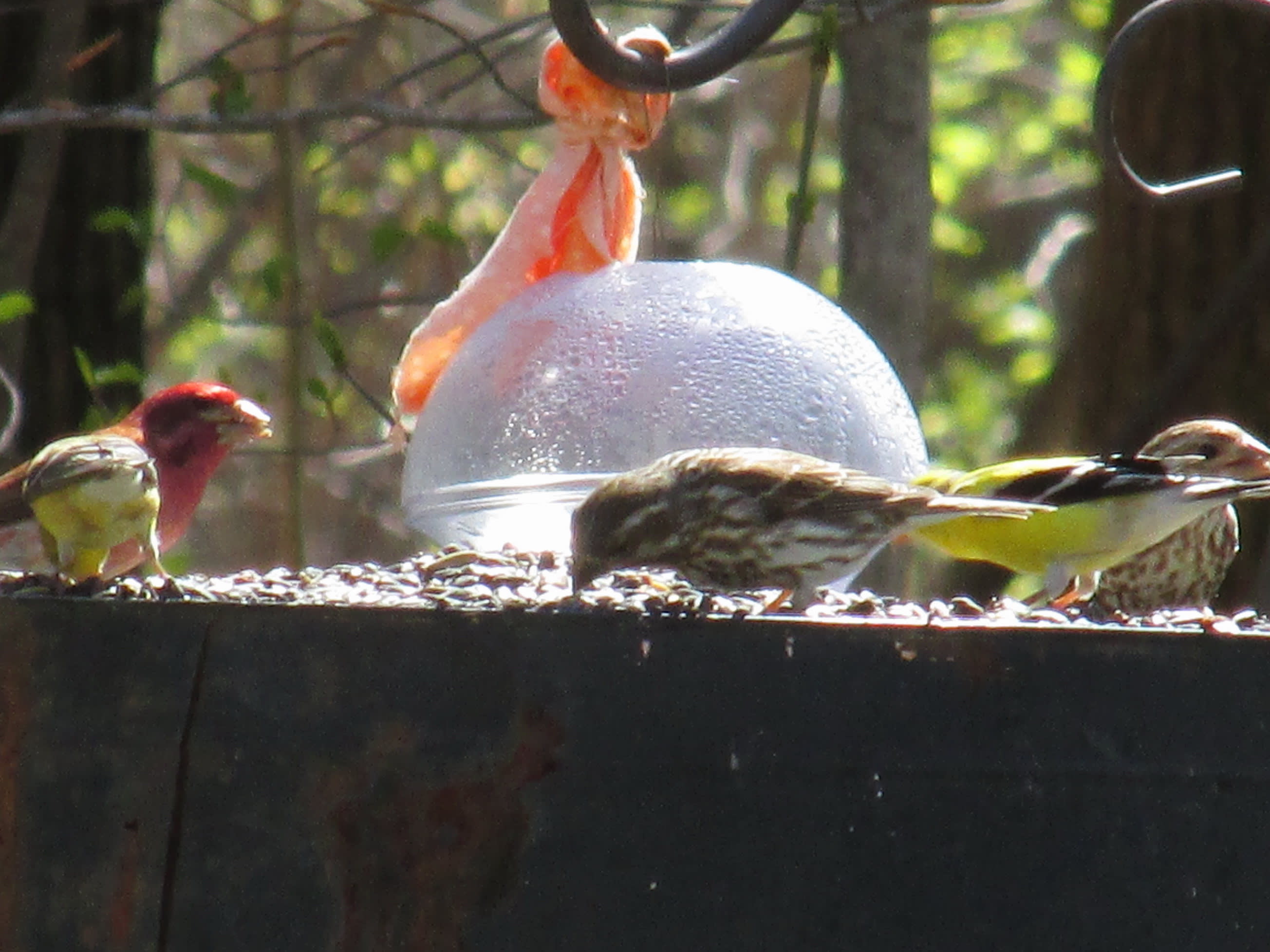
Finch birds show many different colors and patterns. These colors help them blend in or attract mates.
Their color patterns include stripes, spots, masks, and colorful wings and tails. Each pattern has a special look.
Striped And Spotted Designs
Many finches have stripes or spots on their feathers. Stripes can run across their bodies or wings.
Spots can be small dots or larger patches in different colors. These marks make each finch unique.
- Stripes help finches hide in tall grass or trees
- Spots may signal health or age to other birds
- Patterns often vary between male and female finches
Facial Masks And Eye Rings
Some finches have dark masks on their faces. These masks cover the eyes and cheeks.
Eye rings are bright circles around the eyes. They can be white, red, or yellow.
- Facial masks can protect eyes from sunlight
- Eye rings help finches recognize each other
- These features add to the bird’s charm and style
Wing And Tail Coloration
Finches often have bright colors on their wings and tails. These colors flash when they fly.
Wing and tail colors can be red, yellow, green, or blue. These colors attract mates and warn rivals.
- Bright wing colors show strength and health
- Tail markings help with balance and flight
- Colors can change during breeding seasons
Credit: owlcation.com
Genetics Behind Finch Colors
Finch colors come from their genes. These genes control the pigments in their feathers.
Different genes and mutations make many color variations in finches. Understanding these helps breeders.
Basic Color Genes
Basic color genes control the main colors of finches. These include yellow, green, and brown shades.
Each gene affects feather color by controlling pigment types and amounts. These genes work together.
- The Yellow gene adds bright yellow color.
- The Green gene mixes yellow with blue to make green.
- The Brown gene causes darker feather tones.
- The White gene removes color, creating white patches.
Inheritance Of Mutations
Mutations are changes in the basic color genes. These can change finch colors in new ways.
Mutations pass from parents to offspring. Some are dominant and others are recessive.
- Dominant mutations show color change if one parent has it.
- Recessive mutations show only if both parents carry them.
- Some mutations blend when both parents have different ones.
Breeding For Desired Colors
Breeders select finches with specific genes to get certain colors. They plan matings carefully.
Tracking gene inheritance helps predict baby finch colors. This improves breeding results.
- Breed finches with strong color genes for vivid colors.
- Use pairs that carry recessive mutations to produce rare colors.
- Record breeding results to improve future color combinations.
Enhancing Finch Colors Naturally
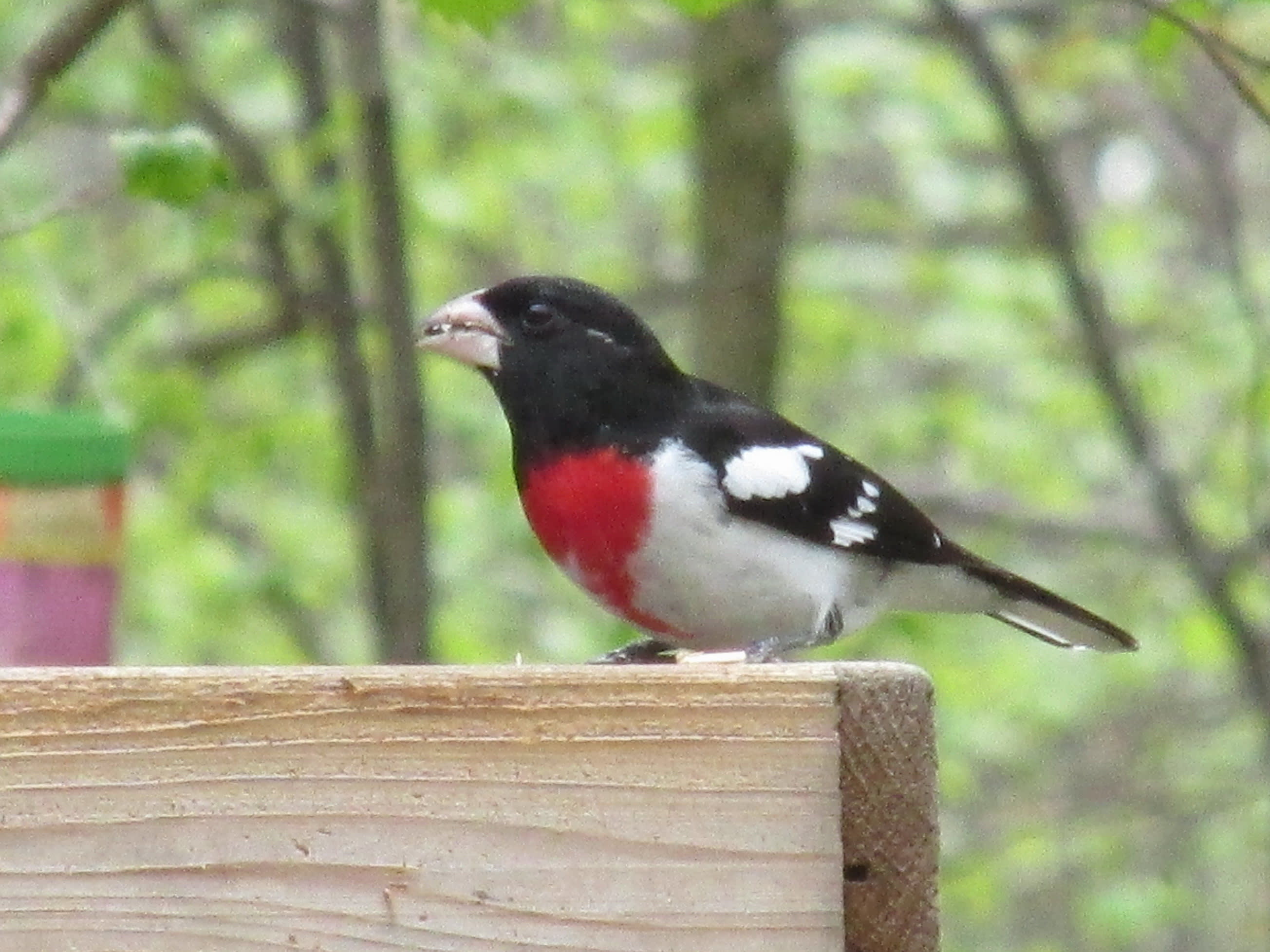
Finches have bright and beautiful colors. Their colors show health and happiness.
You can help your finch look its best. Natural care makes feathers shine.
Diet And Nutrition Tips
What finches eat affects their feather colors. A good diet brings out bright colors.
Give finches seeds, fruits, and vegetables. Foods rich in vitamins help color glow.
- Provide fresh fruits like apples and berries
- Add leafy greens such as spinach and kale
- Include seeds high in carotenoids like millet
- Offer small amounts of egg food for protein
Lighting And Environment
Natural light helps finches keep their colors bright. Sunlight helps feathers grow strong.
Keep the cage in a bright room. Avoid direct harsh sunlight that can stress the bird.
- Use full-spectrum light bulbs if natural light is low
- Maintain a regular day and night cycle for your finch
- Keep the cage clean and spacious for comfort
Health Care For Vibrant Feathers
Healthy finches have shiny feathers. Watch for signs of illness or stress.
Regular vet checks keep your finch healthy. Clean feathers also show better color.
- Provide fresh water daily for hydration
- Keep the cage clean to avoid infections
- Offer baths or misting to help feather health
- Watch for mites or feather damage regularly
Credit: owlcation.com
Popular Finch Species By Color
Finches are small birds known for their bright and varied colors. Each species has unique colors that make them special.
This guide looks at popular finch species and their typical colors. You will learn about Zebra, Society, Gouldian, and Canary finches.
Zebra Finches
Zebra finches have a mix of gray, white, black, and orange colors. They are named for their striped black and white patterns.
Males show bright orange cheek patches and red beaks. Females are usually lighter with less color.
- Gray body with black and white stripes
- Bright orange cheeks (males)
- Red beak
- White belly
Society Finches
Society finches come in many colors because they are bred from different finch types. Their colors can be white, brown, or spotted.
These finches have soft and warm colors. Both males and females look similar in color.
- White or cream
- Brown shades
- Spotted or mottled patterns
- Soft and gentle colors
Gouldian Finches
Gouldian finches are famous for their bright and bold colors. They have green, yellow, red, blue, and purple feathers.
They have different head colors like red, black, or yellow. This makes each bird look unique and colorful.
| Color | Body Part |
|---|---|
| Bright green | Back and wings |
| Yellow or orange | Chest and belly |
| Red, black, or yellow | Head |
| Blue and purple | Tail and feathers |
Canary Finches
Canary finches are mostly bright yellow. Some can have orange or white patches. Their color is very cheerful and sunny.
Males are usually brighter yellow than females. They have a smooth and clean color look.
- Bright yellow
- Orange patches
- White markings
- Smooth feather colors

Credit: www.willyswilderness.org
Frequently Asked Questions
What Colors Can Finches Have?
Finches can display a variety of colors, including red, yellow, green, and blue. These vibrant colors help them attract mates and camouflage in their natural habitats. The specific colors depend on the species, with some finches even having multicolored patterns, making them a favorite among bird enthusiasts.
Why Do Finches Have Bright Colors?
Finches have bright colors primarily for attracting mates and deterring predators. These colors can signal health and genetic fitness to potential partners. In some species, brighter colors indicate a higher chance of reproductive success, making them more appealing during the mating season.
How Do Diet Affect Finch Colors?
A finch’s diet significantly affects its feather colors. Nutrient-rich diets with carotenoids can enhance vibrant hues in their plumage. Foods like seeds, fruits, and certain greens contribute to these pigments. A lack of these nutrients can result in duller colors, affecting the bird’s ability to attract mates.
Do Male And Female Finches Differ In Color?
Yes, male and female finches often exhibit different colors. Males typically have brighter and more vivid colors to attract females. Females usually have more subdued tones, which help them blend into their surroundings while nesting, offering them better protection from predators.
Conclusion
Finch birds show a beautiful range of colors. Each color tells a unique story about the bird. Watching their colors can brighten your day. These colors help finches attract mates and stay safe. Learning about finch bird colors makes birdwatching more fun.
Nature’s palette is truly amazing and full of life. Keep observing and enjoy the small wonders around you. Finch colors remind us how special and diverse life can be.



