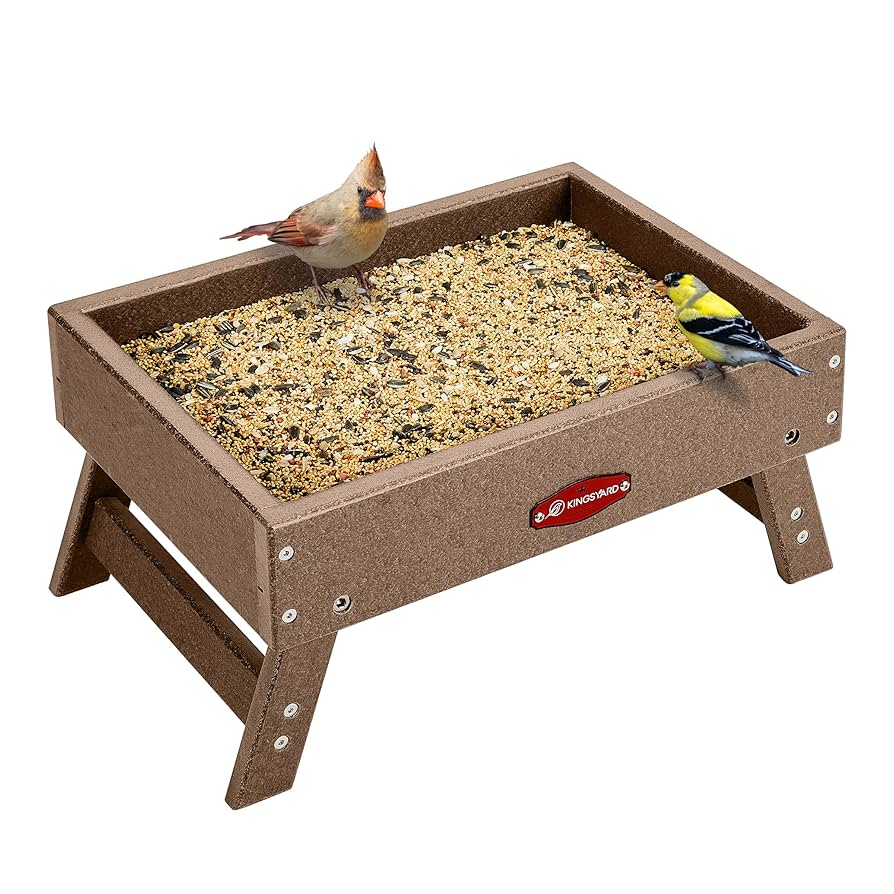
If you love watching birds up close, ground feeders can bring your garden to life like never before. Imagine your backyard filled with colorful birds happily pecking at seeds just a few feet away.
You don’t need a big space or fancy equipment to make this happen. With the right ground feeders, you can create a welcoming spot that attracts a variety of birds right to your doorstep. Keep reading, and you’ll discover simple tips and tricks to turn your outdoor space into a bird’s favorite hangout.
Your feathered friends are waiting!
Credit: www.kingsyard.com
Benefits Of Ground Feeding
Ground feeders are a great way to attract birds to your yard. They offer food at a natural level where many birds like to eat. This helps you see different types of birds up close.
Using ground feeders can support birds and the environment. It also makes your garden more lively and beautiful. Let’s explore these benefits.
Encouraging Diverse Bird Species
Ground feeding attracts many bird species that prefer eating on the ground. These include sparrows, doves, and juncos. Offering seeds and grains at ground level invites these birds to visit.
- Sparrows enjoy cracked corn and millet
- Doves prefer sunflower seeds and sorghum
- Juncos like small seeds and insects
- Robins and thrushes eat worms and berries
Supporting Local Ecosystems
Feeding birds on the ground helps local ecosystems stay healthy. Birds spread seeds as they eat, helping plants grow. They also control insect populations.
| Benefit | How Ground Feeding Helps |
| Seed Dispersal | Birds drop seeds while feeding |
| Insect Control | Birds eat harmful insects on plants |
| Food Chain Support | Feeds small birds that feed larger animals |
| Habitat Balance | Encourages bird diversity and plant growth |
Enhancing Garden Aesthetics
Ground feeders add life and color to your garden. Birds visiting your yard bring sounds and movement. This creates a peaceful and natural setting.
To make your garden more attractive to birds:
- Place feeders near shrubs or low plants
- Keep the area clean and safe from predators
- Use natural materials like wood or stone for feeders
- Offer a variety of seeds to attract different birds
Credit: www.kingsyard.com
Types Of Ground Feeders
Ground feeders attract birds that prefer to eat on or near the ground. These feeders offer easy access to seeds and food. They help bring many bird species to your garden.
There are different types of ground feeders. Each type suits different bird habits and food types. Below are some common ground feeder styles.
Platform Feeders
Platform feeders are flat surfaces raised slightly above the ground. They hold seeds or mixed bird food. These feeders allow many birds to feed at once.
- Usually made of wood or metal
- Open design for easy access
- Can be placed on poles or hung from trees
- Needs protection from rain and squirrels
Tray Feeders
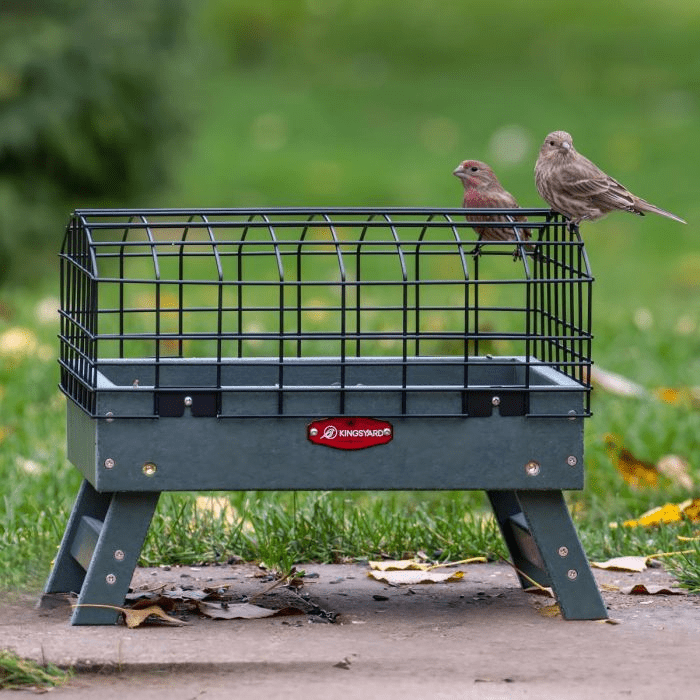
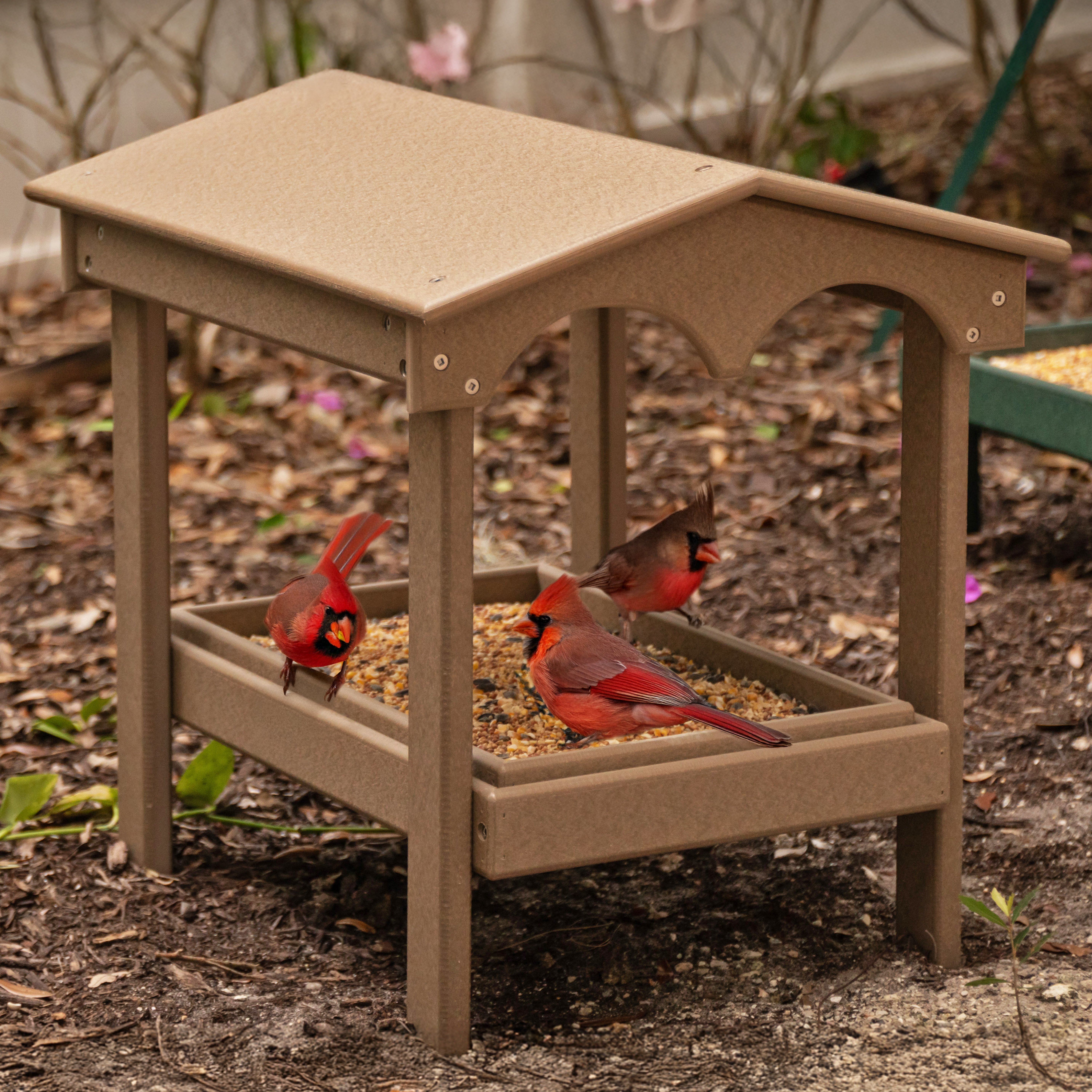
Tray feeders have raised edges to keep food contained. They come in various sizes and shapes. Many include covers to protect seeds from weather.
| Feature | Benefit |
| Raised edges | Keeps seeds from spilling |
| Protective cover | Stops food from getting wet |
| Varied sizes | Attracts different bird types |
| Easy to clean | Prevents mold and bacteria |
Natural Ground Feeding Areas
Natural ground feeding areas use the earth as a feeding spot. You can scatter seeds or grains on bare soil or leaf litter. These spots attract ground-feeding birds like sparrows and doves.
Tips for natural ground feeding:
- Choose quiet, open spots near bushes for cover
- Keep feeding areas clean to avoid pests
- Use unshelled seeds like sunflower or millet
- Refill food regularly to keep birds coming back
Best Seeds For Ground Feeders
Ground feeders attract many bird species that like to feed on the ground. Choosing the right seeds helps bring more birds to your yard.
Different seeds attract different birds. Using a mix of seeds can offer variety and keep birds coming back.
Sunflower Seeds
Sunflower seeds are a favorite for many birds. They have a high fat content that gives birds energy.
Black oil sunflower seeds have thin shells and are easy for small birds to eat. Larger birds can crack the shell of striped sunflower seeds.
- Attracts cardinals, chickadees, and finches
- High in fat and protein
- Works well in cold weather
Millet And Cracked Corn
Millet is a small, round seed that many ground-feeding birds like. It is easy to eat and dig for.
Cracked corn is a favorite of larger birds like doves and pigeons. It is also good for attracting ground-feeding birds that like grains.
- Millet attracts sparrows and juncos
- Cracked corn feeds doves and quail
- Both seeds are affordable and easy to find
Mixed Seed Blends
Mixed seed blends combine several types of seeds. This variety attracts many kinds of birds.
Look for blends with sunflower seeds, millet, cracked corn, and sometimes safflower. This mix offers food for small and large birds.
- Attracts more bird species
- Provides balanced nutrition
- Good for year-round feeding
Placement Tips For Ground Feeders
Ground feeders attract many types of birds that prefer feeding on the ground. Proper placement helps keep birds safe and comfortable. It also improves your chances to see more bird species.
Choosing the right spot for your ground feeder is important. Think about safety, shade, and nearby shelter to create a perfect feeding area.
Safe Locations From Predators
Place feeders where birds can easily spot predators like cats or hawks. Avoid placing feeders near thick bushes where predators can hide. Open areas help birds feel safe while feeding.
Keep feeders at least 10 feet away from trees or structures where predators can jump from. Low ground feeders should be in places where birds have a clear escape path.
- Choose open spaces with clear views.
- Avoid dense shrubs near feeders.
- Keep feeders far from places predators hide.
- Allow easy escape routes for birds.
Choosing Shaded Vs. Sunny Spots
Shade helps keep birdseed fresh and cool. It also offers birds relief from hot sun. Sunny spots warm the seed in cold weather and dry damp seed quickly.
Try to find a spot with morning sun and afternoon shade. This balance keeps the area comfortable for birds most of the day.
- Shade reduces seed spoilage in summer.
- Sun helps dry seed after rain.
- Mix of sun and shade is best.
- Avoid full sun or full shade all day.
Proximity To Cover And Shelter
Birds like to feed near places they can hide quickly. Nearby bushes, shrubs, or trees offer protection from weather and predators. Cover helps birds feel safe.
Place feeders close to natural cover but not so close that predators can sneak in. A distance of 3 to 6 feet is ideal for quick escape.
- Feeders should be near shrubs or trees.
- Keep a small open space between cover and feeder.
- Cover protects birds from weather and danger.
- Good distance prevents predators from hiding.
Maintaining Clean Ground Feeders
Keeping ground feeders clean helps attract healthy birds to your garden. Dirt and old seeds can cause problems for birds and reduce visits.
Regular cleaning protects birds from disease and keeps feeders inviting. Learn how to maintain your ground feeders with simple steps.
Regular Cleaning Routines
Clean ground feeders often to stop seed build-up and dirt. Use warm water and mild soap to scrub feeders. Rinse well to remove soap.
- Empty feeders before cleaning
- Scrub all surfaces with a brush
- Rinse with clean water
- Dry feeders completely before refilling
Preventing Mold And Disease
Mold grows on wet seeds and can harm birds. Keep feeders dry and clean to stop mold. Remove wet or clumped seeds quickly.
| Problem | Cause | Solution |
| Mold | Wet seeds and moisture | Clean feeder, keep seeds dry |
| Disease | Old seeds and droppings | Regularly clean and disinfect feeders |
| Pests | Spilled seeds on ground | Manage seed spills and clean area |
Managing Spilled Seeds
Spilled seeds attract pests and create mess. Clear seeds from the ground near feeders daily. Use a small broom or rake for easy cleanup.
- Place feeders on hard surfaces to reduce spills
- Use seed trays or mats under feeders
- Check and clean feeding area every day
- Store extra seeds in sealed containers
Credit: www.dutchcrafters.com
Attracting Specific Bird Species
Ground feeders bring many bird species to your yard. Knowing what each bird likes helps attract them.
Choosing the right food and setup makes your yard a favorite spot for certain birds.
Attracting Sparrows And Finches
Sparrows and finches enjoy small seeds that fall to the ground. They prefer open spaces to feed safely.
Use feeders that drop seeds or scatter seeds directly on the ground. Offer a mix of millet, sunflower chips, and nyjer seeds.
- White proso millet
- Black oil sunflower chips
- Nyjer seeds
Welcoming Doves And Pigeons
Doves and pigeons like larger seeds and grains. They often feed in small groups on flat ground.
Scatter cracked corn, safflower seeds, and whole millet on bare soil or gravel. Keep the area clean and dry.
- Cracked corn
- Safflower seeds
- Whole millet
Encouraging Ground-feeding Thrushes
Thrushes look for insects and fruit on the ground. They like moist soil and leaf litter to find food.
Place chopped fruits like berries or apples near shrubs. Keep leaf piles and mulch to attract insects for thrushes.
- Chopped berries
- Apple pieces
- Leaf litter and mulch
Seasonal Feeding Strategies
Feeding ground feeders changes with the seasons. Birds need different foods at different times of the year. Adjusting your feeding helps attract more birds.
Here are tips for feeding birds in winter, summer, spring, and fall. These ideas keep birds healthy and coming back to your yard.
Winter Feeding Tips
Winter is the hardest time for birds. Food is scarce, and they need energy to stay warm. Offer high-energy foods and keep feeders clean.
- Provide black oil sunflower seeds. They have lots of fat.
- Offer suet cakes for extra energy.
- Keep water unfrozen with a heated birdbath.
- Fill feeders often since food disappears quickly.
Summer Feeding Adjustments
In summer, birds find more natural food. Offer fresh water and lighter snacks. Avoid fatty foods that spoil fast in heat.
| Food Type | Summer Tips |
|---|---|
| Seeds | Offer small amounts to prevent mold |
| Fruit | Fresh slices like berries and melon |
| Water | Provide fresh, clean water daily |
| Suet | Avoid or use fruit-based suet |
Spring And Fall Considerations
Spring and fall are times of change. Birds need food for migration and nesting. Adjust feeding to support these needs.
- In spring, add protein-rich foods like mealworms.
- In fall, offer high-fat seeds to build energy stores.
- Clean feeders regularly to prevent disease.
- Plant native shrubs for natural food and shelter.
Common Challenges And Solutions
Ground feeders attract many bird species to your garden. They also bring some challenges that need solutions. Understanding these problems helps you create a better feeding area.
Keeping birds safe and happy while managing pests and weather is key. You can also reduce seed waste with some simple tips.
Dealing With Squirrels And Pests
Squirrels and other pests often eat birdseed meant for birds. They can scare birds away or make a mess on the ground. Controlling these pests helps birds feed safely.
Use feeders designed to block squirrels or place feeders where squirrels can’t reach. Some people add spicy birdseed that birds like but squirrels avoid.
- Use squirrel-proof feeders or cages
- Place feeders on poles with baffles
- Try spicy seed mixes safe for birds
- Clean area regularly to remove spilled seed
Weather-related Issues
Rain, wind, and snow can spoil birdseed and make feeding harder. Wet seed can grow mold and become unsafe for birds. Wind can scatter seed, causing waste.
Place feeders in sheltered spots or add covers to protect seed from weather. Check feeders often and replace wet seed quickly to keep birds healthy.
- Put feeders under trees or roof eaves
- Use feeder covers or trays with drainage
- Replace wet or moldy seed immediately
- Clear snow around feeding areas for access
Avoiding Seed Waste
Birds often drop seed on the ground, which can go to waste or grow unwanted plants. Managing seed waste saves money and keeps the garden tidy.
Use feeders that reduce seed spillage. Choose the right seed type to attract birds that eat the seed fully. Clean feeding areas to prevent leftover seed buildup.
- Pick feeders with small feeding ports
- Offer larger seed types that birds eat whole
- Regularly sweep or rake feeding spots
- Feed small amounts often instead of large piles
Frequently Asked Questions
What Are Ground Feeders For Birds?
Ground feeders are devices placed on the ground to provide food for birds. They are designed to attract ground-feeding species like sparrows, doves, and juncos. These feeders mimic natural feeding conditions, making them appealing to birds. They come in various styles, including trays and mesh-covered platforms.
How Do Ground Feeders Attract Birds?
Ground feeders attract birds by offering a natural feeding environment. They provide easy access to seeds and grains. Birds feel safe feeding on the ground, as it mimics their natural habitat. Placing feeders in quiet, sheltered areas can further increase their attractiveness.
What Types Of Food Attract Ground-feeding Birds?
Ground-feeding birds are attracted to seeds, grains, and fruits. Black oil sunflower seeds, millet, and cracked corn are popular choices. These foods mimic what birds naturally forage. Providing a variety of food options can attract a diverse range of bird species to your yard.
How Do You Keep Ground Feeders Safe From Predators?
To keep ground feeders safe, place them in open areas away from dense cover. This reduces the risk of surprise attacks by predators. Using mesh-covered feeders can prevent larger animals from accessing the food. Regularly clean the area to prevent attracting unwanted pests.
Conclusion
Ground feeders attract many types of birds to your yard. They offer easy access to food on the ground. Birds like sparrows, robins, and doves enjoy these feeders. Keep the area clean to help birds stay healthy. Place feeders near shrubs for shelter and safety.
Watching birds feed can bring joy and calm. Try different seeds to see which birds visit most. Feeding ground birds helps nature and brightens your day. Simple steps create a welcoming space for feathered friends. Enjoy the peaceful moments with birds at your feeders.