

Every year, millions of birds take on an incredible journey across vast distances. But did you know many of these travelers face serious challenges along the way?
You have the power to make a real difference in their survival. Imagine how rewarding it feels to help a bird find food, rest, or safe shelter during migration. You’ll discover simple, effective ways to support these amazing creatures when they need it most.
Keep reading, and learn how your small actions can create a big impact.
Bird Migration Basics
Bird migration is the regular movement of birds between breeding and wintering areas. This journey can cover thousands of miles across continents.
Many bird species migrate to find better food, warmer weather, and safe places to raise their young.
Why Birds Migrate
Birds migrate mainly to survive. They leave cold places to find warmth and food. Migration helps birds avoid harsh winters and find better living conditions.
- To find food that is scarce in winter
- To escape freezing temperatures
- To reach safe breeding grounds
- To reduce competition for resources
Common Migration Routes
Birds follow specific routes during migration. These paths help them find food, water, and rest stops along the way.
| Route Name | Regions Covered | Bird Species |
| Atlantic Flyway | East Coast of North America | Warblers, Ducks |
| Pacific Flyway | West Coast of North America | Geese, Swans |
| Central Flyway | Central North America | Cranes, Hawks |
| Mississippi Flyway | Along the Mississippi River | Ducks, Herons |
Challenges Birds Face
Migration is risky. Birds face many dangers on their long trips. These can make migration hard and dangerous.
- Bad weather like storms or strong winds
- Loss of stopover habitats for resting and feeding
- Predators along migration routes
- Human-made obstacles like buildings and power lines
- Pollution and climate change affecting food supply

Credit: iowacapitaldispatch.com
Creating Bird-friendly Habitats
Birds face many challenges during migration. Creating safe habitats helps them rest and find food.
Good habitats give birds shelter, water, and food. This support is very important for their survival.
Planting Native Vegetation
Native plants provide food and shelter for birds. They attract insects and offer berries and seeds.
Using native plants helps birds find familiar food during migration. These plants also grow well in local soil.
- Choose plants that grow naturally in your area
- Include shrubs, trees, and flowering plants
- Plant in layers to offer different shelter types
- Avoid invasive species that harm native plants
Providing Fresh Water Sources
Birds need clean water to drink and bathe. Fresh water helps them stay healthy during long flights.
Set up birdbaths or shallow dishes with fresh water. Change the water often to keep it clean.
- Use shallow containers for safe drinking
- Place water sources in shaded spots
- Keep water free from algae and dirt
- Refill water daily, especially in hot weather
Avoiding Pesticides And Chemicals
Pesticides harm birds and the insects they eat. Chemicals can poison water and plants in bird habitats.
Use natural ways to protect your garden. Avoid sprays and fertilizers that contain harmful chemicals.
- Choose organic gardening methods
- Encourage natural predators like ladybugs
- Use manual weed and pest control
- Keep bird habitats chemical-free for safety
Feeding Migratory Birds
Many birds travel long distances during migration. They need extra energy to complete their journey. Feeding them can help them stay strong and healthy.
Providing the right food and feeding in the right way makes a big difference. It also keeps birds safe from harm.
Safe Food Choices
Choose foods that are healthy and easy for birds to digest. Avoid giving birds junk food or anything with salt or sugar.
- Seeds like sunflower and millet
- Fruits such as berries and chopped apples
- Mealworms or other insects
- Unsalted peanuts and nuts
- Fresh water for drinking and bathing
Proper Feeding Techniques
Feed birds in a clean and safe place. Use feeders that protect food from rain and pests. Keep feeders clean to avoid spreading diseases.
| Feeder Type | Best Use |
| Platform feeder | For fruits and seeds |
| Tube feeder | For small seeds |
| Suet feeder | For insects and fat |
| Water dish | For drinking and bathing |
Seasonal Feeding Tips
Feed birds more during early spring and fall. These are peak migration times when birds need extra energy.
- Keep feeders full in cold weather
- Offer high-fat foods like suet in winter
- Remove feeders in summer to encourage natural feeding
- Clean feeders regularly to prevent mold

Credit: wildgoosechasers.com
Minimizing Threats During Migration
Birds face many dangers while migrating. These dangers can stop them from reaching their homes safely.
We can help birds by making small changes that reduce these threats. Let’s look at some ways to protect them.
Reducing Window Collisions
Birds often fly into windows because they see reflections of trees or sky. This can hurt or kill them.
To stop this, you can place stickers or decals on the outside of windows. These break up reflections and warn birds.
- Use bird-safe window films or decals
- Close curtains or blinds at night
- Move houseplants away from windows
Keeping Cats Indoors
Outdoor cats catch many birds during migration. This is a big threat to bird populations.
Keeping cats inside helps birds stay safe. Indoor cats live longer and are healthier too.
- Keep cats indoors, especially during migration seasons
- Build outdoor cat enclosures for safe outdoor time
- Use collars with bells to warn birds
Managing Light Pollution
Bright lights at night confuse migrating birds. They can crash into buildings or get lost.
Turning off unnecessary lights helps birds find their way. Use shielded lighting to reduce skyglow.
- Turn off outdoor lights during migration periods
- Use motion sensors or timers for outdoor lights
- Install lights with downward shields
Supporting Birds With Technology
Birds travel long distances during migration. Technology helps us track and protect them along the way.
Many tools and apps let people watch birds’ routes and learn more about their needs.
Using Bird Tracking Apps
Bird tracking apps let users see live bird locations and migration paths. These apps use GPS tags on birds to collect data.
- Track different bird species easily
- Get alerts about nearby bird sightings
- Help scientists by reporting bird movements
- Learn about bird behavior during migration
Participating In Citizen Science
Citizen science projects invite people to collect and share bird data. This helps researchers study migration trends.
- Record bird sightings in your area
- Submit photos and notes to online databases
- Join local bird counts during migration seasons
- Help track bird health and population changes
Sharing Migration Data
Sharing data helps scientists and bird lovers understand migration better. Clear data shows where birds travel and rest.
| Type of Data | How It Helps |
| GPS Location | Shows exact migration routes |
| Sighting Reports | Tracks bird numbers in different places |
| Behavior Notes | Reveals feeding and resting habits |
| Weather Data | Links migration to weather changes |
Community Actions To Help Birds
Birds face many challenges during their long migrations. Communities can help protect them by working together. Small actions can make a big difference for migrating birds.
People can create safe spaces and raise awareness. This support helps birds rest and find food on their journey.
Organizing Local Cleanups
Trash and pollution harm birds by polluting their habitats. Local cleanups remove litter from parks and waterways. This makes the environment safer for birds during migration.
Many people can join cleanups to cover more ground. These events also teach the community about pollution’s impact on wildlife.
- Pick a local park or river area
- Gather volunteers from schools and groups
- Provide gloves and trash bags
- Sort and recycle collected waste
- Share results to encourage future cleanups
Creating Bird Sanctuaries
Bird sanctuaries offer safe resting places with food and water. Communities can set aside land or gardens for this purpose. These spaces help birds regain energy during migration.
Sanctuaries should have native plants that attract insects and seeds. Avoid using pesticides to keep the area safe for birds and other wildlife.
- Choose quiet, natural areas
- Plant native trees and shrubs
- Provide fresh water sources
- Keep pets away from sanctuary zones
- Monitor bird activity to improve the habitat
Educating Others On Bird Safety
Education helps people understand how to protect birds. Schools, clubs, and community centers can share simple safety tips. This knowledge reduces risks for migrating birds.
Teach people to keep windows safe, avoid using pesticides, and respect bird habitats. Spreading awareness encourages more people to take action.
- Hold talks or workshops about bird migration
- Create flyers with bird safety tips
- Use social media to share facts and photos
- Encourage bird-friendly gardening
- Partner with local wildlife groups for events
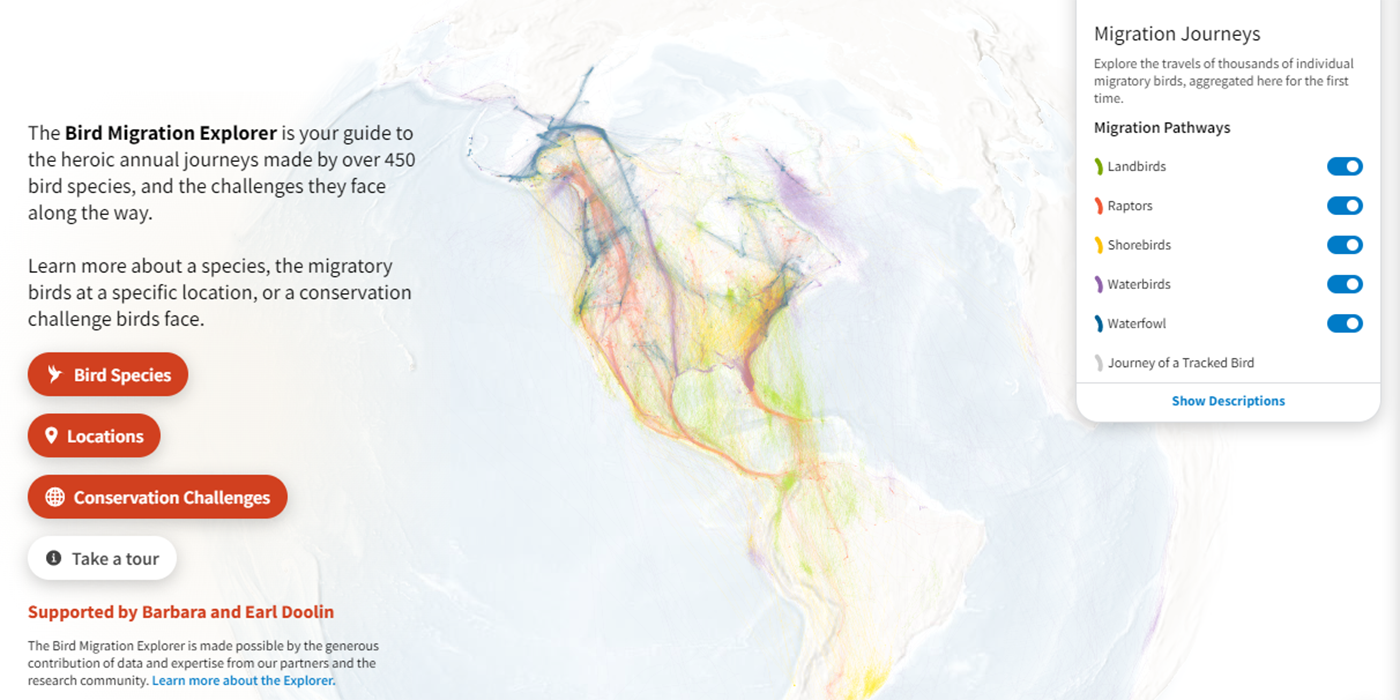
Credit: nationalzoo.si.edu
Frequently Asked Questions
How Can I Help Birds During Migration Season?
You can help birds by providing fresh water and food in your yard. Plant native trees and shrubs to offer shelter. Avoid using pesticides that harm insects birds eat. Create safe resting spots by keeping cats indoors. Supporting local bird conservation groups also makes a difference.
What Foods Are Best For Migratory Birds?
Offer high-energy foods like seeds, nuts, and suet. Berries and fruits are also nutritious during migration. Avoid bread or processed foods as they provide little nutrition. Fresh water is essential for hydration. Seasonal fruits native to your area help birds refuel effectively.
When Is The Peak Time For Bird Migration?
Peak migration occurs in spring and fall. Spring migration usually happens from March to May. Fall migration generally spans August to November. These periods vary by region and species. Providing support during these times helps birds complete their journey safely.
Why Do Birds Need Help During Migration?
Birds face exhaustion, lack of food, and habitat loss. Urban areas reduce natural resting spots. Weather changes and predators increase risks. Human support can improve their survival chances. Providing food, water, and safe habitats aids their long trips.
Conclusion
Helping birds during migration benefits both nature and us. Simple actions make a difference. Plant native trees and shrubs. They offer food and shelter. Reduce window collisions with decals or screens. Turn off unnecessary lights at night. These steps create a safer journey for birds.
Every effort counts in protecting our feathered friends. Encourage others to join in these efforts. Together, we can support birds on their long journeys. Celebrate their safe travels and return. Embrace nature's wonders right in our backyards. Let's be mindful and caring stewards of our environment.


