How Do Bird Bath Fountains Work: What You Should Know
Have you ever wondered how bird bath fountains keep water flowing so smoothly and attract birds to your garden? Understanding how these fountains work can help you create a beautiful, inviting space for your feathered friends.
You’ll discover the simple mechanics behind bird bath fountains and learn how to maintain them for the best results. By the end, you’ll have the know-how to turn your backyard into a peaceful haven that birds love to visit. Keep reading to unlock the secrets of these charming garden features!
Credit: www.homedepot.com
Basic Components
Bird bath fountains have a few key parts that help water flow and keep birds happy. Each part works together to create a gentle water stream.
Understanding these components helps you maintain the fountain and keep it working well.
Water Basin
The water basin holds the water for the bird bath fountain. It is usually shallow to allow birds to drink and splash safely.
Basins come in many materials like stone, ceramic, or plastic. They collect water that the pump sends back up.
Pump Mechanism
The pump moves water from the basin up to the top of the fountain. It creates the flow that birds enjoy.
Pumps are usually small and hidden inside the basin or under the fountain. They push water in a continuous cycle.
- Draws water from the basin
- Pushes water through a tube or pipe
- Creates a gentle water stream or spray
Power Source
The power source runs the pump. Most bird bath fountains use electricity from an outlet or solar power.
Electric pumps need a cord and plug. Solar pumps have small panels that collect sunlight to work.
- Electric power requires a nearby outlet
- Solar power works without cords
- Battery-powered options are rare but possible

Credit: www.amazon.com
Water Circulation Process
Bird bath fountains keep water moving to stay fresh and clean. The water circulation process uses a pump to move water continuously. This helps prevent stagnation and attracts birds.
Understanding how water flows through the fountain helps in maintaining it properly. The process has three main parts: water intake, flow and movement, and water return.
Water Intake
The water intake is where the fountain pulls water from the basin. A small pump usually sits below the water level to draw water in. This pump starts the circulation by pushing water through the system.
Flow And Movement
After water is taken in, it moves through pipes or tubes inside the fountain. The pump pushes water up to the top or center where it spills out. This movement creates a gentle flow that attracts birds and keeps water fresh.
- Pump pushes water upward
- Water flows through spouts or nozzles
- Water falls back into the basin
- Continuous flow prevents algae growth
Water Return
| Part | Function |
|---|---|
| Basin | Collects water after flow |
| Return Path | Directs water back to the pump |
| Pump | Pulls water back in to restart cycle |
The water return brings the water back to the basin, where the pump can pull it in again. This cycle repeats continuously, ensuring the water stays moving and clean.
Types Of Bird Bath Fountains
Bird bath fountains add fresh water and movement to your garden. They attract birds and keep water clean. Different types work in various ways to suit your needs.
Choosing the right type depends on power source and design. Here are three common types of bird bath fountains.
Solar-powered Fountains
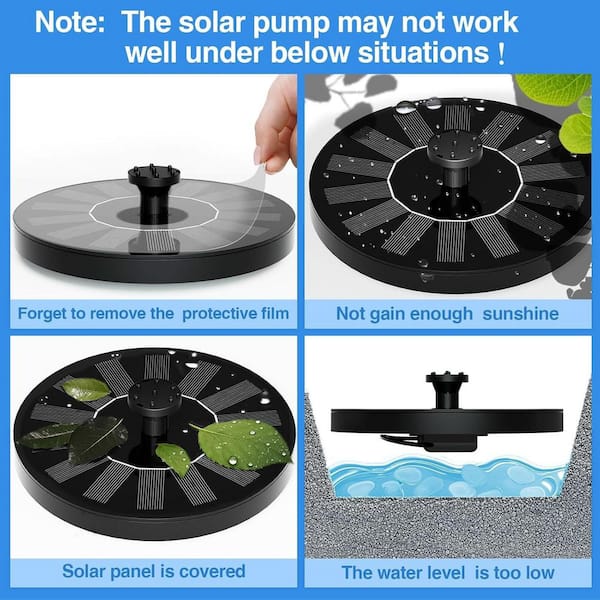
Solar-powered fountains use sunlight to work. A small solar panel powers a pump that moves water. They are eco-friendly and easy to install.
These fountains work best in sunny spots. They stop when it is dark or cloudy. Some models have battery backups for night use.
- No electricity needed
- Easy to place anywhere with sunlight
- Low maintenance and quiet operation
- Water flow depends on sunlight strength
Electric-powered Fountains
Electric-powered fountains plug into an outlet for constant power. A pump circulates water steadily for birds to drink and bathe.
They work well indoors or outdoors and during all weather. You must place them near an electrical source or use outdoor-rated extension cords.
- Runs all day and night
- Consistent water flow
- Requires nearby electrical outlet
- May use more energy than solar
Gravity-fed Designs
Gravity-fed fountains use water pressure from a raised reservoir. Water flows down naturally without pumps or power. They rely on gravity to move water.
These fountains need a higher water source to work. They are simple, quiet, and have no electric parts. Water flow depends on the height of the reservoir.
- No power or pumps needed
- Works quietly and reliably
- Requires elevated water source
- Water flow changes with water level
Benefits For Birds
Bird bath fountains help birds in many ways. They provide water and a safe place to drink and bathe.
These fountains keep water moving, which is good for birds and keeps the water clean.
Attracting Wildlife
Bird bath fountains attract different kinds of birds. The sound and movement of water catch their attention.
Birds come to the fountain to drink and bathe, making your garden lively with wildlife.
- Moving water is easier for birds to find
- Fountains attract birds even in dry areas
- They invite many bird species to visit
Providing Clean Water
Bird bath fountains keep water fresh by circulating it. This stops the water from getting dirty or stagnant.
Clean water helps prevent diseases that can harm birds.
- Circulating water stays fresher longer
- Less chance of harmful bacteria growth
- Birds avoid drinking dirty water
Supporting Bird Health
Bathing helps birds keep their feathers clean and strong. It also helps them cool down on hot days.
Water fountains give birds a safe place to drink and bathe. This supports their overall health.
- Clean feathers protect birds from cold and rain
- Bathing removes dirt and parasites
- Easy access to water supports hydration
Maintenance Tips
Keeping your bird bath fountain clean helps birds stay healthy. Proper care also keeps the fountain working well. Regular maintenance stops problems before they start.
Follow simple steps to maintain your bird bath fountain. This guide covers regular cleaning, pump care, and seasonal changes.
Regular Cleaning
Clean your bird bath fountain often to remove dirt and algae. Dirty water can harm birds and damage the fountain parts.
- Empty the water completely before cleaning.
- Use a soft brush to scrub the basin and fountain parts.
- Rinse well with fresh water to remove cleaning residue.
- Refill with clean water after drying.
- Clean at least once a week in warm weather.
Pump Care
The pump moves water and keeps it fresh. Check the pump regularly for clogs and damage.
| Task | Frequency | Details |
|---|---|---|
| Unplug the pump | Before cleaning | Always disconnect power for safety. |
| Remove debris | Weekly | Clear leaves and dirt from intake and filters. |
| Inspect parts | Monthly | Look for cracks or worn pieces and replace if needed. |
| Lubricate moving parts | As needed | Use water-safe lubricant to keep the pump running smoothly. |
Seasonal Adjustments
Change your care routine with the seasons. Protect your fountain in cold weather and adjust water flow in hot months.
- In winter, drain and store the pump indoors to avoid freezing.
- Cover the fountain or bring it inside during harsh weather.
- In summer, check water levels daily to prevent drying.
- Adjust the pump flow to create a gentle water stream for hot days.
- Remove ice carefully if the fountain freezes to avoid damage.

Credit: www.amazon.com
Design Inspirations
Bird bath fountains add beauty and life to outdoor spaces. Their design often draws from nature and art.
Different styles fit various garden themes. Each design creates a unique look and feel.
Natural Stone Styles
Natural stone bird bath fountains blend well with gardens. They use stones like granite or slate.
The rough texture and earthy colors make the fountain look like part of the landscape. Water flows softly over the stones.
- Uses real or faux stone materials
- Colors range from gray to brown
- Shapes often imitate rocks or pebbles
- Creates a calm, natural vibe
Modern Minimalist
Modern minimalist bird bath fountains have clean lines and simple shapes. They use smooth materials like metal or ceramic.
These fountains focus on function and style. Water often flows in straight or geometric patterns.
- Simple shapes like circles or squares
- Neutral colors such as black, white, or gray
- Minimal decoration for a sleek look
- Fits well in contemporary gardens
Rustic And Vintage
Rustic and vintage fountains bring charm and nostalgia. They often use weathered wood, metal, or stone.
These designs may have antique finishes or old-fashioned shapes. Water trickles gently for a peaceful sound.
- Materials show signs of age and wear
- Decorative details like carvings or patina
- Soft, warm colors like brown and green
- Perfect for cottage or farmhouse gardens
Frequently Asked Questions
How Do Bird Bath Fountains Circulate Water?
Bird bath fountains use a small pump to move water continuously. This circulation prevents stagnation and keeps water fresh for birds. The pump draws water from the basin and pushes it through the fountain’s spout or nozzle, creating a gentle flow or spray.
Why Are Bird Bath Fountains Beneficial For Birds?
Fountains provide clean, moving water that attracts birds. Flowing water helps prevent mosquito breeding and keeps the bath hygienic. Birds prefer fresh water for drinking and bathing, making fountains a valuable addition to any garden.
What Powers A Bird Bath Fountain?
Most bird bath fountains are powered by electric pumps connected to household outlets. Some models use solar panels, harnessing sunlight for energy. Both options provide efficient and eco-friendly ways to keep water flowing without manual refilling.
How Often Should I Clean A Bird Bath Fountain?
Clean your bird bath fountain at least once a week. Regular cleaning prevents algae buildup and removes debris that can harm birds. Use mild soap and water, then rinse thoroughly before refilling to maintain a healthy environment.
Conclusion
Bird bath fountains bring life to gardens. Birds love the moving water. It attracts them for a quick drink or a splash. The gentle sounds of water add peace to your space. Simple maintenance keeps fountains working well. It’s easy to enjoy watching birds visit.
Choose a design that fits your garden style. Enjoy the beauty and tranquility it brings. Bird bath fountains are a great addition. They enhance your outdoor experience. Watching birds is fun and calming. Embrace nature right in your backyard. Let the soothing sounds and lively birds be your daily joy.