Have you ever wondered how birds find your feeders so quickly, almost as if they know exactly where to go? If you’ve placed a feeder in your yard, you might be curious about what draws these feathered visitors right to your doorstep.
Understanding this can help you attract more birds and enjoy their colorful presence every day. You’ll discover the surprising ways birds spot feeders and how you can use simple tricks to make your feeder the hottest bird hangout in the neighborhood.
Ready to unlock the secrets behind your bird guests’ amazing navigation skills? Keep reading!
Credit: www.allaboutbirds.org
Birds’ Natural Navigation Skills
Birds have amazing skills to find their way and locate feeders. They use natural tools in their environment. These skills help them travel long distances and find food easily.
Understanding how birds navigate helps us learn more about their behavior. They rely on landmarks, the sun and stars, and the Earth’s magnetic field to guide them.
Using Landmarks And Terrain
Birds remember shapes and patterns in the land. Hills, rivers, and buildings help them find feeders. They use these landmarks like a map to guide their flight.
- Birds notice large objects like trees and lakes.
- They follow roads and rivers to stay on course.
- Birds use familiar places to rest and feed.
- Changes in terrain can confuse young birds.
Sun And Stars As Guides
Birds use the sun during the day to find direction. At night, stars help them navigate. They can tell time by the sun’s position to keep on track.
| Time | Guide Used | How It Helps |
| Day | Sun | Birds see the sun’s position to head the right way. |
| Night | Stars | Birds look at star patterns to find direction. |
Magnetic Field Sensitivity
Birds can sense the Earth’s magnetic field. This helps them know north, south, east, and west. Their brains have special cells that detect this invisible force.
Key facts about magnetic field sensing in birds:
- Magnetoreceptors in the beak or eye detect magnetic signals.
- Birds use this sense for long-distance migration.
- It helps them correct their path if they lose visual cues.
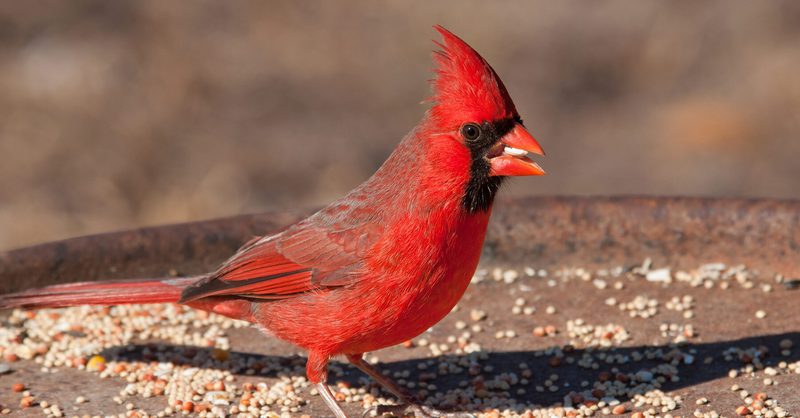
Credit: birdfact.com
Visual Cues Attracting Birds
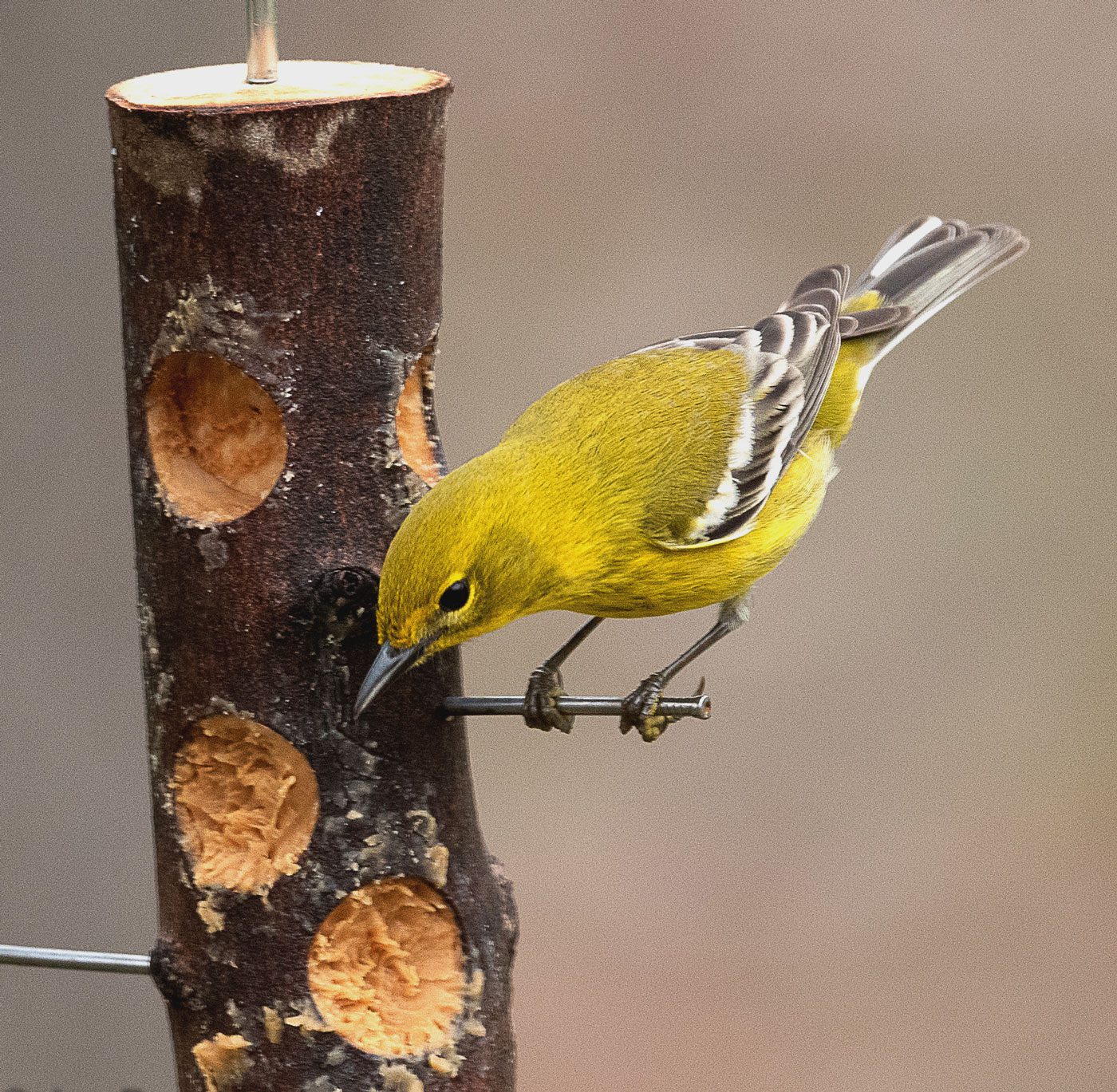
Birds use their sharp vision to find food sources. Feeders with clear visual signals help birds locate them easily.
These visual cues include color, shape, movement, and patterns. Each plays a role in drawing birds to feeders.
Color And Shape Of Feeders
Bright colors like red and yellow attract many bird species. These colors stand out against natural backgrounds.
Shapes that resemble flowers or natural food sources also help birds recognize feeders. Simple shapes work best.
- Red and yellow colors draw hummingbirds and finches
- Round shapes look like fruit or flowers
- Clear feeders show the food inside to attract birds
Movement And Reflection Effects
Birds notice small movements and reflections near feeders. These effects signal fresh food or water.
Wind can cause feeder parts to move or shimmer, catching a bird’s attention from far away.
- Dangling parts create motion to attract birds
- Reflective surfaces shine in sunlight
- Light flashes imitate water or insects
Patterns And Contrasts
Birds see patterns and contrasts clearly. These help feeders stand out from the background.
High contrast colors or bold patterns catch a bird’s eye and guide them to food.
- Striped or spotted patterns attract attention
- Dark colors next to light colors create sharp edges
- Contrasts mimic natural shapes like flowers or seeds
Role Of Scent And Sound
Birds use many senses to find food. Two important ones are scent and sound. These senses help birds locate feeders even from far away.
Understanding how birds use smell and hearing can help us create better feeding spots. This makes it easier for birds to find food and stay healthy.
Olfactory Abilities In Birds
Many birds have a strong sense of smell. They use this to find food hidden in leaves or under snow. Some birds can detect the scent of seeds or nectar.
- Vultures use smell to find dead animals.
- Petrels locate fish by scent over the ocean.
- Some songbirds can smell ripe fruits and seeds.
- Birds near feeders may recognize the smell of seed mixes.
Call And Chirp Communication
Birds make calls and chirps to talk to each other. These sounds can warn about danger or show where food is. Birds often follow calls to find feeders.
- Birds call to signal food nearby.
- Chirps help keep flocks together.
- Some birds learn feeder locations by listening.
- Calls can attract other birds to the same feeder.
Sounds From Feeders
Feeders make sounds when birds eat. These sounds can attract more birds. The noise of seeds dropping or birds pecking is a clue for others.
| Sound Type | How It Helps Birds |
| Seed dropping | Signals fresh food is available |
| Bird pecking | Shows active feeding spots |
| Movement noises | Alerts other birds to feeder presence |
Learning And Memory In Birds
Birds use learning and memory to find food sources like feeders. They remember places where they found food before. This skill helps them survive in the wild.
Birds also watch others to learn where to feed. Their habits form from repeated visits to good feeding spots. These behaviors show how smart birds can be.
Remembering Feeder Locations
Birds use their memory to find feeders they visited before. They remember landmarks near feeders to help them return. This ability saves time and energy.
Some birds can recall feeder locations for weeks. They use visual cues like trees or buildings to guide them. Strong memory helps birds find food during tough times.
Social Learning From Other Birds
Birds watch other birds to learn about feeders. If one bird finds food, others follow it. This sharing of information is called social learning.
Young birds often learn from older birds. They copy feeding spots and behaviors. This helps them find food without much trial and error.
Habit Formation
Birds develop habits by visiting feeders regularly. Repeated visits make finding food easier and faster. Habits help birds remember the best feeding times.
Once a habit forms, birds return to feeders even if food is scarce. Habits guide their daily routines and feeding success.
Environmental Influences
Birds find feeders by using natural cues from their environment. These cues change with seasons, weather, and habitat types. Understanding these factors helps explain how birds locate food sources.
Environmental influences affect bird behavior and movement. These changes impact how and when birds search for feeders in different areas.
Seasonal Changes And Migration
Birds adjust their feeding habits based on the season. Migration causes many birds to travel long distances to find food. They often remember feeder locations along their routes.
- Spring and fall trigger migration for many species
- Winter scarcity makes feeders important food sources
- Summer offers natural food, so feeders may be less visited
- Birds use daylight length to time their feeding and migration
Weather Impact On Foraging
Weather affects how birds search for food. Rain, wind, and temperature influence their activity levels and flight paths. Birds may rely more on feeders during bad weather.
| Weather | Effect on Bird Feeding |
| Rain | Reduces natural food availability, increases feeder visits |
| Wind | Makes flying harder, birds stay near feeders |
| Cold | Birds need more energy, rely on feeders |
| Heat | Birds feed less during hot parts of day |
Habitat And Urban Settings
Birds living in different habitats find feeders in unique ways. Urban birds use landmarks and human activity to locate food. Rural birds depend more on natural features.
Ways birds find feeders based on habitat:
- Urban areas:Birds watch for people and noise near feeders.
- Woodlands:Birds use tree lines and clearings to spot feeders.
- Open fields:Birds rely on visual cues like shapes and colors.
Tips To Make Feeders More Visible
Birds use sight and memory to find feeders. Making your feeder easy to spot helps birds visit more often.
Bright colors and good placement catch birds’ attention. Clean feeders with fresh food keep birds coming back.
Choosing The Right Colors
Birds see colors differently than humans. Red and yellow stand out well to many birds. These colors attract hummingbirds and finches.
Avoid dull or dark colors that blend into the background. Bright colors make feeders easier to find from far away.
- Use red, yellow, or orange on feeders
- Paint parts of the feeder bright colors
- Match colors to the types of birds in your area
Placement Strategies
Place feeders where birds can easily see them. Open spaces near trees or bushes work well. Birds like safe places to perch nearby.
Avoid placing feeders too close to windows or busy areas. Too much noise or movement can scare birds away.
- Put feeders near natural cover like shrubs or trees
- Keep feeders away from windows to prevent collisions
- Choose spots with good sunlight to highlight the feeder
- Place feeders at different heights to attract various birds
Maintaining Cleanliness And Fresh Food
Clean feeders often to prevent mold and bacteria. Dirty feeders can make birds sick and stop visits.
Replace old or wet food regularly. Fresh seeds and nectar attract more birds and keep them healthy.
- Wash feeders with warm soapy water every two weeks
- Rinse feeders well to remove soap residue
- Throw away moldy or wet seeds immediately
- Refill nectar feeders every three days in hot weather

Credit: www.allaboutbirds.org
Frequently Asked Questions
How Do Birds Locate Feeders From Afar?
Birds use their sharp vision to spot feeders from a distance. They recognize shapes, colors, and movements near feeders. Brightly colored feeders or those placed near natural landmarks attract birds easily.
What Role Does Scent Play In Finding Feeders?
Birds rely mainly on vision, not scent, to find feeders. Most birds have a limited sense of smell. Visual cues like feeder color and seed visibility are more important for attracting birds.
Do Birds Learn Feeder Locations Over Time?
Yes, birds remember feeder locations and return regularly. Once they find a reliable food source, they share information with others. This helps establish a consistent visiting pattern at feeders.
Can Feeder Placement Affect How Birds Find Them?
Absolutely, placing feeders in open, visible areas helps birds find them quickly. Avoid dense foliage where feeders are hidden. Position feeders near natural bird habitats for better visibility and access.
Conclusion
Birds find feeders through sight and sound. Their sharp eyes spot bright colors. Familiar sounds, like rustling leaves, attract them too. Placing feeders in visible spots helps. Regular refilling builds trust. Birds remember safe feeding places. Different seeds attract different birds.
Sunflower seeds, for example, lure many species. Patience is key. Birds may take time to find new feeders. Once they do, they return often. Enjoy watching these feathered friends. Their visits bring nature’s beauty closer. Keep feeders clean for healthy birds.
With time, you’ll witness a lively avian community. Happy bird watching!