Have you ever wondered how birds manage to fly over towering mountains without getting tired or lost? It might seem impossible for something so small to cross such huge obstacles.
But birds have amazing tricks and special skills that help them glide through mountain air with ease. You’ll discover the secrets behind their incredible journeys and learn how they navigate these giant natural barriers. Keep reading, and you’ll see the mountain from a bird’s eye view like never before.

Credit: www.youtube.com
Challenges Birds Face In Mountains
Birds that live or travel through mountains face many difficulties. The mountain environment is harsh and can be dangerous.
These challenges test the strength and skill of birds as they fly or move through high places.
Thin Air And Low Oxygen
At high altitudes, the air is thin and contains less oxygen. Birds must breathe faster and use oxygen well to survive.
- Birds have larger lungs to absorb more oxygen.
- Some have more red blood cells to carry oxygen better.
- They can slow down their body functions to save energy.
Extreme Weather Conditions
Mountains have sudden weather changes. Birds must be ready for cold, wind, rain, and snow.
| Weather Type | Effect on Birds |
| Cold | Needs extra body heat |
| Strong Wind | Makes flying harder |
| Rain | Can soak feathers and add weight |
| Snow | Limits food and shelter |
Rugged Terrain
Mountain terrain is rocky and steep. Birds must find safe places to land and build nests.
Birds use these ways to handle rough land:
- Strong claws to grip rocks
- Light bodies to fly through narrow spaces
- Nests hidden in small crevices for safety
Physical Adaptations For High Altitudes
Birds that fly over mountains face thin air and cold temperatures. They need special body features to survive.
These adaptations help them breathe, save energy, and fly strong in tough conditions.
Specialized Respiratory Systems
Birds use unique lungs and air sacs that give more oxygen than normal lungs. This helps them breathe well in thin air.
- Extra air sacs store oxygen
- Lungs keep air flowing one way
- High blood oxygen levels support muscles
Efficient Energy Use
Birds save energy by using fat as fuel. They also lower their heart rate to use less oxygen.
| Energy Source | Benefit |
| Fat | More energy per gram |
| Muscle Efficiency | Less oxygen needed |
| Heart Rate | Slower beats save oxygen |
Strong Wing Muscles
Birds have strong muscles to beat wings hard. This power lifts them in thin air and against wind.
Key wing muscle traits:
- Large size for strong flapping
- High endurance for long flights
- Fast recovery after hard work
Behavioral Strategies For Survival
Birds living near mountains face many challenges. Cold weather and thin air make survival hard.
They use special behaviors to stay safe and find food. These strategies help them live through tough times.
Seasonal Migration Patterns
Many mountain birds fly to warmer places during cold months. They travel long distances to find food and shelter.
Migration helps birds avoid harsh winter conditions. They return to the mountains when weather improves.
- Fly to lower elevations or warmer regions
- Use landmarks and the sun to navigate
- Travel in groups for safety
Nest Building In Sheltered Spots
Birds build nests in protected places to stay safe from wind and cold. They choose spots that block harsh weather.
Some birds use natural covers like rocks or dense bushes. Others build nests deep inside trees or caves.
- Use thick materials for insulation
- Place nests away from predators
- Build nests where sun can warm them
Foraging Techniques In Harsh Environments
Finding food in mountains is tough. Birds change how they search for food based on the season.
They look for insects under rocks, seeds on the ground, or small animals hiding in crevices. Some birds store food for winter.
- Search in different places during cold months
- Use sharp beaks to get hidden food
- Eat a mix of plants and animals
Navigation Skills In Mountainous Regions
Birds face many challenges flying over mountains. They use special skills to find their way. These skills help them avoid getting lost in rough terrain.
Understanding how birds navigate mountains shows us their amazing abilities. They use landmarks, magnetic fields, and senses to guide their flight.
Use Of Landmarks And Terrain
Birds recognize natural landmarks like peaks, valleys, and rivers. These features help them create mental maps. They remember shapes and patterns in the landscape.
- Mountain peaks serve as visual anchors.
- Rivers guide birds along valleys.
- Forests and cliffs mark flight paths.
- Open areas help birds spot their route.
Magnetic Field Detection
Birds sense Earth’s magnetic field to find direction. Special cells in their bodies detect magnetic signals. This helps them stay on course over mountains.
| Type of Magnetoreceptor | Function |
| Magnetite-based cells | Detect magnetic strength and direction |
| Cryptochrome proteins | Sense magnetic fields through light reactions |
| Iron-rich cells in beak | Help with precise navigation |
Visual And Auditory Cues
Birds use sight and hearing to navigate mountains. They watch the sun, stars, and shadows. They listen for sounds from other birds or wind patterns.
Common visual and auditory cues birds rely on:
- Sun position during the day
- Star patterns at night
- Echoes from mountain walls
- Calls of other birds signaling safe routes
Examples Of Mountain-dwelling Birds
Birds that live in mountains have special ways to survive. They handle cold weather and thin air well.
These birds use strong wings and sharp eyes to move through rocky areas and find food.
Himalayan Griffon Vulture
The Himalayan Griffon Vulture is a large bird found in the high mountains of Asia. It soars high to search for food.
This vulture can fly for many hours using warm air currents. Its strong wings help it glide over steep cliffs.
Andean Condor
The Andean Condor lives in the Andes Mountains of South America. It has a wide wingspan to catch the wind.
This bird uses thermal air currents to fly without much effort. It can reach great heights to cross mountain peaks.
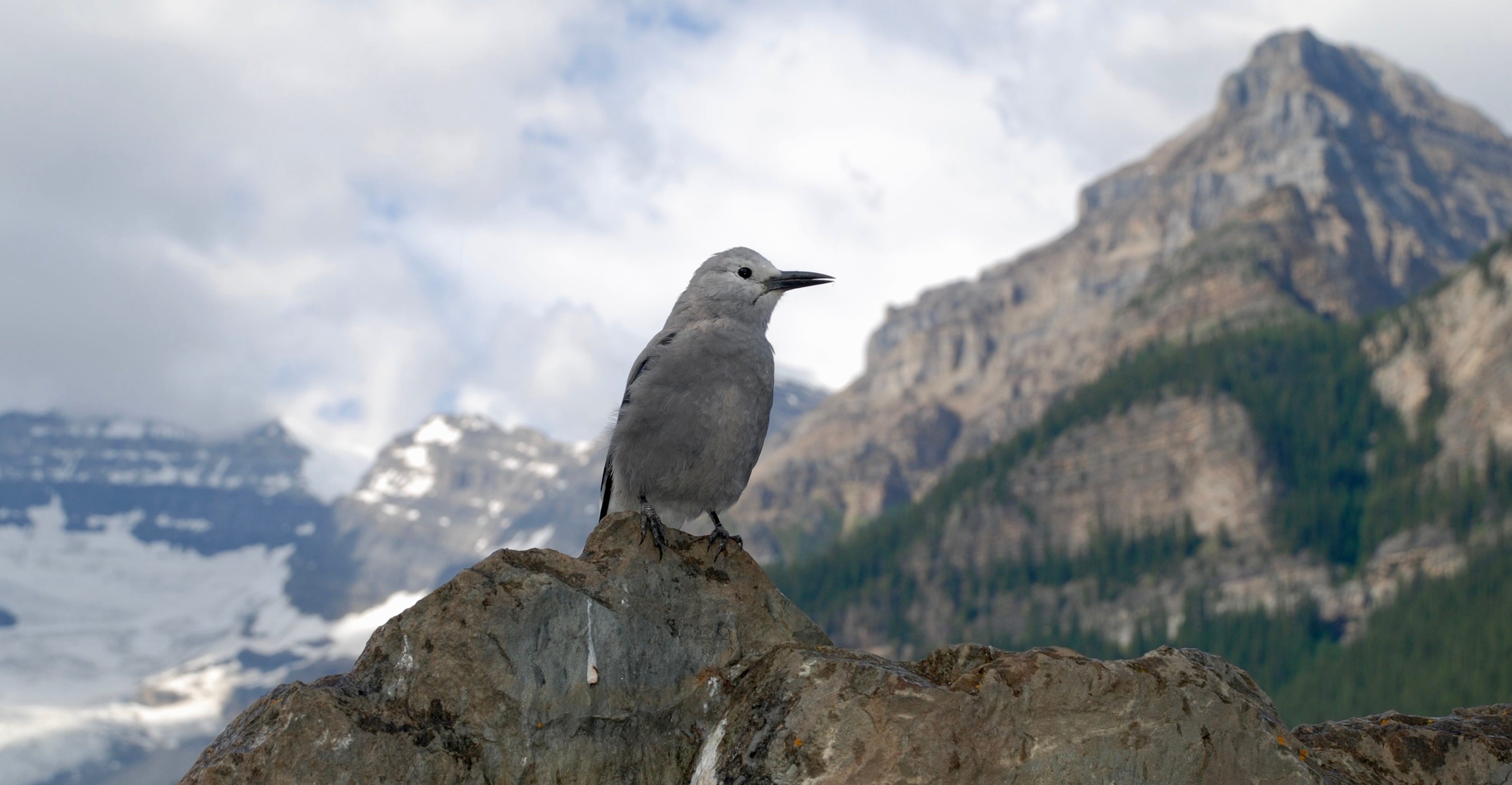
Snow Partridge
The Snow Partridge lives at high altitudes in the Himalayas. It stays close to the ground among rocks and snow.
This bird walks well on rough terrain. Its feathers keep it warm in cold mountain weather.
Credit: medium.com
Human Impact On Mountain Bird Survival
Mountain birds face many challenges to survive. Humans affect their homes and food sources. Understanding these effects helps protect these birds.
This article looks at how habitat loss, pollution, climate change, and conservation affect mountain birds.
Habitat Loss And Pollution
Human activities cut down forests and build roads. This destroys the natural homes of mountain birds. Pollution from farms and factories harms water and air quality.
- Deforestation removes nesting sites
- Roads split bird territories
- Pollutants poison food and water
- Trash attracts predators
Climate Change Effects
Rising temperatures change mountain weather. Birds must move to higher areas to find cool places. Some birds lose food sources as plants and insects shift or disappear.
| Climate Change Impact | Effect on Birds |
| Warmer temperatures | Birds move higher for cooler air |
| Changing snowfall | Less water, fewer plants |
| Shift in insect life cycles | Less food during breeding season |
| More storms | Damaged nests and habitats |
Conservation Efforts
People work to save mountain birds by protecting habitats and reducing pollution. Laws help limit cutting forests and control harmful chemicals.
Conservation actions include:
- Creating protected areas for birds
- Restoring damaged habitats
- Monitoring bird populations
- Educating communities about bird safety
Credit: www.featheredphotography.com
Frequently Asked Questions
How Do Birds Navigate Mountain Terrain?
Birds use visual landmarks and the Earth’s magnetic field to navigate mountains. They rely on strong flight muscles and keen eyesight to maneuver safely through rugged landscapes.
What Adaptations Help Birds Fly Over Mountains?
Birds have strong wings and efficient respiratory systems. These adaptations provide high stamina and oxygen intake for flying at high altitudes.
How Do Birds Find Food In Mountainous Areas?
Birds locate food by using sharp vision and memory of feeding spots. They eat insects, seeds, or small animals found in mountain habitats.
Can All Birds Fly Over Mountains?
Not all birds can fly over mountains. Species adapted to high altitudes manage better, while others avoid flying over steep or high terrains.
Conclusion
Birds navigate mountains with skill and instinct. Their wings adjust to wind patterns, allowing smooth flight. They follow familiar paths, using landmarks for guidance. Birds know when to rest and refuel. Their journey requires patience and perseverance. Mountains may seem like barriers, but birds see them as challenges.
Nature equips them with the tools they need. Observing birds teaches us about resilience and adaptability. These creatures remind us that obstacles can be overcome. The beauty of their flight inspires awe. Birds show us the way, one wingbeat at a time.
Nature’s wonders never cease to amaze.