
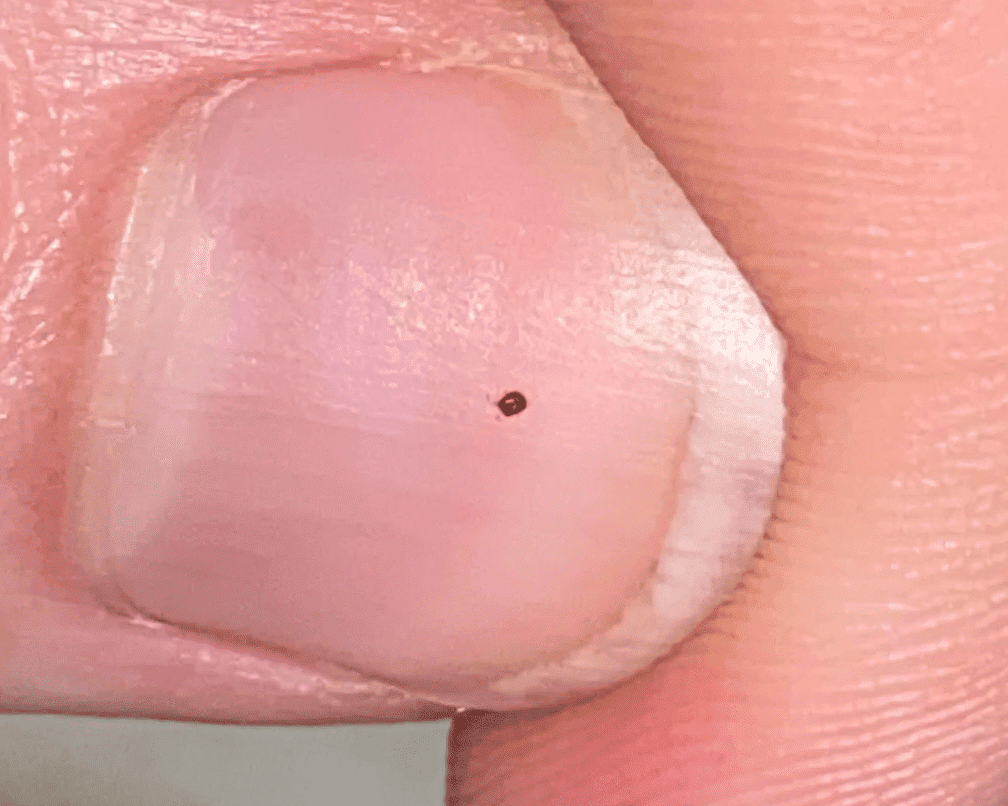
Have you ever wondered how long bird mites can live and what that means for your home or garden? These tiny creatures can cause big problems if they stick around too long.
Understanding their lifespan is key to knowing how to protect yourself and your space. You’ll discover exactly how long bird mites survive, why they choose certain places, and what you can do to keep them away for good. Keep reading—you’ll find simple, practical answers that make dealing with bird mites much easier.
Bird Mite Basics
Bird mites are tiny creatures that live on birds. They can sometimes bite humans.
These mites do not live long without a bird host. Learning about them helps control problems.
What Are Bird Mites
Bird mites are small parasites that feed on bird blood. They are so tiny you can barely see them.
They usually live in bird nests and move to humans only if birds leave. Bird mites can cause itching.
Common Species
Several types of bird mites exist. Some species prefer certain birds or environments.
- Ornithonyssus sylviarum – known as the northern fowl mite
- Ornithonyssus bursa – called the tropical fowl mite
- Dermanyssus gallinae – also called the red poultry mite
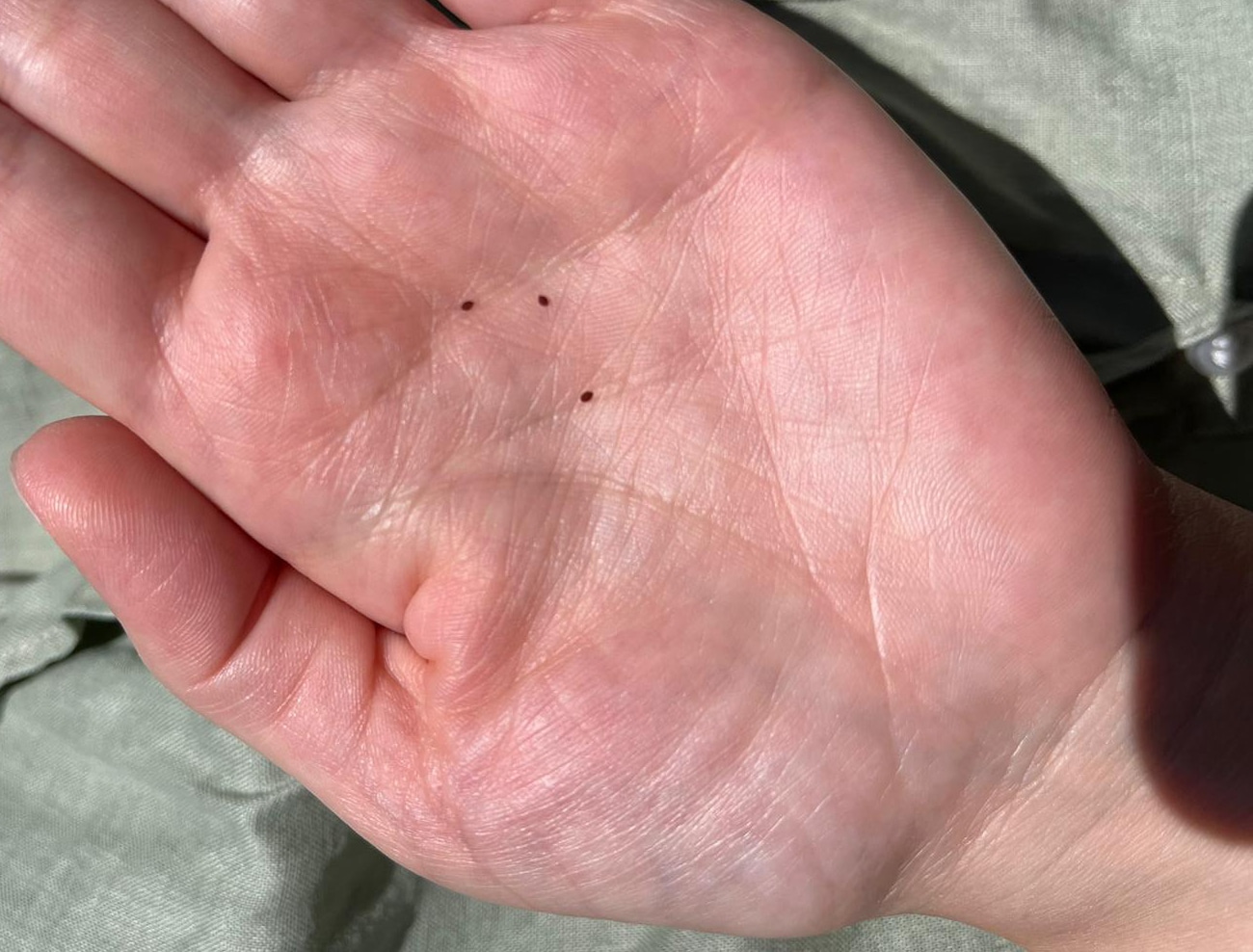
Credit: www.bedbugbarrier.com.au
Lifespan Of Bird Mites
Bird mites are tiny parasites that feed on birds and sometimes bite humans. Understanding how long they live helps control their presence.
The lifespan of bird mites depends on several conditions like temperature and food availability.
Average Lifespan
Bird mites usually live between 2 to 3 weeks. This is the time from egg to adult death.
Adult bird mites can survive for about 1 to 2 weeks without feeding if needed.
Factors Influencing Lifespan
Several factors affect how long bird mites live. These include temperature, food source, and humidity.
- Temperature:Warmer temperatures speed up their life cycle.
- Food Availability:Access to birds or animals extends their survival.
- Humidity:High humidity helps mites stay active longer.
- Environment:Clean areas without hosts reduce their lifespan.
Life Cycle Stages
Bird mites have a short life cycle that helps them multiply fast. Understanding their stages helps control them better.
The life cycle has three main stages: egg, larva and nymph, and adult. Each stage lasts a few days.
Egg Stage
Bird mites begin life as tiny eggs. Females lay eggs in cracks near bird nests or where birds live.
The eggs are small, oval, and white. They hatch in about 2 to 3 days depending on temperature.
Larva And Nymph Stages
After hatching, the larva appears. It has six legs and does not feed much.
- Larva stage lasts 1 to 2 days.
- It molts into the first nymph stage.
- There are two nymph stages, each lasting 2 to 3 days.
- Nymphs have eight legs and feed on blood.
The larva and nymph stages together take about 6 to 8 days to complete.
Adult Stage
Adult bird mites have eight legs and are tiny, about 0.5 mm long.
| Stage | Duration | Key Features |
| Egg | 2-3 days | Small, white, hatch to larva |
| Larva | 1-2 days | Six-legged, non-feeding |
| Nymph | 4-6 days | Eight-legged, blood feeding |
| Adult | Up to 2 weeks | Reproduce and feed on blood |
Adults live about one to two weeks. Females lay many eggs during this time.
Environmental Impact On Survival
Bird mites depend on their environment to live and grow. The conditions around them affect how long they survive.
Changes in temperature, humidity, and host presence can shorten or extend their life span.
Temperature Effects
Bird mites live best in warm temperatures. If it gets too cold, they become inactive and die sooner.
- Optimal temperature is between 70°F and 90°F (21°C to 32°C).
- Below 50°F (10°C), mites slow down and may die within days.
- Above 95°F (35°C), they may die quickly due to heat stress.
Humidity Requirements
Bird mites need a certain level of moisture in the air to survive. Dry air can kill them faster.
| Humidity Level | Effect on Bird Mites |
| Below 40% | High death rate, mites dry out quickly |
| 40% – 70% | Optimal survival and reproduction |
| Above 70% | Good survival but risk of mold growth |
Host Availability
Bird mites feed on bird blood. Without birds or hosts, their survival time drops sharply.
Key facts about host availability and mite survival:
- Mites can live 1-2 weeks without a host.
- They find new hosts by crawling or flying short distances.
- Without a host, mites lose energy and die faster.
Signs Of Bird Mite Infestation
Bird mites are tiny bugs that can cause problems in homes. They often come from birds that nest nearby. It is important to spot signs of an infestation early.
Knowing the signs helps you act quickly to stop the mites from spreading. Bird mites can bite humans and pets, causing discomfort.
Common Symptoms
Bird mite bites cause itching and red spots on the skin. The bites usually appear in groups or lines. People may feel a burning or stinging sensation.
Other symptoms include irritated skin and small wounds from scratching. Pets may also show signs like scratching and restlessness.
- Itchy red bumps on skin
- Clusters or lines of bites
- Burning or stinging feeling
- Skin irritation and rash
- Pets scratching more than usual
Areas Prone To Infestation
Bird mites often hide where birds build nests. Common places include attics, chimneys, and vents. They can also enter walls and ceilings.
Inside the home, mites gather in bedrooms and living rooms. They like warm and dark places near where people or pets rest.
- Attics and roof spaces
- Chimneys and vents
- Wall cracks and crevices
- Behind baseboards and molding
- Beds, couches, and pet areas
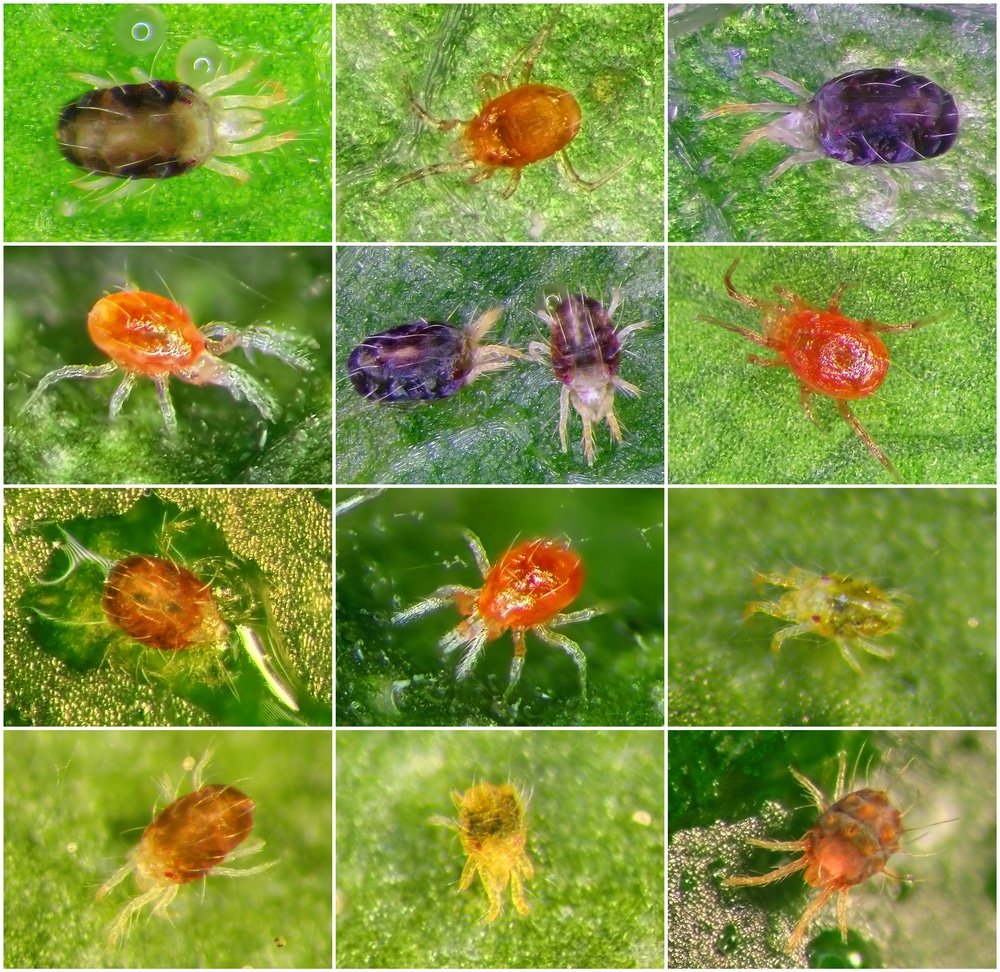
Credit: howtopest.com
Preventing And Controlling Bird Mites
Bird mites are tiny pests that can live on birds and sometimes bite humans. They can survive for a few weeks without a host. Controlling bird mites helps keep your home and family safe.
Preventing bird mite problems requires regular cleaning and sometimes professional help. This stops them from spreading and coming back.
Cleaning And Maintenance Tips
Keep bird mites away by cleaning areas where birds nest. Remove old nests and debris from roofs, vents, and gutters.
Wash bedding, curtains, and clothes often in hot water. This kills any mites hiding there.
- Seal cracks and holes to block birds from entering
- Use vacuum cleaners on carpets and furniture
- Keep your home dry, as mites like moist places
- Check pets for mites and treat them if needed
Professional Treatments
Sometimes cleaning is not enough to stop bird mites. Pest control experts can use safe treatments to remove mites fast.
Professionals know the best sprays and powders to kill bird mites. They also help prevent future infestations.
- Expert inspection to find mite sources
- Use of approved insecticides for bird mites
- Advice on bird-proofing your home
- Follow-up visits to ensure mites are gone

Credit: vermicure.co.uk
Frequently Asked Questions
How Long Do Bird Mites Survive Without A Host?
Bird mites can live up to 2 weeks without a host. They survive by feeding on stored nutrients. However, they need a host to reproduce and complete their life cycle.
What Is The Typical Lifespan Of Bird Mites?
The average lifespan of bird mites is about 2 to 3 weeks. This depends on environmental conditions like temperature and humidity. Warmer, moist environments tend to increase their lifespan.
Can Bird Mites Live Indoors Without Birds?
Yes, bird mites can survive indoors temporarily without birds. They seek alternative hosts like humans or pets. However, they usually die within 1 to 2 weeks without bird hosts.
How Fast Do Bird Mites Reproduce?
Bird mites reproduce quickly, completing their life cycle in 7 to 14 days. Females lay multiple eggs on bird nests or nearby areas. Rapid reproduction causes infestations to grow fast.
Conclusion
Bird mites don’t live long but can be a nuisance. They typically survive up to three weeks without a host. Quick action helps control them. Clean infested areas thoroughly. Remove any bird nests nearby. Use appropriate pest control methods if needed.
Keep your living space clean and bird-free. Regular inspection prevents future infestations. Knowledge about their lifespan aids in managing them. Understanding their habits ensures a healthier home. Stay informed and proactive for peace of mind.



