Bringing a new bird home is exciting, but it also comes with important responsibilities. One of the most crucial steps is knowing how long you should quarantine your new feathered friend.
This simple action can protect your current pets and keep your home safe from hidden illnesses. Wondering why quarantine matters and how to do it right? Keep reading, because the answers could save your bird’s health and give you peace of mind.

Credit: www.youtube.com
Why Quarantine Matters
Quarantining a new bird is important to keep your home safe. It helps stop the spread of diseases. You also protect your other pets and watch the new bird’s health.
Knowing why quarantine matters can help you care for your birds better. It creates a safe space for the new bird to adjust.
Preventing Disease Spread
Birds can carry illnesses that are not always visible. Quarantine helps stop these diseases from spreading to your other birds.
- Keep the new bird in a separate room.
- Use different feeding and cleaning tools.
- Wash your hands before and after handling birds.
- Limit contact between new and existing birds until cleared.
Protecting Existing Pets
Your current pets may have weak immune systems. Quarantine lowers the risk of passing infections to them. It also gives your pets time to stay healthy and strong.
| Risk | Effect on Existing Pets |
| New Bird Infection | Can spread disease quickly |
| No Quarantine | High chance of illness |
| Proper Quarantine | Reduced risk of infection |
Monitoring Bird Health
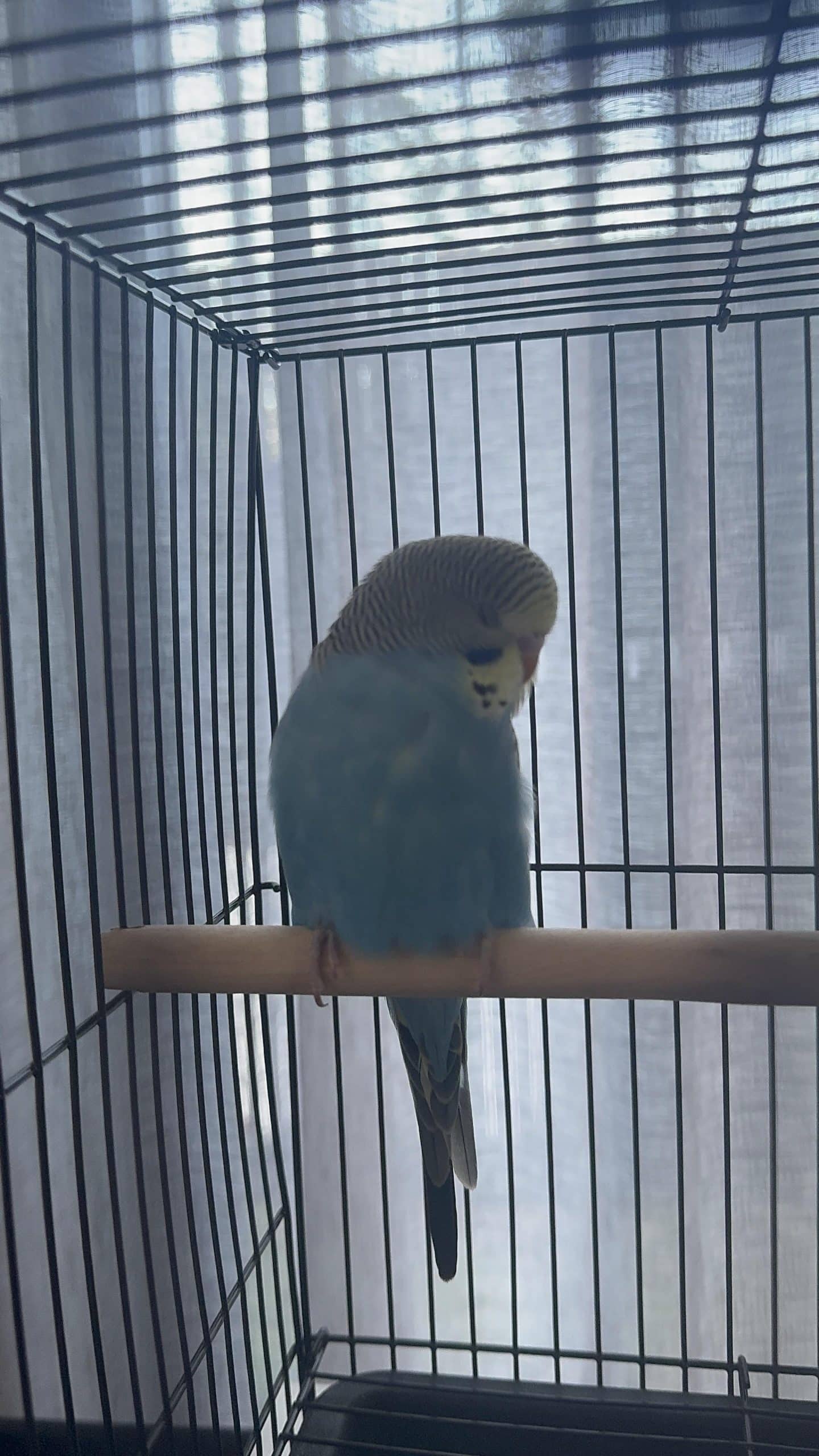
Quarantine lets you watch the new bird closely. You can spot signs of illness early. This helps you get care for the bird fast.
- Loss of appetite
- Fluffed feathers
- Changes in droppings
- Labored breathing
- Unusual behavior

Credit: www.reddit.com
Ideal Quarantine Duration
Quarantining a new bird helps protect your current pets. It stops diseases from spreading. Knowing the right quarantine time is key for bird health.
This guide explains how long to keep a new bird separate. It covers usual times, factors to think about, and when to end quarantine safely.
Standard Time Frames
Most bird experts agree on a common quarantine length. This period is enough to spot signs of illness. It also helps prevent passing infections to other birds.
- Minimum of 30 days is recommended for most birds.
- Some species may need up to 45 days for safety.
- Daily health checks are important during this time.
Factors Affecting Length
The quarantine time can change depending on several things. These affect how long you should keep your new bird separate from others.
| Factor | Effect on Quarantine |
| Species | Some birds need longer quarantine due to disease risks. |
| Age | Young or old birds may require extra care and time. |
| Health History | Unknown or poor health may mean longer quarantine. |
| Exposure Risk | If the bird came from a high-risk environment, extend quarantine. |
Signs To End Quarantine
You can end quarantine if the bird shows no signs of illness. Check for these signs to decide if quarantine can stop safely.
- No sneezing, coughing, or nasal discharge for 10 days.
- Eating and drinking normally every day.
- Active and alert behavior without lethargy.
- Clear droppings without changes in color or consistency.
- Veterinarian check confirms bird is healthy.
Setting Up A Quarantine Space
Quarantining a new bird helps keep your other birds safe. It stops germs from spreading.
Setting up a good quarantine space is very important. It should be clean and quiet.
Choosing The Right Location
Pick a place away from your other birds. This keeps diseases from spreading quickly.
The spot should be calm and have good air flow. Avoid noisy or busy rooms.
- Use a separate room if possible
- Keep the area quiet and low stress
- Ensure good ventilation without drafts
- Keep the space away from shared bird areas
Essential Supplies
Gather all supplies before bringing the bird in. This helps avoid moving the bird around.
Use separate food and water dishes to prevent contamination. Include toys to keep the bird busy.
- Clean cage or aviary
- Food and water bowls
- Toys and perches
- Paper towels and cleaning spray
- Bird-safe disinfectant
Maintaining Cleanliness
Clean the quarantine space daily. Remove droppings and old food to stop germs.
Disinfect the cage and supplies often. Use bird-safe cleaners to keep your bird healthy.
- Change cage liners every day
- Wash food and water bowls daily
- Clean toys and perches weekly
- Use gloves when cleaning
- Wash hands before and after handling
Health Checks During Quarantine
Quarantining a new bird helps protect your current pets. It also lets you watch the new bird’s health closely. This period is very important to catch any early signs of illness.
During quarantine, you should check your bird’s behavior, eating habits, and droppings daily. Early detection of problems can save your bird’s life.
Daily Observation Tips
Look for changes in your bird every day. Check its eyes, feathers, and breathing. Note if your bird is less active or eating less than usual. Keep a daily log of your observations.
- Watch if the bird is breathing fast or with difficulty
- Check for sneezing or nasal discharge
- Look for fluffed-up feathers or shivering
- Observe droppings for changes in color or consistency
- Notice if the bird avoids movement or hides more than normal
Common Symptoms To Watch
Birds often hide their sickness until it is serious. Watch closely for these common symptoms during quarantine.
| Symptom | What It May Indicate |
| Loss of appetite | Illness or stress |
| Swollen eyes | Infection or allergies |
| Diarrhea | Digestive problems or parasites |
| Labored breathing | Respiratory infection |
| Feather loss | Stress or mites |
When To Consult A Vet
Not all symptoms need a vet visit, but some require quick action. If you see these signs, call your vet right away.
- Bird stops eating for more than one day
- Shows difficulty breathing or persistent coughing
- Has blood in droppings or vomits
- Sudden weakness or inability to perch
- Swollen body parts or open wounds
Handling Stress And Behavior
Quarantining a new bird is important to keep it healthy and safe. During this time, the bird may feel stressed or behave differently. Understanding how to handle stress and behavior helps your bird adjust well.
Stress can affect a bird’s health and mood. Watching your bird’s behavior carefully helps you support its well-being during quarantine.
Minimizing Stress
Keep the quarantine area quiet and calm. Avoid loud noises and sudden movements around the bird.
Provide familiar toys and perches to help the bird feel safe. Maintain a regular feeding schedule to build trust.
- Place cage in a low-traffic area
- Use soft lighting instead of bright lights
- Speak softly when near the bird
- Keep handling gentle and brief at first
Encouraging Socialization
Gradually introduce your bird to your presence. Sit near the cage and offer treats to build a bond.
Talk to your bird daily to help it get used to your voice. This helps reduce fear and builds trust.
- Offer hand-feeding if the bird allows
- Use toys that encourage interaction
- Keep social sessions short and positive
- Watch for signs of comfort or fear
Dealing With Aggression
Some birds may act aggressive during quarantine. This is often due to fear or stress. Do not punish the bird for this behavior.
Use calm and slow movements when near the bird. Give it space to feel safe and reduce aggression.
- Wear protective gloves if needed
- Avoid direct eye contact that may scare the bird
- Redirect aggression with toys or treats
- Keep interactions short to avoid overwhelming the bird

Credit: www.reddit.com
Transitioning Out Of Quarantine
Quarantining a new bird is important to keep all birds healthy. Once quarantine ends, you must help your bird adjust safely.
This transition needs care and patience to avoid stress or illness for your new bird and others.
Gradual Introduction To Other Birds
Introduce your new bird slowly to other birds. This helps reduce stress and avoid fights.
Start by placing cages near each other so birds can see and hear one another. Watch their reactions closely.
- Keep birds separated but visible for 1-2 weeks
- Allow short supervised visits outside cages
- Increase interaction time gradually
- Separate immediately if any aggression occurs
Ongoing Health Monitoring
Keep checking your new bird’s health after quarantine. Watch for any signs of illness or stress.
Look for changes in eating, droppings, or behavior. Early detection helps prevent problems from spreading.
- Check appetite and water intake daily
- Observe droppings for color or consistency changes
- Notice if the bird is less active or hides more
- Contact a vet if you see any unusual signs
Adjusting To New Environment
New birds need time to get used to their new home. Keep the environment calm and consistent.
Provide familiar toys, perches, and food. Avoid loud noises and sudden changes that can scare your bird.
- Place cage in a quiet, stable spot
- Keep feeding times regular
- Offer favorite toys or treats
- Give your bird gentle attention and patience
Frequently Asked Questions
How Long Is The Ideal Bird Quarantine Period?
The ideal quarantine for a new bird is 30 days. This period allows you to monitor health and prevent disease spread. It ensures the bird adapts safely before joining others.
Why Quarantine A New Bird Before Introducing It?
Quarantining prevents contagious diseases from spreading to existing birds. It helps detect any infections early. This step protects your entire bird collection and maintains overall health.
What Signs Indicate A Bird Is Healthy After Quarantine?
Look for clear eyes, active behavior, and normal eating habits. The bird should have clean feathers and no respiratory issues. These signs show the bird is ready to join others.
Can Quarantine Duration Vary By Bird Species?
Yes, quarantine length may vary slightly by species. Some birds need closer monitoring due to specific health risks. Always consult a vet for species-specific advice.
Conclusion
Quarantining new birds is crucial for their health and safety. It prevents the spread of diseases to other pets. A 30 to 45-day quarantine is often recommended. During this time, observe the bird closely. Look for signs of illness. Ensure the bird has proper nutrition and care.
Always consult a vet if unsure. A healthy start leads to a happy pet. Follow these steps to protect your feathered friends. Your efforts will ensure a safer home. A little patience goes a long way in ensuring a harmonious environment.
Enjoy your new companion!