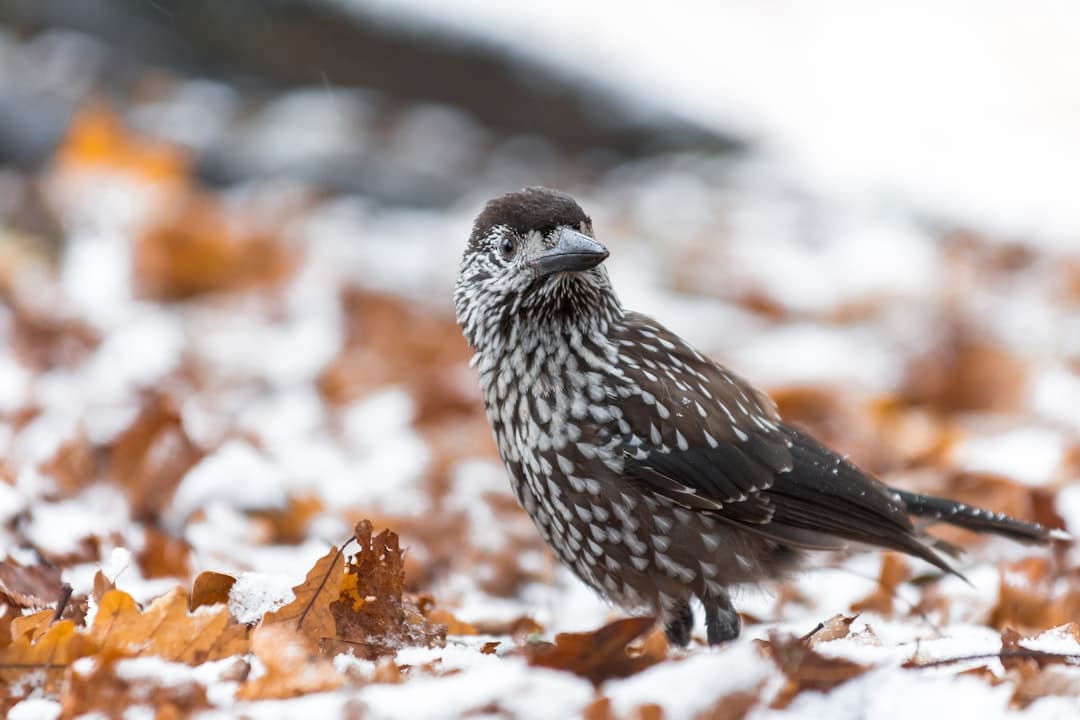
Have you ever wondered how many birds live in the cold, vast tundra? The tundra might seem empty at first, but it is actually home to a surprising variety of bird species.
If you’re curious about which birds thrive in such a harsh environment and how they survive, this article is for you. By the end, you’ll see the tundra in a whole new light and understand why it’s a crucial place for many birds.
Keep reading to uncover the fascinating world of tundra birds and discover the answers you’ve been looking for.
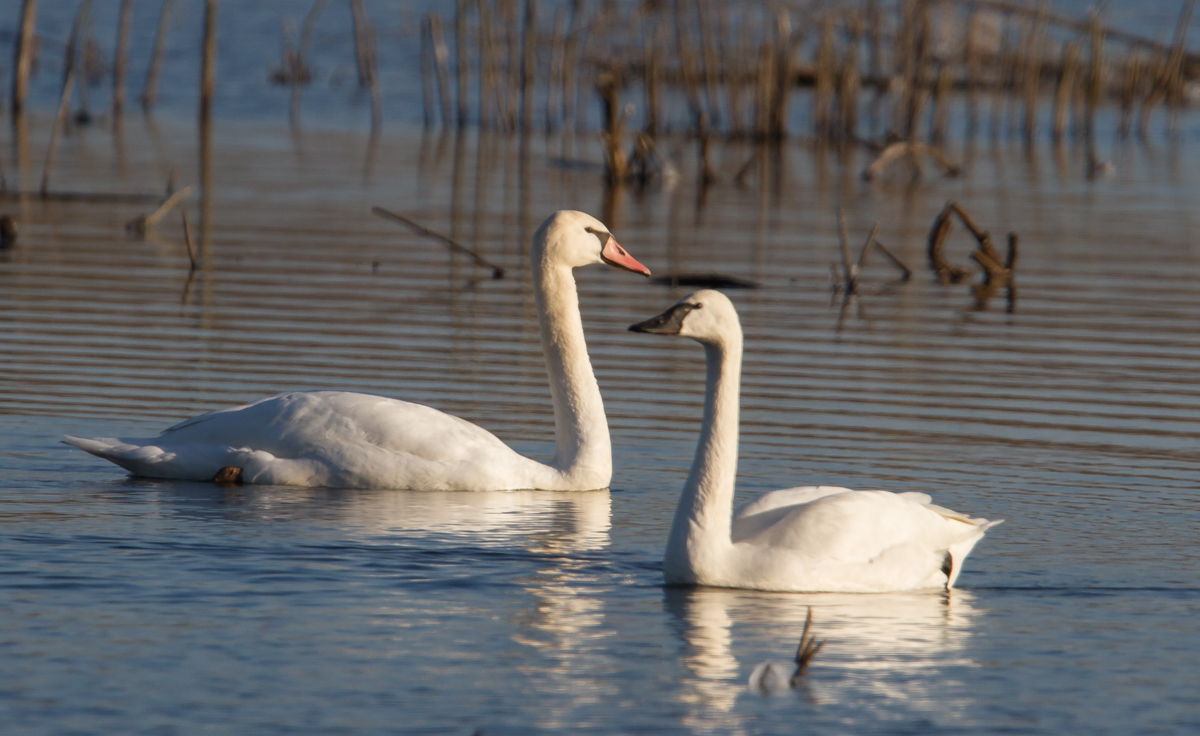
Credit: roadsendnaturalist.com
Bird Diversity In The Tundra
The tundra is a cold, open habitat found in the far north. Many bird species live or visit this area each year. These birds have special ways to survive the harsh conditions.
Birds in the tundra vary in size and color. Some stay all year, while others migrate to warmer places in winter. Let’s explore the main bird families and their lifestyles.
Key Bird Families Found
The tundra hosts several important bird families. These include shorebirds, waterfowl, and raptors. Each family has species adapted to cold weather and open spaces.
- Shorebirds:These birds often have long legs and beaks. Examples are sandpipers and plovers.
- Waterfowl:Ducks and geese live near tundra lakes and ponds.
- Raptors:Birds of prey like snowy owls and falcons hunt small animals here.
Migratory Vs Resident Species
Birds in the tundra can be split into two groups. Migratory species travel to warmer places in winter. Resident species stay in the tundra year-round.
| Type | Examples | Behavior |
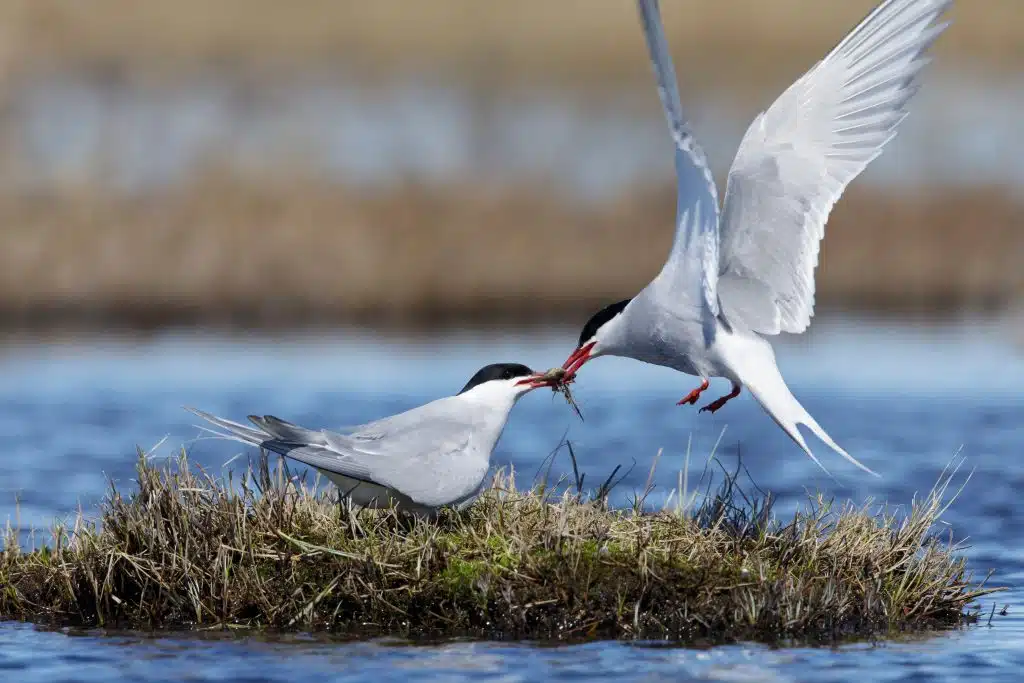
| Migratory | Arctic Tern, Sandpipers | Fly south during winter |
| Resident | Snowy Owl, Rock Ptarmigan | Stay in tundra all year |
Factors Affecting Bird Populations
Bird populations in the tundra change due to many reasons. These factors affect how many birds live and survive there.
Understanding these factors helps us learn about the health of bird species in this cold region.
Climate Impact
The tundra climate is cold and harsh. Changes in temperature can affect birds’ nesting and migration.
Warmer temperatures may reduce the ice and snow cover. This changes the landscape where birds live.
Food Availability
Birds need food like insects, seeds, and small animals. Food sources vary each season in the tundra.
- Insects are more available in summer.
- Seeds come from tundra plants.
- Small animals can be prey for larger birds.
If food is scarce, bird numbers drop because they cannot feed their young well.
Predation And Competition
Birds face threats from predators like foxes and larger birds. These predators can lower bird numbers.
| Factor | Effect on Birds |
| Predators | Reduce bird survival |
| Competition | Limit food and nesting space |
| Harsh Weather | Increase stress and mortality |
Notable Tundra Bird Species
The tundra is a cold, open area where few plants grow. Many birds live and breed here during the short summer.
Birds in the tundra have special ways to survive. They build nests on the ground and travel long distances.
Common Ground Nesters
Many tundra birds make their nests on the ground. They use grasses and moss to hide their eggs from predators.
These birds include species that are easy to spot and important for the tundra ecosystem.
- Snowy Owl
- Lapland Longspur
- Common Eider
- Arctic Tern
- Ruddy Turnstone
Rare And Endangered Birds
Some tundra birds are rare or endangered. They face threats from climate change and habitat loss.
These birds need protection to keep their populations safe in the tundra region.
- Steller’s Eider
- Yellow-billed Loon
- Eskimo Curlew
- Gyrfalcon
- Spoon-billed Sandpiper
Credit: cpawsmb.org
Seasonal Changes In Bird Numbers
The number of birds in the tundra changes with the seasons. Birds migrate to find food and better weather.
These changes show how birds adapt to the cold and harsh environment of the tundra.
Spring And Summer Peaks
Bird numbers peak in spring and summer. Many species come to breed and raise their young.
- Warblers and sparrows arrive to nest.
- Waterfowl use tundra lakes for feeding.
- Long daylight hours help birds find food easily.
- Insects become abundant, providing food for chicks.
Winter Survival Strategies
Bird numbers drop sharply in winter. Few species stay and use special ways to survive.
| Strategy | Description |
| Migration | Most birds fly south to warmer places. |
| Huddling | Some birds stay and group together for warmth. |
| Feather Fluffing | Birds fluff feathers to trap heat. |
| Fat Storage | Birds eat more to build fat for energy. |
Research Methods For Counting Birds
Counting birds in the tundra helps scientists understand bird populations and their health. These methods need to be accurate and suited for harsh environments.
Researchers use different ways to count birds. They combine direct observations with modern technology to get the best results.
Field Surveys And Observations
Field surveys are a basic way to count birds. Scientists go to the tundra and watch birds directly. They record the number and types of birds they see.
- Point counts: Observers count birds from a fixed spot for a set time.
- Transect walks: Observers walk a path and count birds along the way.
- Nest monitoring: Checking nests to count eggs and chicks.
- Banding: Capturing birds briefly to tag and track them later.
Technological Tools In Bird Monitoring
Technology helps count birds in areas that are hard to reach. Devices can collect data even when people are not present.
| Tool | Use | Benefits |
| Remote Cameras | Record bird activity | Works day and night |
| Drones | Survey large areas | Reach remote spots quickly |
| Acoustic Recorders | Capture bird songs | Detect birds hidden in vegetation |
| GPS Trackers | Track bird movements | Follow migration routes |
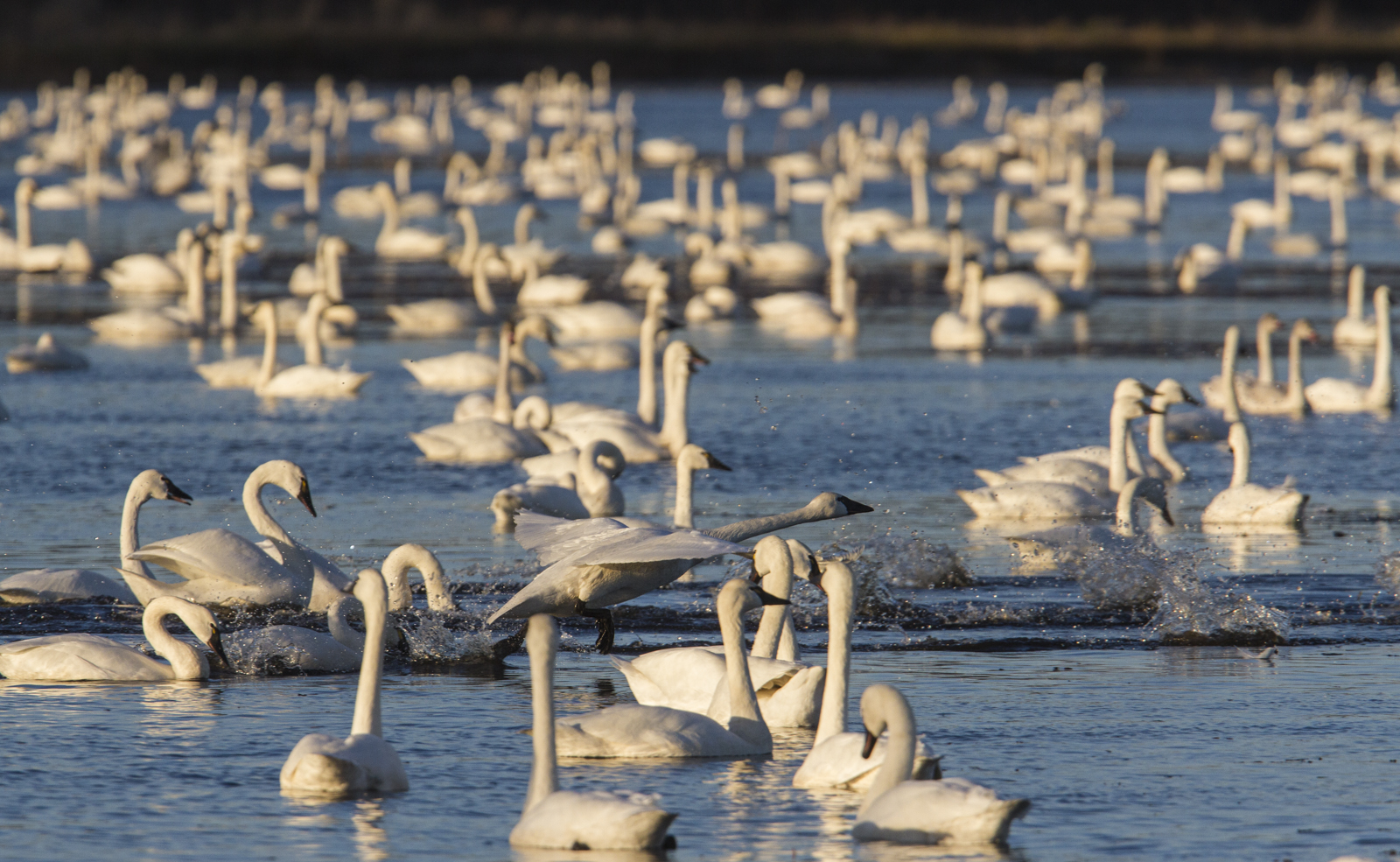
Credit: roadsendnaturalist.com
Conservation Efforts In The Tundra
The tundra is home to many bird species. These birds rely on the fragile environment for survival. Conservation efforts help protect these birds and their habitats.
Protecting the tundra is important to keep bird populations healthy. People and organizations work together to save these birds.
Protecting Bird Habitats
Bird habitats in the tundra include wetlands, tundra plains, and coastal areas. These places provide food, shelter, and nesting sites. Protecting these habitats helps birds survive cold winters and harsh conditions.
- Set aside protected areas to prevent damage
- Limit industrial development near bird nesting sites
- Reduce pollution that harms water and soil quality
- Restore damaged areas by planting native plants
Community Involvement And Awareness
Local communities play a key role in bird conservation. Awareness programs teach people how to help birds. Volunteers join efforts to watch and count bird populations.
| Activity | Purpose |
| Bird Watching | Track bird numbers and health |
| Cleanup Events | Remove trash from habitats |
| Educational Talks | Inform about bird protection |
| Habitat Restoration | Fix damaged bird areas |
Frequently Asked Questions
How Many Bird Species Live In The Tundra?
The tundra hosts about 200 bird species. These include migratory and resident birds adapted to cold climates. Many breed here during summer months.
What Are Common Bird Types Found In The Tundra?
Common tundra birds include snowy owls, arctic terns, and ptarmigans. These birds thrive in harsh, cold environments and have special adaptations.
Do Birds Migrate To The Tundra Seasonally?
Yes, many birds migrate to the tundra during summer. They breed and raise chicks before migrating south for winter. Migration is vital for survival.
Why Is Bird Diversity Low In The Tundra?
Bird diversity is limited by extreme cold and scarce food. Only specialized species with strong adaptations can survive and breed in tundra conditions.
Conclusion
Birds in the tundra are fascinating and diverse. They adapt to harsh climates. Migration patterns vary seasonally. This helps them survive in tough conditions. Many species call the tundra home. Each plays a vital role in the ecosystem. Observing these birds can be a rewarding experience.
It offers insight into nature’s resilience. Tundra birds contribute to biodiversity. Their presence highlights the tundra’s ecological importance. Understanding these birds helps protect their habitat. Awareness and conservation efforts are crucial. Every bird species matters. Enjoy learning about these incredible creatures.
They truly enrich our planet.