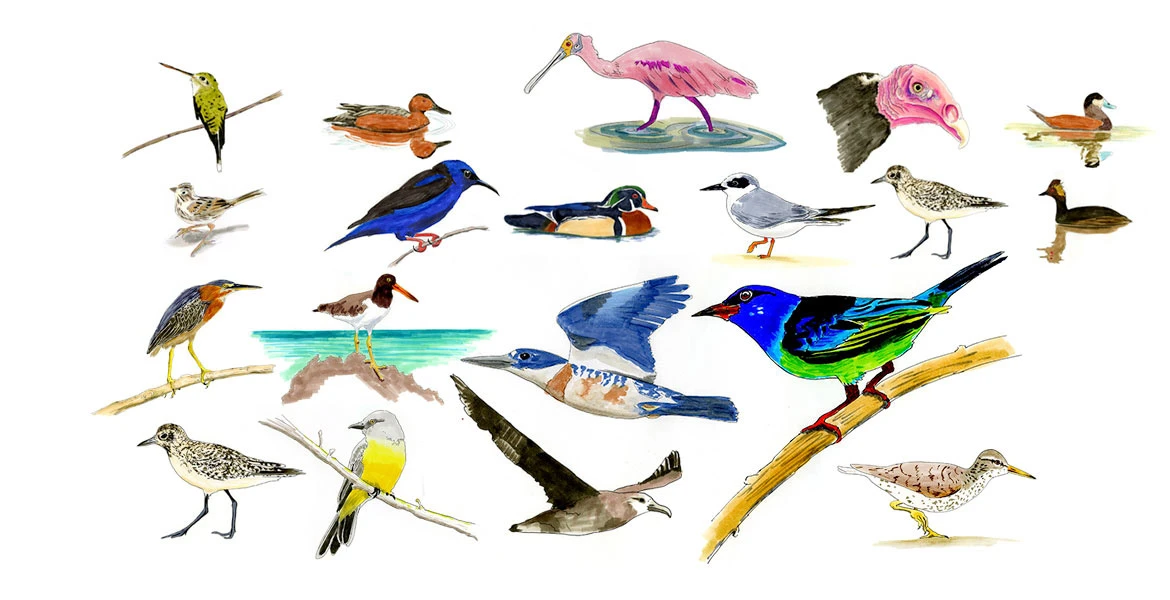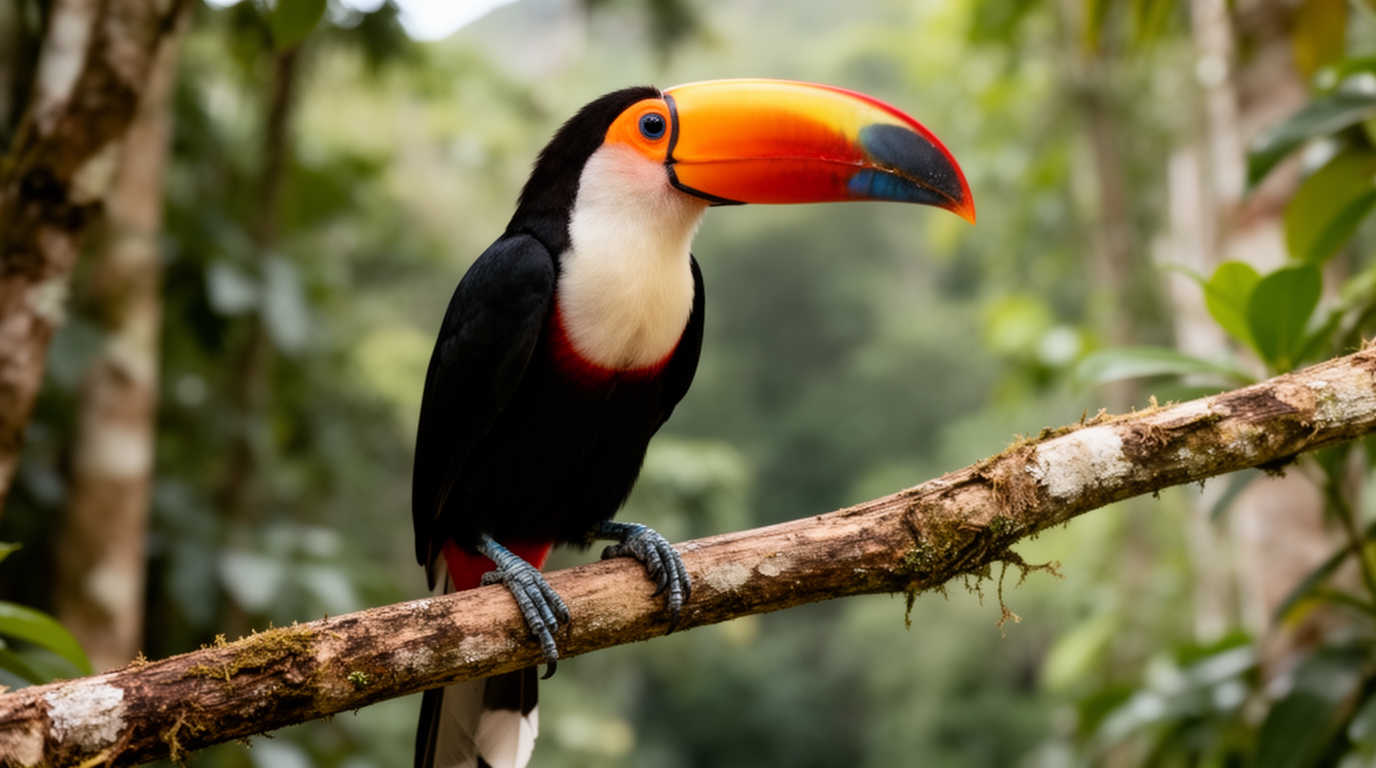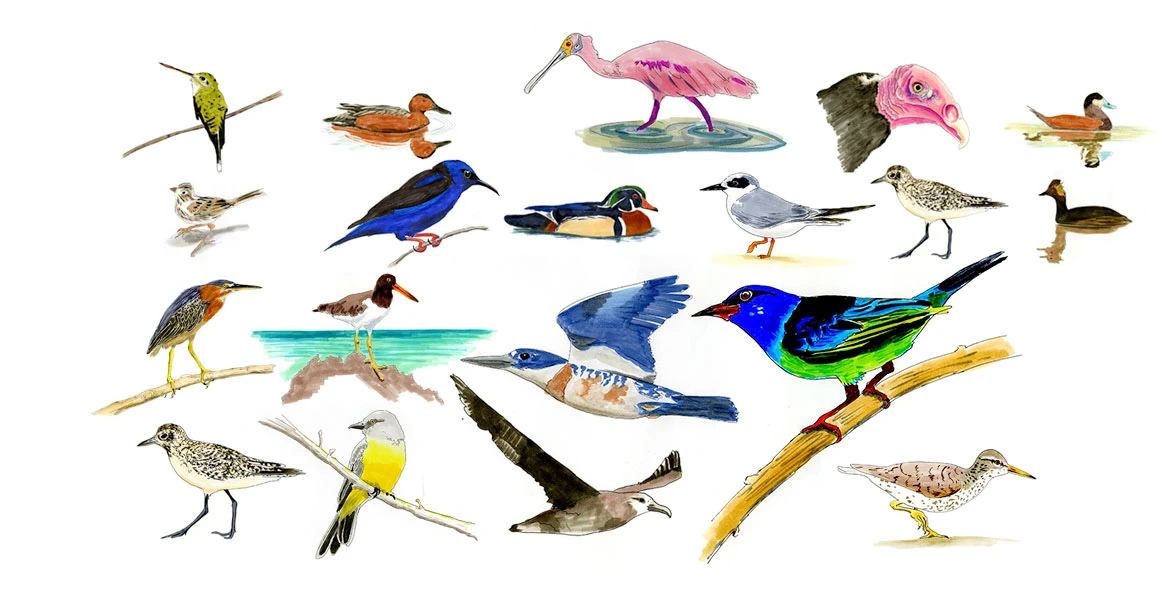
Have you ever looked up at the sky and wondered just how many different kinds of birds share this planet with you? The world of birds is vast and colorful, filled with creatures of all shapes and sizes.
Knowing how many species of birds exist can open your eyes to the incredible diversity around you. You’ll discover surprising facts that might change the way you see the birds in your own backyard. Ready to explore the amazing variety of bird species waiting to be uncovered?
Let’s dive in.
Bird Species Count
Birds are found all over the world. Scientists count bird species to understand nature better.
The number of bird species helps us learn about biodiversity and how to protect animals.
Global Estimates
Experts estimate there are about 10,000 bird species worldwide. This number changes as new birds are found.
Birds live in many places like forests, oceans, and cities. This wide range makes counting hard.
- About 10,000 known species
- Found on every continent
- Live in many different habitats
Factors Influencing Counts
Counting bird species is tricky. Some birds look very similar. Others live in hard-to-reach places.
Scientists also use different rules to decide what counts as a new species. This affects the total count.
- Similar species can be confused
- Remote areas are hard to study
- Different science rules change counts
Recent Discoveries
Scientists find new bird species each year. Many are in tropical forests and remote islands.
These discoveries show how much we still have to learn about birds and nature.
- New species found yearly
- Tropical forests are rich in new birds
- Remote islands often hide unknown birds
Bird Classification
Birds are one of the most diverse groups of animals on Earth. Scientists have identified many species, each with unique features.
Classifying birds helps us understand their behavior, habitats, and evolution. It organizes them into groups based on shared traits.
Major Bird Groups
Birds are divided into several large groups. These groups are based on their physical traits and how they live.
Some major groups include water birds, birds of prey, and songbirds. Each group has many species within it.
- Water Birds: Ducks, swans, and herons
- Birds of Prey: Eagles, hawks, and owls
- Songbirds: Sparrows, finches, and robins
- Flightless Birds: Ostriches and penguins
Common Families
Within major groups, birds are sorted into families. Families share more specific features and behaviors.
Examples of common bird families include parrots, woodpeckers, and pigeons. These families have many species worldwide.
- Parrots (Psittacidae): Bright colors and strong beaks
- Woodpeckers (Picidae): Peck wood to find insects
- Pigeons and Doves (Columbidae): Found in cities and forests
- Thrushes (Turdidae): Known for their melodious songs
Unique Species
Some bird species are unique due to special traits or rare habitats. They often attract attention from bird watchers.
These species may be endangered or found only in certain places. They show how diverse birds can be.
- Kiwi: A small, flightless bird from New Zealand
- Harpy Eagle: One of the largest and strongest eagles
- Resplendent Quetzal: Known for bright green feathers
- Hoatzin: Has claws on its wings as a chick
Habitats And Distribution
Birds live all over the world. They can be found in many types of habitats.
Understanding where birds live helps us learn about their needs and behaviors.
Worldwide Habitats
Birds live in forests, deserts, mountains, wetlands, and oceans. Each habitat has different food and shelter.
Some birds prefer warm places, while others live in cold areas. Many adapt to live near humans too.
- Forests provide trees for nesting and food.
- Wetlands have water plants and fish for food.
- Deserts offer open space but less water.
- Oceans support seabirds with fish and marine life.
- Mountains have cooler temperatures and rocky areas.
Endemic Species
Endemic birds live in one special place only. They are not found anywhere else.
These species often need specific habitat conditions. Islands and remote areas have many endemic birds.
- Example: The Kiwi bird lives only in New Zealand.
- Example: The Galápagos finches are unique to the Galápagos Islands.
- Endemic birds can be more at risk from habitat loss.
Migration Patterns
Many bird species migrate to find better food and weather. Migration means flying long distances seasonally.
Birds use different routes and stopover sites to rest and eat during migration.
- Arctic Terns travel from the Arctic to the Antarctic each year.
- Swallows migrate from North America to South America.
- Migration helps birds survive cold winters and find food.
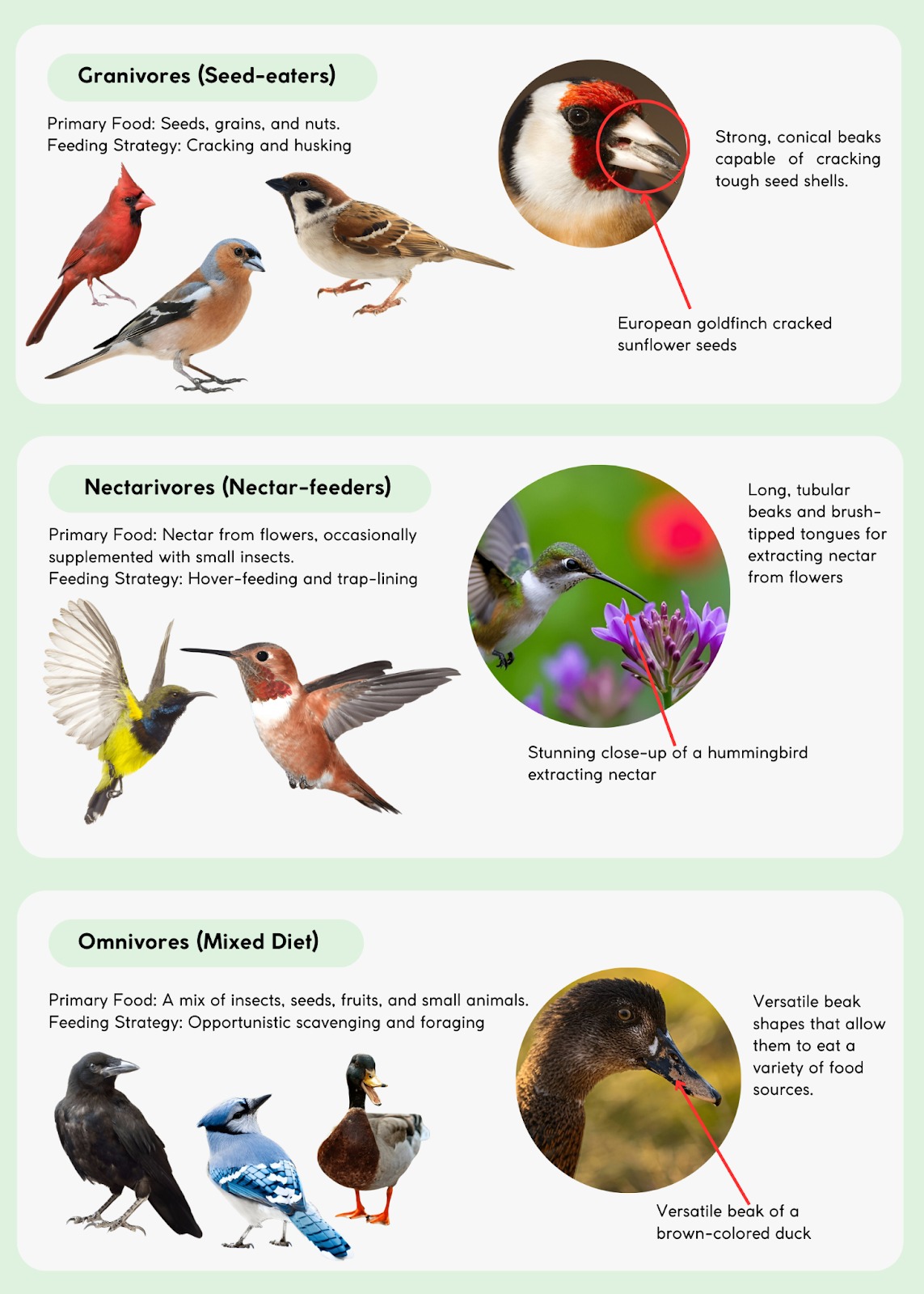
Credit: animal-pedia.org
Threats To Bird Diversity
Birds live in many different places all over the world. They face many dangers that can harm their numbers.
Some threats make it hard for birds to find food and safe homes. These threats can cause bird species to disappear.
Habitat Loss
Many birds lose their homes because forests, wetlands, and grasslands are cut down. Cities and farms take over these areas.
Without their natural homes, birds cannot find food or build nests. This causes their numbers to drop quickly.
- Deforestation removes trees birds need
- Wetlands are drained for farming
- Urban growth shrinks natural habitats
Climate Change
Climate change changes the weather and seasons. Birds may not find food at the right times.
Some birds must move to new places to survive. Not all birds can adapt fast enough to these changes.
- Rising temperatures affect bird migration
- Extreme weather destroys nests and food
- Changing seasons disrupt breeding cycles
Conservation Efforts
People work to protect birds by saving their homes and creating safe areas. These places help birds live and grow.
Conservation also means planting trees and stopping pollution. These actions help many bird species survive.
- Creating protected parks and reserves
- Restoring damaged habitats
- Reducing pollution and harmful chemicals
- Educating people about bird protection
Bird Watching Trends
Bird watching is a popular hobby enjoyed by millions worldwide. People watch birds to learn about species and enjoy nature.
Interest in bird watching grows as more species are discovered and recorded. New trends show how people connect with birds today.
Popular Locations
Bird watchers visit many places to see different species. Some locations are known for their rich bird life and easy access.
Wetlands, forests, and coastal areas attract a wide variety of birds. National parks and reserves are also favorite spots.
- Central Park, New York
- Kruger National Park, South Africa
- Danum Valley, Malaysia
- Galápagos Islands, Ecuador
- Great Barrier Reef, Australia
Citizen Science Impact
Many bird watchers share their sightings with scientists. This helps track bird populations and migration patterns.
Citizen science projects collect data from volunteers worldwide. This data supports bird conservation and research.
- eBird collects millions of bird observations
- Christmas Bird Count monitors winter populations
- BirdTrack records seasonal movements
Technological Advances
Technology helps bird watchers find and identify species. Apps, cameras, and sound recorders improve the experience.
Mobile apps provide bird calls and photos. Drones and trail cameras capture images in hard-to-reach places.
- Bird identification apps like Merlin
- High-quality zoom lenses and cameras
- Audio recorders for bird songs
- Drones for aerial bird surveys
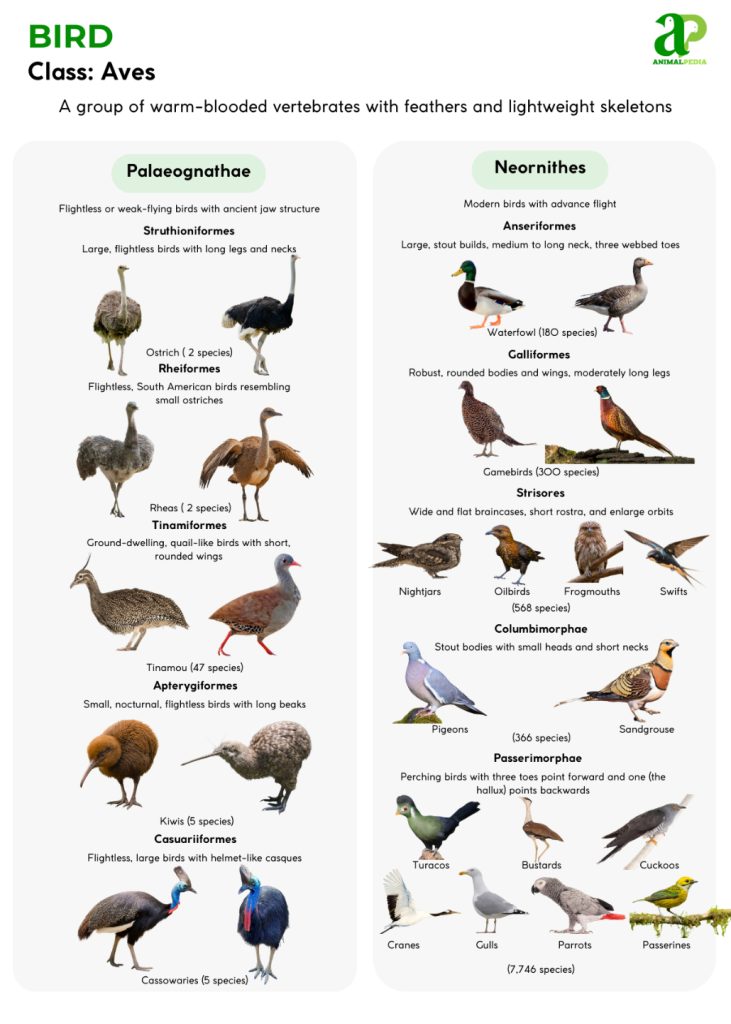
Credit: animal-pedia.org
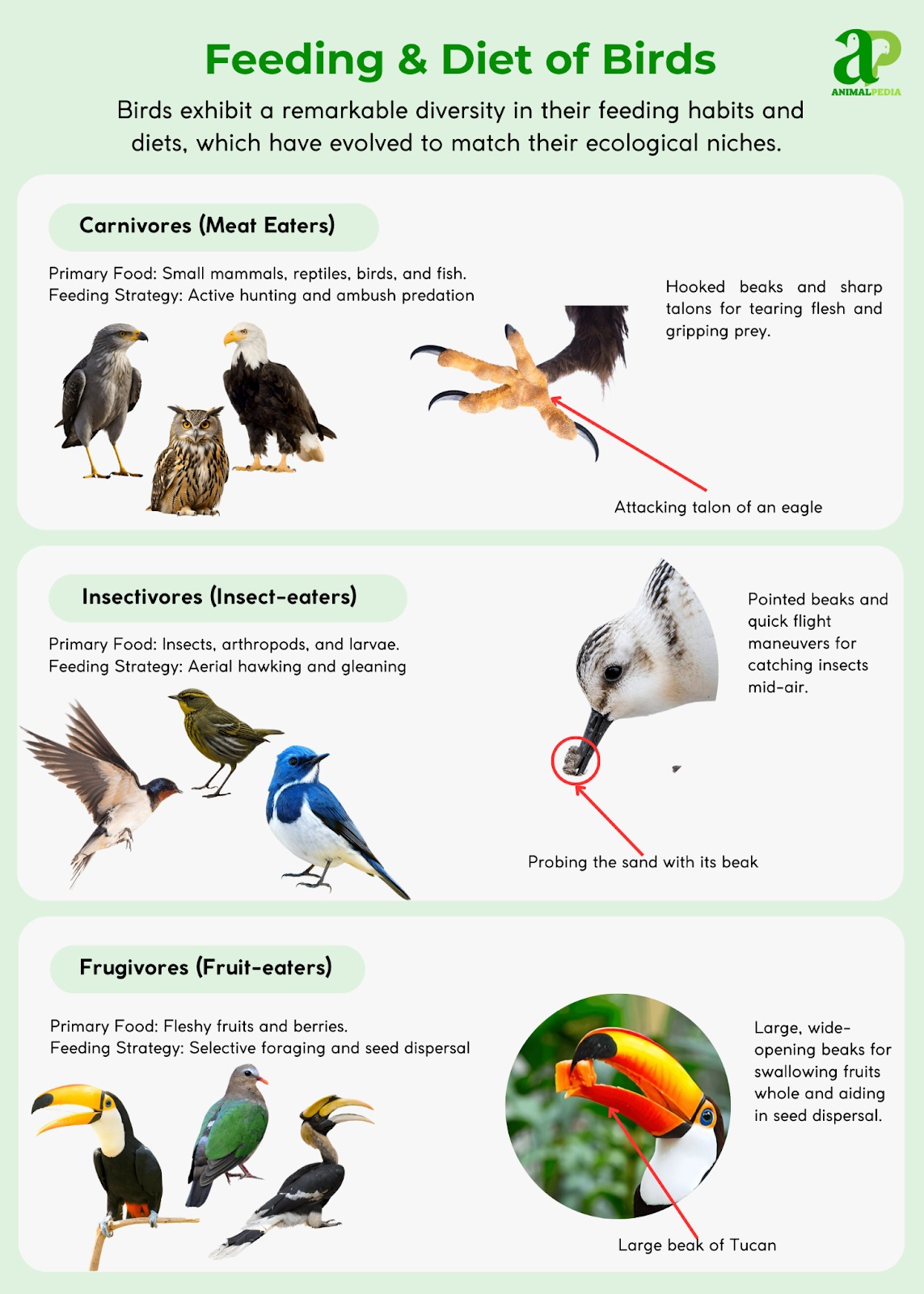
Credit: animal-pedia.org
Frequently Asked Questions
How Many Bird Species Are There Globally?
There are approximately 10,000 bird species worldwide. These species are spread across various regions and habitats. They range from the common house sparrow to the rare kakapo. Continuous research and discoveries sometimes add new species to this list.
Which Country Has The Most Bird Species?
Colombia boasts the highest number of bird species. It is home to over 1,900 species. The country's diverse ecosystems, from rainforests to mountains, contribute to this richness. Its unique geographical location also plays a crucial role.
What Is The Rarest Bird Species On Earth?
The Spix's Macaw is considered one of the rarest birds. Native to Brazil, it faces critical endangerment. Its population has been severely reduced due to habitat loss. Conservation efforts are ongoing to help this species recover.
How Do Scientists Classify Bird Species?
Scientists classify birds based on physical and genetic characteristics. They use features like plumage, song, and behavior. Advances in DNA analysis have refined classification methods. This scientific process helps in understanding evolutionary relationships among birds.
Conclusion
Birds fill our world with color and song. Around 10,000 bird species exist today. Each species has unique traits and habitats. They live in forests, deserts, mountains, and cities. Protecting birds helps keep nature healthy. Watching birds can bring joy and peace.
Learning about them connects us to the natural world. Keep exploring and appreciating these amazing creatures. Their diversity shows the beauty of life on Earth.