Have you ever wondered just how many worms a baby bird gobbles up each day? It's more than just a fun trivia question.
Understanding the eating habits of these tiny creatures can offer surprising insights into nature’s intricate balance. Picture this: a hungry little bird chirping away, relying solely on its parents to bring it food. As you read on, you'll uncover the astonishing truth about their daily diet.
This knowledge might just change the way you see those small, chirping fledglings in your backyard. Ready to discover the secrets of their tiny appetites? Let’s dive in!
Credit: irishwildlifematters.ie
Baby Bird Diet Basics
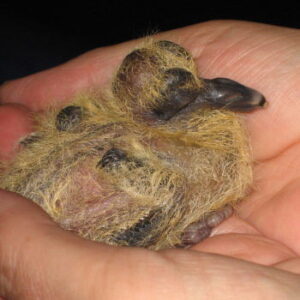
Baby birds need a special diet to grow strong and healthy. Their diet changes as they grow.
Understanding what baby birds eat helps us protect them and their habitats.
Types Of Food For Nestlings
Baby birds eat different foods depending on their species. Most eat insects, worms, and soft foods.
- Earthworms are a common food for many baby birds.
- Insects like caterpillars and beetles provide protein.
- Soft fruits and berries help with vitamins.
- Regurgitated food from parent birds is easy to digest.
Nutritional Needs Of Baby Birds
Baby birds need energy and nutrients to grow feathers and muscles fast.
| Nutrient | Purpose | Food Sources |
| Protein | Builds muscles and tissues | Worms, insects |
| Fat | Gives energy | Insects, regurgitated food |
| Vitamins | Supports growth and health | Fruits, insects |
| Water | Keeps cells hydrated | Soft foods, regurgitated liquids |
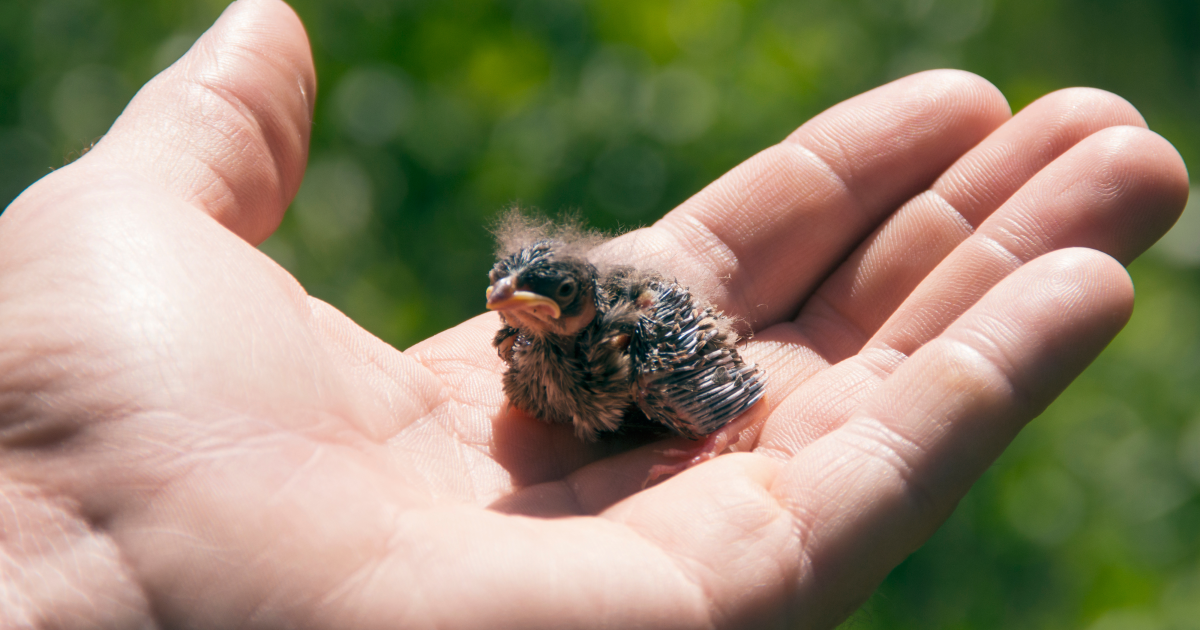
Credit: pethelpful.com
Worm Consumption Rates
Baby birds need many worms each day to grow strong. Worms are a main food source for many young birds. They eat worms to get protein and energy.
The number of worms eaten depends on the bird's size and age. Different species eat different amounts every day.
Average Number Of Worms Per Day
Most baby birds eat between 20 and 50 worms daily. Smaller birds eat fewer worms. Larger birds need more to stay healthy.
On average, a baby bird may eat about 30 worms per day. This helps them grow quickly in their first weeks.
- Small birds: 15 to 25 worms per day
- Medium birds: 25 to 40 worms per day
- Large birds: 40 to 60 worms per day
Factors Affecting Worm Intake
Several factors change how many worms a baby bird eats. Age is important because older chicks need more food. The bird’s energy use also matters.
Weather and worm availability affect feeding too. If worms are hard to find, birds eat less. Parents bring food more often if chicks are hungry.
- Age of the baby bird
- Species and size
- Temperature and weather conditions
- Availability of worms in the environment
- Parental feeding frequency
Feeding Behavior Of Parent Birds
Baby birds need many worms each day to grow strong. Parent birds work hard to find food for their young. They bring worms back to the nest many times daily.
Understanding how parent birds find and deliver worms helps us know how much a baby bird eats. Let’s look at their hunting and feeding habits.
How Parents Hunt For Worms
Parent birds search the ground carefully for worms. They use their beaks to dig and pull worms from the soil. Some birds watch for worms that come up after rain.
- Look for soft, moist soil where worms live
- Dig small holes or flip leaves to find hidden worms
- Catch worms quickly to feed hungry chicks
- Choose worms that fit easily in their beaks
Frequency Of Feeding Trips
Parent birds make many trips to feed their chicks each day. The number of trips depends on the baby birds’ hunger and age.
| Age of Baby Bird | Feeding Trips per Hour | Worms Fed per Trip |
| 1-3 Days | 3-4 | 1-2 |
| 4-7 Days | 5-7 | 2-3 |
| 8-14 Days | 7-10 | 3-5 |
Variations Among Bird Species
Baby birds eat different amounts of worms every day. The number varies by species. Some birds need more food to grow fast.
Worm intake depends on the bird's size and activity. Small birds eat fewer worms than bigger birds. This helps them get the energy they need.
Worm Intake In Songbirds
Songbirds are usually small and eat many small worms daily. They need a lot of protein to grow strong and healthy.
A baby songbird may eat about 30 to 50 worms each day. Parents catch worms many times to feed their chicks.
- Examples of songbirds: robins, sparrows, finches
- Feed small worms like earthworms or caterpillars
- Feed frequency can be every 10 to 20 minutes
Differences In Larger Bird Species
Larger baby birds eat more worms than small birds. They need more energy to grow their bigger bodies.
Some larger birds eat up to 100 or more worms daily. Their parents spend more time hunting for food.
- Examples of larger birds: crows, jays, hawks
- Feed bigger worms or insects for more nutrition
- Feeding intervals may be longer but with more food
Impact On Ecosystem
Baby birds eat many worms every day to grow strong and healthy. This eating habit affects the environment around them.
The number of worms baby birds eat influences soil health and other animals in the ecosystem.
Role Of Worms In Bird Growth
Worms provide important nutrients for baby birds. They are soft and easy to digest, helping the birds gain energy quickly.
Eating many worms helps baby birds develop strong muscles and healthy feathers. It supports their fast growth during early life.
Worm Population And Bird Feeding
Baby birds eating many worms can lower the worm population in an area. This affects soil quality because worms help break down leaves and waste.
A healthy worm population keeps the soil rich and helps plants grow. Birds eating worms help control worm numbers, keeping balance in nature.
- Worms improve soil by recycling nutrients
- Birds control worm numbers to avoid overpopulation
- Balanced worm population supports plant growth
- Bird feeding helps maintain ecosystem health
Surprising Facts About Baby Bird Feeding
Baby birds eat a lot of worms every day. Their parents work hard to find enough food. Feeding young birds is a busy and important job.
This article shares some unusual feeding habits of baby birds. It also shows some record worm-eating cases that might surprise you.
Unusual Feeding Habits
Some baby birds eat more worms than others. Their feeding depends on the species and the food available. Some parents feed their chicks only worms. Others mix worms with insects or seeds.
- Swallows feed their chicks many small insects and worms.
- Robins often bring worms directly from the ground.
- Woodpecker parents feed their young mostly insect larvae and worms.
- Some birds feed their chicks every 10 to 15 minutes during the day.
Record Worm Consumption Cases
Scientists have studied how many worms baby birds eat daily. Some records show very high numbers. These cases help us understand the feeding needs of growing chicks.
| Bird Species | Worms Eaten Per Day |
| European Robin | 500 to 700 |
| Common Blackbird | 600 to 900 |
| Chickadee | 400 to 600 |
| Tree Swallow | 300 to 500 |
These numbers show baby birds eat hundreds of worms daily. The exact number depends on their size and growth rate.

Credit: www.reddit.com
Frequently Asked Questions
How Many Worms Does A Baby Bird Eat Daily?
A baby bird typically eats 20 to 30 worms per day. The exact number depends on the bird species and age. Worms provide essential protein and nutrients for their growth and development.
Why Do Baby Birds Eat So Many Worms?
Baby birds need high protein for rapid growth. Worms are rich in protein and easy to digest. Feeding many worms ensures they get enough energy to develop strong muscles and feathers.
When Do Baby Birds Start Eating Worms?
Baby birds usually start eating worms a few days after hatching. Initially, parents feed them soft insects and worms. This diet gradually increases as the chicks grow and their digestive systems mature.
Can Baby Birds Survive Without Worms?
Baby birds rely heavily on worms for protein. Without worms, their growth slows down, and survival chances drop. Parents may feed other insects, but worms remain a vital food source.
Conclusion
Baby birds eat many worms every day to grow strong and healthy. The exact number varies by species and age. Young chicks need more food as they develop quickly. Worms provide important nutrients for their growth. Watching this helps us understand nature better.
Feeding habits show how birds survive in the wild. This knowledge also supports bird conservation efforts. Keep observing birds to learn more about their lives. Caring for nature means caring for these tiny creatures. Every worm counts in a baby bird’s day.